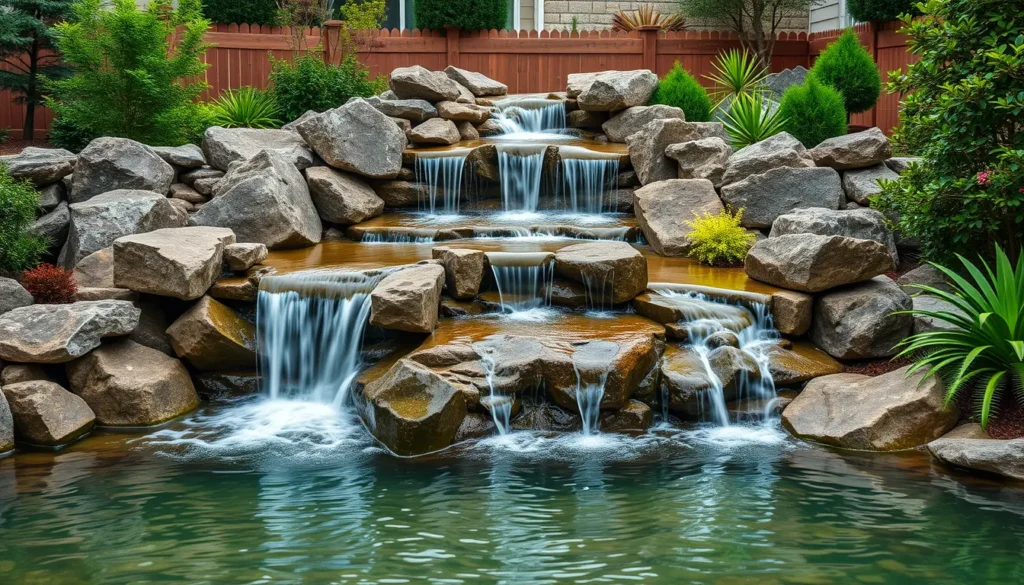
Creating a serene outdoor retreat can transform any backyard into a peaceful oasis. One of the most alluring features to incorporate into your landscape design is a waterfall. The sound of flowing water, the sight of cascading streams, and the overall aesthetic can elevate the ambiance of any outdoor space. However, designing a waterfall involves more than just pouring water over rocks. It requires careful consideration of various elements, including flow patterns, rock selection, and plant integration. In this article, we will delve into the essential components of waterfall design, providing you with the tools necessary to create your tranquil oasis.
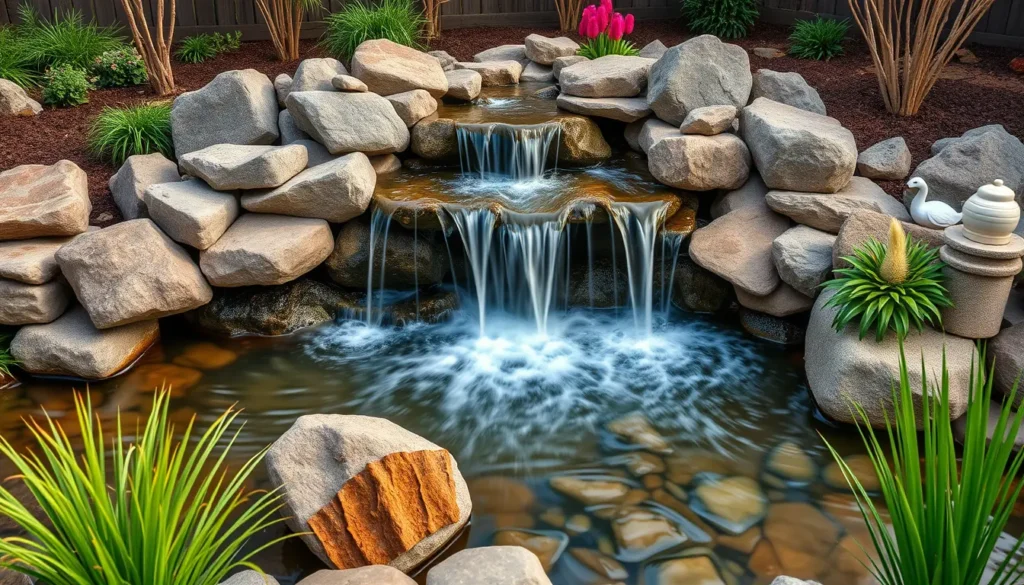
Waterfalls have long been admired for their beauty and tranquility. From the majestic cascades found in nature to the meticulously crafted ones in landscaped gardens, waterfalls are not just functional; they are also a source of inspiration. The soothing sound of water, the visual aesthetics, and the wildlife they attract contribute to their charm. A well-designed waterfall can enhance your outdoor space, making it a serene retreat for relaxation and reflection. In this article, we will explore the art of waterfall design, discussing the vital components that contribute to creating an inviting atmosphere.
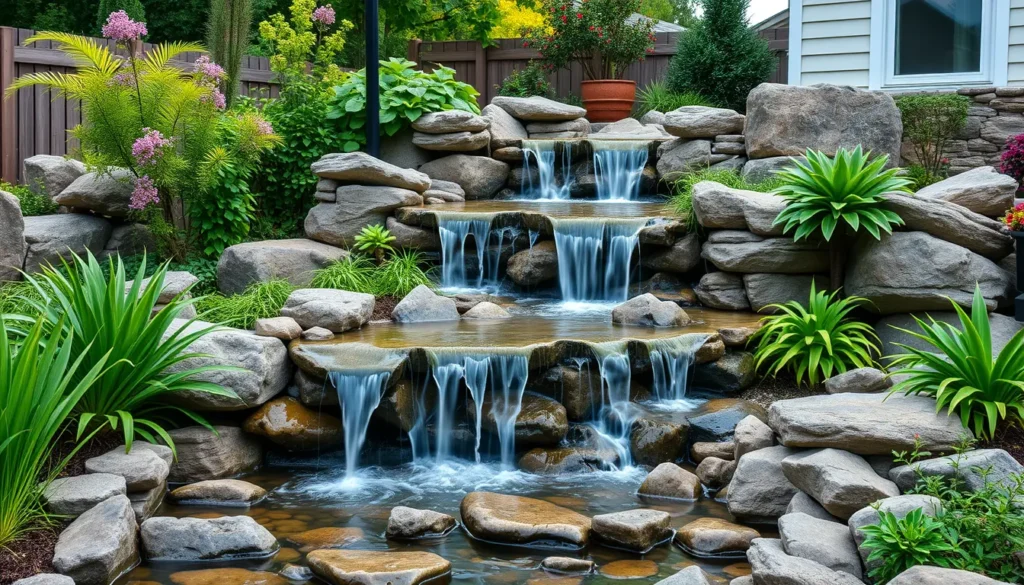
2. Understanding Waterfall Design
2.1 Importance of Waterfall Design
Waterfall design is crucial for several reasons:
- Aesthetic Appeal: A waterfall adds elegance and beauty to your landscape.
- Soundscapes: The sound of flowing water creates a peaceful environment, helping to mask noise from nearby roads or neighbors.
- Wildlife Attraction: Waterfalls can attract birds, butterflies, and other wildlife, adding vibrancy to your retreat.
- Microclimate Creation: The evaporation of water can create a cooler microclimate, making your outdoor space more enjoyable in warm weather.
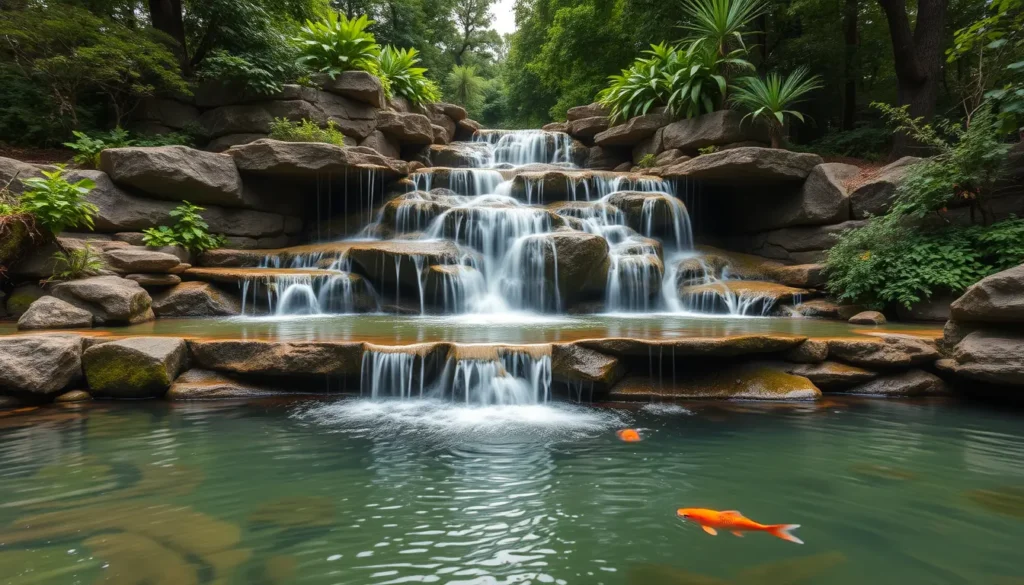
2.2 Types of Waterfalls
Before diving into the specifics of waterfall design, it’s essential to understand the various types of waterfalls you can create:
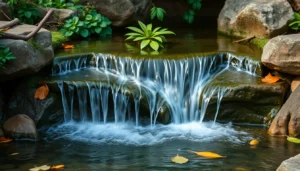
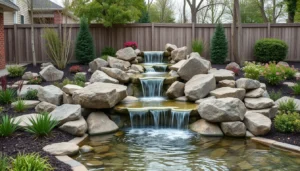
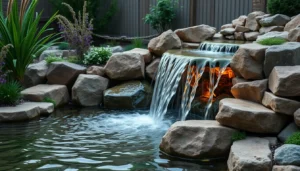
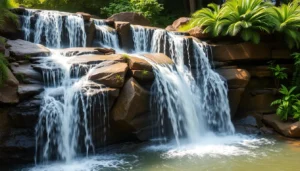
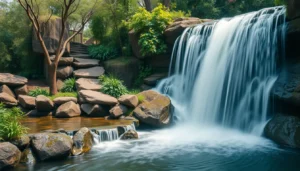
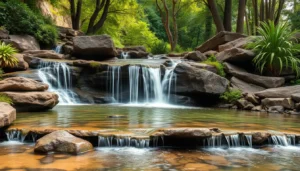
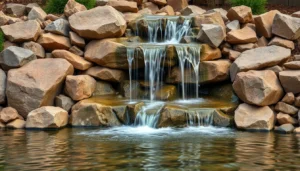
- Naturalistic Waterfalls: Designed to mimic natural waterfalls, these often feature irregular shapes and organic materials.
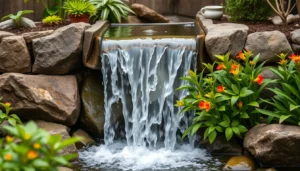
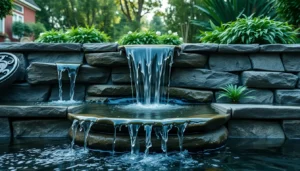
- Formal Waterfalls: Characterized by clean lines and symmetrical designs, formal waterfalls are often integrated into structured gardens.
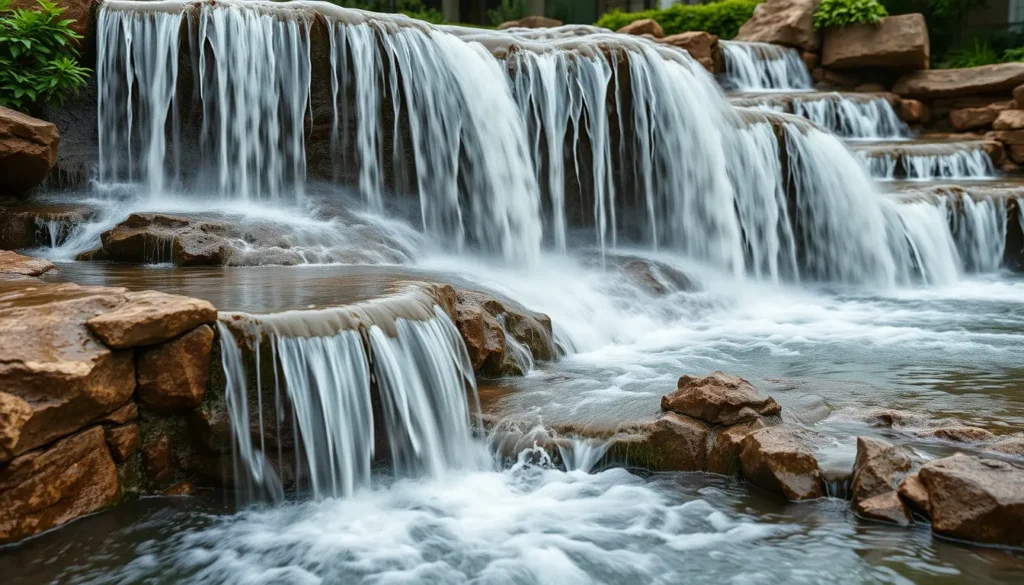
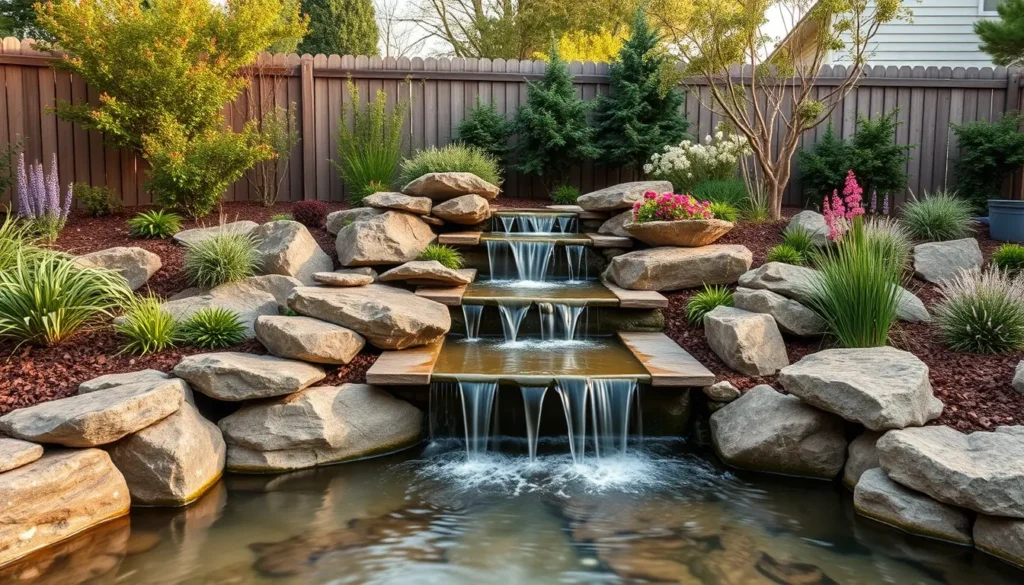
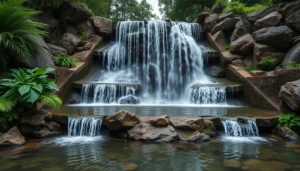
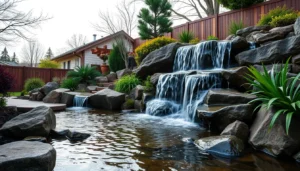
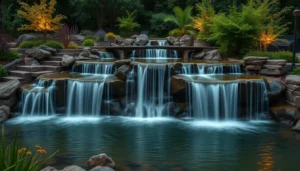
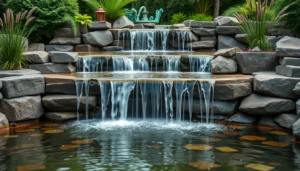
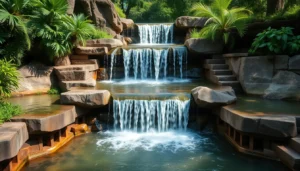
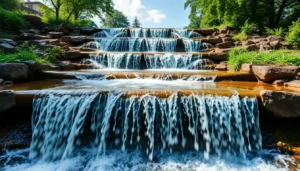
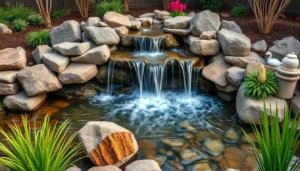
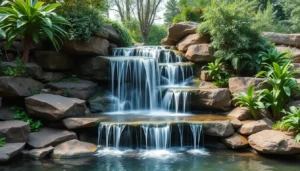
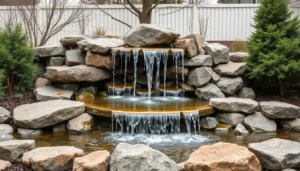
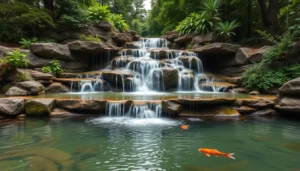
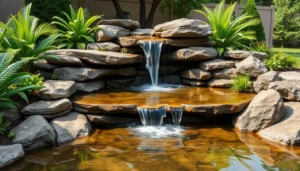
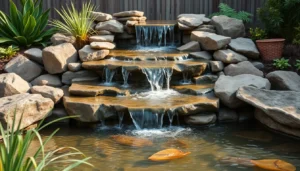
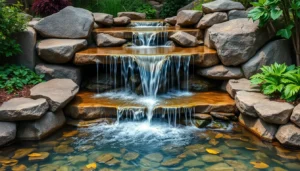
- Multilevel Waterfalls: These waterfalls feature multiple tiers, allowing water to cascade down several levels, creating dynamic visual interest.
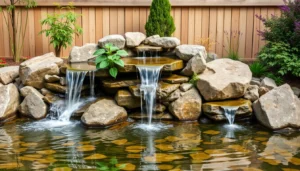
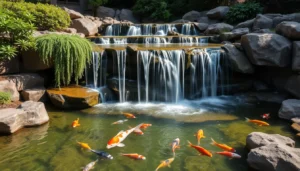
- Koi Ponds with Waterfalls: Combining a waterfall with a koi pond can create a vibrant aquatic ecosystem.
3. Key Elements of Waterfall Design
To create a stunning waterfall, several key elements must be considered. Each component plays a vital role in the overall effectiveness of the design.
3.1 Flow Patterns
The flow pattern of your waterfall is one of the most critical aspects of the design. It determines how water moves, its speed, and its overall appearance.
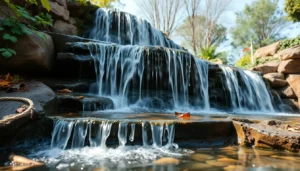
- Smooth Flow: A smooth, gentle flow creates a tranquil sound and appearance, ideal for relaxation areas.
- Rugged Flow: A more rugged flow, with faster-moving water and splashes, can create a lively atmosphere.
- Waterfalls and Streams: Incorporating streams leading to the waterfall can enhance the overall flow and create a more natural look.
Tips for Designing Flow Patterns:
- Assess the Site: Evaluate the slope of your land and the natural contours to determine the best flow direction.
- Experiment with Angles: Use different angles and heights to create varied flow patterns.
- Consider Water Volume: The amount of water you plan to use will affect the flow. Ensure your water source can sustain the desired flow rate.
3.2 Rock Selection
Rock selection is crucial for achieving a natural look and ensuring the structural integrity of your waterfall.
- Types of Rocks: Choose rocks that are naturally found in your area to create a cohesive look. Common choices include granite, sandstone, and river rocks.
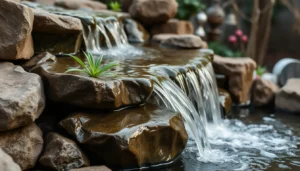
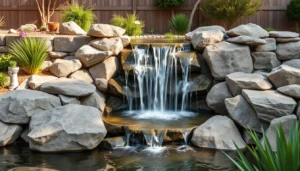
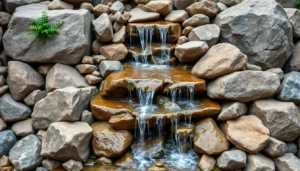
- Size and Shape: Vary the size and shape of the rocks to create interest. Larger boulders can serve as focal points, while smaller rocks can fill gaps and enhance texture.
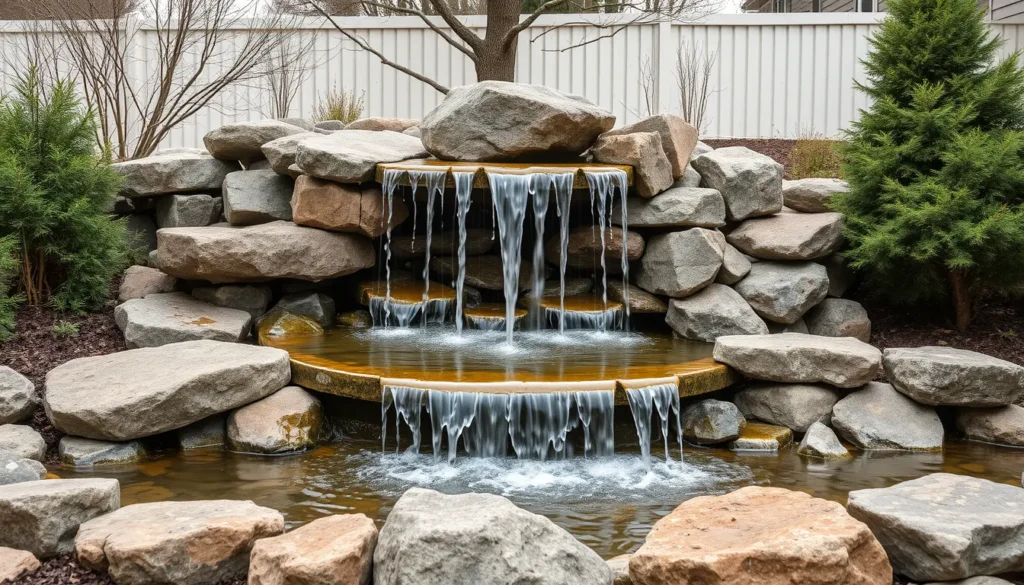
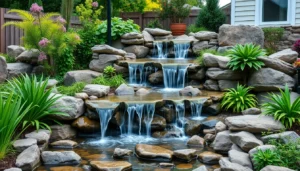
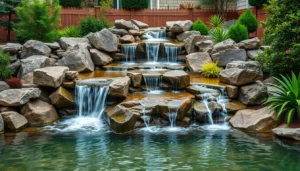
- Arrangement: The way rocks are arranged impacts the flow and aesthetics. Layering larger rocks at the base and gradually using smaller ones can create a natural cascading effect.
Tips for Rock Selection:
- Mix Textures: Combine smooth and rough surfaces to create visual contrast.
- Stability Matters: Ensure that the rocks are stable and secure, especially those that will face the most water pressure.
- Natural Placement: Avoid a “stacked” look; instead, place rocks as you would find them in nature, leaning and overlapping for a more authentic appearance.
3.3 Plant Integration
Integrating plants into your waterfall design enhances the ecosystem and contributes to the serene atmosphere.
- Native Plants: Using native plants is essential as they will thrive in your specific climate and soil conditions.
- Water-Resistant Plants: Consider incorporating water-loving plants around the waterfall to enhance the lushness and provide habitat.
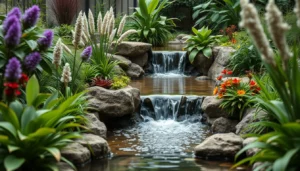
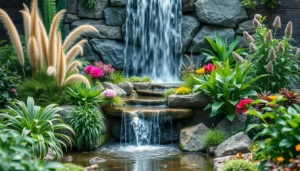
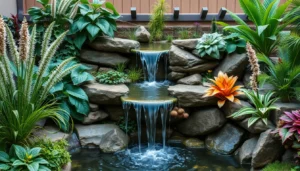
- Layering: Use a layered approach with tall plants in the back, medium plants in the middle, and ground covers in the front to create depth and visual interest.
Tips for Plant Integration:
- Choose Wisely: Select plants that complement the colors and textures of the rocks.
- Seasonal Interest: Incorporate plants that offer year-round appeal, with blooms in spring and colorful foliage in fall.
- Placement: Plant strategically around the waterfall to frame it while avoiding overgrowth that could obstruct the view.
4. Designing Your Waterfall
Now that we’ve explored the key elements, let’s discuss the process of designing your waterfall from planning to execution.
4.1 Planning and Layout
The planning stage is crucial for ensuring your waterfall fits well within your landscape.
- Site Analysis: Assess your backyard for sunlight, shade, and existing features that may influence the waterfall’s placement.
- Sketch Your Design: Create a rough sketch of your waterfall’s layout, incorporating flow patterns, rock placements, and plant integration.
- Determine Size: Consider the scale of your landscape. A large waterfall may overwhelm a small yard, while a small waterfall may be lost in a vast space.
4.2 Materials and Construction
Selecting the right materials and following a well-thought-out construction process will ensure your waterfall is both beautiful and durable.
- Water Source: Determine where your water will come from. Options include a pond, reservoir, or direct connection to a water supply.
- Pump Selection: Choose a pump that is appropriate for the size and flow rate of your waterfall. Consult with professionals if necessary.
- Liner and Filtration: Use a durable liner to hold water and consider a filtration system to keep the water clean and clear.
Construction Steps:
- Excavate the Area: Dig out the area according to your design, ensuring proper slopes for the waterfall.
- Install the Liner: Lay down the liner, ensuring it’s securely in place to prevent leaks.
- Place Rocks: Begin placing rocks according to your design, ensuring they are stable and create the desired flow.
- Add Plants: Plant around the waterfall, allowing them to settle and establish before introducing water.
4.3 Waterfall Features and Enhancements
To elevate your waterfall design, consider adding unique features and enhancements:
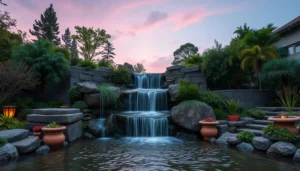
- Lighting: Incorporate underwater or landscape lighting to create a magical ambiance during the evening.
- Spillway Features: Add spillways, such as bridges or stones, for visual interest and to create different flow patterns.
- Seating Areas: Create a seating area nearby for relaxation and enjoyment of the waterfall’s beauty.
5. Maintenance of Your Waterfall
Like any outdoor feature, waterfalls require regular maintenance to keep them looking their best.
5.1 Regular Upkeep
- Clean Debris: Regularly remove leaves, twigs, and debris from the waterfall and surrounding areas to prevent clogs and maintain water clarity.
- Check Water Levels: Ensure the water levels remain consistent, adding water as needed to compensate for evaporation.
- Inspect the Pump: Regularly check the pump for any issues, cleaning or replacing it as necessary.
5.2 Seasonal Considerations
- Winter Preparations: If you live in a colder climate, prepare your waterfall for winter by shutting down the pump and draining water to prevent freezing.
- Spring Cleanup: In spring, perform a thorough cleaning and inspect for any winter damage to rocks or plants.
6. Conclusion
Designing a waterfall can be an enriching and fulfilling process, offering both aesthetic and sensory rewards. By understanding the key elements of waterfall design—flow patterns, rock selection, and plant integration—you can create a serene retreat that enhances your outdoor space. Careful planning, attention to detail, and regular maintenance will ensure that your waterfall remains a tranquil oasis for years to come. Whether you choose a naturalistic approach or a more formal design, the art of waterfall design is a journey that invites creativity and brings nature’s beauty closer to home. Embrace the serenity of flowing water and let your imagination guide you as you create your perfect outdoor sanctuary.
About the Author