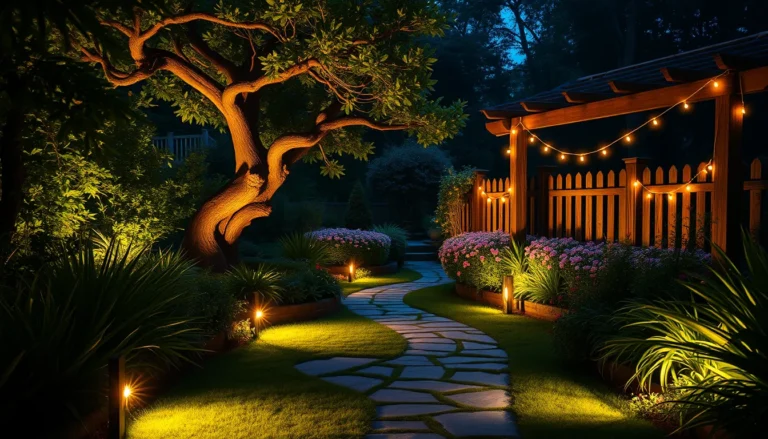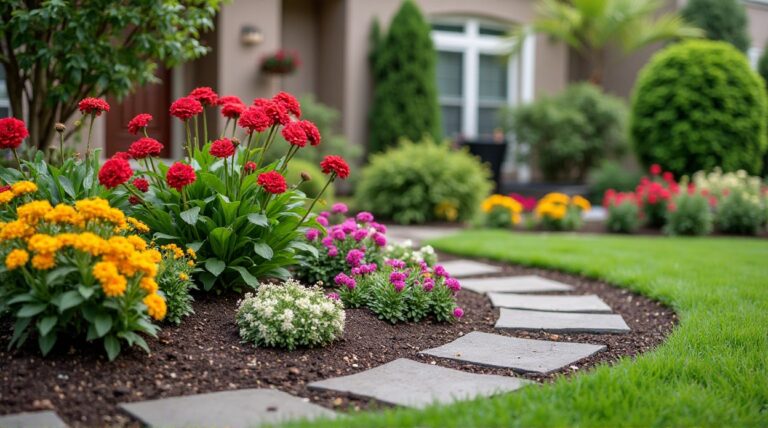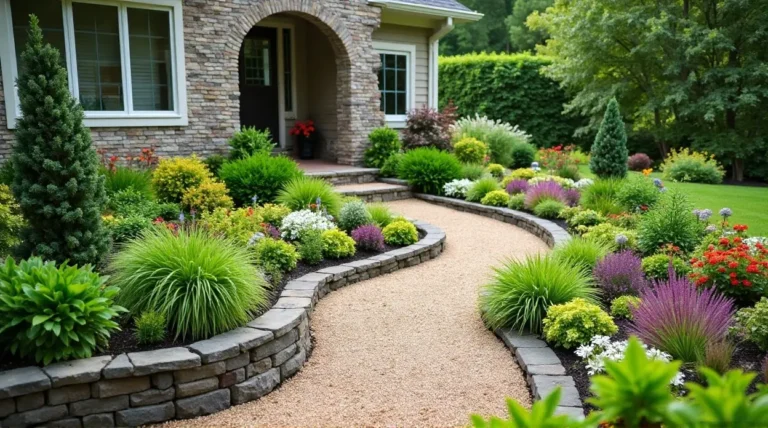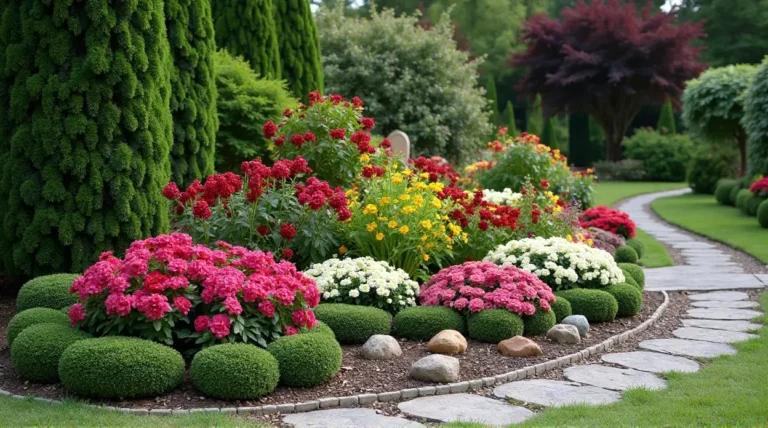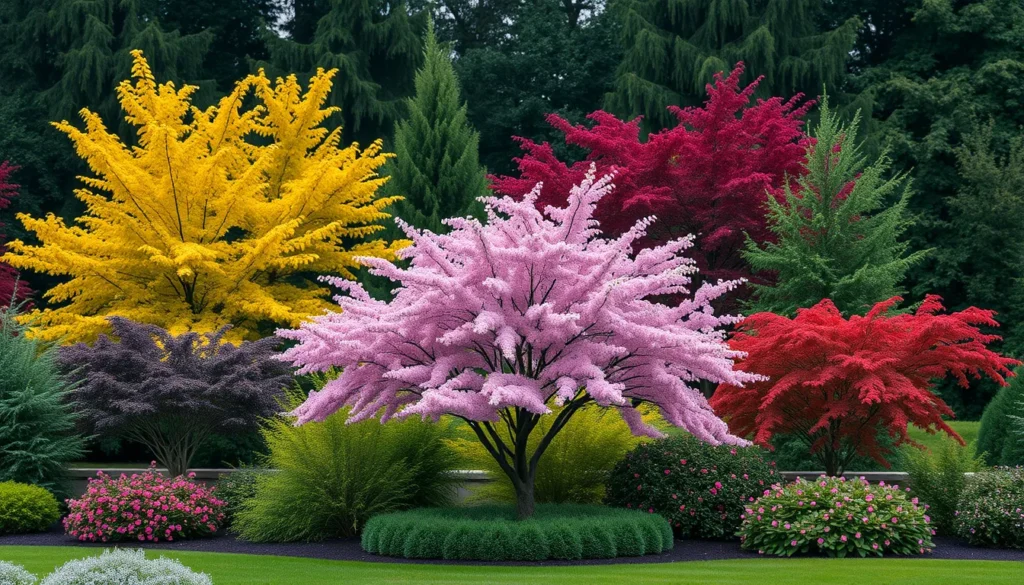
Creating a garden bed that showcases the beauty of trees and shrubs is an art form that involves thoughtful planning and an understanding of landscape design principles. By carefully selecting and arranging these plants, you can create a harmonious space that offers visual interest throughout the seasons. Here’s how to achieve a cohesive and appealing garden bed using trees and shrubs.
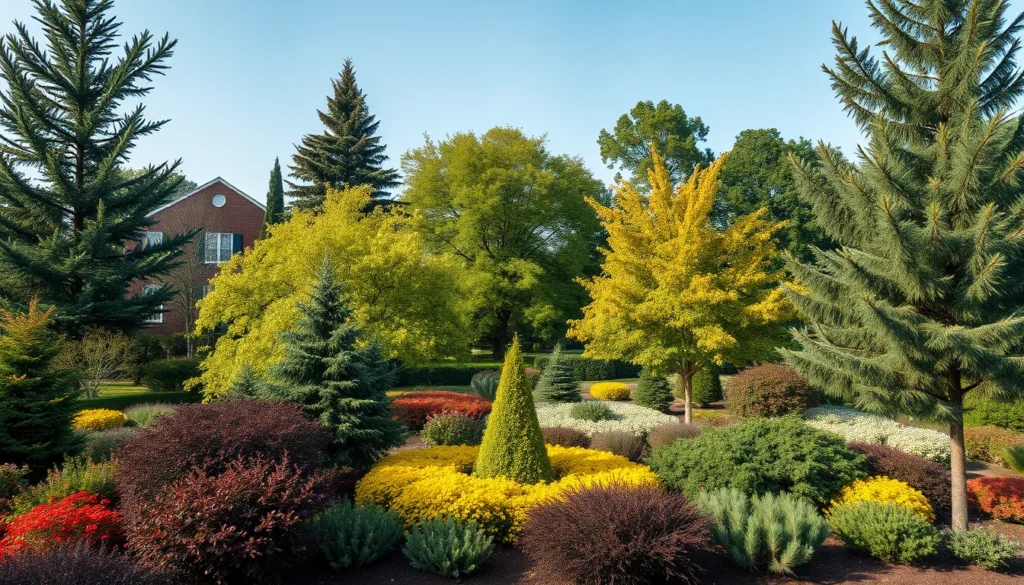
1. Understand Your Space
Site Assessment:
- Sunlight Exposure: Determine the amount of sunlight your garden bed receives daily. Different plants have varying light requirements.
- Soil Quality: Assess the soil type and drainage conditions, as this will influence plant health and growth.
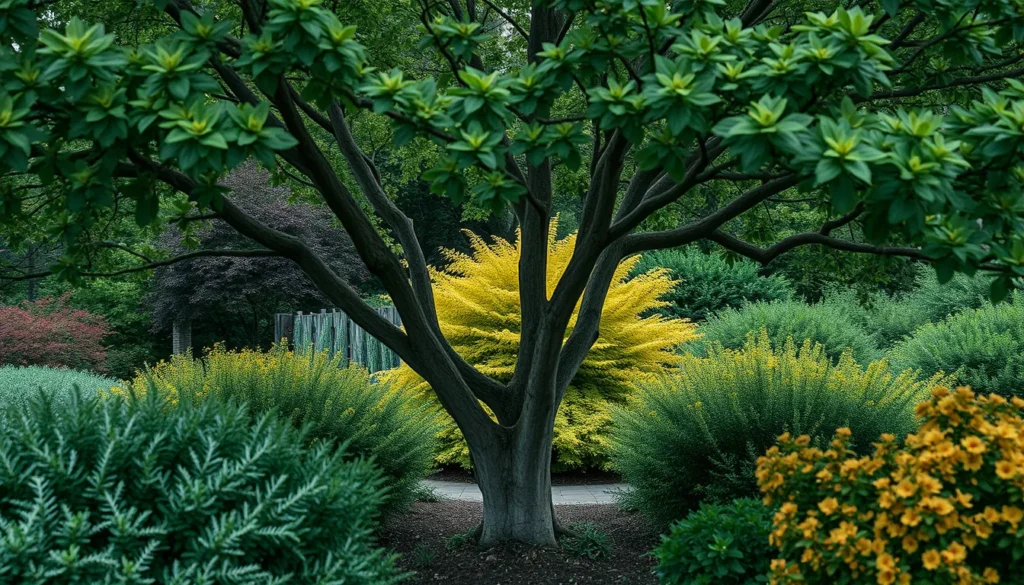
2. Select the Right Plants
Choosing Trees and Shrubs:
- Diversity of Species: Choose a mix of trees and shrubs that complement each other in terms of size, color, and texture. Consider introducing evergreens for year-round interest alongside deciduous options that offer seasonal change.
- Local Adaptations: Opt for native species when possible, as they are often better suited to the local climate, require less maintenance, and support local wildlife.
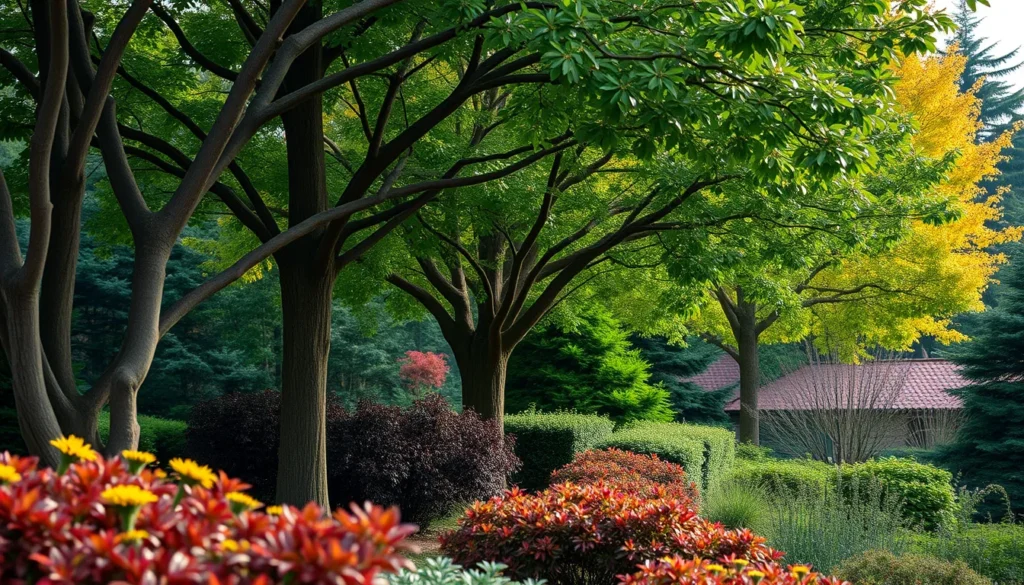
3. Consider Color Palettes
Color Coordination:
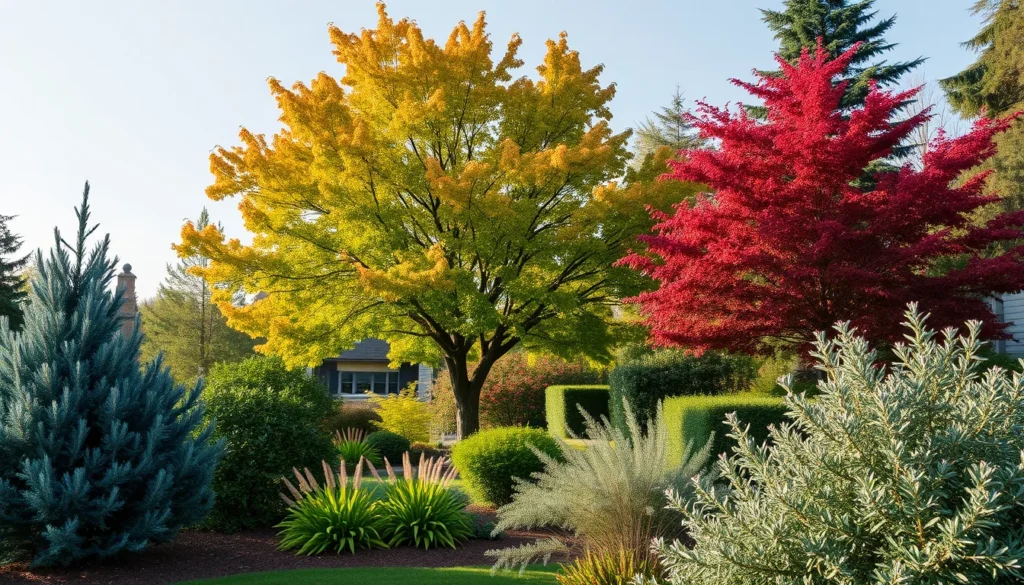
- Harmonious Blend: Select trees and shrubs that offer a complementary color palette. Consider blooming flowers, leaves, and bark color to create a cohesive look.
- Seasonal Interest: Plan for a variety of plants that bloom at different times throughout the year, ensuring color and interest during all seasons.
4. Elevate with Height Variations
Layering Plants:
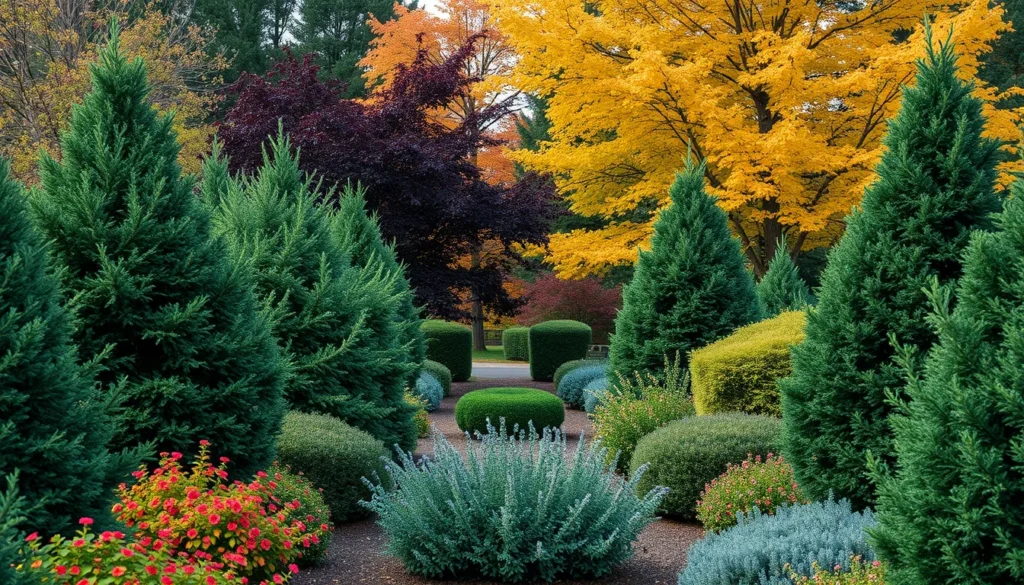
- Height Differences: Arrange taller trees at the back of the garden bed or in the center, if it’s an island bed, to create a structured appearance. Shorter shrubs should be placed in the foreground or around the edges for optimal visibility.
- Focal Points: Use one or two standout trees or shrubs as focal points to draw the eye, ensuring they are surrounded by supporting plants that highlight their features.
5. Create Depth and Texture
Textural Diversity:
- Leaf Shapes and Sizes: Combine plants with varying leaf shapes, sizes, and textures to create visual depth. Use broad-leaved shrubs alongside finely textured trees to enhance interest.
- Ground Cover: Incorporate ground cover plants or low-growing shrubs to fill in gaps and support the overall layout, preventing soil erosion and enhancing the aesthetic appeal.
6. Plan for Seasonal Changes
Year-Round Appeal:
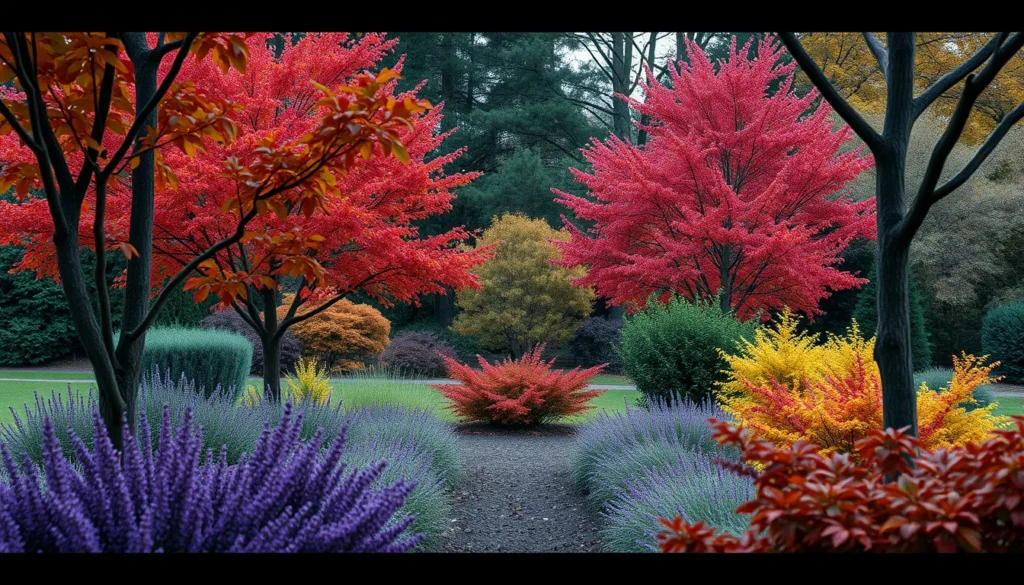
- Deciduous vs. Evergreen: Balance the garden with a mix of deciduous plants, which change with the seasons, and evergreen plants that provide structure and greenery year-round.
- Fall and Winter Interest: Consider the bark texture and remaining foliage of certain trees during the colder months to keep the garden visually appealing even after leaves have fallen.
7. Maintain Cohesion and Flow
Design Unity:
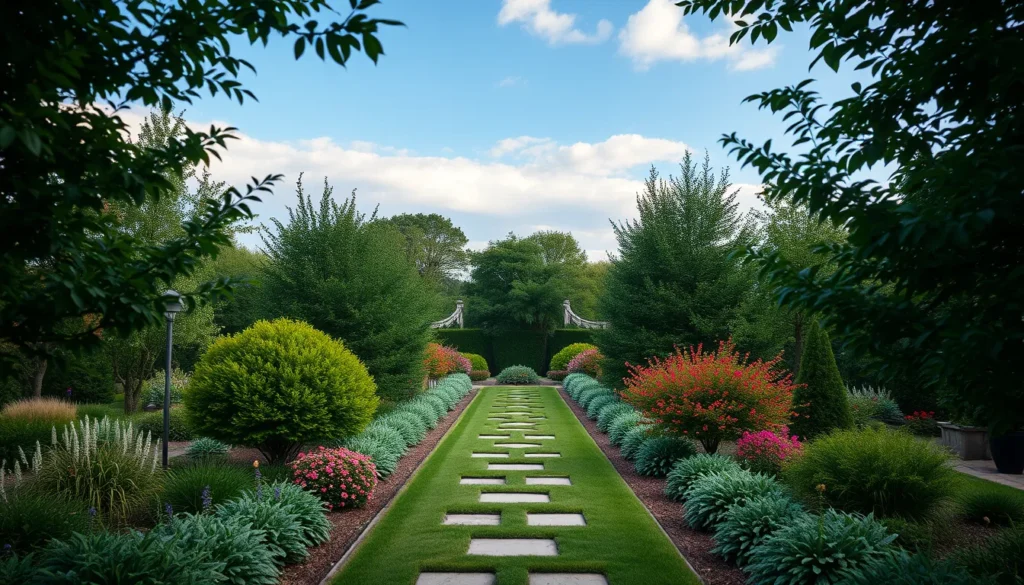
- Consistent Theme: Stick to a specific design theme—whether it’s formal, informal, or naturalistic—to maintain a unified look throughout the garden bed.
- Pathways and Borders: Use pathways or natural borders (like mulch or stone) to define areas within the garden bed, providing flow and easy access to plants for maintenance.
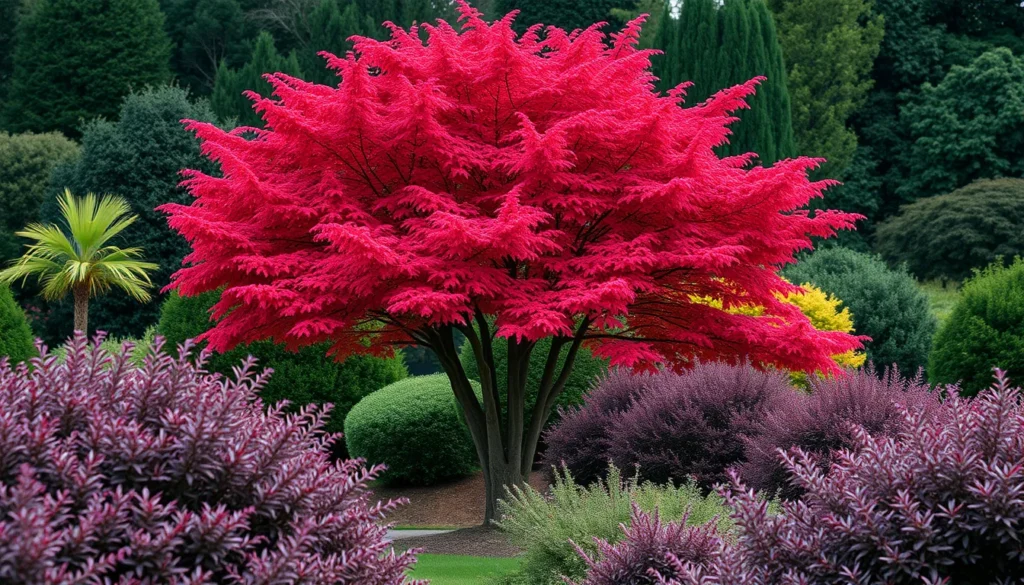
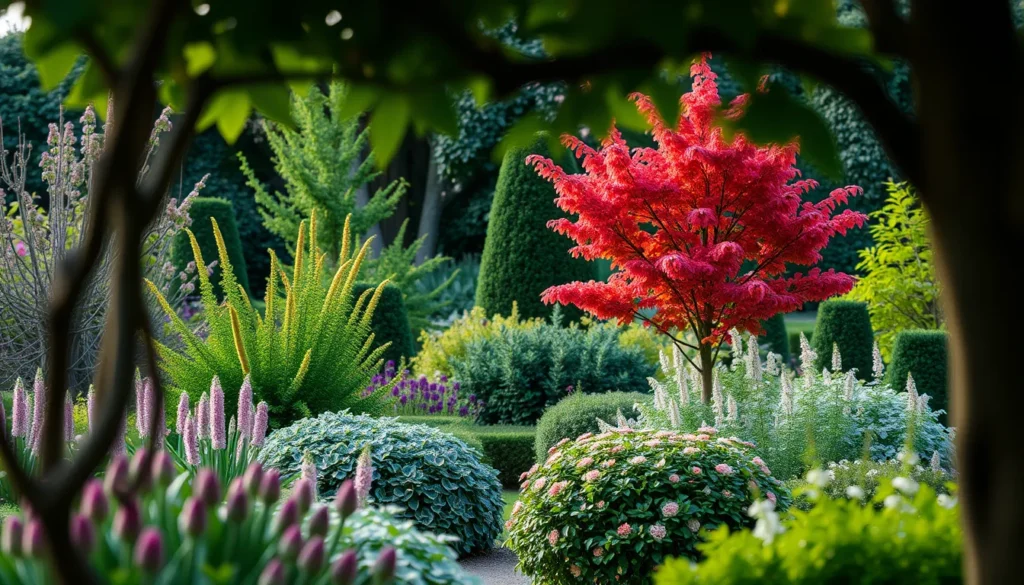
Integrating trees and shrubs into your garden bed requires thoughtful planning and an understanding of design principles. By carefully selecting species, considering height and color, and planning for seasonal interest, you can create a harmonious and visually stunning outdoor space. Embrace the art of landscape design, and transform your garden bed into a flourishing oasis that enchants and delights throughout the year.
About the Author