We have all watched those home renovation shows where a couple tears down every wall in a house, installs a custom indoor waterfall, and magically adds $200,000 to their property value in a 30-minute episode. It makes for fantastic television, but in the real world, it’s a recipe for burning cash in the fireplace.
When you decide to invest your weekends, your sweat, and your hard-earned money into DIY home improvement, you want a guarantee that the effort will actually pay off. The painful truth of real estate is that a lot of very expensive renovations yield a terrible return on investment (ROI). Installing a highly specific, trend-heavy custom tile mosaic might look great on your Instagram feed today, but five years from now, it might be the exact reason a buyer asks for a $10,000 price reduction.
If you want to build genuine equity in your property, you have to think like an appraiser. You need to focus on the timeless, high-impact upgrades that signal quality, durability, and a well-maintained home. In this comprehensive guide, we are cutting through the noise of fleeting interior design trends. We are going to explore eight strategic, expert-level DIY upgrades that you can tackle yourself—projects that appraisers love and future buyers will actively pay a premium for. Let’s roll up our sleeves and get to work.
1. The ROI Reality Check: Not All Renovations Are Created Equal
Before you swing a sledgehammer, you need a reality check on how home valuation actually works. The real estate market doesn’t care about your personal emotional attachment to a neon-pink accent wall. It cares about universal appeal and structural integrity.
1.1. Escaping the Trend Trap
The design industry survives by constantly pushing new trends to make you feel like your current setup is outdated. But chasing trends is a fool’s errand for a DIY renovator focused on ROI. Classic, neutral, and high-quality finishes will always win over highly personalized choices. If a buyer walks into your home and feels like they have to immediately undo your weekend project, your property value just took a hit. You want to create a blank, luxurious canvas that allows a buyer to envision their own life unfolding in the space.
1.2. The Buyer’s Perspective: What Appraisers Actually Look For
Appraisers and buyers are looking for red flags. A minor cosmetic flaw in a house is like a broken dipstick in your daily commuter car—it’s annoying, but you know it’s a cheap, easy fix. But signs of structural neglect? That’s a cracked engine block, and it sends buyers running. Appraisers look for modernized systems, consistent flooring, upgraded millwork, and energy efficiency. They are checking boxes on a highly standardized form. Your DIY projects need to be targeted specifically at checking those same boxes.
2. Tip 1: Elevate Your Curb Appeal (The “First Impression” Premium)
You never get a second chance to make a first impression. If a buyer pulls up to your house and the exterior looks dilapidated, they have already negatively judged the interior before they even turn the doorknob.
2.1. Taming the Swamp: Creating a Clean, Inviting Entrance
Curb appeal isn’t just about planting a few petunias; it’s about accessibility and cleanliness. If the pathway leading up to your front door is a swampy, muddy mess every time it rains, potential buyers will instantly calculate the headache of fixing it. Water pooling near a foundation screams “water damage inside” to a savvy buyer.
2.1.1. Fixing Drainage and Walkways
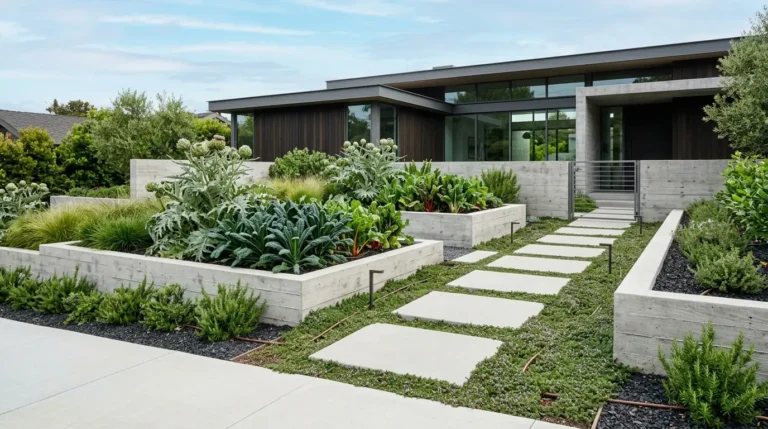
Resolving a swampy entrance area is a fantastic, high-ROI DIY project. By excavating the muddy path, laying down a proper grading fabric, adding a crushed gravel base, and finishing it with permeable pavers or sleek concrete stepping stones, you completely transform the approach. You take a massive negative (a messy, wet walk to the door) and turn it into a high-end, Modern Organic Minimalist architectural feature. A dry, structured, and beautiful walkway tells the buyer, “This home is meticulously cared for.”
3. Tip 2: Energy Efficiency and Insulation Upgrades
This is the invisible upgrade that prints money. In an era where utility costs are skyrocketing globally, energy efficiency is one of the biggest selling points you can boast on a real estate listing.
3.1. Insulating Facades with Foam and Mineral Wool
If you have the DIY chops and are planning to update your exterior siding, tackling the insulation of your house facade first is an absolute game-changer. By layering rigid foam board or high-density mineral wool beneath your exterior finish, you drastically improve the home’s thermal envelope. Mineral wool, in particular, offers the added benefits of being fire-resistant and highly sound-absorbent, making the home feel incredibly quiet and solid from the inside.
3.1.1. The Financial Payoff of Thermal Efficiency
Why does this increase value? Because you aren’t just selling a house; you are selling a lower cost of living. A well-insulated house stays cooler in the summer and warmer in the winter with far less effort from the HVAC system. When an appraiser sees documented proof of upgraded exterior insulation, the home’s valuation increases because its operational costs have plummeted. It is a highly attractive feature for modern buyers who prioritize sustainability and low utility bills.
4. Tip 3: High-Impact Millwork and Molding
If you want your house to feel expensive, look at the trim. Builder-grade homes often feature tiny, two-inch baseboards that look cheap and disproportionate. Upgrading your millwork is one of the most cost-effective DIY projects with the highest visual return.
4.1. Crown Molding and Tall Baseboards
Replacing skimpy floor trim with tall, five-inch or six-inch minimalist baseboards instantly elevates a room. It grounds the space and gives it a custom-built feel. Adding clean, simple crown molding draws the eye upward, tricking the brain into perceiving the ceilings as taller than they actually are. With a miter saw, a brad nailer, and a weekend of patience, you can completely redefine the architectural bones of your living spaces.
4.2. Board and Batten for Architectural Depth
Blank, flat drywall can feel incredibly sterile. Installing a simple board-and-batten wainscoting halfway up a hallway or dining room wall adds instant architectural depth. It introduces shadow lines and texture, turning a boring transitional space into a design feature. Best of all, MDF (medium-density fiberboard) strips are incredibly cheap, meaning your sweat equity accounts for 90% of the value added.
5. Tip 4: Wall Finishes That Wow
Paint is the undisputed king of DIY ROI. However, we aren’t just talking about rolling on a coat of “Agreeable Gray.” We are talking about elevated wall finishes.
5.1. Utilizing Spray-On Plaster Mixtures for a Bespoke Look
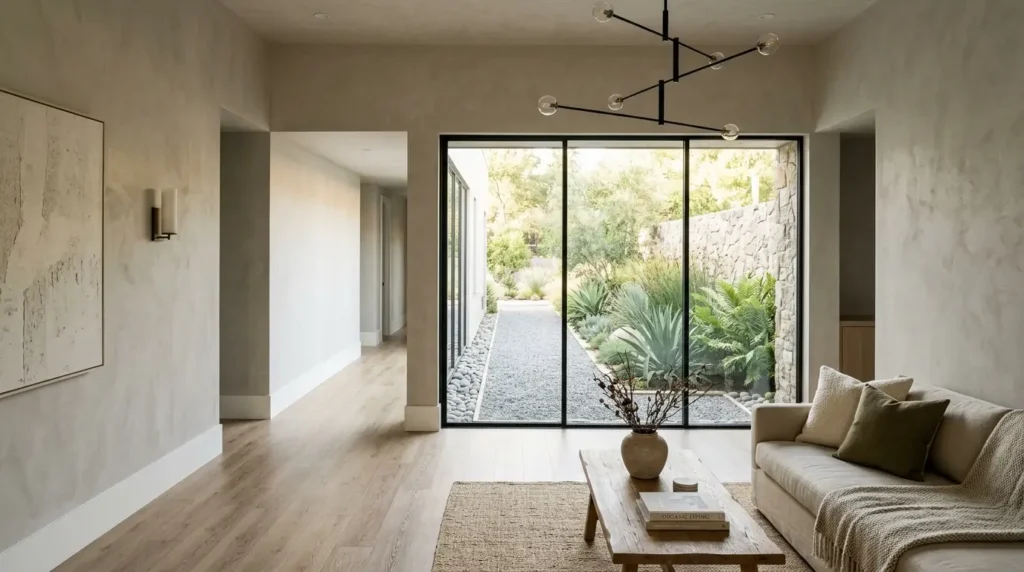
If your walls are damaged, heavily textured from the 1990s, or just feeling flat, consider taking your finish to the next level. Utilizing modern spray-on plaster mixtures or hand-troweled skim coats can create a subtle, organic texture that is highly sought after in the Modern Organic Minimalist aesthetic. Instead of basic drywall, a plaster finish catches the light beautifully, giving the room a sense of old-world masonry combined with modern sleekness. It feels bespoke, artisanal, and incredibly expensive.
5.2. The Psychology of a Fresh Coat of Paint
Never underestimate the power of a freshly painted room. It removes scuffs, neutralizes odors, and brightens the space. Stick to warm whites, soft taupes, and muted earthy tones. You want the home to feel like an upscale gallery space—a blank canvas where buyers can project their own furniture and artwork.
6. Tip 5: Modernizing the Lighting Landscape
Lighting is the jewelry of your home. If your house is still rocking frosted-glass, flush-mount “boob lights” from 2004, your home looks dated, no matter how nice your furniture is.
6.1. Ditching the Builder-Grade “Boob Lights”
Swapping out light fixtures is a remarkably simple DIY task once you learn the basic safety protocols of turning off the breaker and using a voltage tester. Replacing outdated flush mounts with sleek, minimalist semi-flush fixtures or recessed LED lighting modernizes the ceiling line instantly. In the dining room or kitchen island area, a striking, modern chandelier acts as a major focal point and gives the impression of a high-end interior designer’s touch.
6.2. Layering Light for a High-End Ambiance
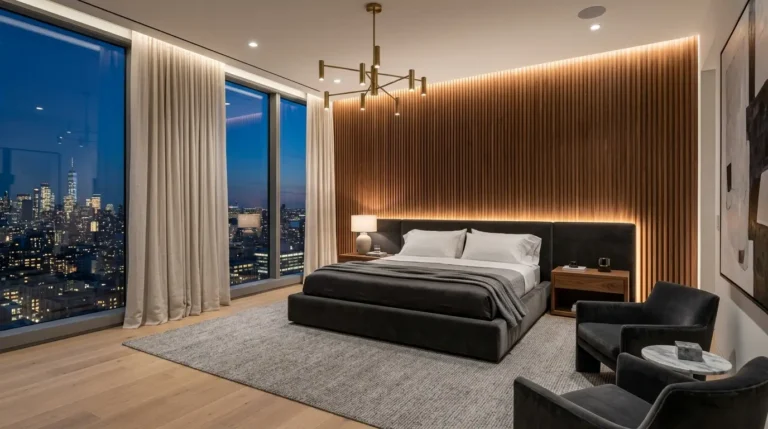
Appraisers and buyers respond to ambiance. By adding dimmer switches to your main living areas, you allow the light to be layered and controlled. A bright, glaring room feels like a cafeteria. A warmly lit, dimmable space feels like a luxury hotel suite. It’s a $20 switch upgrade that changes the entire emotional resonance of the room.
7. Tip 6: Kitchen “Facelifts” Without the Full Gut
The kitchen is the heart of the home, and it is also where the most money is made or lost in real estate. A full, down-to-the-studs kitchen remodel rarely recoups 100% of its cost. The secret is the “facelift.”
7.1. Cabinet Refacing and Upgraded Hardware
If your cabinet boxes are structurally sound, do not rip them out! That is thousands of dollars down the drain. Instead, focus on the exterior. Thoroughly degreasing, sanding, priming, and painting your cabinet doors a crisp, modern color (like a soft white or a moody charcoal) completely transforms the kitchen. Follow that up by drilling new holes and installing oversized, heavy modern hardware—like brushed brass or matte black pulls. The cabinets will look brand new for a fraction of the cost.
7.2. The Power of the Backsplash
A dated tile backsplash is an eyesore. Ripping it out and installing a classic, simple subway tile or a sleek, seamless slab-look porcelain is a weekend DIY project that yields massive returns. Keep the grout lines thin and the colors neutral. A clean, bright backsplash reflects light and makes the entire kitchen feel larger and more sanitary. And speaking of ambiance—when you are showing the house, make sure it smells inviting. The scent of freshly baked goods coming from a bread machine on a clean, modern counter is a classic real estate trick to make a house feel like a home.
8. Tip 7: Bathroom Refreshers That Print Money
Just like the kitchen, bathrooms sell houses. Buyers are terrified of mold, leaks, and grime. They want a bathroom that feels like a spa sanctuary.
8.1. Re-caulking, Regrouting, and Fixture Swaps
You do not need to rip out the tub to add value. Start with the absolute basics: strip out every inch of old, yellowing, or moldy silicone caulk around the tub and sink. Apply a fresh, brilliant white bead of 100% silicone. Use a grout pen or regrout the floor tiles. Suddenly, the bathroom looks ten years younger. Next, swap out the dated chrome faucets and showerheads for modern, high-quality fixtures in brushed nickel or matte black.
8.2. Upgrading the Vanity on a Budget
If the vanity is an ugly, dark oak box from the 1980s, you can easily remove it yourself. Home improvement stores sell gorgeous, pre-assembled modern vanities complete with quartz countertops and undermount sinks for a few hundred dollars. Dropping one of these into your bathroom instantly elevates the space from “builder basic” to “custom boutique.”
9. Tip 8: Flooring Consistency and Resurfacing
Look down. If you are standing in a house that transitions from carpet to linoleum, back to carpet, and then to hardwood, you are standing in a house with disjointed flow.
9.1. Luxury Vinyl Plank (LVP) vs. Hardwood Refinishing
If you are lucky enough to have original hardwood floors hiding under old carpet, renting a floor sander and refinishing them yourself is the single highest-ROI project you can do. Hardwood is king. However, if your floors are a mishmash of dated materials, laying down Luxury Vinyl Plank (LVP) is the modern DIYer’s best friend. LVP is waterproof, incredibly durable, easy to snap together, and mimics the look of high-end white oak flawlessly.
9.2. Eliminating the “Patchwork” Floor Effect
The real value comes from consistency. Running the exact same LVP flooring continuously through the living room, down the hallway, and into the bedrooms makes the home feel significantly larger. It removes visual boundaries, allowing the eye to sweep across the space uninterrupted. A continuous floor plan is a massive green flag for appraisers and buyers alike.
10. Conclusion: Sweaty Equity That Pays Dividends
Renovating a home yourself is an incredibly rewarding journey, provided you are channeling your energy into the right projects. It is easy to get distracted by trendy accent walls and highly personalized decor, but those rarely move the needle on an appraisal report.
If you want to genuinely increase your property value, you have to master the art of the timeless upgrade. Focus on the foundational elements: tame that swampy curb appeal, insulate your facade for ultimate energy efficiency, apply sophisticated wall finishes like spray-on plaster, modernize your lighting, and unify your flooring. These are the DIY projects that signal to a buyer that the home is deeply cared for, structurally sound, and ready for its next chapter. Grab your tools, plan your budget, and start building that sweaty equity. The financial dividends will absolutely be worth the effort.
11. Frequently Asked Questions (FAQs)
Q1: Do I need to pull permits for DIY home upgrades? A: It heavily depends on the project and your local municipality’s building codes. Generally, cosmetic upgrades like painting, replacing baseboards, swapping out a vanity, or laying LVP flooring do not require a permit. However, if you are moving plumbing lines, adding new electrical circuits (rather than just swapping a light fixture), or doing major structural exterior work like altering the roofline, you will almost certainly need a permit. Always check with your local building department, as unpermitted work can severely hinder your ability to sell the house later.
Q2: Should I convert a bathtub into a walk-in shower to increase value? A: This is a delicate balance. A luxurious, glass-enclosed walk-in shower with beautiful tile is highly desirable in a master bathroom and will increase value. However, real estate experts strongly advise that every home must retain at least one bathtub. If you only have one full bathroom in the house and you remove the tub, you will instantly alienate young families with children or buyers who take baths, potentially lowering your home’s marketability.
Q3: How much value does fresh interior paint actually add? A: While it is hard to put an exact dollar figure on it, real estate surveys consistently show that fresh interior paint yields an ROI of over 100%. It is the cheapest DIY project you can do, but it provides the highest emotional impact. A freshly painted house smells clean, looks larger, and feels move-in ready. It removes the “lived-in” grunge of the previous owner, allowing the buyer to visualize their own life in the space.
Q4: Is it worth it to replace old windows myself? A: Replacing windows is a fantastic upgrade for energy efficiency and curb appeal, but it is rarely recommended as a DIY project unless you are highly experienced. Improperly installed windows will leak air and water, leading to catastrophic rot and mold inside your walls. The liability is usually too high for the average homeowner. Focus your DIY energy on insulating the facade or upgrading trim, and leave window installation to certified professionals.
Q5: Will replacing my front door increase my property value? A: Absolutely. Upgrading a dated, flimsy front door to a solid, modern, energy-efficient door (like a sleek fiberglass or solid wood door with minimalist glass panels) has one of the highest ROI percentages in the remodeling industry. It drastically improves curb appeal, increases home security, and improves the thermal envelope of the house. It is the literal focal point of the buyer’s first impression.
About the Author