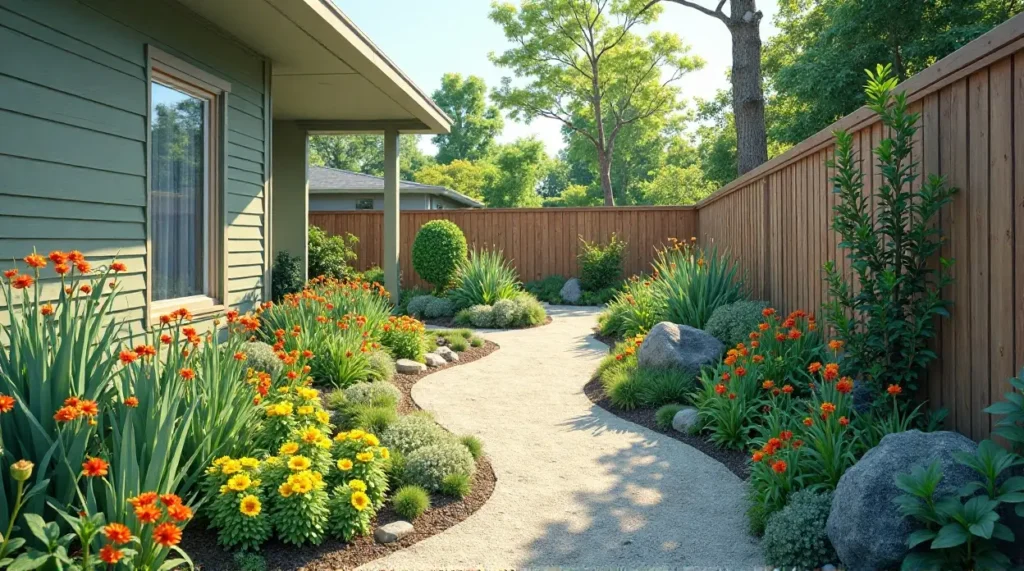
Designing a sustainable landscape in a narrow side yard presents unique challenges and opportunities. By incorporating eco-friendly practices, you can enhance both the aesthetics and environmental health of your outdoor space. Below are some sustainable landscaping ideas that focus on native plant selection, rain gardens, and permeable paving solutions.
1. Native Plant Selection
Choosing native plants is one of the most effective ways to create a sustainable landscape. Native species are adapted to local conditions, require less maintenance, and support local ecosystems.
- Benefits of Native Plants: Native plants typically need less water, fertilizer, and pesticides than non-native varieties. They are more resilient to local pests and diseases, which makes them easier to maintain.
- Select Local Flora: Research and select plants that are native to your region. Examples might include wildflowers, ferns, ornamental grasses, and shrubs that thrive in your climate and soil. Consider plants like coneflowers, black-eyed susans, and dwarf shrubs to add beauty while supporting local wildlife.
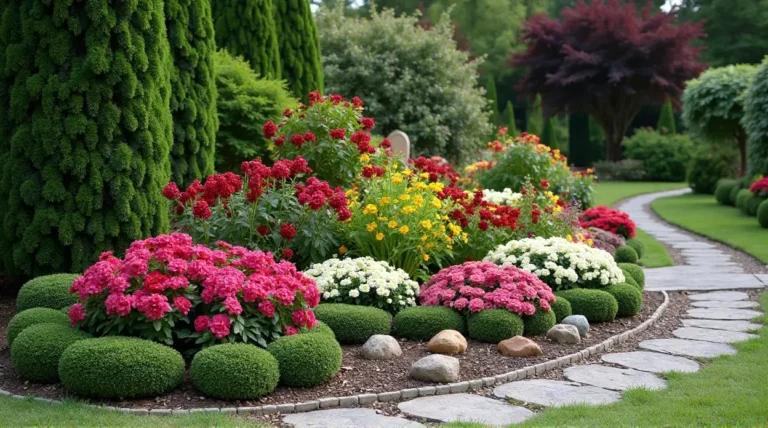
- Biodiversity: Incorporate a mix of plants to promote biodiversity, enhancing the ecosystem within your narrow side yard. Doing so provides food and habitat for pollinators, such as bees, butterflies, and birds.
2. Rain Gardens
A rain garden is a landscaped area designed to collect and manage stormwater runoff. It helps to filter pollutants and recharge groundwater while adding beauty to the landscape.
- Designing a Rain Garden: Identify a spot in your side yard where rainwater collects or flows. Dig a shallow depression and fill it with native plants that thrive in wet conditions, such as swamps or moist meadows. These plants can help absorb excess water and filter it as it permeates into the ground.
- Soils and Mulch: Use organic mulch to retain moisture and suppress weeds. Ensure soil consists of a mixture that promotes drainage while retaining some moisture to support plant health.
- Seasonal Interest: Choose a variety of plants with different blooming times to provide year-round interest. This creates not only a functional feature but also a visually appealing garden that attracts beneficial insects.
3. Permeable Paving Solutions
Permeable pavement allows water to filter through the surface, reducing runoff and promoting groundwater recharge. This is especially valuable in narrow spaces where water tends to accumulate.
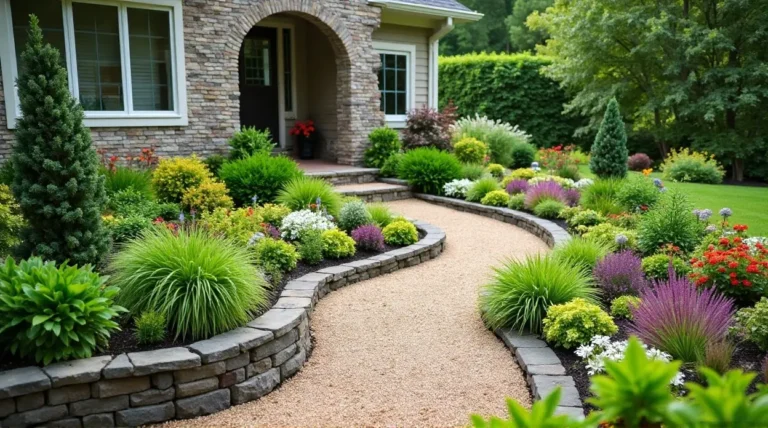
- Types of Permeable Paving: There are various options, including permeable concrete, porous asphalt, and interlocking pavers with gaps for grass or gravel. Each option allows rainwater to filter through, thereby reducing the burden on stormwater systems.
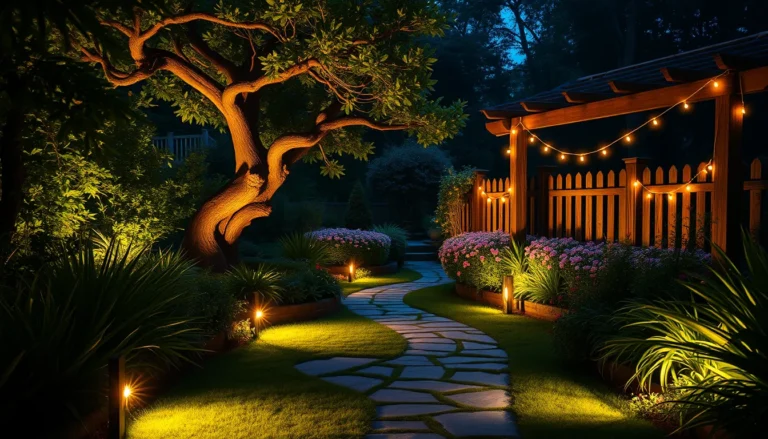
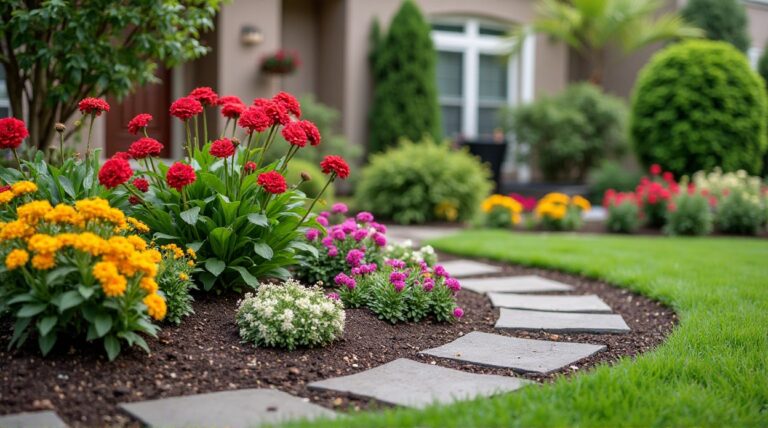
- Pathways and Patios: Consider using permeable materials for walkways and patio areas within your side yard. This not only promotes sustainability but also enhances the overall look of the space. Add in accent plants within the gaps to integrate greenery into your paving solutions.
- Aesthetic Appeal: Permeable paving can come in various shapes and colors, allowing for creative designs. Use patterns or colors that complement your existing home and landscape design while fulfilling ecological goals.
4. Companion Planting and Edible Gardens
Integrating edible plants can enhance sustainability while providing fresh produce.
- Herb Gardens: Consider planting a narrow herb garden along the pathway, utilizing vertical space and incorporating herbs like basil, thyme, and chives. This not only adds lush greenery but also creates an inviting culinary landscape.
- Companion Planting: Plant flowers that attract pollinators alongside vegetable plants. Marigolds, for example, can deter pests while bringing vibrant color to the garden.
5. Water-Efficient Irrigation Techniques
Adopting water-efficient irrigation techniques can further promote sustainability in your side yard.
- Drip Irrigation: Use drip irrigation systems to provide targeted watering directly to the roots of plants while minimizing wastage. This method is especially effective in narrow spaces.
- Rainwater Harvesting: Install rain barrels to collect rainwater from downspouts. This harvested rainwater can be used to irrigate your side yard, reducing reliance on municipal water.
Sustainable landscaping in a narrow side yard is achievable through thoughtful plant selection, innovative garden designs, and eco-friendly materials. By incorporating native plants, rain gardens, permeable paving, and water-efficient irrigation systems, you can create a beautiful, functional, and environmentally friendly outdoor space. A focus on sustainability not only enhances the aesthetics of your side yard but also contributes to the health of the local ecosystem, promoting biodiversity and conservation in your community.
About the Author