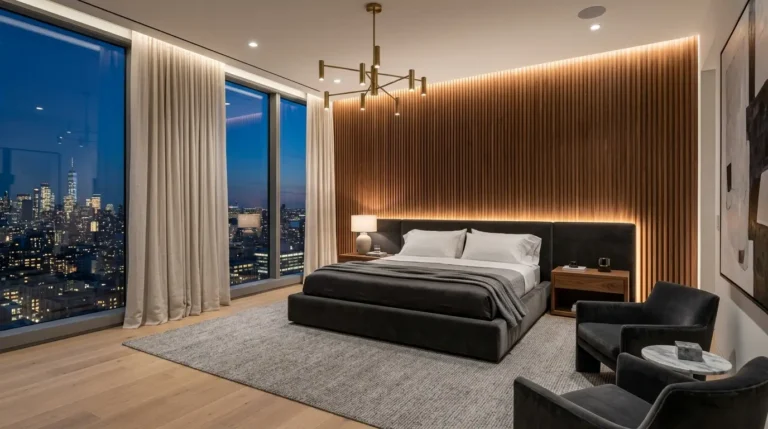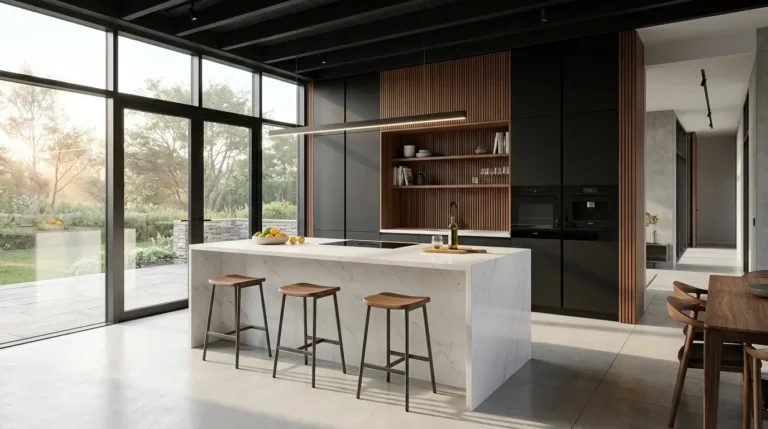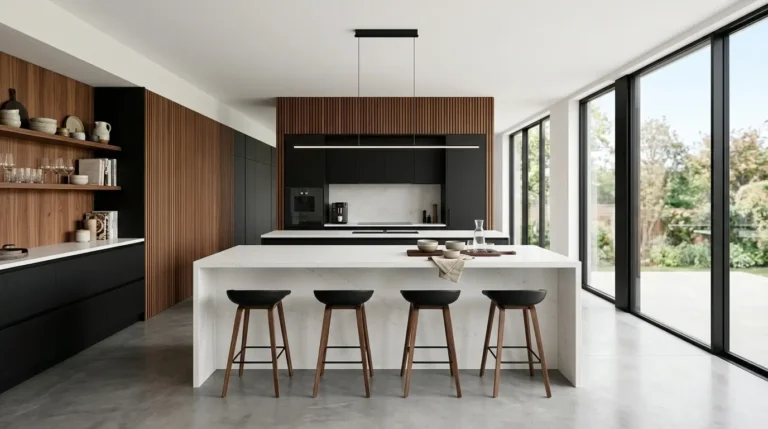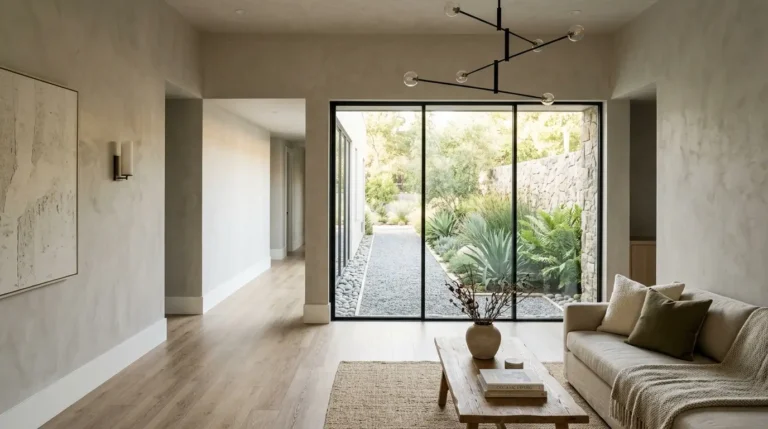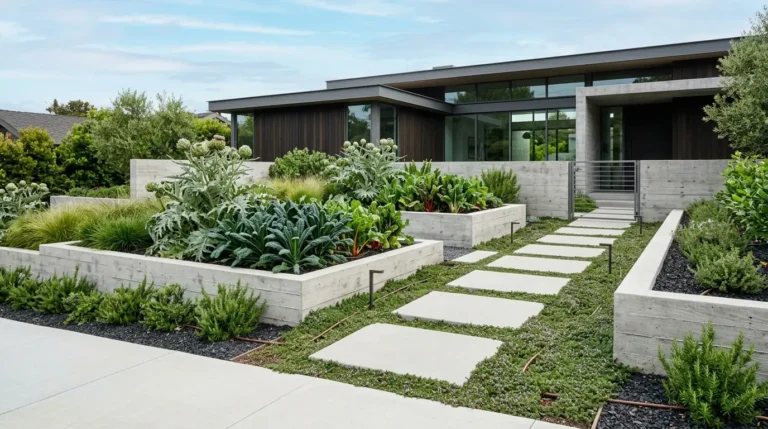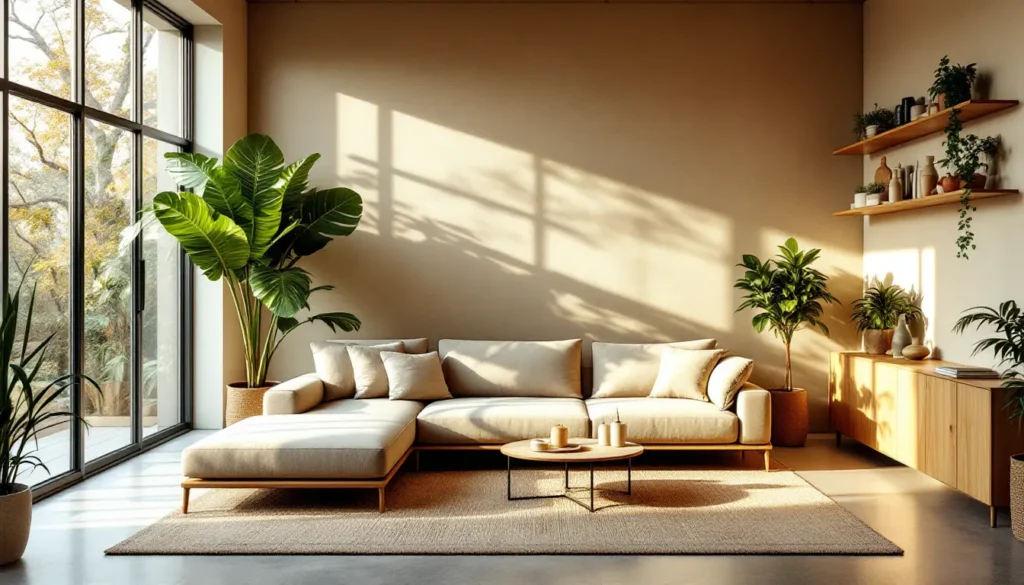
As environmental concerns become increasingly important, the integration of sustainability into interior design is no longer just a trend—it’s a necessity. In 2026, eco-conscious homeowners are prioritizing sustainable materials that reduce environmental impact while creating stylish, functional living spaces. This discussion will delve into the significance of sustainability in interior design and highlight the eco-friendly materials gaining popularity, such as recycled furniture, sustainable textiles, and low-impact design strategies.
The Importance of Sustainability in Interior Design
- Environmental Impact
Interior design has a significant impact on natural resources, energy consumption, and waste generation. By prioritizing sustainable materials and practices, designers and homeowners can reduce their ecological footprint, conserve resources, and contribute to a healthier planet. - Health Benefits
Sustainable materials often promote better indoor air quality by minimizing harmful chemicals and pollutants commonly found in conventional products. Choosing eco-friendly options leads to healthier living environments for families and pets. - Longevity and Value
Sustainable options tend to be durable and well-crafted, which means they can stand the test of time. Investing in eco-friendly materials often results in greater long-term value for homeowners, as they require less maintenance and replacement over time.
Eco-Friendly Materials Gaining Popularity in 2026
- Recycled Furniture
Recycled materials are gaining traction in furniture design. Pieces made from reclaimed wood, metal, or glass not only reduce the need for new raw materials but also add unique character to living spaces. For example, a coffee table crafted from salvaged wood can become a stunning focal point with a story to tell. - Sustainable Textiles
Textiles made from organic cotton, hemp, or bamboo are popular for upholstery, curtains, and cushions. These materials require fewer pesticides and water for cultivation, making them a more environmentally friendly choice. Additionally, innovations in recycled fabrics, such as those made from recycled plastics, are providing stylish options for homeowners looking to minimize their environmental impact. - Low-VOC and Non-Toxic Paints
Paints and finishes that emit low levels of volatile organic compounds (VOCs) are essential for maintaining indoor air quality. These eco-friendly options are available in a wide range of colors and finishes, ensuring that homeowners can make stylish choices without compromising their health or the environment. - Natural Flooring Options
Materials like cork, bamboo, and reclaimed hardwood offer sustainable flooring alternatives. Cork is harvested sustainably from the bark of cork oak trees without harming the trees, while bamboo grows rapidly and can be harvested in a relatively short time. Reclaimed hardwood not only minimizes waste but also brings character and history to a space. - Eco-Friendly Accessories
Home accessories made from sustainable materials, such as upcycled glass vases or handwoven baskets from natural fibers, can add a personal touch to a living room while supporting environmentally friendly practices. These options enhance aesthetics and contribute to a more sustainable lifestyle.
Low-Impact Design Strategies
- Biophilic Design
Incorporating natural elements into the interior environment—such as plants, natural light, and organic shapes—connects residents to the outdoors and enhances well-being. Biophilic design emphasizes harmony with the environment, creating a calming ambiance. - Modular and Adaptable Spaces
Creating flexible living spaces that can be reconfigured according to needs reduces the need for excess furniture and can accommodate different lifestyles. Modular furniture can be adjusted based on family size or activities, minimizing waste and resource consumption. - Energy Efficiency
Incorporating energy-efficient lighting and appliances reduces energy consumption and lowers utility bills. LED lighting, smart thermostats, and energy-efficient windows not only reduce the carbon footprint of a home but also contribute to a comfortable living experience.
Conclusion
Sustainability is shifting from a niche consideration to a fundamental aspect of modern interior design. By embracing eco-friendly materials and low-impact design strategies, homeowners in 2026 can create beautiful, functional living rooms that prioritize the health of the planet and its inhabitants. The choice of recycled furniture, sustainable textiles, and energy-efficient solutions reflects a commitment to environmental consciousness without sacrificing style or comfort. As we move toward a more sustainable future, these materials and strategies will play a pivotal role in transforming our homes into eco-friendly sanctuaries.
About the Author