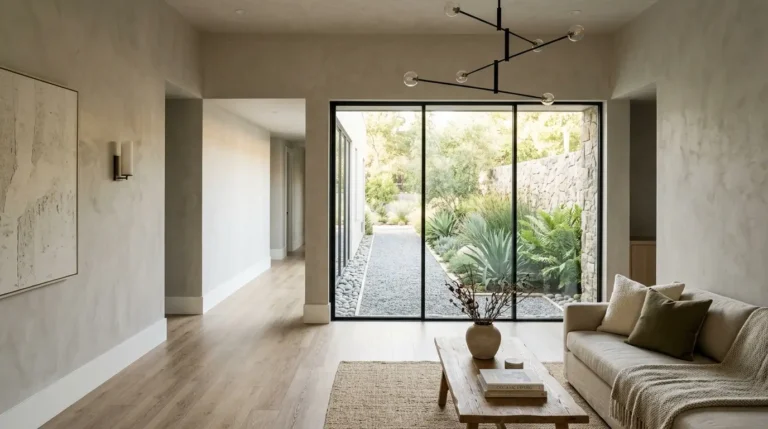
In the world of interior design, maximalism and minimalism represent two distinct philosophies that focus on contrasting approaches to aesthetics, functionality, and personal expression. While maximalism embraces bold colors, eclectic patterns, and the layering of decor, minimalism champions simplicity, clean lines, and a pared-back approach to furnishings. Yet, in contemporary living rooms, these opposing styles can coexist harmoniously, creating a curated yet uncluttered space that reflects personal style without overwhelming the senses. This guide explores strategies for blending maximalism and minimalism to achieve a balanced design.
Understanding Maximalism and Minimalism
- Maximalism
Maximalism thrives on abundance—vibrant colors, intricate patterns, and a mix of textures and decorative elements. It encourages self-expression through the use of art, collectibles, and diverse influences. The key tenets of maximalism include:- Layering: Combining various decor items such as throw pillows, rugs, and wall art to create a rich visual tapestry.
- Diversity: Emphasizing diverse influences, from vintage to modern, and mixing styles to reflect the inhabitant’s personality.
- Bold Statements: Utilizing oversized furniture or accent pieces to serve as focal points in the room.
- Minimalism
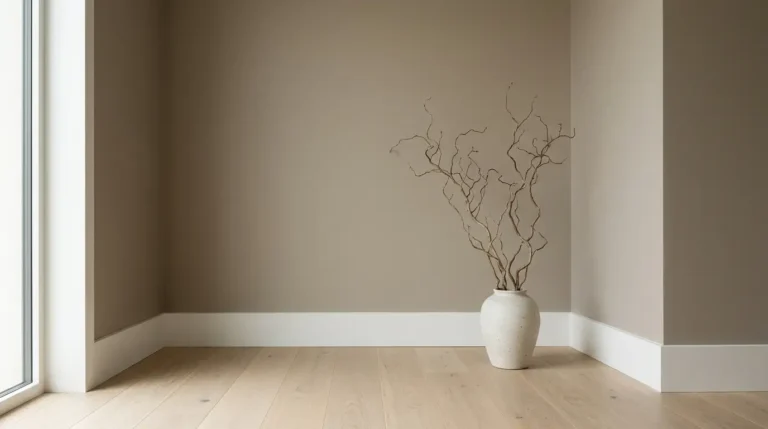
Minimalism, on the other hand, focuses on the idea of “less is more.” It promotes a clean and uncluttered environment, emphasizing functionality and simplicity. Core concepts of minimalism include:- Neutral Palettes: Featuring a limited color scheme of whites, grays, and earth tones to establish a calming atmosphere.
- Functional Furniture: Prioritizing quality over quantity, with multipurpose furniture that minimizes clutter.
- Straightforward Design: Using clean lines and open spaces to evoke tranquility and clarity in the environment.
Strategies for Achieving Balance
- Curated Collections
To balance maximalism and minimalism, select a few standout pieces that you love and curate your collection thoughtfully. For example, choose a vibrant art piece or a statement couch as a focal point, and then surround it with minimalist decor items. This approach allows bold elements to shine without overwhelming the space. - Layering with Care
Implement layering techniques typical of maximalism while keeping the overall look polished. Incorporate a few patterned pillows or a textured rug on a neutral sofa, ensuring these elements complement rather than compete with each other. This curated layering adds depth and interest without creating visual chaos. - Accent Colors and Textures
Use maximalism’s love for color strategically. Select a vibrant accent color that resonates with your personal style and integrate it through small accessories like vases, throws, or artwork. Pair these bolder colors and textures with a calming minimalist backdrop to achieve a harmonious balance. - Defined Zones
Create distinct zones within the living room to incorporate both styles. For example, designate a reading nook with minimalist furniture and calming decor alongside a lively entertainment area adorned with maximalist artwork and decor. This spatial division allows each philosophy to exist in its own realm while still connecting them through cohesive design elements. - Mindful Decor Choices
Choose decor items that represent cherished memories or experiences, as this personal connection aligns well with both philosophies. Whether it’s a beloved collection of travel souvenirs displayed in a minimalist cabinet or a bold gallery wall showcasing family portraits, incorporating pieces with meaning adds a cohesive narrative to the space. - Maintain Functionality
Ensure that every item in the living room serves a purpose. Minimalism emphasizes functionality, and by being selective about what to include, maximalist choices can feel intentional rather than cluttered. Choose stylish storage solutions to manage items while allowing for expressive decor to remain visible.
Conclusion
Maximalism and minimalism may appear to be polar opposites in design philosophy; however, they can coexist beautifully in modern living rooms, creating a vibrant yet harmonious space. By understanding the core concepts of each style and employing thoughtful strategies, homeowners can reflect their personal style while maintaining a curated and uncluttered environment. Striking this balance allows for creativity and self-expression, ensuring that the living room serves as both a comfortable sanctuary and a stunning focal point in the home. Ultimately, the fusion of these two philosophies invites a rich design narrative that celebrates individuality and tranquility.
About the Author