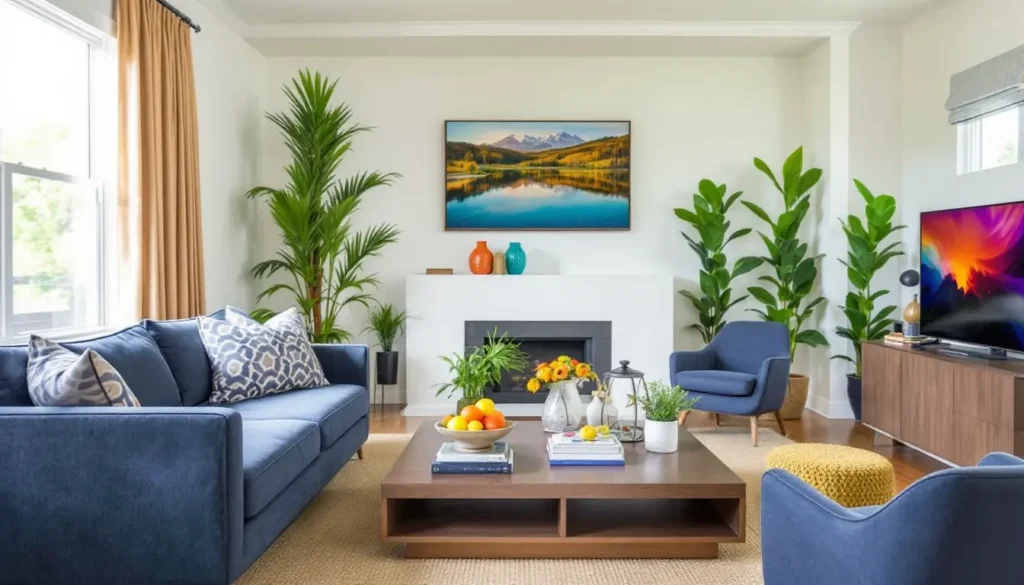
As remote work and flexible lifestyles become increasingly prevalent, the demand for versatile living spaces has never been greater. Living rooms, often the heart of the home, can serve multiple purposes beyond just relaxation and entertainment. Innovative design solutions can transform these areas into multifunctional spaces that seamlessly transition from a cozy living area to an efficient home office or a lively entertainment hub. Here are some tips and ideas for creating adaptable living rooms tailored to modern living needs.
Key Innovations for Multifunctional Living Rooms
- Flexible Furniture
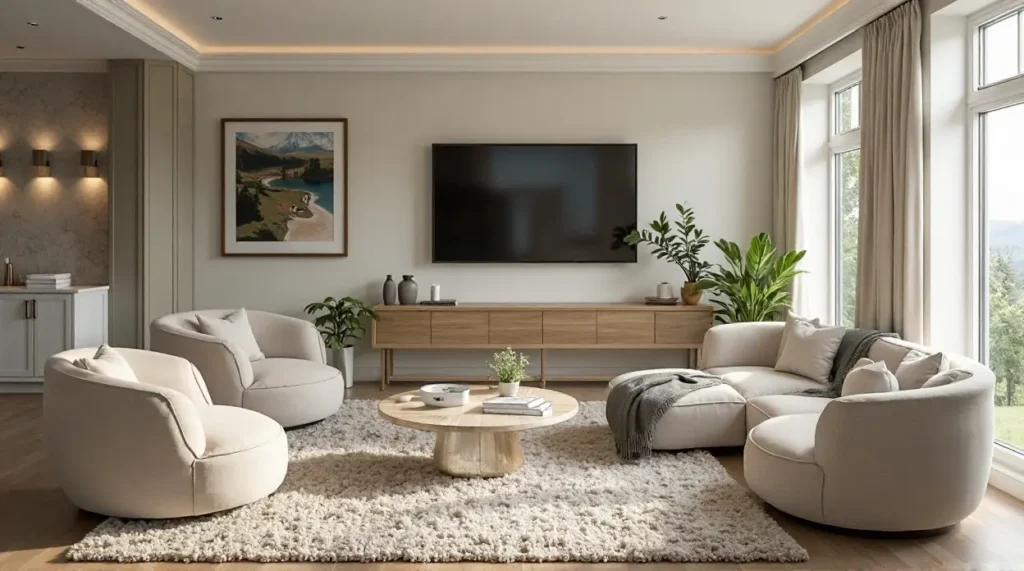
Invest in furniture that can be easily rearranged or adapted for different functions. Pieces like modular sofas can be configured in various ways to accommodate social gatherings or be split into smaller sections for a more intimate setting. Nested tables or ottomans that can be stored when not in use also maximize space while offering flexibility for different activities. - Convertible Desks
With the rise of remote work, a convertible desk can be a game-changer. Look for wall-mounted desks that can fold down when in use and be tucked away when not needed, or invest in a stylish writing desk that doubles as a console table. This allows homeowners to create a productive workspace without sacrificing style or space. - Room Dividers
Using room dividers is an effective way to create distinct zones within a living room. Options include bookcases, folding screens, or curtains that can be opened or closed depending on the desired function. This not only provides visual separation but also delineates areas for work, relaxation, or entertainment. - Multi-Purpose Storage Solutions
Incorporate storage solutions that serve multiple purposes. Coffee tables with built-in storage or benches that double as seating and storage keep the space organized while providing functionality. This ensures that essential items remain easily accessible without cluttering the visual landscape. - Smart Technology Integration
Smart technology can enhance the versatility of a living room. Items like smart speakers, wireless chargers, and integrated lighting controls allow for a seamless transition between work and leisure. For example, adjustable smart lighting can create a focused atmosphere for work or a warm ambiance for movie nights. - Zoning with Color and Decor
Use color and decor to visually define different zones within the living room. A color palette or patterned area rug can effectively separate the workspace from the relaxation area. Additionally, wall art and decorative elements can be curated to create inspiring aesthetics that cater to the room’s various functions. - Flexibility with Accessories
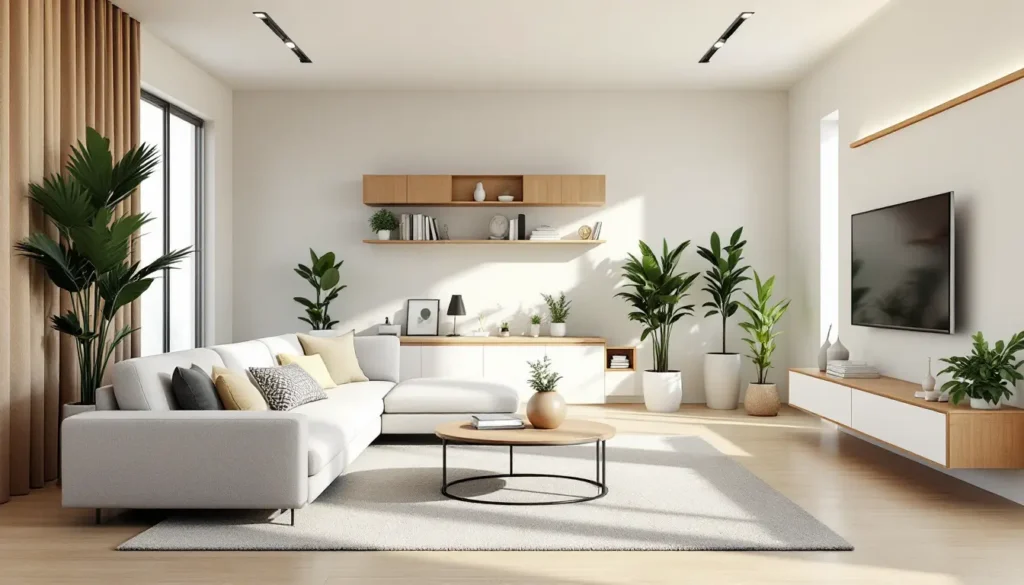
Incorporate removable accessories that can easily change based on the desired use of the space. For example, using lightweight throws and decorative pillows can transform a structured seating area into a more relaxed setting when entertaining guests. Similarly, adding a few plants can enhance the overall atmosphere, making it feel vibrant and inviting.
Tips for Transitioning Spaces
- Establish a Clear Design Plan
Map out the layout and design for each function before implementing changes. Understanding how the living room will be used at different times will guide furniture selection and placement. - Encourage Clutter-Free Living
To maintain a clean and functional space, embrace minimalism in decor—opt for a few statement pieces rather than numerous small items. Regularly evaluate belongings to keep only what serves a purpose or brings joy. - Prioritize Comfort
Ensure that the living room remains a comfortable retreat, regardless of its function. Choose ergonomic furniture options and soft furnishings that invite relaxation, while also supporting productivity when working.
Conclusion
Designing living rooms for versatility allows homeowners to adapt to the increasing demands of modern life without compromising on style or comfort. By incorporating flexible furniture, convertible workspaces, smart technology, and effective zoning techniques, the living room can transform into a multifunctional area that meets the needs of any household. With thoughtful design solutions, these spaces can seamlessly accommodate work, relaxation, and entertainment, creating an adaptable environment that enhances the quality of life for its inhabitants. As we continue to embrace flexible lifestyles, the importance of multifunctional living spaces will remain a significant focus in modern interior design.
About the Author