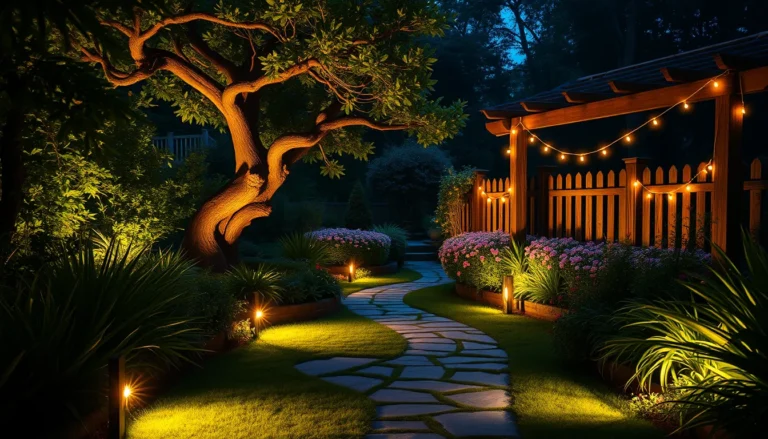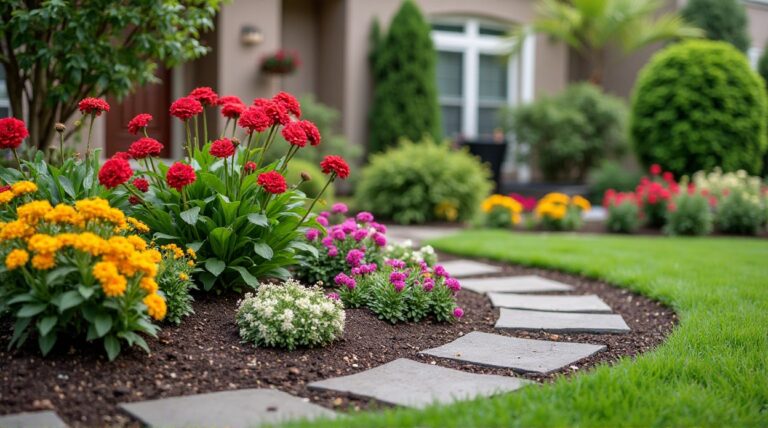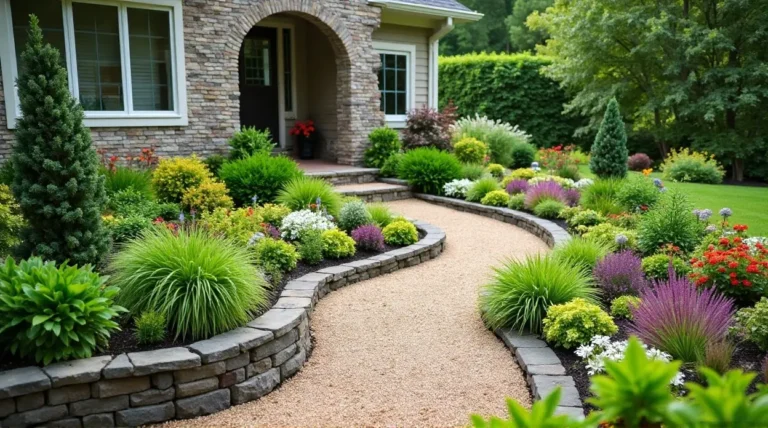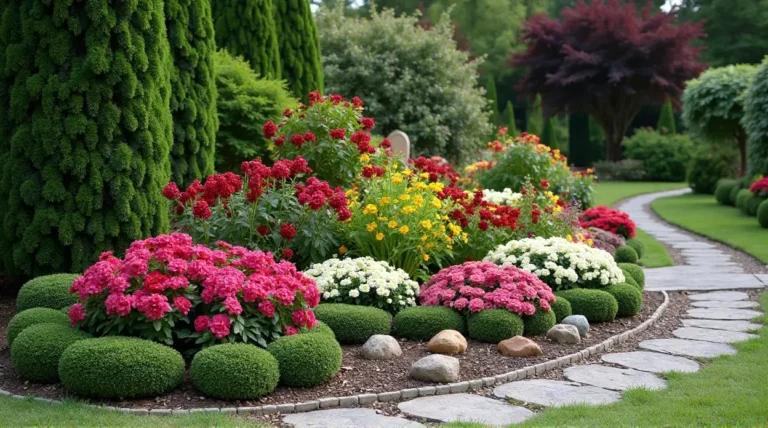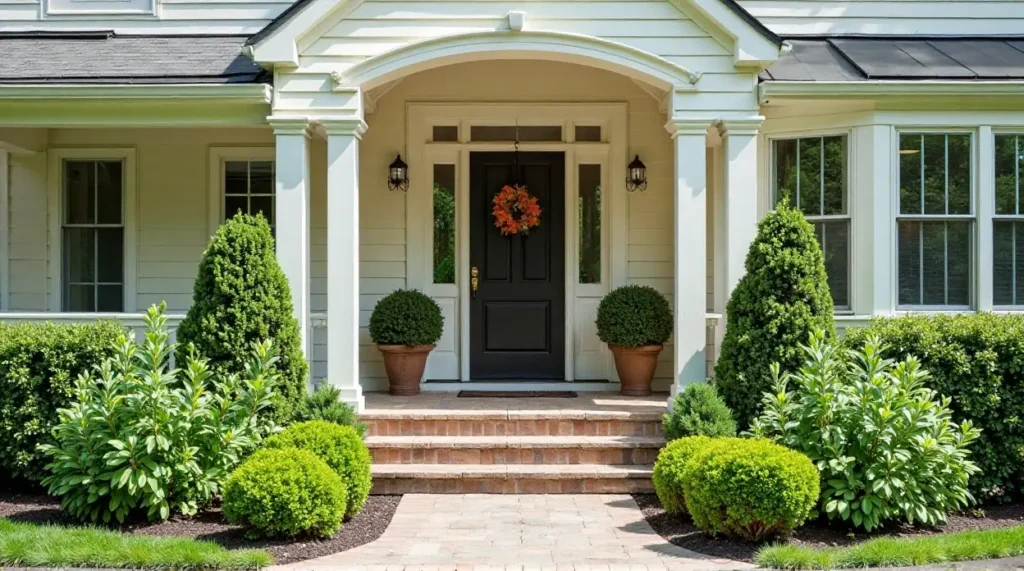
A well-designed front entrance sets the tone for the entire home. Symmetry is a powerful design principle that conveys order, formality, and welcoming balance. When applied thoughtfully to garden beds that frame a front door, symmetry can enhance curb appeal, guide the eye, and create a sense of arrival. This article explores the principles of symmetry in landscaping and offers practical tips for creating balanced garden beds that complement architectural styles, scale to different property sizes, and remain manageable over time.
Principles of Symmetry in Landscaping
- Formal vs. Informal Symmetry
- Formal symmetry relies on mirror-image plantings and hardscape elements across a central axis. It works well for traditional and classical homes, creating a dignified, structured appearance.
- Informal symmetry maintains balance without exact mirroring. Plant masses, colors, and heights are arranged to feel even without duplication. This approach suits more relaxed architectural styles while preserving a harmonious look.
- Axis and Focal Point
- Establish a clear central axis—often the walkway or the front door—and design around it. The door is typically the primary focal point; symmetrical beds should enhance and lead toward it rather than compete with it.
- Scale and Proportion
- Use plants and hardscape elements whose sizes relate to the house. Small cottages require lower plantings and delicate forms; larger homes demand taller shrubs, specimen plants, or small trees to achieve visual balance.
- Repetition and Rhythm
- Repeating plant shapes, colors, and textures on both sides unifies the design. Rhythm can be created with evenly spaced plant groups, matched containers, or repeating hardscape materials.
- Hierarchy
- Arrange plants in layers: a backdrop (taller shrubs or compact trees), mid-height elements (flowering perennials or ornamental grasses), and a foreground (groundcovers, low edging). Mirror these layers on each side to reinforce symmetry.
Design Tips for Balanced Garden Beds
- Start with a Sketch
- Measure the entry width and sketch the central axis. Note existing elements to keep (steps, lighting, railings). Sketch mirror-image planting zones and hardscape features before buying materials.
- Choose Anchor Elements
- Use anchors to ground each side: identical planters, topiaries, small trees, or sculptural shrubs. Anchors provide immediate symmetry and scale. Examples: boxwood standards in pots, crape myrtle trained as a single-stem specimen, or identical columnar evergreens.
- Balance Heights and Masses
- Ensure the tallest element on one side has an equivalent on the other. If you place a 6-foot shrub near the door on one side, mirror it with an equal-sized plant or a pair of shorter plants whose combined height and mass match.
- Mirror but Don’t Match Exactly (when desired)
- For a softer look, mirror form and color family without exact species duplication. For instance, pair a hydrangea on one side with a viburnum of similar size and bloom color on the other to avoid a too-staged appearance while maintaining balance.
- Layer for Depth
- Back row: structural shrubs or small trees to frame the doorway.
- Middle row: flowering shrubs, perennials, or grasses that offer seasonal interest.
- Front row: low groundcovers or edging plants to define the bed edge and transition to lawn or walkway.
- Consider Seasonal Interest
- Design for four-season impact: evergreen structure in winter, bulbs and early perennials in spring, peak blooms in summer, and foliage or berries in fall. Pair plants with staggered bloom times for continuous appeal.
- Use Repetition of Color and Texture
- Repeat two to three colors and two textures across both beds to create cohesion. Too many contrasting elements dilute the sense of symmetry.
- Frame the Door with Path and Lighting
- Symmetric pathways, a pair of lanterns, or matching steps reinforce the composition. Place lighting on either side of the walkway or flanking the door to enhance the symmetry at night.
- Account for Sightlines
- View the design from the street and from nearby sidewalks; the garden beds should read as balanced from multiple vantage points. Avoid elements that look unbalanced from common viewing angles.
- Scale Down When Needed
- For small stoops or narrow entries, use repetition of small containers or low-growing plants rather than large shrubs. Multiple identical pots or twin boxwoods can provide a strong, symmetric statement without overwhelming the space.
Plant Selection Ideas by Function
- Structural/Anchor Plants
- Boxwood (Buxus): versatile evergreen for hedging or topiary.
- Dwarf Alberta spruce: columnar evergreen that reads as a vertical anchor.
- Standard (lollipop) plants in containers: bay laurel, holly, or clipped yew.
- Mid-Height Interest
- Hydrangea: large blooms for midsummer impact.
- Viburnum: spring flowers and attractive fruit for fall.
- Roses: repeatable form and color for classic styling.
- Low-Growing and Edging
- Lavender: fragrant, low mounded form.
- Heuchera: attractive foliage color for contrast.
- Sedum and other groundcovers: define edge and reduce weeds.
- Seasonal Color and Accents
- Tulips and daffodils for spring punctuation.
- Perennial salvias and coneflowers for summer color.
- Ornamental grasses for height and fall texture.
Hardscape and Container Considerations
- Matching Containers
- Pairing identical pots on either side of the door is an easy way to create symmetry. Select containers proportionate to the scale of the entry and plant them with matching or complementary species.
- Edging and Borders
- Symmetric edging materials—brick, stone, or metal—help define bed lines and reinforce formal balance.
- Steps and Railings
- If steps or railings flank the door, use plants that soften them equally on both sides. Avoid letting one side overpower the other with larger plant material.
- Decorative Elements
- Symmetric placement of benches, statues, or urns enhances the formal feel. Keep such ornaments minimal to avoid clutter.
Practical Considerations and Maintenance
- Plant Growth and Pruning
- Account for mature sizes to prevent future imbalance. Prune appropriately and at matching intervals on both sides to retain symmetry.
- Soil and Drainage
- Ensure both beds have similar soil fertility and drainage. Disparities can cause one side to outperform the other, undermining the balanced look.
- Watering and Irrigation
- Install mirrored irrigation zones or drip systems to provide equal moisture. Uneven watering causes uneven growth.
- Pest and Disease Management
- Monitor both sides and treat consistently to prevent asymmetric dieback or discoloration.
- Seasonal Refresh
- Replace or rotate annuals in containers on both sides together for simultaneous color resets. Keep records of planting plans to replicate changes easily.
Adaptations for Different Styles
- Traditional/Colonial
- Embrace strict mirror symmetry with matching hedges, urns, and clipped topiary. Use a restrained palette and strong axial lines.
- Cottage/Farmhouse
- Use informal symmetry: balanced massing and repeated plant families without exact matching. Mix perennials and shrubs for a softer edge.
- Modern/Contemporary
- Use clean lines, minimal plant palettes, and architectural plants in identical planters. Symmetry can be simplified to paired elements and negative space.
Symmetry in front entrance garden beds creates a sense of order, welcome, and architectural cohesion. Whether you opt for strict mirror-image plantings or a gentler, informal balance, the key is to establish a clear axis, choose anchors that reflect the home’s scale, and repeat elements to unify the design. With thoughtful plant selection, attention to maintenance, and careful proportioning, balanced garden beds will frame your front door beautifully and elevate your home’s curb appeal year-round.
About the Author