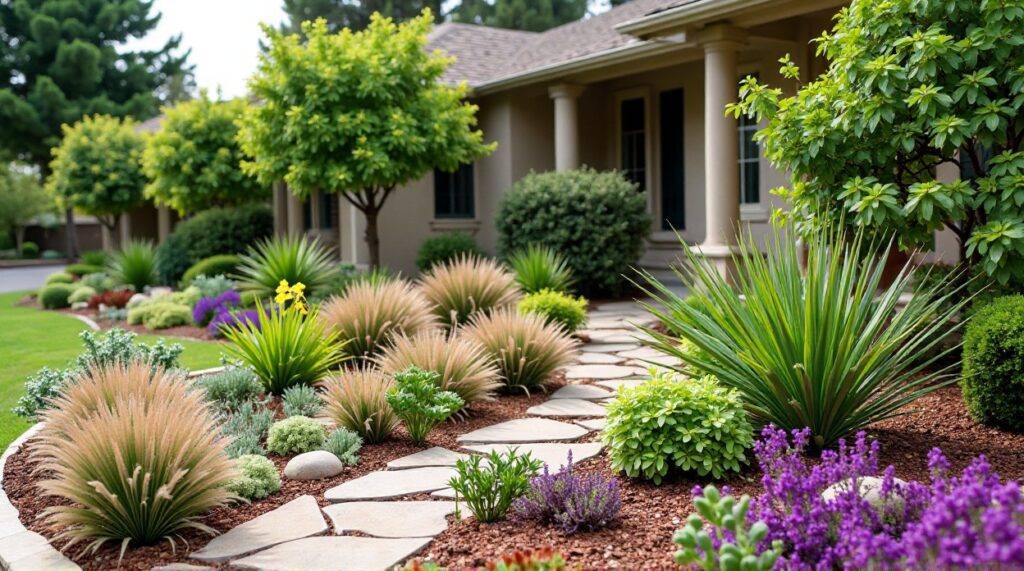
A front garden is the first impression of a home. For busy homeowners, the desire for curb appeal often collides with limited time and energy for upkeep. Low-maintenance front garden beds offer a practical solution: attractive, resilient landscapes that require minimal care while delivering year-round interest. This article outlines design principles, plant selections—especially drought-resistant options—and smart landscaping techniques to create striking, low-effort front gardens.
Design Principles for Low-Maintenance Front Garden Beds
- Plan for structure first
- Begin with a clear layout emphasizing form and repetition. Hardscape elements and evergreen shrubs provide the bone structure that keeps a garden readable and tidy even in dormant seasons.
- Use symmetry or balanced asymmetry to simplify planting decisions and create cohesive visual impact.
- Layer for interest and reduced maintenance
- Employ planting layers: canopy (small tree or large shrub), mid-layer shrubs, and groundcover or low perennials. Layering reduces the need for constant replanting and helps suppress weeds.
- Choose plants with complementary textures, colors, and seasonal interest to keep the bed engaging without constant change.
- Embrace native and climate-adapted choices
- Native plants are generally better adapted to local soil, pests, and climate, reducing the need for watering, fertilizers, and pest control.
- Drought-tolerant selections lower irrigation demands and are ideal in regions with water restrictions.
- Use repetition and massing
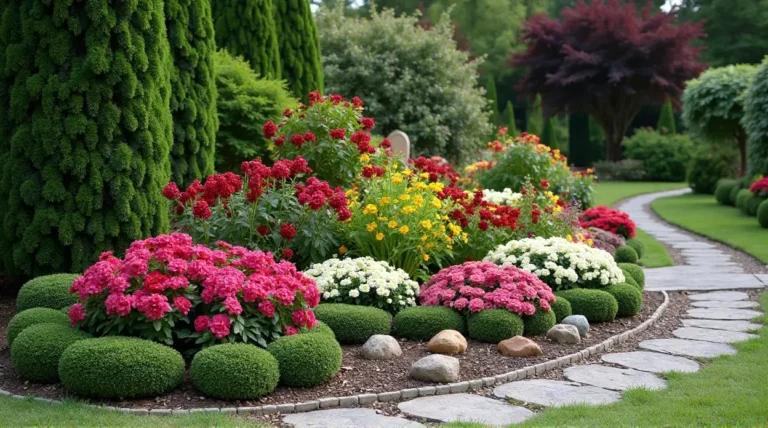
- Repeating a few plant species or color schemes creates a unified look and cuts down on plant variety to manage.
- Massing 3–7 of the same plant creates rhythm and makes maintenance tasks like pruning simpler.
- Plan for mature size
- Plant with mature dimensions in mind to avoid constant pruning or overcrowding. Allow sufficient spacing to reduce future work.
Drought-Resistant Plants for Front Garden Beds
Below are categories with examples suited to many low-water landscapes. Always check hardiness zones and local conditions before planting.
- Evergreen shrubs (year-round structure)
- Boxwood (Buxus spp.) — classic, formal, slow-growing; tolerant of pruning.
- Dwarf yaupon holly (Ilex vomitoria ‘Nana’) — compact, heat tolerant, evergreen.
- Lavender (Lavandula spp.) — also ornamental and fragrant; requires good drainage.
- Ornamental grasses and grass-like plants
- Blue fescue (Festuca glauca) — clumping, low water, fine texture.
- Feather reed grass (Calamagrostis acutiflora) — vertical interest, low maintenance.
- Liriope/mondo grass (Liriope muscari, Ophiopogon japonicus) — excellent as edging groundcover.
- Perennials and drought-tolerant flowering plants
- Salvia (Salvia spp.) — long blooming, pollinator-friendly, very drought tolerant.
- Echinacea (Echinacea purpurea) — hardy, summer-blooming, minimal care.
- Sedum (Sedum spp.) — succulent, great for hot, dry spots; many groundcover types.
- Russian sage (Perovskia atriplicifolia) — airy, long bloom season, drought-resistant.
- Succulents and Mediterranean plants
- Agave and yucca — dramatic form, very low water, good for focal points.
- Rosemary (Rosmarinus officinalis) — fragrant, evergreen, multiuse in landscape and kitchen.
- Olive trees or dwarf olives in warmer climates for architectural interest.
- Groundcovers and low-maintenance fillers
- Creeping thyme (Thymus serpyllum) — fragrant, tolerates foot traffic, drought tolerant.
- Ajuga (Ajuga reptans) — fast-growing groundcover, best in partial shade.
- Native grasses or low sedges for texture and erosion control.
Smart Landscaping Techniques
- Mulch for moisture retention and weed suppression
- Apply 2 to 3 inches of organic mulch (bark, wood chips) or inorganic options (gravel in dry gardens) to conserve soil moisture, stabilize temperature, and reduce weeds.
- Keep mulch a few inches away from plant stems and tree trunks to avoid rot.
- Efficient irrigation strategies
- Install a drip irrigation system with pressure-compensating emitters to deliver water directly to root zones and minimize waste from evaporation and runoff.
- Use a smart timer or controller that adjusts schedules based on weather, season, and soil moisture.
- Group plants with similar water needs together to avoid over- or under-watering.
- Soil improvement for long-term health
- Test soil and amend as needed to ensure good drainage—especially crucial for drought-tolerant plants that dislike wet feet.
- Incorporate organic matter at planting to improve structure and nutrient retention while minimizing future fertilizer needs.
- Hardscape integration
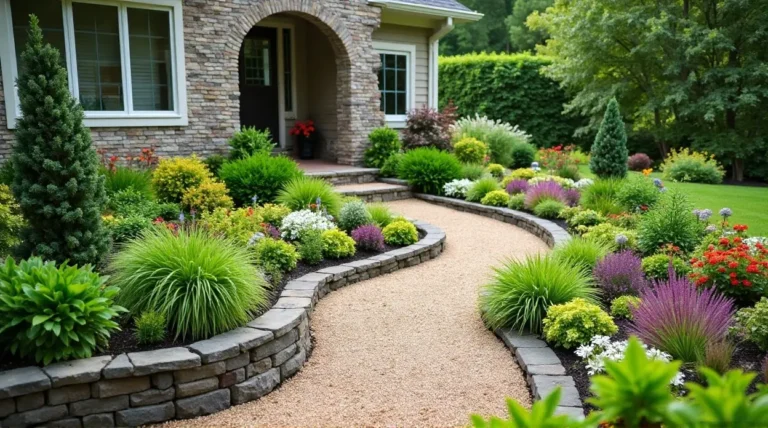
- Use gravel beds, decomposed granite paths, low walls, and paving to reduce planted areas and create clean lines. Hardscape elements lower maintenance and provide visual anchors.
- Retaining walls and terraces can reduce erosion, simplify planting on slopes, and compartmentalize maintenance zones.
- Low-maintenance edging and weed barriers
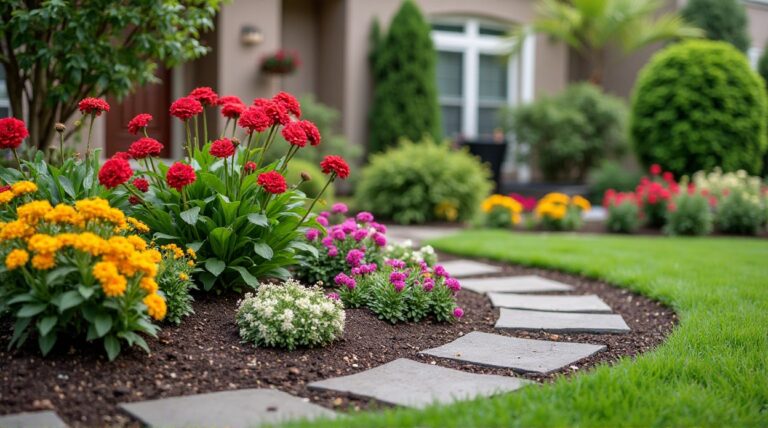
- Install durable edging materials to prevent grass creep and simplify mowing.
- Landscape fabric can help control weeds under inorganic mulches, but avoid overuse near planting holes where it can reduce soil health.
- Seasonally timed pruning and cleanup
- Minimal annual pruning for shape and removal of dead material keeps plants healthy and attractive. Plan one or two maintenance sessions per year rather than frequent interventions.
- Leave some seedheads and winter structure for wildlife and interest; prune in late winter or early spring as needed.
- Use of container plantings
- Containers concentrate soil and reduce weeding. Use them to frame entryways or soften hard surfaces. Choose drought-tolerant species and group pots with similar watering needs.
Curb Appeal Ideas That Don’t Require Constant Work
- Monochromatic or two-tone palettes
- Limiting color schemes simplifies plant selection and creates a sophisticated look without frequent changes.
- Gravel gardens and rock beds
- Combine drought-tolerant perennials, succulents, and ornamental grasses with decorative gravel for a modern, low-water aesthetic.
- Native meadow or prairie strips
- Replace part of the lawn with a native grass and wildflower mix that requires little mowing and provides seasonal color.
- Structural focal points
- Use a single specimen tree, sculptural agave, or architectural boulder as a low-maintenance focal point that draws the eye and reduces the need for many plants.
Maintenance Checklist for Busy Homeowners
- Monthly
- Inspect irrigation and adjust schedules seasonally.
- Remove obvious weeds and check for pests or disease.
- Quarterly
- Replace or top-up mulch as needed.
- Prune dead or damaged branches; deadhead spent flowers if desired to encourage tidier appearance.
- Annually
- Deep inspection of soil and amendments if necessary.
- Refresh plant groups that are past their prime and evaluate spacing and health.
Low-maintenance front garden beds are a realistic and attractive option for homeowners with limited time. By prioritizing structure, selecting drought-resistant and climate-adapted plants, and applying smart landscaping techniques—efficient irrigation, mulch, purposeful hardscaping—you can achieve strong curb appeal with minimal ongoing effort. Thoughtful planning upfront results in a garden that looks cared-for and vibrant year-round while fitting a busy lifestyle.
About the Author