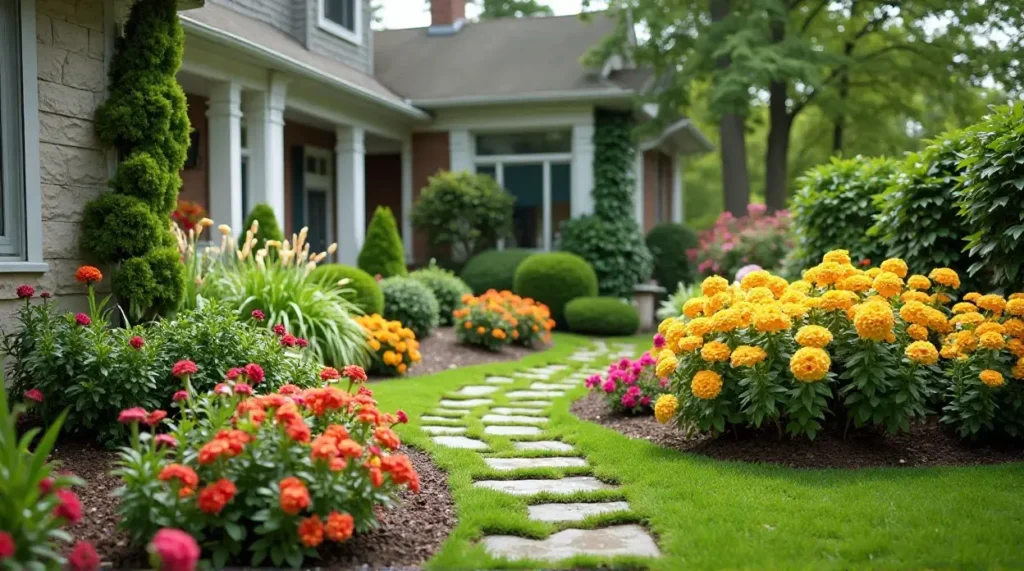
A well-designed front garden bed sets the tone for a home, offering curb appeal and a welcoming atmosphere. To keep that first impression fresh throughout the year, plan beds for continuous interest rather than a single peak season. This article outlines how to choose plants that bloom in different seasons, create effective seasonal rotations, and select complementary pairings to maintain a vibrant front-of-house garden year-round.
Principles of Year-Round Design
- Layering and structure: Combine evergreen shrubs, deciduous shrubs, perennials, annuals, and bulbs to provide a backbone of form and color. Structural plants provide winter interest and a framework for seasonal highlights.
- Succession and repetition: Use repeated plantings and color themes to guide the eye. Establish succession planting so as one group fades, the next emerges.
- Seasonal focus with harmony: Design with seasons in mind, but keep a consistent palette or texture theme so changes feel cohesive rather than disjointed.
- Right plant, right place: Account for light levels, soil type, drainage, and microclimate at the front of the house. Plants under a porch eave, in reflected heat near a driveway, or in a shaded north-facing bed all have different needs.
Plants by Season: Building a Continuous Display
Spring — Fresh beginnings and bold color Spring is a great time for dramatic color after winter. Focus on bulbs, early perennials, and flowering shrubs.
- Bulbs: Tulips, daffodils, hyacinths, crocus, and muscari establish bright, reliable spring color. Plant in drifts for impact.
- Early perennials and groundcovers: Pulmonaria, bergenia, primula, bleeding heart (Dicentra spectabilis), and Ajuga provide early foliage and flowers.
- Shrubs: Forsythia, lilac, early rhododendron and camellia (depending on climate) give structure and seasonal excitement.
- Annuals: Cool-season annuals like pansies and violas extend color during early transitional weeks.
Summer — Peak bloom and textural variety Summer is when perennials, roses, and many shrubs reach their full expression.
- Perennials: Coneflowers (Echinacea), daylilies, salvia, coreopsis, and catmint are reliable and long-blooming.
- Shrubs and small trees: Hydrangea, roses, althea (rose of Sharon), and spireas offer recurring summer interest.
- Annuals: Warm-season annuals such as petunias, calibrachoa, begonias, and marigolds fill gaps and create season-long color.
- Foliage plants: Hostas, ornamental grasses (Miscanthus, Pennisetum), and Heuchera add texture and maintain interest even when blooms fade.
Autumn — Warm tones and late-season structure Autumn brings seedheads, berries, and foliage color that can be as compelling as spring and summer blooms.
- Perennials with late interest: Asters, sedum (Autumn Joy), Rudbeckia, and ornamental grasses keep the bed lively.
- Shrubs and trees: Viburnum with berries, dogwood with fall foliage, and burning bush (Euonymus alatus) provide color and fruit for wildlife.
- Bulbs for fall: Plant spring bulbs in fall; also consider crocus for late-autumn blooms in mild climates.
Winter — Form, evergreen, and architectural interest Winter design relies on structure, evergreen color, bark, and winter flowers.
- Evergreens: Boxwood, yew, holly, and dwarf conifers retain green color and structure.
- Winter-flowering shrubs: Witch hazel, winter jasmine, and Mahonia add scented blooms in colder months.
- Bark and stems: Coral bark maple, dogwood with colored stems, and ornamental grasses that retain seedheads provide silhouettes against snow.
- Containers and hardscape: Use containers with evergreens and seasonal accents, or add a focal urn or sculpture to carry interest when plants are dormant.
Seasonal Rotations and Practical Tips
- Plan a succession calendar: Map bloom times for chosen plants and stagger plantings so there is overlap. Aim for at least two or three species in flower at any given time.
- Use bulbs for low-maintenance spring impact: Bulbs can naturalize beneath shrubs and will return each year, reducing spring workload.
- Replace with annuals strategically: Annuals are effective for seasonal bursts and can be changed each year to refresh color schemes without altering perennials.
- Maintenance windows: Schedule pruning, division, and planting to match plants’ natural cycles. For example, divide and replant perennials after bloom or in early fall when roots can establish.
- Soil and fertility: Improve soil with organic matter and ensure proper drainage. Provide balanced feeding tailored to plant groups, but avoid heavy late-season fertilization that can delay dormancy.
- Winter protection: Apply mulch to protect roots, and consider wrapping young or tender shrubs. Choose cold-hardy varieties for your USDA hardiness zone.
- Pest and disease management: Rotate plant families when using annuals to reduce disease pressure, and choose disease-resistant cultivars of popular shrubs and perennials.
Effective Plant Pairings
Pairings should consider bloom time, color harmony, texture contrast, and height. Below are reliable pairings for front-of-house beds.
Spring pairings
- Tulips + Muscari + Daffodils: Layer heights and forms for continuous color. Add low groundcovers like phlox subulata for carpeted color.
- Forsythia + Pulmonaria + Bergenia: Early shrub blooms with contrasting foliage and ground-level flowers.
Summer pairings
- Coneflower (Echinacea) + Russian sage + Salvia: Long bloom periods and pollinator attraction with contrasting foliage and airy textures.
- Hydrangea + Hostas + Astilbe: Shade-tolerant, lush foliage, and different bloom shapes for mixed beds.
Autumn pairings
- Sedum (Autumn Joy) + Aster + Ornamental grasses: Succulent foliage and late bloom with airy grasses that catch light.
- Viburnum (fruiting) + Rudbeckia + Heuchera: Fruit and foliage color balanced by daisy-like autumn flowers.
Winter pairings
- Boxwood + Witch hazel + Heuchera (winter foliage cultivars): Evergreen structure with winter blooms and colorful foliage accents.
- Dwarf conifer + Dogwood (colorful stems) + Evergreen groundcover: Architectural shapes, stem color, and year-round coverage.
Color and Texture Strategies
- Use a seasonal palette: Restrict to two to four core colors per season to maintain visual cohesion. For example, spring pastels shift to bold summer hues, then warm autumn tones, and muted winter accents.
- Mix textures: Combine fine-textured plants like ornamental grass and Salvia with bold leaved plants such as hostas and hydrangeas to create depth.
- Scale and proportion: Place taller plants toward the back or center (for circular beds), medium shrubs midline, and low plants at edges. Maintain balance with the architecture of the house.
Practical Layouts for Common Front-Bed Scenarios
Narrow strip along walkway
- Use low, repeated perennials and bulbs for continuous sightlines. Boxwood or dwarf yew provide evergreen structure. Pansies and annuals add seasonal pops.
Foundation bed
- Place evergreen shrubs for year-round structure, mid-height flowering shrubs for seasonal peaks, and understory perennials and bulbs for spring and summer color.
Corner or focal beds
- Use a small ornamental tree or large shrub as a focal point, surround with layered perennials and seasonal annuals that complement the focal plant.
Final Considerations
- Plant with patience: A year-round display often takes two to three seasons to fully mature. Start with strong structural elements and add seasonal layers over time.
- Keep it sustainable: Favor native plants where appropriate for pollinators and local ecology. Reduce water and fertilizer needs with drought-tolerant selections and mulching.
- Adapt to microclimates: The front of a house can have variable light and temperature conditions; choose plants proven for those micro-environments.
Designing for seasonal splendor is about orchestrating layers of interest rather than relying on a single spectacular bloom. With careful plant selection, thoughtful pairings, and timely rotations, your front garden bed can remain vibrant and welcoming all year long.
About the Author