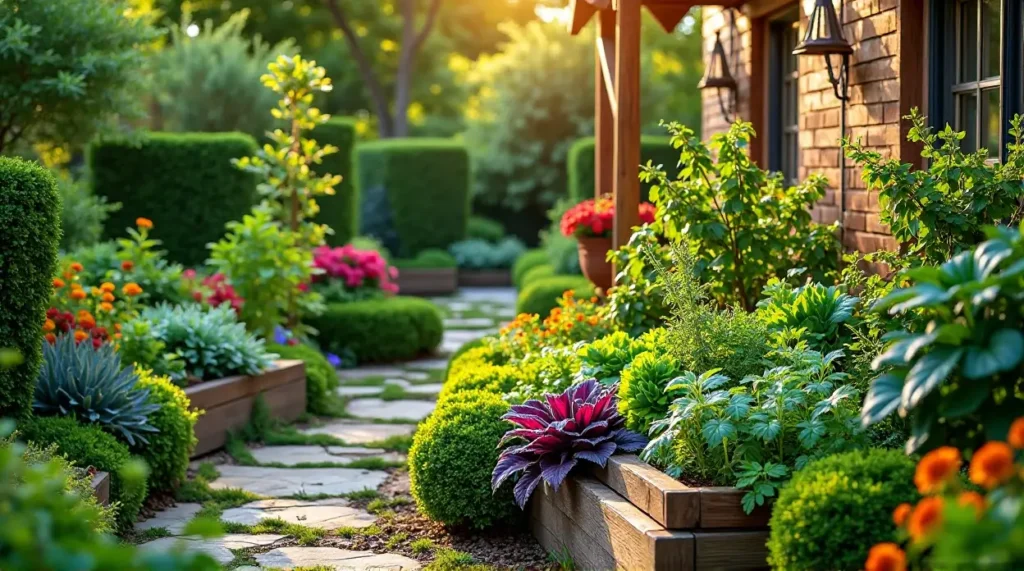
Front gardens are increasingly valued not only as curb appeal assets but also as productive landscapes. The trend of integrating culinary herbs and vegetables into front garden beds blends beauty with utility, turning ornamental spaces into sources of fresh ingredients. Thoughtful plant selection, design, and maintenance can yield front beds that are attractive year-round while supplying flavorsome additions to the kitchen. This article outlines design principles, plant choices, and practical advice to achieve edible elegance in front gardens.
Why front beds are ideal for edibles
- Visibility and accessibility: Front beds are highly visible and easy to reach, making regular harvesting and enjoyment more likely. Regular use keeps plants healthy and reduces waste.
- Multifunctional curb appeal: Edible plants can contribute texture, color, and fragrance while serving culinary and ecological functions, such as supporting pollinators and beneficial insects.
- Educational and social benefits: Edible front gardens invite neighbors and passersby to notice seasonal changes and can spark conversations about sustainable food production.
Design principles for edible front beds
- Balance form and function: Combine ornamental traits with edibility. Look for herbs and vegetables that contribute interesting foliage, flowers, or structure.
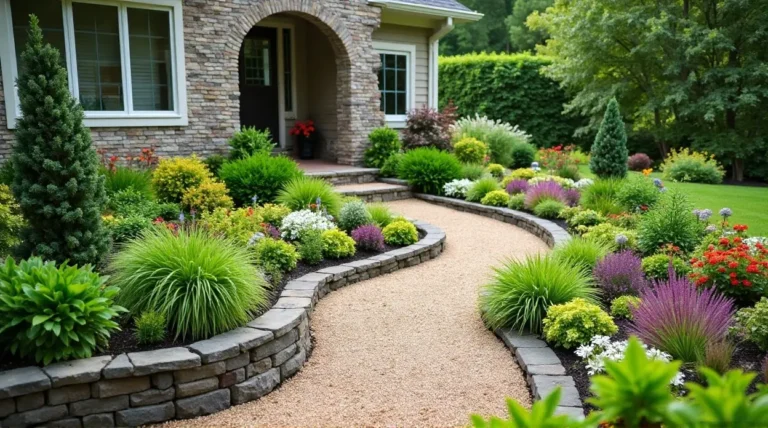
- Layering and scale: Use a layered approach with low groundcovers in front, mid-height edibles in the middle, and taller structural plants at the back. Keep plant scale in proportion to the house and walkway.
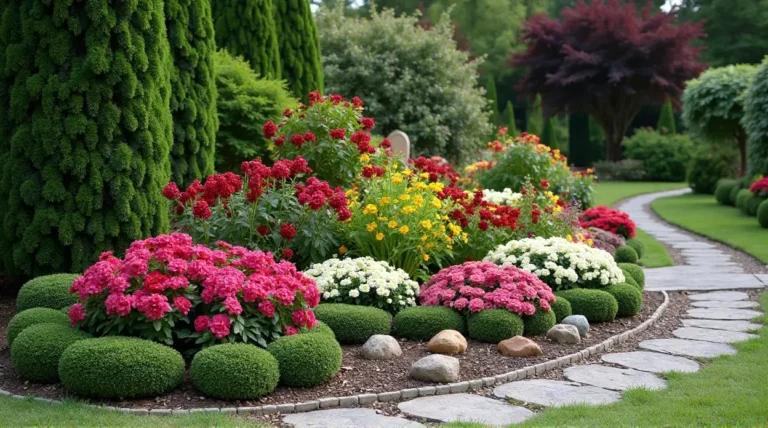
- Repeat and rhythm: Repeating plant groups or colors creates cohesion and makes mixed plantings read as intentional design rather than a kitchen garden.
- Color and texture: Consider foliage color, leaf shape, and seasonal blooms. Variegated leaves, silver foliage, and deep purples add contrast against green backdrops.
- Year-round interest: Choose a mix of annuals, perennials, and evergreen herbs to provide seasonal succession and winter structure.
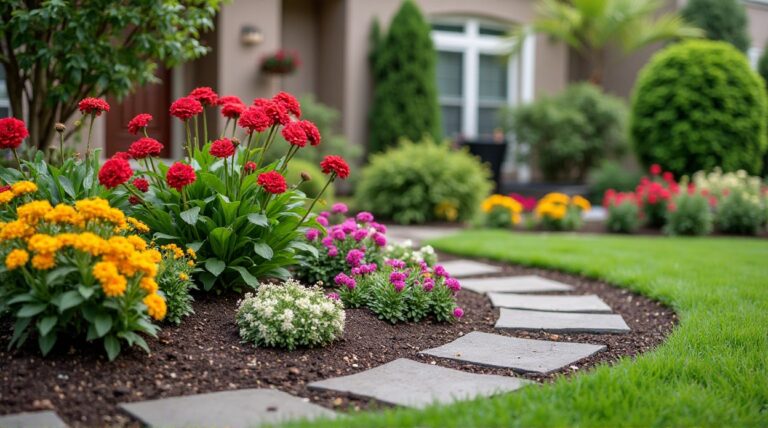
- Accessibility and harvest pathways: Ensure beds are reachable for harvesting without trampling plants. Incorporate stepping stones or clear edging.
- Low-maintenance choices: Favor plants suited to local climate and soil. Mulch, drip irrigation, and well-chosen companion plants reduce upkeep.
Visually appealing culinary herbs
- Rosemary: A woody evergreen with architectural form. Upright varieties create vertical interest and scent. Small-leaved trailing varieties can spill over borders.
- Lavender: Silvery foliage and purple blooms add fragrance and color. Works as a soft edging plant; attracts pollinators. Choose culinary varieties for use in recipes.
- Sage: Textured, often gray-green leaves provide both ornamental and culinary value. Varieties like purple sage or golden sage add dramatic foliage contrast.
- Thyme: Low-growing, aromatic groundcover that works between stepping stones or as a front-edge planting. Varieties include lemon thyme for color and scent.
- Chives: Grass-like, clumping habit with attractive purple pom-pom flowers. Flowers are edible and visually pleasing in mixed beds.
- Oregano and marjoram: Bushy perennials with small leaves and clusters of blooms; good for mid-border plantings and attractive to pollinators.
- Mint (with caution): Vigorous and aromatic, mint can be highly ornamental but invasive. Plant in containers sunk into the bed or use root barriers.
- Basil: Tender annual with glossy leaves and striking flower spikes. Purple basil varieties can provide color contrast in summer plantings.
Vegetables that enhance aesthetics
- Kale and cabbage: Ornamental kales and cabbages come in ruffled textures and vibrant purples, pinks, and greens. They provide structure and winter interest where climate allows.
- Swiss chard: Brightly colored stems and large glossy leaves add bold streaks of color. Leaf form is architectural and complements flowering perennials.
- Lettuce and salad greens: Varied leaf shapes, colors, and textures make them excellent for front-edge plantings. Cut-and-come-again varieties provide ongoing harvest and maintain tidy appearance.
- Brassicas (broccoli, cauliflower): Compact varieties and ornamental broccolis offer different textures and can be arranged as repeating accents.
- Radishes and beets: Beets provide colorful foliage (in some varieties) and edible roots; radish greens and small blooms add interest in early spring.
- Edible flowers: Nasturtiums, calendula, violas, and borage offer bright color, attractive foliage, and edible blooms that enhance both aesthetics and cuisine.
- Dwarf tomatoes: Determinate or patio varieties with tidy habits and colorful fruits can be grown in front beds, especially if supported by small cages that add verticality without overwhelming the space.
- Peppers: Compact ornamental pepper varieties display glossy foliage and multicolored fruits, combining ornamental and culinary value.
Compositional strategies
- Monochrome and color accents: Use a dominant foliage color, such as silver or dark green, and punctuate with edible plants that offer contrasting hues, such as purple basil or red chard.
- Textural contrast: Pair fine-textured herbs, like thyme or chives, with broad-leaf vegetables like Swiss chard or cabbage to create visual interest.
- Repetition of form: Clump a herb like rosemary in several locations to create rhythm, and intersperse lower edibles for cohesion.
- Seasonal succession: Plant early cool-season vegetables in spring, follow with warm-season crops, and include perennials and overwintering herbs to maintain continuous interest.
Practical considerations
- Plant selection for microclimate: Observe sunlight, wind exposure, and soil drainage. Most culinary herbs prefer well-drained soil and full sun, while some greens tolerate partial shade.
- Soil preparation: Improve heavy soils with compost and provide good drainage. Edibles are more productive in rich, fertile soil.
- Watering and irrigation: Consider drip irrigation or soaker hoses for efficient watering. Group plants with similar water needs together.
- Fertility: Use slow-release fertilizers or regular compost applications. Heavy feeders like brassicas may need more fertility than Mediterranean herbs.
- Pest management: Attract beneficial insects with flowering herbs and companion plants. Use physical barriers, hand removal, or organic controls when necessary. Design plants to discourage pests—diverse plantings reduce the risk of outbreaks.
- Legal and neighborhood considerations: Check local ordinances or homeowner association guidelines for visible vegetable plantings. Present an intentional, ornamental design to reduce disputes.
- Edible labeling: If the front bed will be admired by others, small tasteful labels can inform neighbors about edible species and encourage respect during maintenance.
Maintenance tips to preserve elegance
- Prune and harvest regularly: Many herbs benefit from frequent harvesting and light pruning to promote bushy growth and prevent legginess.
- Tidy edges: Keep bed edges defined and remove spent foliage to maintain a neat street-facing appearance.
- Succession planting and replanting: Replace spent annuals with seasonal options to keep beds looking fresh.
- Mulch: Use decorative mulch to suppress weeds, conserve moisture, and create a clean visual base.
- Winter care: For cold climates, rely on evergreen herbs and ornamental brassicas for structure. Consider containerized tender edibles that can be moved indoors.
Design examples and combinations
- Mediterranean front bed: Rosemary, lavender, silver-leaved sage, thyme groundcover, and low artichokes for architectural form. Gravel mulch and terracotta accents reinforce the theme.
- Cottage-style edible border: Chives, nasturtiums, oregano, mixed lettuces, and dwarf tomatoes. Soft, layered textures and cascading nasturtiums against a fence create a welcoming look.
- Modern minimalist bed: Repeating rows of purple basil, black kale, and variegated thyme. Clean edging and monochromatic hardscape emphasize form and color.
- Year-round interest bed: Evergreen rosemary and thyme, spring bulbs interplanted with baby lettuces, summer chard and basil, and autumn ornamental cabbages.
Incorporating culinary herbs and vegetables into front garden beds is a compelling way to combine beauty, scent, and productivity. With thoughtful selection, sound design principles, and appropriate maintenance, edible front beds can provide seasonal interest, fresh ingredients, and enhanced curb appeal. The key is to treat edible plants as valued ornamental components—matching form, color, and scale to the landscape so that the garden is both elegant and useful.
About the Author