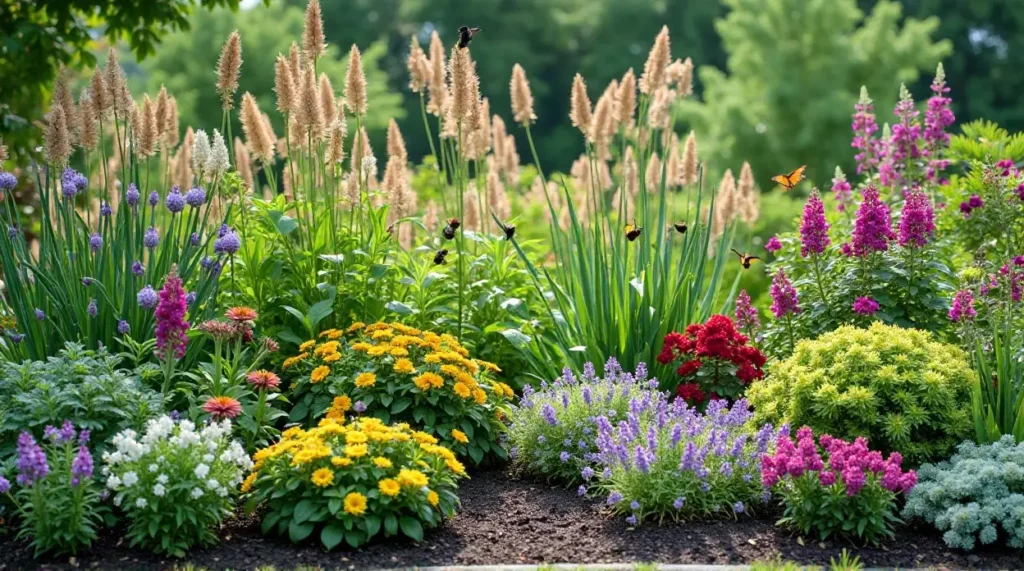
Native plants are foundational to sustainable, low-maintenance, and wildlife-friendly garden beds. When selected and placed thoughtfully, native species provide habitat, support pollinators, reduce water and chemical use, and create resilient landscapes that reflect local ecosystems. This guide helps homeowners choose native plants for front garden beds, explains the ecological benefits, and offers practical design and maintenance strategies to attract local wildlife and promote biodiversity.
Why Choose Native Plants?
- Adapted to local conditions: Native plants evolved in local climates, soils, and seasonal patterns, making them more likely to thrive with less intervention than many exotic ornamentals.
- Support for wildlife: Native plants co-evolved with local insects, birds, and other animals. They provide the food, shelter, and breeding resources many species require.
- Resource efficiency: Native species typically need less supplemental water, fertilizers, and pesticides once established, reducing resource consumption and maintenance time.
- Resilience: Native plant communities are1653Native Plants for Sustainable Garden Beds: A Guide for Eco-Conscious Homeowners
Native plants are central to creating sustainable, low-maintenance, and wildlife-friendly front garden beds. Unlike many exotic ornamentals, native species are adapted to local climate, soils, and seasonal patterns, providing resilient beauty while supporting biodiversity. This guide helps eco-conscious homeowners select and design with native plants for front garden beds, explains ecological benefits, and provides practical strategies to attract pollinators, birds, and beneficial insects.
Why choose native plants?
- Adaptation and resilience: Native plants evolved with local climate and soil conditions, which often makes them drought-tolerant, cold-hardy, and less prone to pests and disease.
- Lower maintenance: Once established, natives generally need less water, fertilizer, and chemical interventions than non-natives.
- Biodiversity support: Native plants provide the nectar, pollen, foliage, and seeds that local insects, birds, and other wildlife depend on for food, nesting, and shelter.
- Soil and water advantages: Deep-rooted natives improve soil structure, increase infiltration, reduce erosion, and can reduce stormwater runoff.
- Climate mitigation: Healthy native plantings sequester carbon and help cool urban heat islands by providing shade and evapotranspiration.
Assessing your site Before selecting plants, evaluate these conditions:
- Sun exposure: Full sun (6+ hours), partial shade (3–6 hours), or full shade. Note seasonal changes.
- Soil type: Sandy, loamy, clay, well-draining, compacted, or rich in organic matter. Consider pH testing.
- Moisture: Dry, average, seasonally wet, or consistently moist. Identify any drainage issues.
- Microclimates: Heat-reflecting walls, windy spots, frost pockets, or protected corners will influence plant choice.
- Size and scale: Front beds often face the street; consider mature height, spread, and how the bed will look year-round.
Selecting plants: principles and palette
- Start with local natives: Check state or regional native plant lists from native plant societies, extension services, or conservation organizations. These lists ensure ecological compatibility and legal safety.
- Layering: Use a three-tier structure—groundcovers and low perennials, mid-height perennials and shrubs, and a few taller shrubs or small trees for vertical interest.
- Seasonal interest: Choose plants that provide staggered blooms, fall color, and winter structure to keep the front bed attractive year-round.
- Diversity: Plant a mix of species to reduce pest outbreaks, attract diverse wildlife, and increase resilience against disease and climate stressors.
- Evergreen and structure: Incorporate evergreen native groundcovers or shrubs for winter presence.
- Native cultivars: Many cultivars exist that maintain ecological function while offering improved form or color. Prefer those bred without heavy alteration of nectar/pollen or leaf traits that reduce wildlife value.
Suggested plants by region (U.S. examples) Note: This is a representative list. Confirm local suitability and plant hardiness zone before purchasing.
Northeast and Mid-Atlantic
- Groundcovers: Sedum ternatum, Packera aurea (golden ragwort)
- Perennials: Echinacea purpurea (purple coneflower), Monarda didyma (bee balm), Rudbeckia fulgida (black-eyed Susan)
- Grasses: Panicum virgatum (switchgrass), Schizachyrium scoparium (little bluestem)
- Shrubs: Vaccinium corymbosum (highbush blueberry), Ilex verticillata (winterberry)
- Small trees: Amelanchier arborea (serviceberry)
Southeast
- Groundcovers: Sabatia angularis, Phlox divaricata (woodland phlox)
- Perennials: Liatris spicata (gayfeather), Rudbeckia hirta
- Grasses: Muhlenbergia capillaris (pink muhly grass)
- Shrubs: Itea virginica (Virginia sweetspire), Rhododendron spp. (native azaleas)
- Small trees: Cornus florida (flowering dogwood)
Midwest and Great Plains
- Groundcovers: Asclepias tuberosa (butterfly milkweed, also a perennial), Coreopsis lanceolata
- Perennials: Solidago spp. (goldenrod), Aster novae-angliae
- Grasses: Andropogon gerardii (big bluestem), Bouteloua curtipendula (sideoats grama)
- Shrubs: Amelanchier, Cephalanthus occidentalis (buttonbush)
- Small trees: Quercus alba (white oak, small cultivars or young specimens for larger sites)
Southwest
- Groundcovers: Salvia greggii (autumn sage), Penstemon spp.
- Perennials: Agastache rupestris, Echinacea spp.
- Grasses: Bouteloua gracilis (blue grama)
- Shrubs: Artemisia tridentata (in appropriate arid landscapes), Baccharis sarothroides
- Small trees: Cercis occidentalis (western redbud)
Pacific Northwest
- Groundcovers: Gaultheria shallon (salal), Oxalis oregana
- Perennials: Helenium autumnale, Camassia leichtlinii
- Grasses: Deschampsia cespitosa
- Shrubs: Vaccinium ovatum (evergreen huckleberry), Ribes sanguineum (red-flowering currant)
- Small trees: Acer circinatum (vine maple)
Design and planting tips
- Group in drifts: Plant multiples of the same species together for stronger visual impact and easier pollinator foraging.
- Masses of natives look more natural and support foraging efficiency for insects.
- Respect mature size: Allow adequate spacing for mature spread to avoid overcrowding and future removal.
- Edge zones: Use lower groundcovers at the front edge of the bed to create a transition to the lawn or walkway.
- Pathways and sightlines: Keep sight triangles clear for safety; use low-growing plants near entrances and driveways.
- Plant layers for wildlife: Include dense shrubs for nesting birds, nectar-rich perennials for pollinators, and seed-producing plants for winter birds.
Attracting local wildlife
- Pollinators: Provide a succession of blooms from spring through fall. Native bees and butterflies prefer native flowering plants such as milkweeds, asters, goldenrods, and salvias.
- Birds: Offer a mix of berry-producing shrubs, seed-bearing perennials, and native grasses. Provide water sources and safe cover.
- Beneficial insects: Include plants in the umbels/flat-topped families, such as species of yarrow and goldenrod, which attract parasitic wasps and predators of garden pests.
- Host plants: Butterflies and moths often require specific host plants for their larvae. For example, monarch caterpillars need native milkweeds, and many hairstreaks require native oaks.
- Avoid pesticides: Insecticides, especially neonicotinoids, harm pollinators and beneficial insects. Adopt integrated pest management and tolerate minor insect presence.
Watering and irrigation
- Establishment period: Water regularly during the first one to two growing seasons until plants establish deep roots. Afterward, many natives require minimal supplemental watering.
- Drip irrigation and soaker hoses: These deliver water efficiently without wetting foliage, reducing disease risk and water waste.
- Xeriscaping: In dry climates, choose drought-tolerant natives and group plants by water needs (hydrozoning) to conserve water.
Soil health and amendments
- Minimize soil disturbance: Excessive tilling harms soil structure and native beneficial organisms.
- Mulch: Apply 2–3 inches of organic mulch to retain moisture, moderate soil temperature, and suppress weeds. Keep mulch away from plant crowns to prevent rot.
- Avoid over-fertilizing: Native plants are adapted to local nutrient levels; heavy fertilization can promote nutrient-loving weeds and reduce native competition.
- Compost: Incorporate modest amounts of compost to improve structure in depleted soils, especially when establishing new beds.
Maintenance practices
- Seasonal clean-up: Leave stems and seed heads through winter where possible to provide food and habitat; cut back in late winter before new growth emerges if desired1653Native Plants for Sustainable Garden Beds: A Guide for Eco-Conscious Homeowners
Designing sustainable front garden beds with native plants is one of the most effective actions homeowners can take to support local ecosystems, conserve resources, and create low-maintenance, attractive landscapes. Native plants are adapted to local climate and soils, provide essential habitat and food for pollinators and other wildlife, and generally require less water, fertilizer, and chemical pest control than exotic ornamentals. This guide helps you select the right native plants for front garden beds, explains biodiversity and sustainability benefits, and offers practical advice for attracting and supporting local wildlife.
Why Choose Native Plants
- Adaptation and resilience: Native plants evolved with local climate patterns, soils, pests, and seasons. They are more likely to thrive with minimal inputs and cope with droughts, heat, and soil variability.
- Resource efficiency: Native species usually need less supplemental watering and fertilization, reducing water use and chemical runoff.
- Wildlife support: Local insects, especially specialist pollinators and herbivores, depend on native host plants. Native plantings sustain birds, bats, beneficial insects, and small mammals.
- Biodiversity enhancement: Replacing monoculture lawns and non-native beds with diverse native plantings increases habitat complexity and ecological resilience.
- Reduced maintenance: Once established, native beds typically require less pruning, feeding, and pest treatments than exotic designs.
Key Concepts for Sustainable Front Beds
- Plant for function as well as form: Choose plants for texture, color, and seasonal interest that also provide nectar, seeds, or shelter.
- Layered structure: Use a mix of groundcovers, perennials, shrubs, and small trees where appropriate to create vertical habitat and visual interest.
- Diversity matters: Aim for many species rather than large blocks of one plant. Diversity reduces pest outbreaks and improves ecosystem services.
- Right plant, right place: Match plants to microclimates in your front yard—sun, shade, drainage, wind exposure—to reduce failure and inputs.
- Avoid invasives: Confirm plants are native and non-invasive in your region. Non-native invasives can quickly negate ecological benefits.
Selecting Native Plants: Practical Steps
- Know your region and local ecotype
- Start with your USDA hardiness zone and local ecoregion (coastal, prairie, mountain foothills, desert, etc.). Local native plant societies, extension offices, or nurseries can provide regionally appropriate species lists.
- Assess your site
- Note sun exposure, soil type (sandy, loamy, clay), drainage, slope, and typical microclimates (hot driveway edge, shady porch). Decide where you want low, medium, and tall plants for sightlines and curb appeal.
- Define goals
- Prioritize functions: pollinator habitat, drought tolerance, year-round structure, low maintenance, deer resistance, or aesthetic style. This directs species selection.
- Choose a palette of complementary species
- Combine flowering perennials for nectar, shrubs for shelter and berries, grasses for structure, and groundcovers for weed suppression. Include early-season, summer, and late-season bloomers for continuous forage.
- Purchase from reputable native nurseries
- Buy locally grown plants when possible. Avoid wild-collected specimens; cultivated natives support conservation and are acclimated to garden conditions.
Plant Recommendations by General Functional Group Note: Specific species depend on region. These examples illustrate types of plants to look for.
- Native groundcovers
- Benefits: suppress weeds, reduce erosion, conserve moisture.
- Examples: Sedum species (in dry sunny sites in some regions), Ajuga (shade-tolerant in eastern/central regions), native thyme or native clovers in Mediterranean climates, prairie violets in temperate zones.
- Spring and early-season nectar sources
- Benefits: feed emerging pollinators.
- Examples: native bulbs (wild crocus, camassia), native phlox, native iris, Ceanothus in appropriate regions.
- Summer bloomers and pollinator magnets
- Benefits: abundant nectar and pollen through mid-season.
- Examples: Echinacea (coneflower), Rudbeckia (black-eyed Susan), Monarda (bee balm), native salvias, Liatris (blazing star).
- Late-season and seed sources
- Benefits: provide nectar for migrating pollinators and seeds for birds.
- Examples: Aster species, goldenrod, Solidago, native grasses that hold seeds.
- Native shrubs and small trees
- Benefits: nesting sites, berries, winter structure.
- Examples: Viburnum species, Ceanothus, Aronia (chokeberry), serviceberry (Amelanchier), sumac in appropriate areas.
- Native ornamental grasses
- Benefits: year-round structure, nesting material, and movement in wind.
- Examples: Little bluestem (Schizachyrium), Nassella/Tussock grass in arid areas, Panicum (switchgrass).
Design Tips for Front Garden Beds
- Visibility and safety: Keep beds low enough near sidewalks and driveways for clear sightlines. Place taller shrubs farther from the curb.
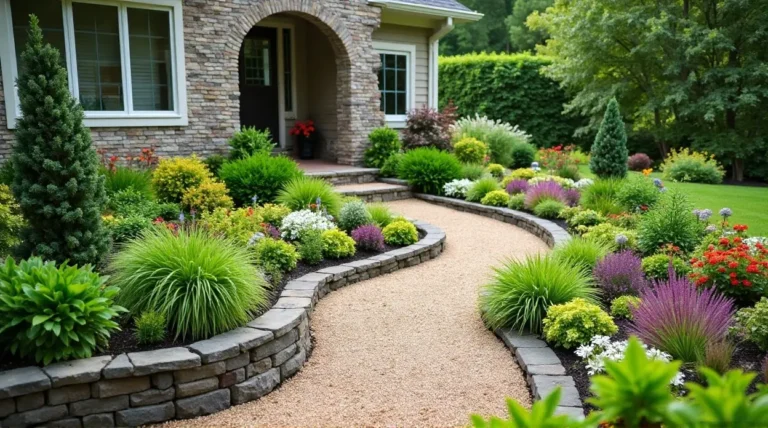
- Curved edges: Use soft curves rather than straight lines for a naturalistic feel that embraces native aesthetics.
- Repetition and rhythm: Repeat a few key species to create cohesion while maintaining overall diversity.
- Seasonal interest: Include evergreens or plants with attractive seedheads for winter appeal.
- Mulch wisely: Use organic mulch to retain moisture and moderate soil temperature. Keep mulch away from stems to prevent rot.
- Pathways and access: Install a small path or stepping stones for maintenance access without compacting soil across the bed.
Attracting Local Wildlife
- Provide continuous blooms: Plant species with staggered bloom times to feed pollinators from spring through fall.
- Offer host plants: Many butterfly and moth caterpillars require specific native host plants. Include those species to support full insect lifecycles.
- Create shelter: Dense shrubs and tussock-forming grasses offer nest sites, overwintering refuges, and protection from predators.
- Include water: A shallow birdbath, saucer, or small fountain provides drinking and bathing water. Keep it clean and shallow for insects, birds, and small mammals.
- Avoid pesticides: Chemical insecticides and herbicides harm non-target pollinators and beneficial insects. Use mechanical control and integrated pest management instead.
- Provide native fruiting plants: Berries and seeds support birds and small mammals, especially in winter.
- Leave some leaf litter and standing dead stems: Many beneficial insects overwinter in leaf litter and hollow stems. Avoid tidying every stem in fall.
Maintenance for Sustainable Beds
- Watering: Establish plants with supplemental watering the first one to two seasons, then taper to deep, infrequent watering to encourage deep roots.
- Pruning: Prune minimally. Cut back perennials in late winter or early spring, leaving some seedheads for wildlife over winter if desired.
- Fertilization: Most natives do not require regular feeding. If soil is poor, use slow-release organic amendments sparingly.
- Weed control: Hand-weeding and targeted mulching prevent invasive encroachment. Lay out a maintenance plan for the first two seasons when weeds are most competitive.
- Monitor and adapt: Observe which plants thrive and which struggle. Replace poorly performing species with better-suited natives.
Community and Resources
- Local native plant societies, extension services, and conservation districts offer lists of regionally appropriate species, native plant sales, and planting guides.
- Native plant nurseries and demonstration gardens provide inspiration and hands-on learning.
- Citizen science projects, such as pollinator counts and bird surveys, allow you to track the ecological benefits of your plantings while contributing to science.
Front garden beds planted with native species offer measurable benefits for biodiversity, sustainability, and neighborhood beauty. By selecting plants adapted to local conditions, designing for diverse structure and seasonal interest, and prioritizing wildlife-friendly features, homeowners can create resilient, low-maintenance landscapes that support pollinators, birds, and other native species. Start small if needed, observe how your garden interacts with local wildlife, and expand over time—every native shrub and perennial contributes to a healthier local ecosystem.
About the Author