The Importance of Lighting in Garden Beds
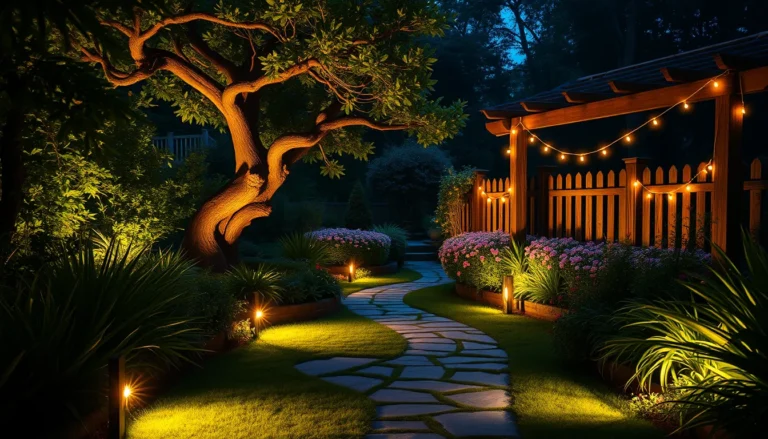
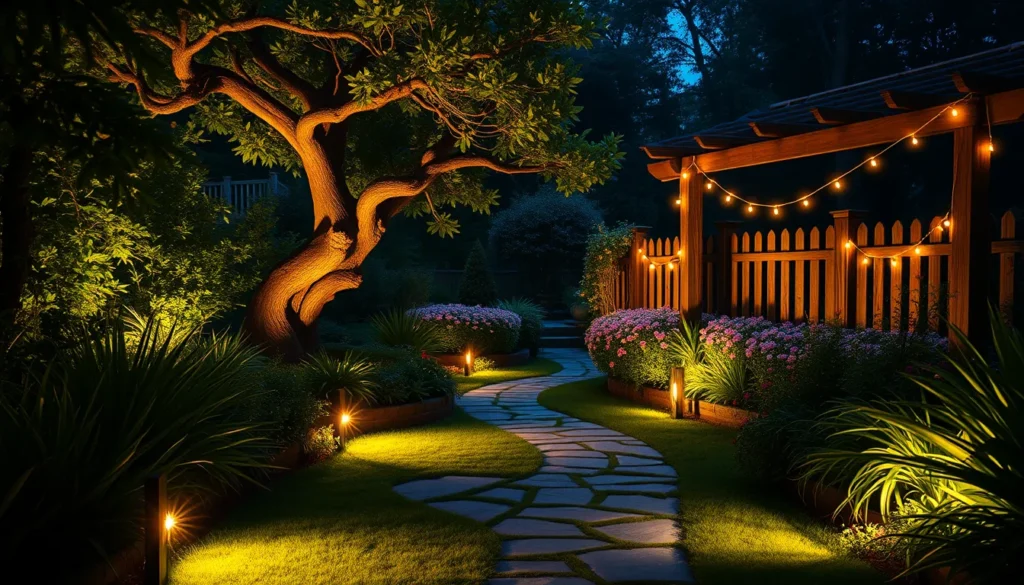
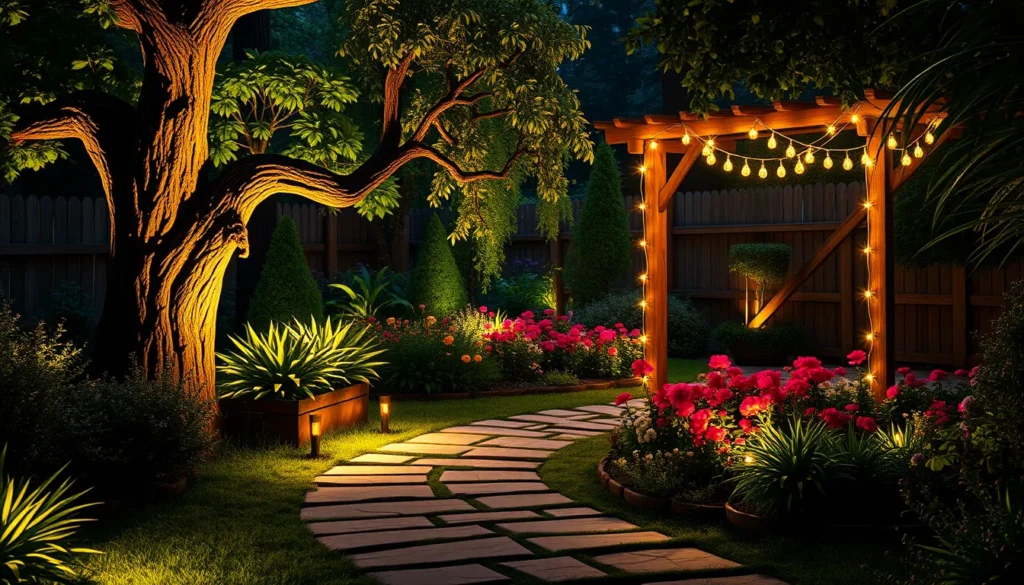
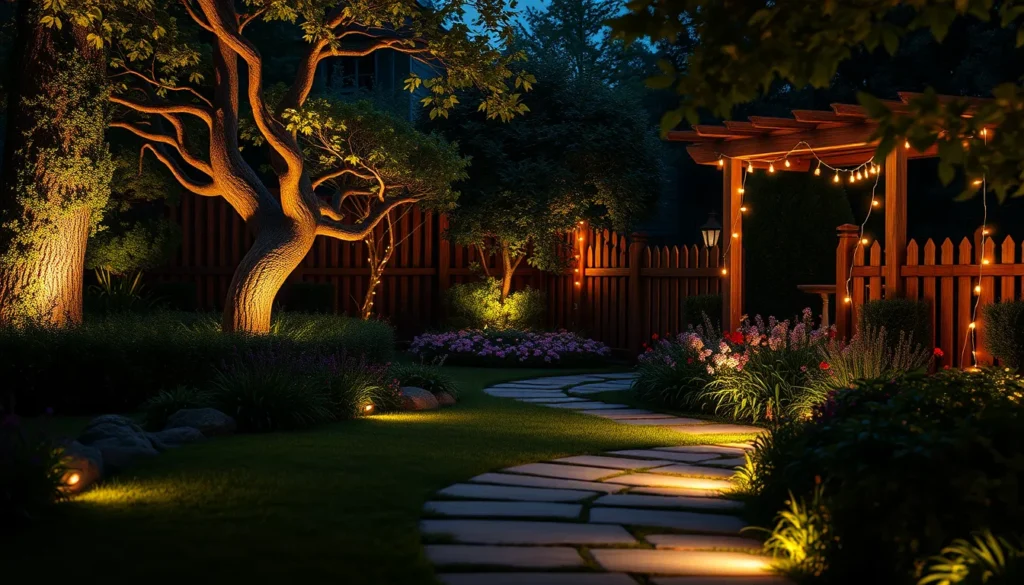
Outdoor lighting plays a pivotal role in enhancing the beauty of garden beds, especially during the evening. Thoughtfully designed lighting can accentuate plant features, create visual interest, and foster a welcoming atmosphere for both residents and guests. Good lighting not only highlights the aesthetics of plants but also enhances safety and security, making outdoor spaces more usable and enjoyable at night.
Tips for Selecting and Positioning Lights
- Choose the Right Type of Lighting:
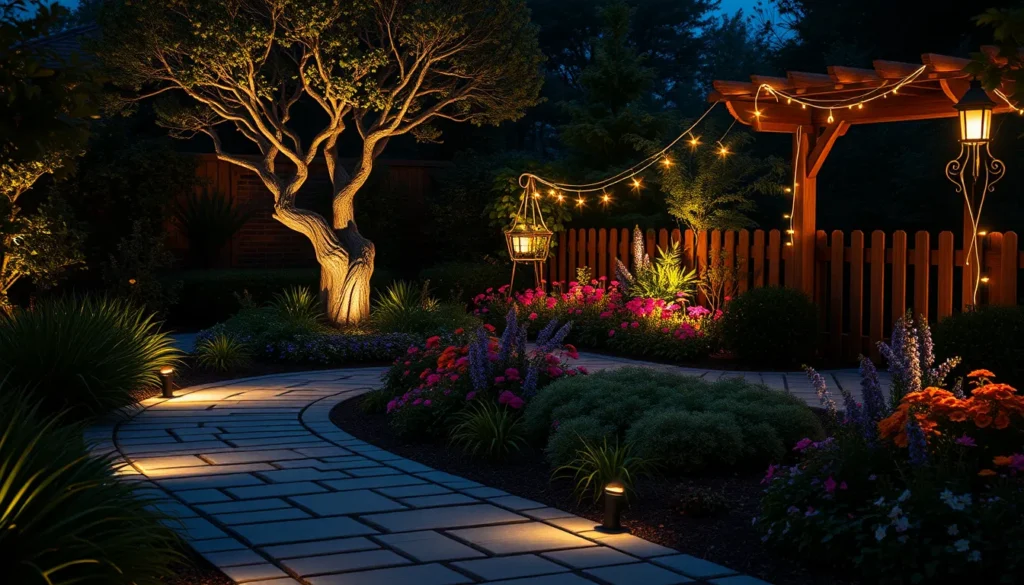
- Pathway Lights: These are ideal for illuminating walkways and guiding visitors to your garden beds. Opt for low-level lights that don’t overshadow the plants but instead enhance their features.
- Spotlights: Use focused spotlights to highlight specific plants or focal points in your garden, such as ornamental trees or sculptural features.
- Floodlights: If you want to illuminate a larger area, floodlights can provide broad illumination to wash over your garden beds.
- String Lights: These add charm and a whimsical feel, perfect for draping over low plants, trellises, or fences.
- Consider the Color Temperature:
- Lighting color temperature significantly affects the appearance of your garden. Warmer tones (about 2700K to 3000K) create a cozy, inviting atmosphere, while cooler hues (over 4000K) can lend a more modern, bright effect. For garden beds, warm white light often works best to enhance the natural colors of plants.
- Utilize Different Lighting Techniques:
- Uplighting: Position lights at the base of taller plants to cast soft shadows and highlight their height. This technique adds dramatic angles and depth to your garden.
- Downlighting: Install fixtures above plants to simulate natural moonlight. This method creates a gentle and serene ambiance, enhancing the textures and colors of the foliage below.
- Silhouetting: Position lights behind foliage to cast a silhouette effect, drawing attention to unique shapes and enhancing the visual drama.
- Layer Your Lighting Design:
- Combining various types of lighting creates more depth, interest, and utility. Incorporate pathway lights to guide the way, accent lights to highlight specific features, and ambient lights to provide overall illumination.
- Plan Your Layout:
- Testing Light Placement: Before finalizing your lighting plan, try temporary placements of your lights to see how they affect the landscape. Walk around in the evening to assess how well each light highlights plants and provides necessary illumination.
- Spacing: Space your lights evenly to achieve uniform lighting without overly bright spots or dark areas. Consider the lighting output of each fixture when planning distances.
- Emphasizing Focal Points:
- Use lighting to draw attention to key elements, such as fountains, sculptures, or unique plant specimens. Position lights at varying heights to achieve a more dynamic look and ensure these focal points stand out after sunset.
- Solar Options:
- Solar-powered lights are a sustainable choice for garden beds, as they require no wiring and are easy to install. However, ensure they receive adequate sunlight to charge effectively. Consider their brightness and output when selecting solar fixtures.
- Incorporate Control Features:
- Use timers or smart home systems for your outdoor lighting to automate when your lights turn on and off. Dimmer switches can also help you adjust brightness levels based on your desired ambiance.
- Maintain Safety:
- Ensure that lighting enhances safety by illuminating paths and steps while avoiding harsh contrasts that can create tripping hazards. Position lights at heights and locations that won’t obstruct movement.
- Seasonal Considerations:
- Be aware of seasonal changes that can affect your garden’s appearance. Choose fixtures that will adapt to seasonal plants and their changing visibility throughout the year.
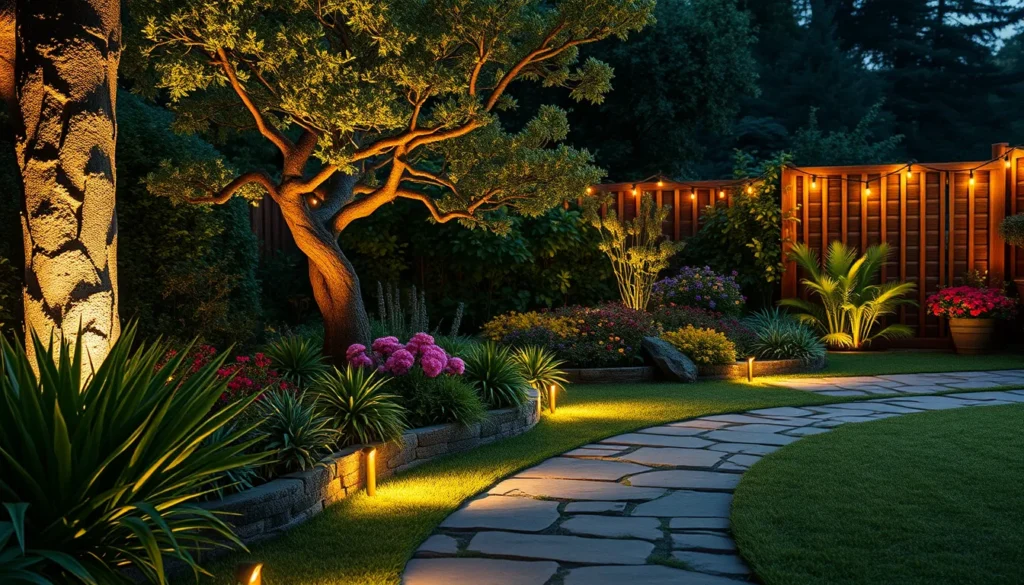
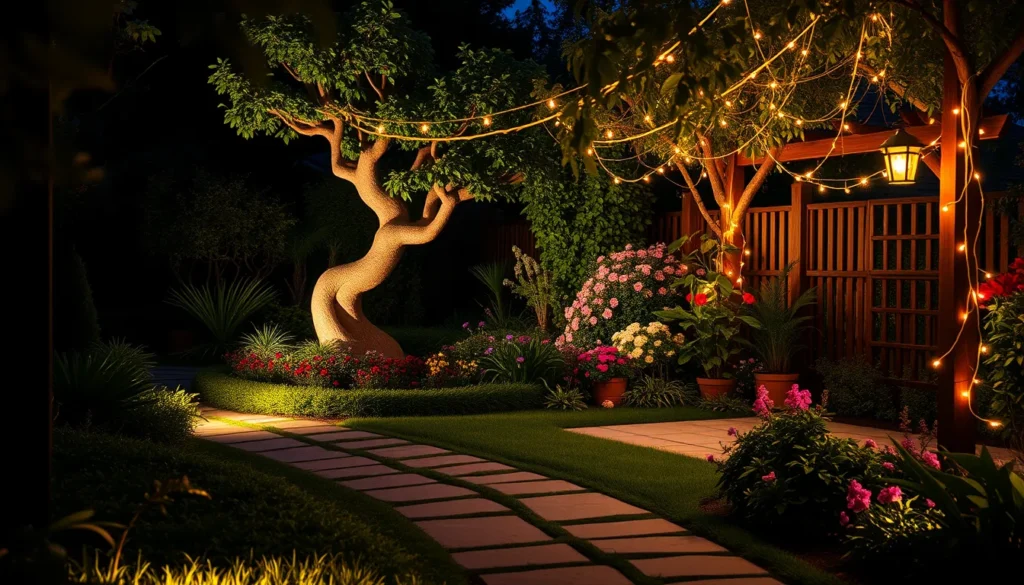
Effective outdoor lighting solutions are essential for accentuating garden beds, creating a welcoming atmosphere, and enhancing safety in your front yard. By carefully selecting the right types of fixtures, employing various lighting techniques, and planning your layout, you can create an enchanting evening landscape that invites enjoyment and exploration beyond daylight hours. With thoughtful design and attention to detail, your garden beds can shine beautifully in the evening glow.
About the Author