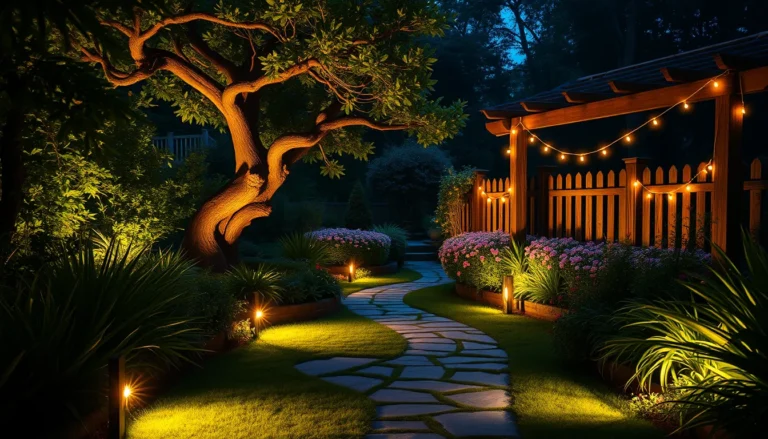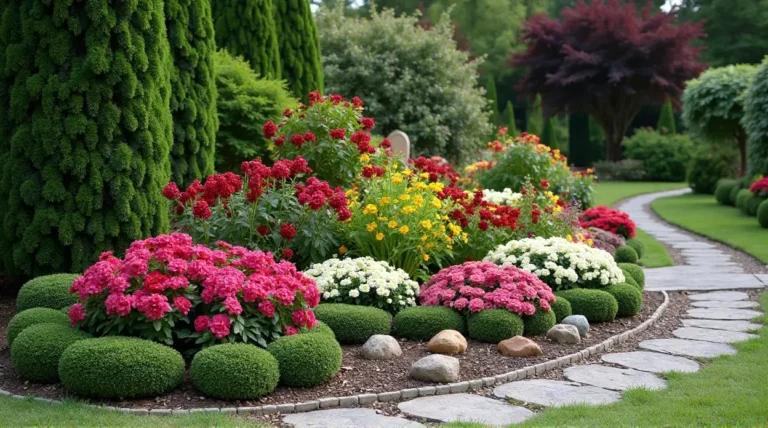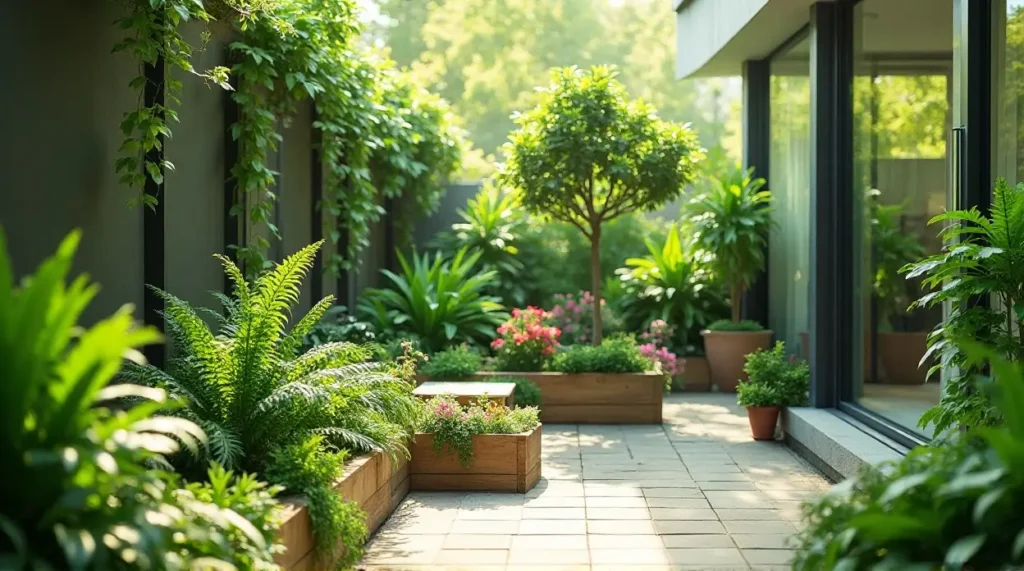
Incorporating corner gardens into home design offers not only aesthetic appeal but also profound benefits for mental health and overall wellbeing. Research consistently highlights the positive psychological effects of greenery in our environments, revealing how even small green spaces can significantly improve our quality of life.
1. Mental Health Benefits of Greenery
Reduced Stress Levels
Studies have shown that exposure to green spaces can lower stress levels and improve mood. Nature has a calming effect on the mind and body, prompting a physiological response that helps reduce cortisol levels—the hormone associated with stress.
- Research Insight: A study published in the International Journal of Environmental Research and Public Health found that individuals living near green spaces reported lower levels of anxiety and depression compared to those in more urbanized, barren areas. Corner gardens can serve as accessible mini-oases where individuals can escape daily stresses.
Enhanced Mood and Wellbeing
Plants and greenery are known to elevate mood and enhance feelings of happiness. The sights, sounds, and smells of nature can trigger positive emotional responses, leading to an overall sense of wellbeing.
- Study Findings: Research from the Journal of Environmental Psychology indicates that participants who spent time in nature or viewed greenery reported increased feelings of vitality and happiness. Incorporating a corner garden into home design can provide a personal, inviting space to enjoy these benefits regularly.
2. Promoting Tranquility and Mindfulness
Connection to Nature
Corner gardens offer a unique way to connect with nature, even in urban environments. The act of gardening—whether planting, watering, or simply enjoying the space—fosters mindfulness and cultivates a deeper appreciation for the natural world.
- Mindfulness Practice: Engaging with plants encourages individuals to be present in the moment, promoting mindfulness. Studies have shown that gardening reduces rumination—repetitively thinking about distressing experiences—thereby contributing to mental clarity and calmness.
Aesthetic Appreciation
Visually pleasing spaces can evoke a sense of peace and serenity. Corner gardens can be designed to create a visually harmonious environment that nurtures the senses.
- Visual Research: A study in Landscape and Urban Planning emphasized that environments filled with green plants, colorful flowers, and organized layouts are linked to increased feelings of tranquility. Well-designed corner gardens can contribute to a sense of sanctuary within the home.
3. Encouraging Social Interaction
Community Connection
Corner gardens can also serve as gathering places that encourage social interactions among neighbors. When people come together in shared green spaces, it fosters a sense of community and belonging.
- Social Studies: Research has revealed that community gardens and shared green spaces lead to stronger social networks and increased feelings of connectedness, contributing positively to overall mental health and community wellbeing.
Family Bonding
In homes, corner gardens can provide a space for family activities, whether it’s planting, harvesting, or simply enjoying time outdoors together.
- Family Interaction: Engaging in gardening as a family can enhance relationships and promote collective mindfulness, as highlighted in studies regarding shared activities and their effects on familial bonds.
4. Promoting Physical Health
Access to Fresh Produce
Corner gardens that incorporate vegetable and herb planting can encourage healthier eating habits, as individuals have direct access to fresh, organic produce.
- Health Studies: Research in the American Journal of Public Health shows a link between gardening and improved nutrition, which can significantly impact mental wellbeing due to the nutritional content of fresh produce.
Conclusion
Incorporating corner gardens into home design offers multifaceted benefits that extend far beyond aesthetic appeal. As studies suggest, greenery has a tangible influence on mental health, reducing stress, promoting tranquility, and fostering social connections. By designing and maintaining small green spaces, individuals can create urban sanctuaries that enhance wellbeing, nurture the mind, and connect them with nature, ultimately contributing to a balanced and healthy lifestyle. The psychological benefits of corner gardens are a compelling argument for integrating greenery into our living spaces, providing a powerful tool for enhancing overall happiness and quality of life.
About the Author