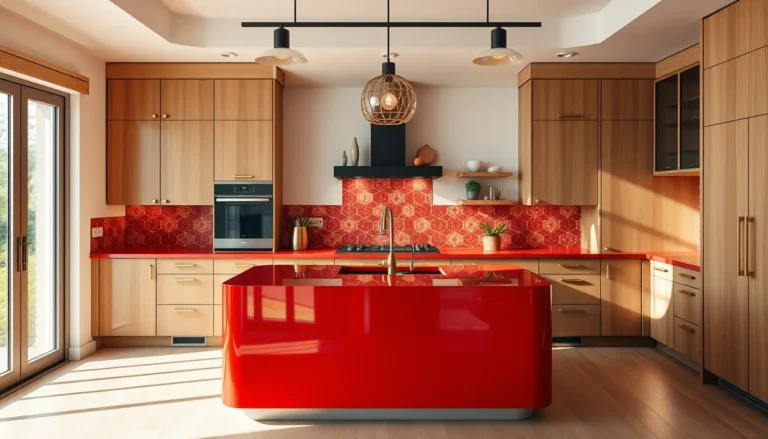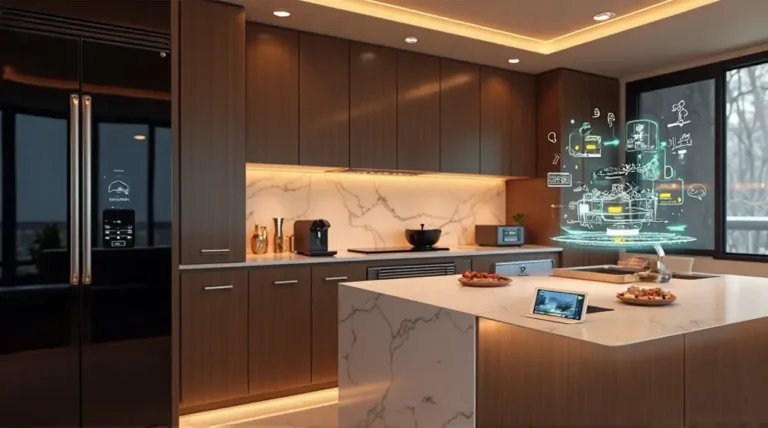
As we move into 2026, the demand for sustainable kitchens continues to grow, driven by a collective awareness of environmental issues and a desire for greener living spaces. Homeowners are increasingly seeking ways to create eco-friendly kitchens that prioritize energy efficiency, water conservation, and the use of sustainable materials. This guide explores the latest trends and innovations transforming kitchens into environmentally responsible spaces.
1. Sustainable Materials
Recycled and Upcycled Materials
The use of recycled and upcycled materials is gaining traction as homeowners look to reduce waste and minimize their carbon footprint.
- Countertops: Materials such as recycled glass, paper composites, and reclaimed wood are becoming popular choices for countertops. These options not only look stunning but also divert waste from landfills.
- Cabinets: Sustainable manufacturers are offering cabinets made from reclaimed wood or those certified by organizations like the Forest Stewardship Council (FSC), ensuring responsible sourcing.
Natural and Organic Materials
The focus on organic and sustainably-sourced materials is also on the rise.
- Bamboo: As a fast-growing renewable resource, bamboo is an eco-friendly choice for cabinetry, flooring, and even countertops.
- Natural Stone: Sustainable sources of granite and quartz can provide durable surfaces while also being aesthetically pleasing.
2. Energy-Efficient Technology
Smart Appliances
The latest kitchen appliances are incorporating advanced technology that not only improves functionality but also increases energy efficiency.
- Energy Star Appliances: Dishwashers, refrigerators, and ovens that are Energy Star certified use significantly less energy than standard options, making them a smart choice for eco-aware homeowners.
- Smart Home Integration: Appliances that connect with smart home systems can provide insights on energy consumption, allowing users to monitor usage and optimize energy efficiency.
Induction Cooktops
Induction cooktops are gaining popularity due to their rapid heating capabilities and energy efficiency. They use magnetic fields to heat cookware directly, reducing cooking time and energy use compared to traditional gas or electric stoves.
3. Water-Saving Fixtures
Low-Flow Faucets and Fixtures
The implementation of low-flow faucets and showerheads can greatly reduce water usage without sacrificing performance.
- Aerated Faucets: These fixtures mix air with water, providing a powerful flow with less water consumption, making them ideal for eco-friendly kitchens.
- Touchless Technology: Faucets equipped with touchless sensors minimize water waste and improve hygiene, perfect for busy kitchen environments.
Water Recycling Systems
Innovative water recycling systems can capture gray water from sinks and use it for irrigation or non-potable applications, significantly reducing overall water consumption.
4. Innovative Lighting Solutions
Energy-Efficient Lighting
LED lighting continues to dominate the sustainable kitchen landscape. These bulbs consume significantly less energy and have a much longer lifespan compared to traditional incandescent bulbs.
- Task and Ambient Lighting: A combination of task and ambient lighting, using energy-efficient LEDs, ensures that kitchens are both functional and stylish while contributing to energy savings.
Natural Lighting
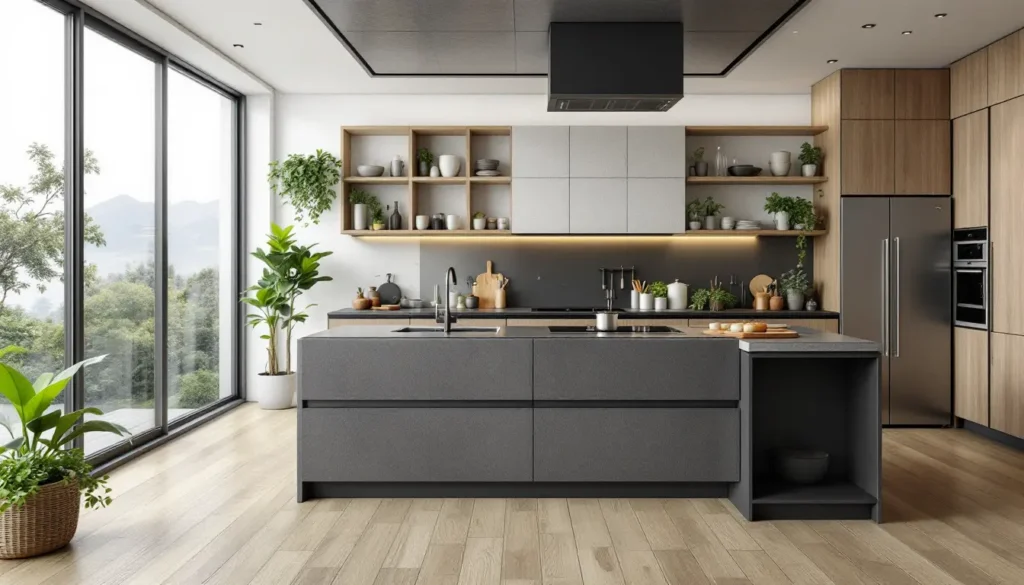
Designing kitchens with ample windows and skylights not only reduces the need for artificial lighting but also enhances the overall ambiance of the space.
5. Sustainable Kitchen Design Concepts
Open-Concept Layouts
The trend toward open-concept layouts helps maximize natural light and airflow, making kitchens more energy-efficient and comfortable.
- Indoor-Outdoor Flow: Incorporating sliding glass doors or large windows that open to outdoor spaces encourages natural ventilation and a seamless connection to nature, enhancing the feeling of spaciousness.
Minimalist Design
Simplicity and functionality go hand in hand with sustainable kitchens. The minimalist approach reduces clutter and focuses on creating efficient, multifunctional spaces.
6. Composting and Waste Management
Integrated Composting Systems
As more homeowners embrace composting, the inclusion of built-in compost bins or hidden compartments in kitchen cabinets is a growing trend. These systems make it easier to separate organic waste from general trash, promoting sustainable waste management practices.
Recycling Stations
Dedicated recycling stations in kitchens help streamline waste sorting, encouraging eco-friendly habits among family members.
7. Conclusion
The rise of sustainable kitchens in 2026 marks a significant shift in how we design and utilize our cooking spaces. With a focus on eco-friendly materials, energy-efficient technology, water-saving fixtures, and innovative design concepts, homeowners are taking substantial steps toward creating kitchens that are not only beautiful but also environmentally responsible. As these trends continue to evolve, we can expect kitchens to play a pivotal role in promoting sustainable living for future generations, making them genuinely eco-friendly spaces dedicated to health, resource conservation, and style.
About the Author