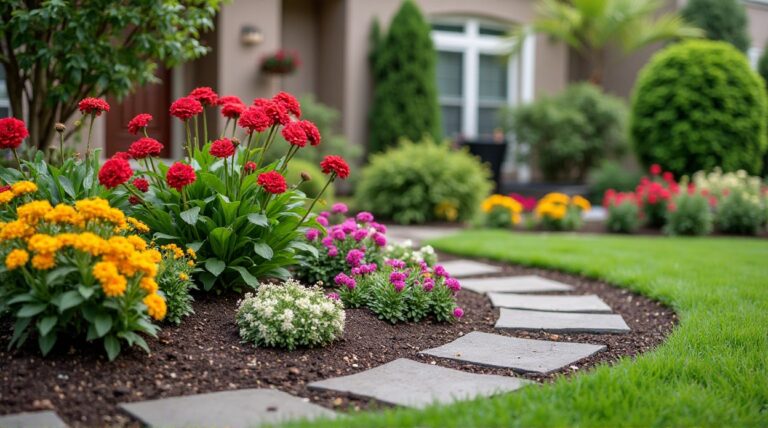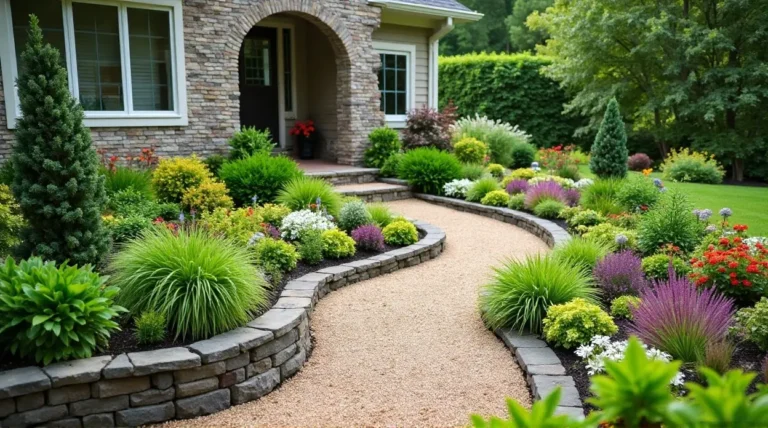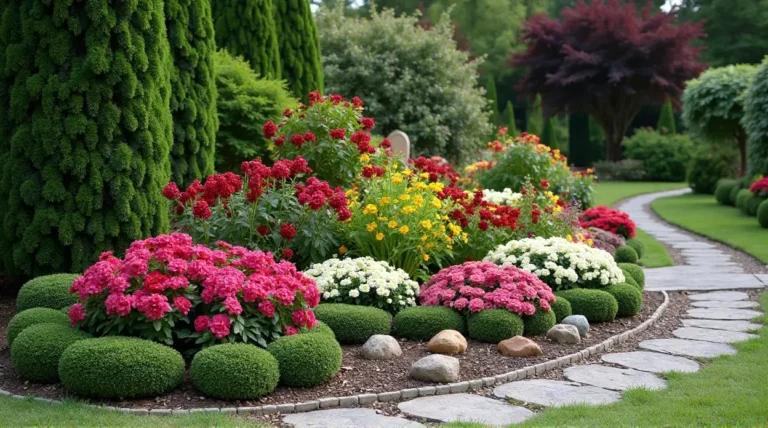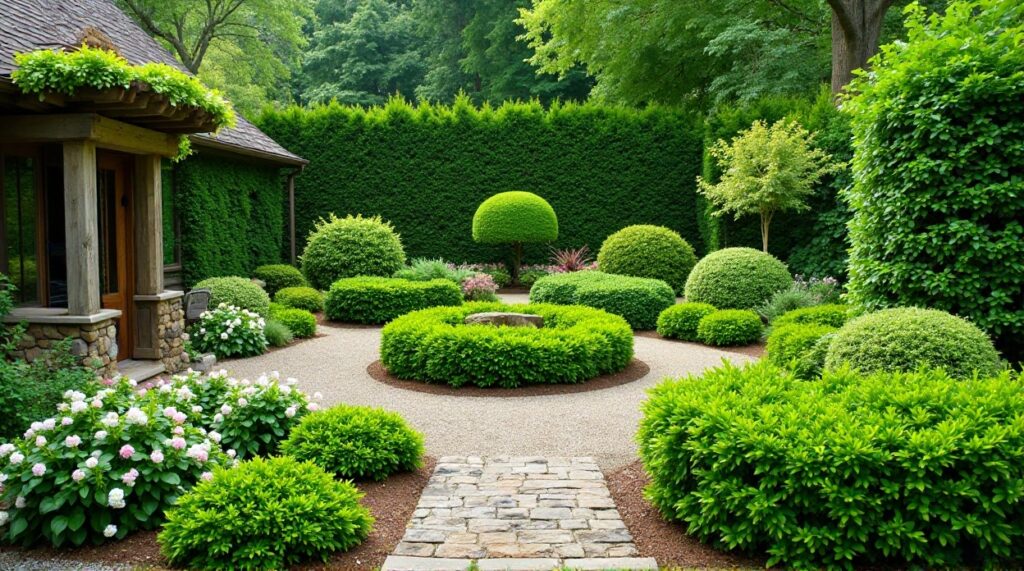
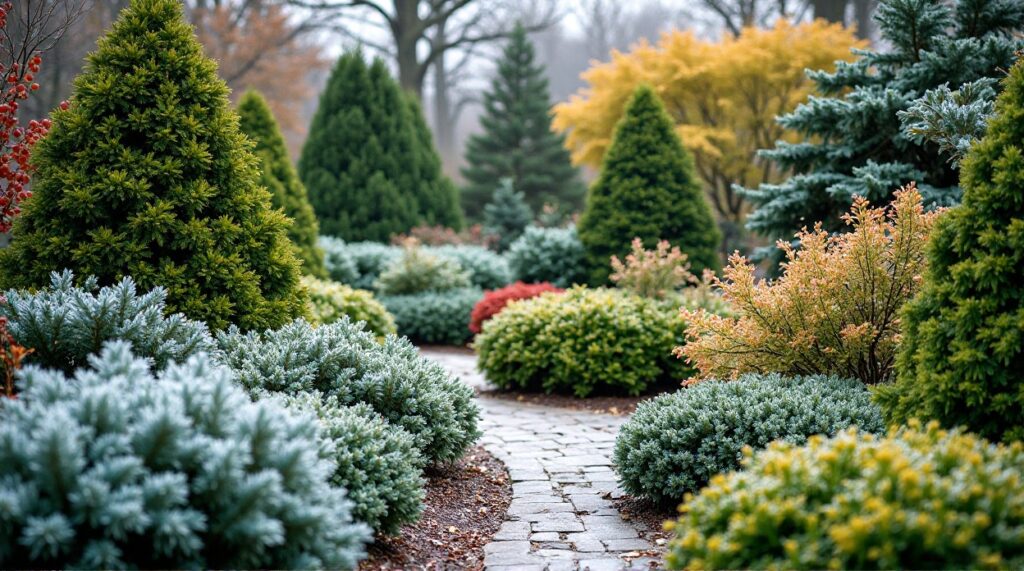
Evergreen shrubs are essential to creating a vibrant and visually engaging four-season garden. They provide structure, color, and texture throughout the year, ensuring your landscape remains beautiful even in the coldest months. In this guide, we’ll delve into the significance of evergreen shrubs, discuss how to choose the best varieties for different climates and garden styles, and offer essential tips for their care and maintenance.
The Importance of Evergreen Shrubs
Year-Round Interest
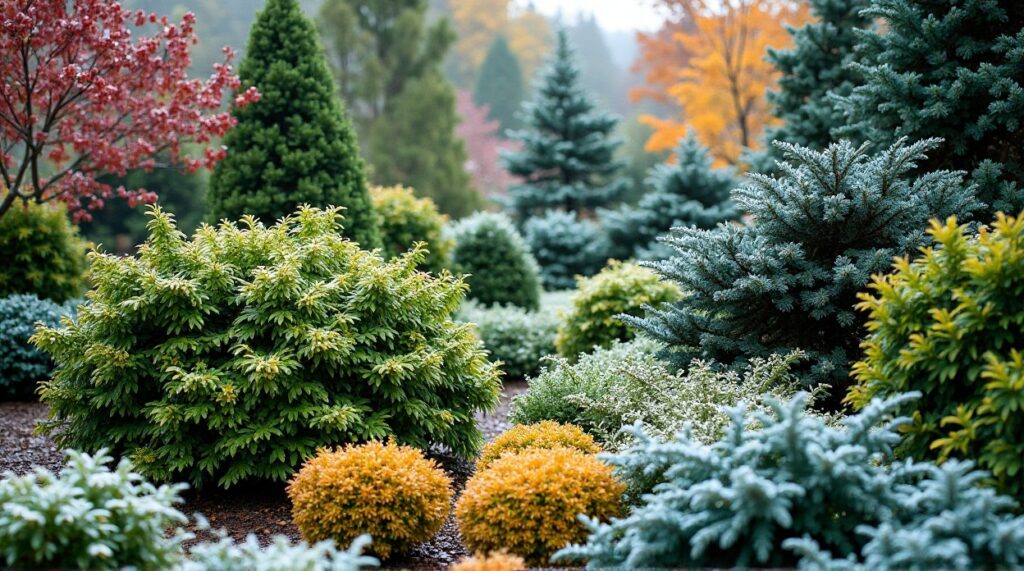
Unlike deciduous plants that lose their leaves in winter, evergreens maintain their foliage, providing continuous color and interest. They can act as visual anchors in your garden, framing seasonal blooms and creating a backdrop for other plants. Additionally, evergreens can help soften architectural features, provide privacy, and serve as windbreaks, making them versatile additions to any landscape.
Structural Integrity
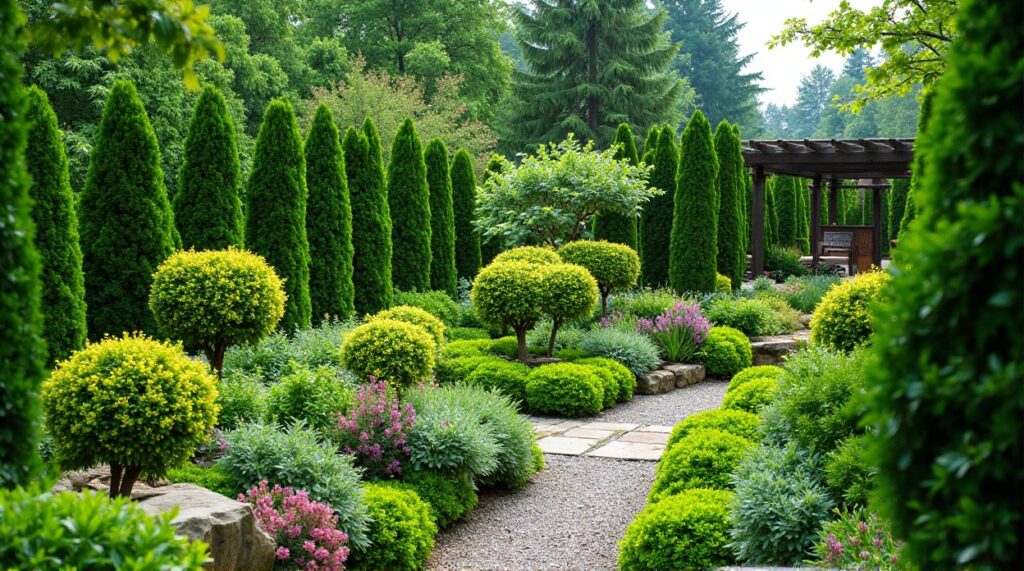
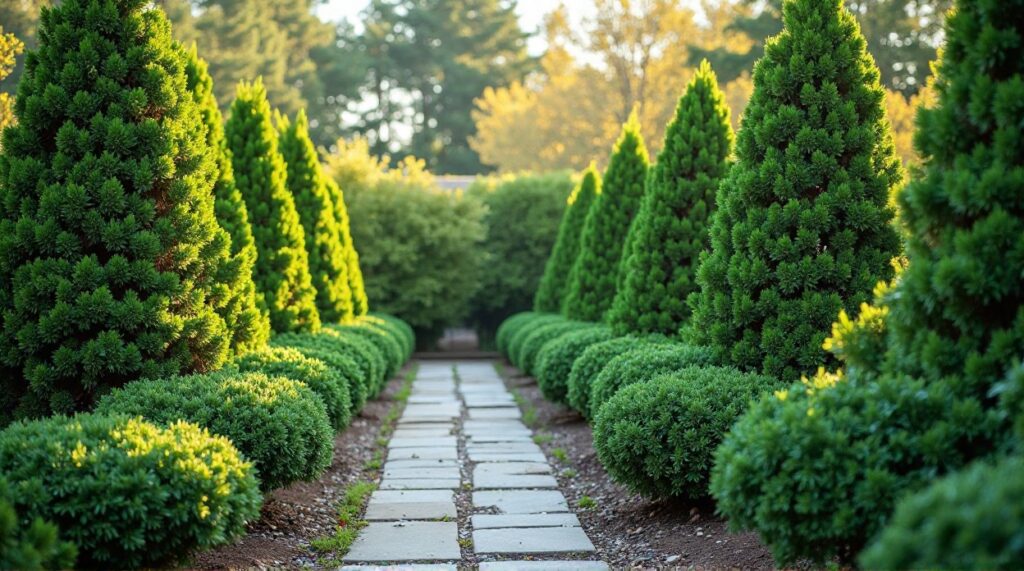
Evergreen shrubs contribute significantly to the structure of your garden. Their consistent height and form add a sense of equilibrium, helping to break up the monotony and elevate the overall design. They can define spaces within the garden or act as borders, guiding the eye along pathways and across different areas of your outdoor space.
Choosing the Right Evergreen Shrubs
Consider Your Climate
Selecting the right evergreen shrubs begins with understanding your climate zone. Different species thrive in varying conditions, from arid areas to humid regions. The U.S. Department of Agriculture (USDA) Plant Hardiness Zone Map can be an invaluable resource for determining which plants will flourish in your region.
Garden Style Considerations
Your garden’s style should also guide your choices. Here are some popular evergreen shrubs suited for different aesthetics:
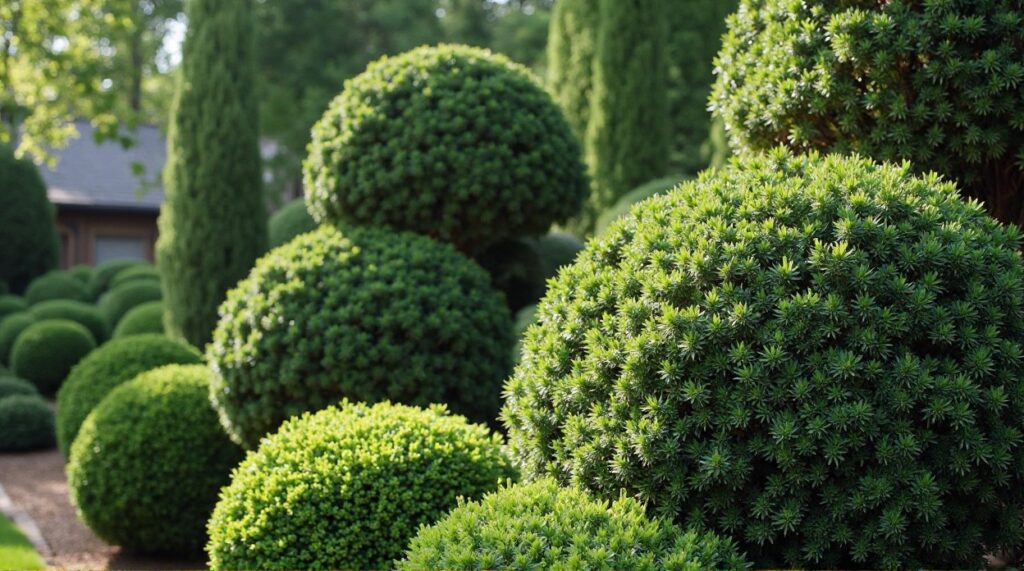
- Formal Gardens: Boxwood (Buxus) is a classic choice for structured gardens, offering neat, sculpted forms perfect for hedging and borders.
- Cottage or Informal Gardens: Spreading junipers (Juniperus) and fragrant rosemary (Rosmarinus officinalis) create a more relaxed look, seamlessly blending into a lush, vibrant cottage garden.
- Mediterranean Gardens: Olives (Olea europaea) and lavender (Lavandula) not only provide evergreen forms but also contribute fragrance and texture, encapsulating the Mediterranean charm.
- Desert Gardens: For arid regions, consider using succulents like agave or hardy varieties of junipers that require minimal water while maintaining year-round interest.
Recommended Evergreen Shrubs
- Noble Fir (Abies procera): A tall conifer ideal for providing a dramatic statement, thriving in cooler climates.
- Mountain Laurel (Kalmia latifolia): Known for its attractive flowers and glossy leaves, suitable for acidic soils.
- Holly (Ilex): Offers year-round foliage with the bonus of bright berries in winter, perfect for adding winter interest.
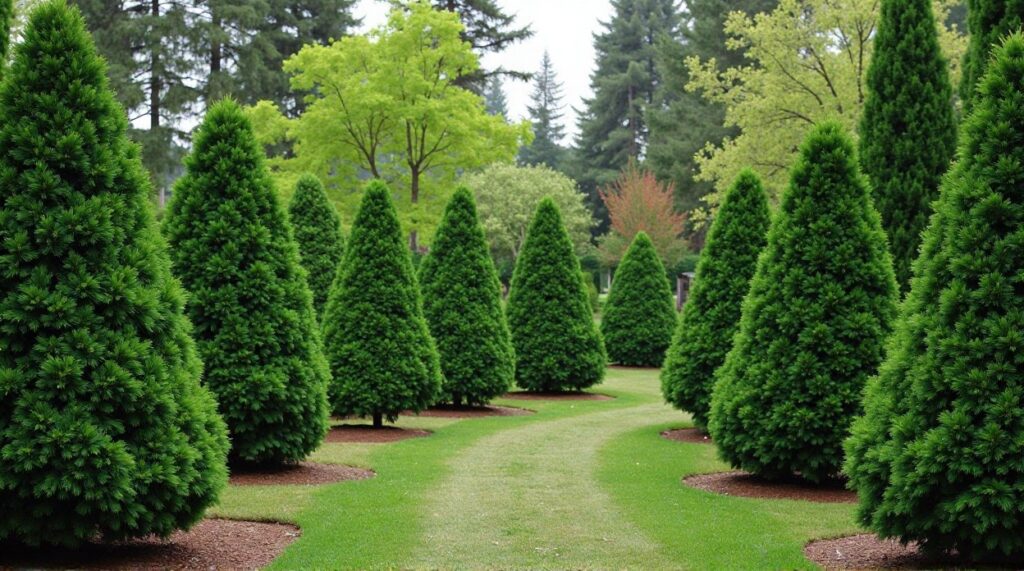
- American Arborvitae (Thuja occidentalis): A fast-growing option ideal for privacy hedges, very adaptable to various soil types.
- Camellia (Camellia japonica): An ornamental evergreen with beautiful flowers blooming in winter and early spring, adding unique seasonal charm.
Care and Maintenance of Evergreen Shrubs
Planting Tips
- Location: Ensure your evergreens are planted in a location suited to their light and moisture needs. Some may thrive in full sun, while others prefer partial shade.
- Soil Preparation: Prepare well-draining soil, enriching it with organic matter to provide necessary nutrients. Test pH levels to cater to specific plant requirements.
- Watering: Initially, water thoroughly after planting and continue to provide regular moisture until they are established. While evergreens are generally drought-tolerant, they may require supplemental watering during dry spells, especially in the first year post-planting.
Pruning and Maintenance
- Regular Pruning: Prune evergreen shrubs to maintain their desired shape and to encourage new growth. This is typically done in late winter or early spring before new growth begins.
- Mulching: Apply organic mulch around the base to retain moisture, suppress weeds, and provide nutrients as it breaks down.
- Fertilizing: Fertilize annual with a balanced slow-release fertilizer in spring to encourage healthy growth.
Pest and Disease Management
Keep an eye out for common pests such as aphids, spider mites, and scale insects. Regular inspection can prevent infestations. For diseases like root rot or needle blight, ensure proper air circulation and avoid overwatering.
Conclusion
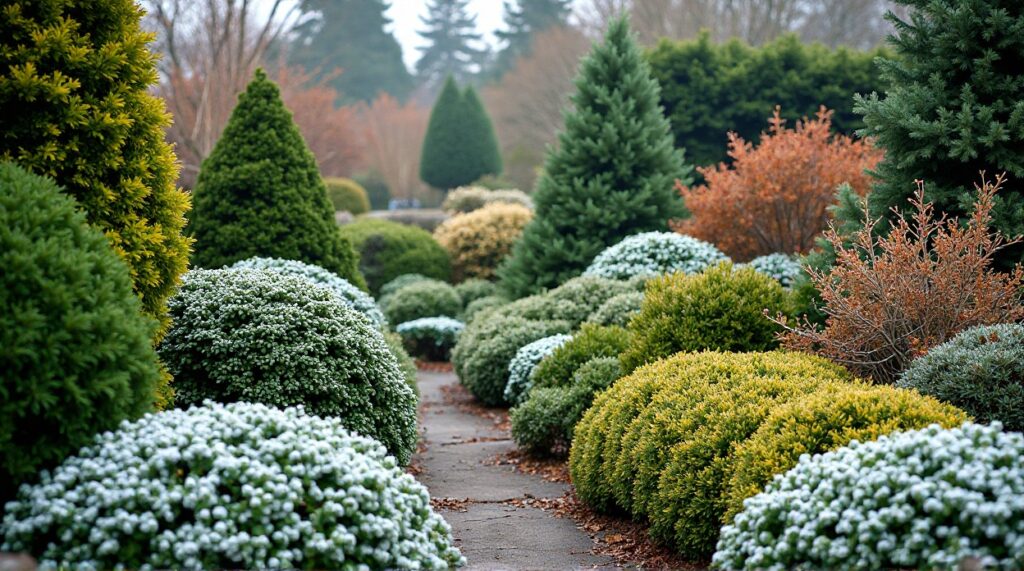
Evergreen shrubs are indeed the backbone of a successful four-season garden. By understanding their significance, selecting the right varieties for your climate and aesthetic preferences, and providing proper care, you can create a landscape that thrives year-round. Embracing evergreen elegance not only enhances the beauty of your outdoor space but also ensures your garden remains inviting and visually striking through every season, allowing you to enjoy a touch of nature’s beauty, no matter the time of year.
About the Author