Color isn’t just about aesthetics; it profoundly influences mood, perception, and overall ambiance within a space. Understanding the science behind color psychology can help you make informed decisions when selecting a color palette for room renovation. Here’s a detailed look at how different colors affect emotions and tips for choosing the best shades for various types of rooms.
1. Understanding Color Psychology
Color psychology studies how colors impact human behavior and feelings. Colors can evoke specific emotions, create atmospheres, and affect how we interact with our environment. When renovating a room, consider not only the visual appeal but also the emotional response you hope to achieve.
2. Color Meanings and Effects
- Red: Represents energy, passion, and excitement. It can stimulate appetite and increase heart rate, making it great for dining rooms but potentially overwhelming in large quantities.
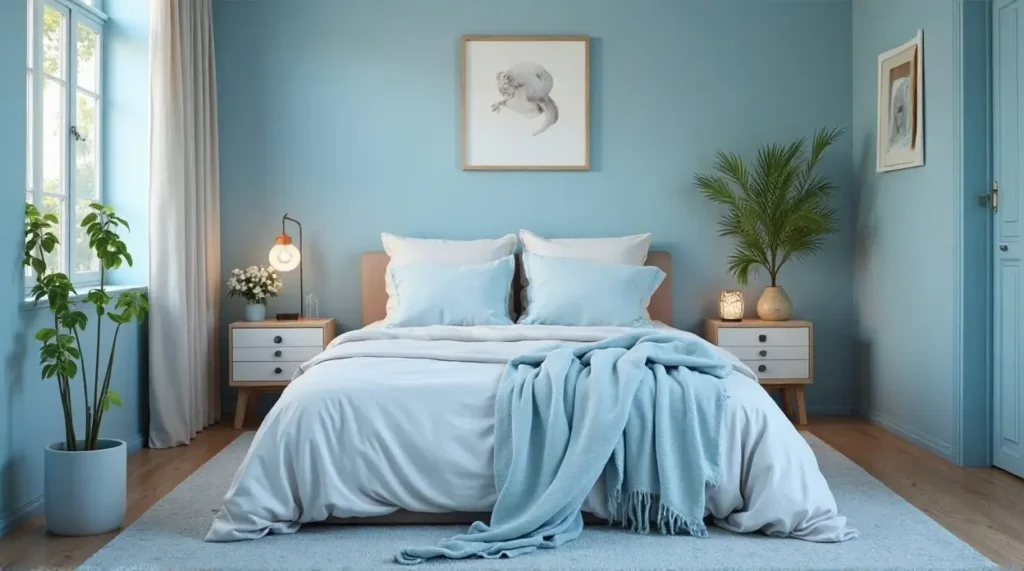
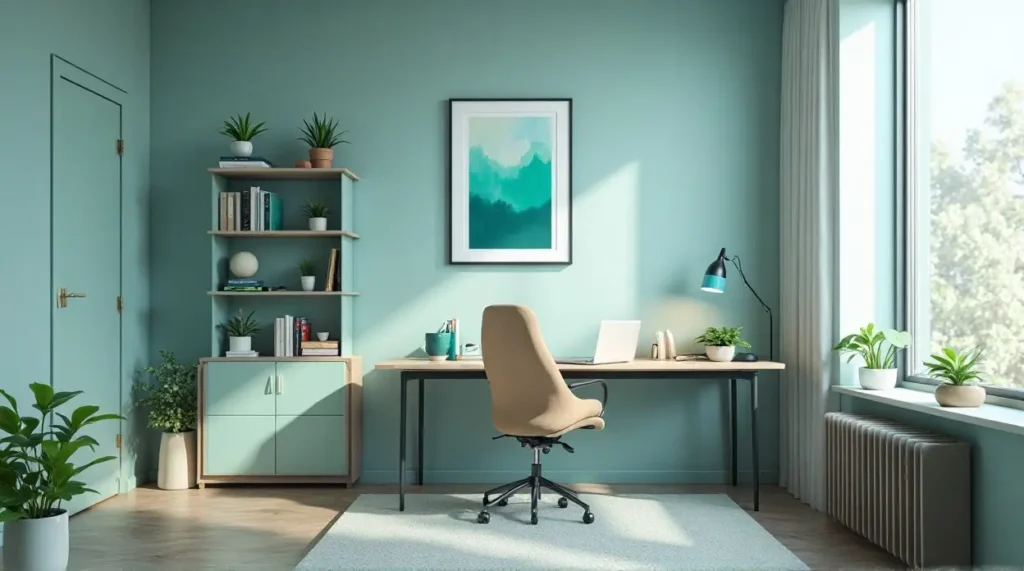
- Blue: Associated with calmness, trust, and tranquility. Light blues can make spaces feel expansive and serene, making them suitable for bedrooms or offices where focus is needed.
- Green: Symbolizes nature and growth, fostering a sense of relaxation and balance. Soft greens and muted natural tones work well in living rooms and nature-inspired spaces.
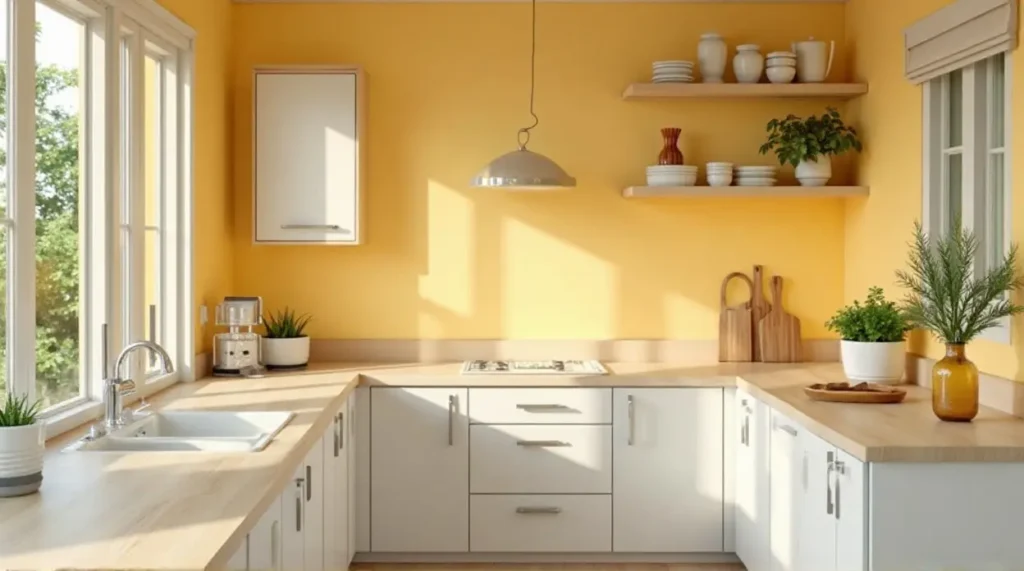
- Yellow: Evokes happiness and optimism. Its brightness can energize a space but should be used sparingly or in lighter tones to avoid overwhelming a room. It’s ideal for kitchens and playful areas.
- Orange: Combines the energy of red and the cheerfulness of yellow. It can be stimulating and encouraging. Use it in playrooms or creative spaces but balance it with neutral tones.
- Purple: Represents luxury and creativity. Lighter shades evoke tranquility, making them great for bedrooms, while deeper shades can add richness to living spaces.
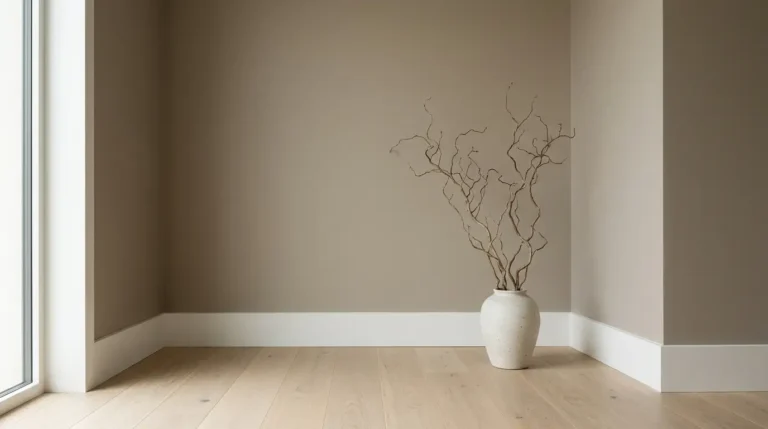
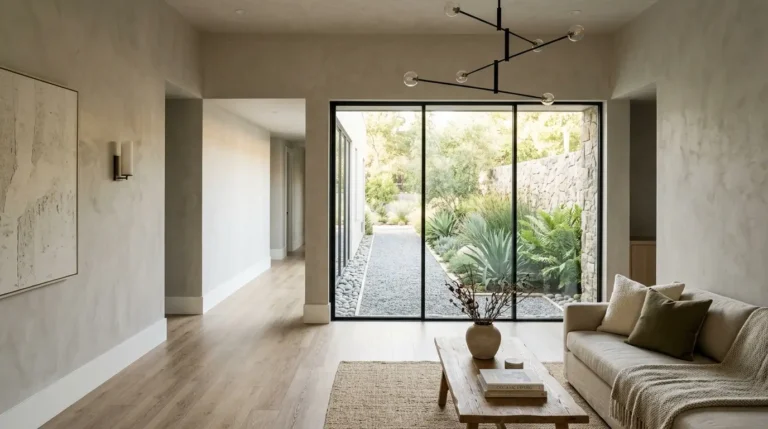
- Neutrals (White, Gray, Beige): These colors provide a calming backdrop and can make spaces feel larger. They can be paired with bolder accents to add personality without being overpowering.
3. Tips for Choosing Colors Based on Room Function
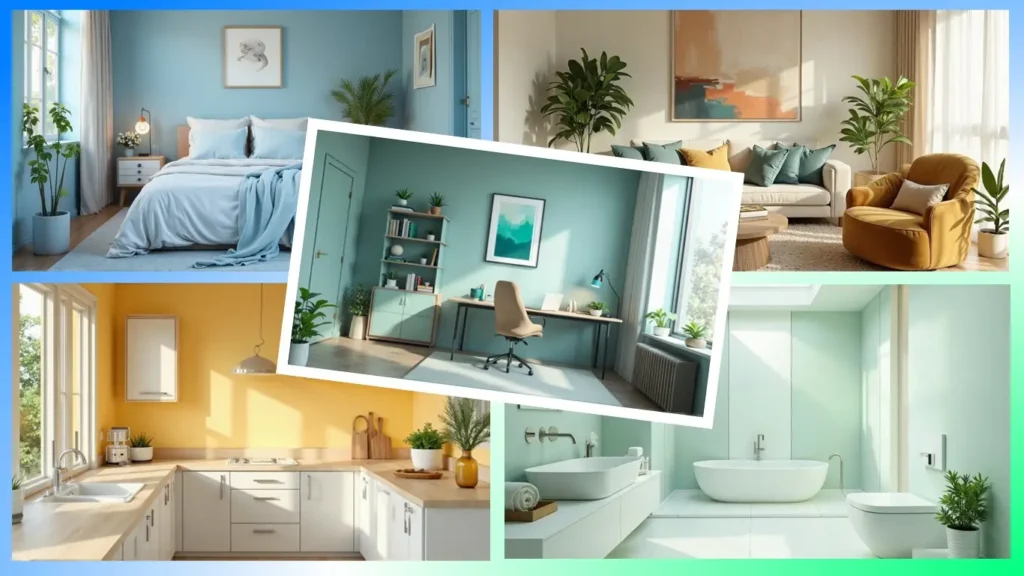
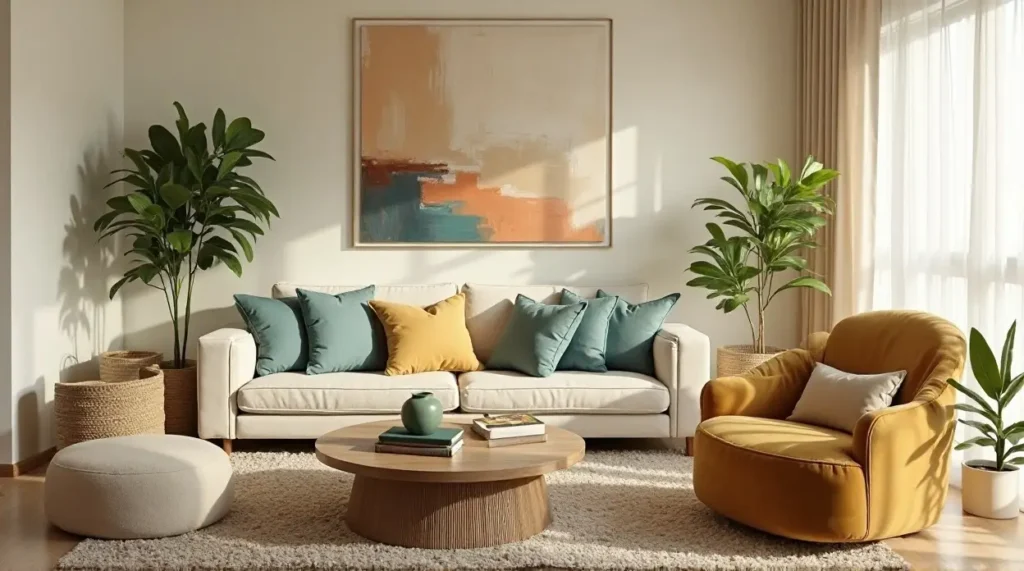
- Living Rooms: Choose colors that encourage comfort and conversation. Warm neutrals or gentle blues and greens work well. Incorporate accents in brighter shades to create focal points.
- Bedrooms: Prioritize calming colors that promote rest. Soft blues, cool greens, and gentle shades of purple encourage relaxation. Avoid overly bright colors that may be stimulating.
- Kitchens: Consider colors that stimulate appetite and energy. Warm yellows or gentle reds can create a welcoming space. Utilizing white or light gray can keep the area looking fresh and clean.
- Home Offices: Blues and greens enhance focus and productivity. Use vibrant accents sparingly to inspire creativity without causing distraction.
- Bathrooms: Light and airy colors, such as soft whites or seafoam greens, promote cleanliness and relaxation. Consider using tiles or paint that evoke a spa-like atmosphere.
4. Create Balance with Accent Colors
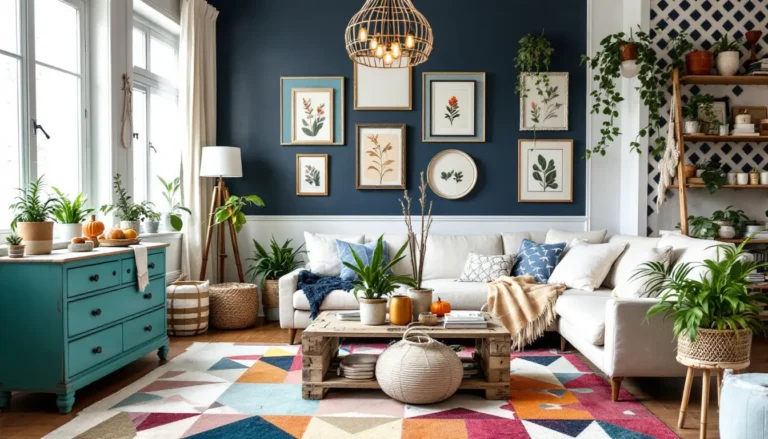
While the primary color sets the mood for a room, accent colors can impact perception significantly. Use bolder shades in smaller quantities—like decorative pillows, art pieces, or an accent wall—to create visual interest without overwhelming the space.
5. Test Colors in Different Lighting
Light can dramatically alter the perception of color in a room. Before committing to a palette, test paint samples in different lighting situations—natural light, artificial light, and throughout various times of the day—to see how the colors transform.
6. Consider Your Personal Preferences
Ultimately, your space should reflect your personality and taste. While color psychology can guide you, feel free to incorporate colors that resonate with you personally. Your feelings about certain shades can significantly impact the room’s ambiance.
Conclusion
Choosing the right color palette for room renovation involves understanding the psychology behind colors and how they affect mood and perception. By thoughtfully selecting colors based on the function of each room and your personal preferences, you can create a harmonious environment that resonates emotionally and enhances your living experience. Embrace the transformative power of color in your space, and watch as it uplifts your mood and inspires creativity. Happy renovating!
About the Author