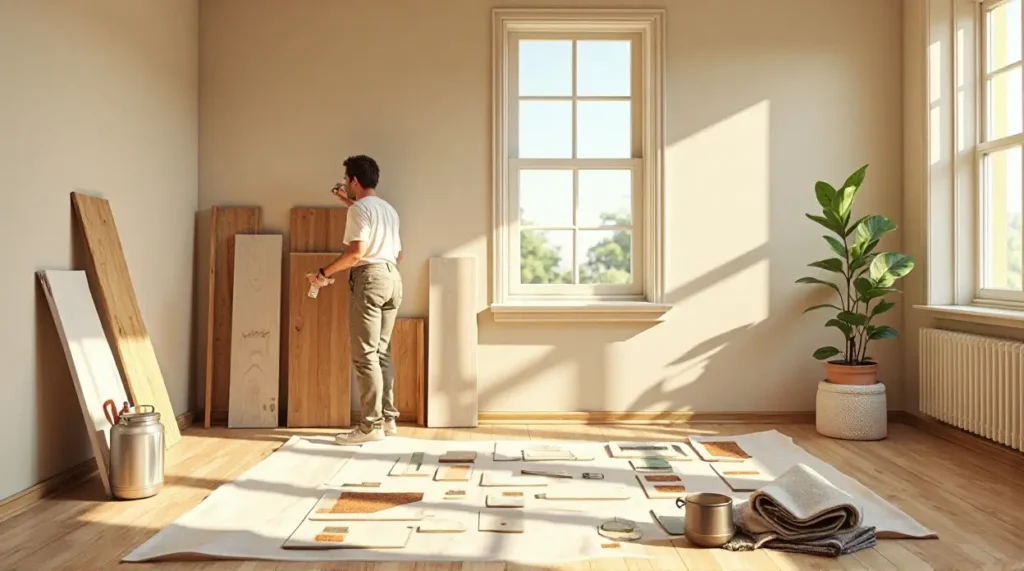
As environmental concerns grow, homeowners are increasingly looking for sustainable options when renovating their spaces. Sustainable renovation practices not only help in reducing your carbon footprint but can also promote health and well-being in your home. Here’s a guide to eco-friendly materials and practices you can incorporate into your DIY room renovation.
1. Eco-Friendly Materials
- Reclaimed Wood: Reclaimed wood is harvested from old buildings, barns, or furniture and can be repurposed for new projects. It adds character and warmth to spaces while preventing deforestation. Use it for flooring, wall paneling, or furniture.
- Bamboo: Bamboo is a rapidly renewable resource that grows much faster than traditional hardwood. It’s strong, versatile, and can be used for flooring, cabinetry, or countertops.
- Cork: Harvested from the bark of cork oak trees, which regenerate after harvest, cork is an excellent flooring option. It is biodegradable, provides insulation, and has natural moisture resistance.
- Recycled Glass: Recycled glass can be used in countertops, tiles, and decorative accents. It reduces waste and gives a unique aesthetic to your space, ensuring that every piece has its distinct character.
- Low-VOC and Zero-VOC Paints: Volatile organic compounds (VOCs) found in many paints can harm indoor air quality. Choose low-VOC or zero-VOC paints to create a healthier environment while still achieving fresh looks.
- Sustainable Fabrics: Look for textiles made from organic cotton, linen, or hemp for upholstery and curtains. These materials are grown without harmful pesticides and have a lower environmental impact.
2. Energy-Efficient Practices
- Insulation: Proper insulation is essential for energy conservation. Use eco-friendly insulation materials like cellulose (made from recycled paper), sheep’s wool, or cotton to reduce heat loss and improve energy efficiency.
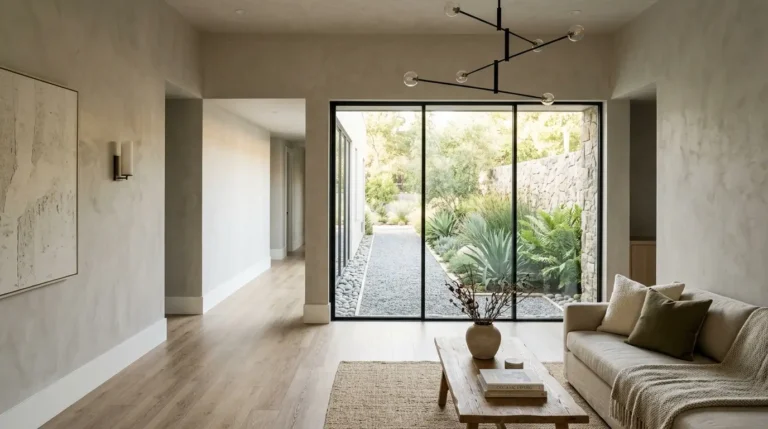
- Natural Lighting: Maximize natural light by using large windows or skylights, which can reduce the need for artificial lighting during the day. Consider light-colored, reflective surfaces to enhance brightness in your space.
- Energy-Efficient Appliances: When upgrading kitchen or laundry appliances, choose Energy Star-rated products that consume less energy and water, helping reduce your utility bills and environmental impact.
- Smart Home Technology: Incorporate smart thermostats and energy-efficient bulbs that can be controlled via apps. These devices help to optimize energy consumption and reduce waste.
3. Water Conservation Practices
- Low-Flow Fixtures: Install low-flow toilets, showerheads, and faucets to reduce water consumption while maintaining optimal performance. These fixtures save water without sacrificing functionality.
- Rainwater Harvesting Systems: Collecting rainwater for irrigation or non-potable uses can significantly reduce your water bill and conserve municipal water resources.
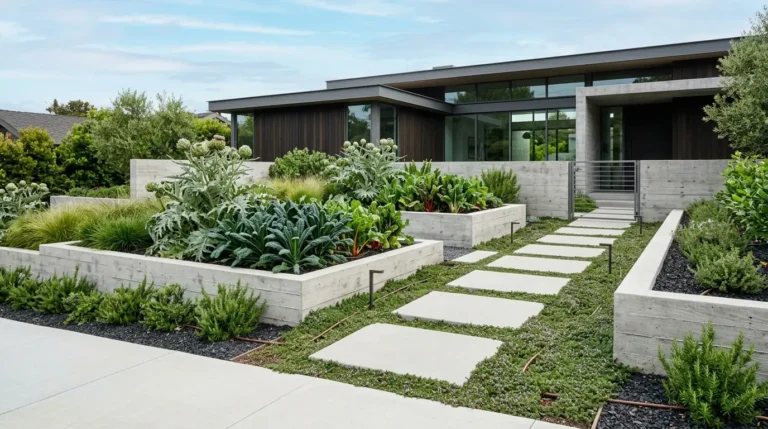
- Drought-Tolerant Landscaping: If your renovation involves outdoor space, opt for native plants and xeriscaping techniques that require less irrigation, helping to conserve water and support local ecosystems.
4. Waste Reduction Strategies
- Demolition Recycling: Before tearing down old materials, salvage as much as possible. Recycle or donate usable items like cabinets, fixtures, and appliances to reduce waste and extend their lifecycle.
- Buy Used or Vintage: Thrift shops, salvage yards, and online marketplaces often have unique second-hand items that can add character to your space without contributing to new production waste.
- Construction Waste Management: Set up a recycling plan for construction debris during your DIY project. Separate wood, metal, and drywall for recycling to minimize landfill contributions.
5. Sustainable Design Practices
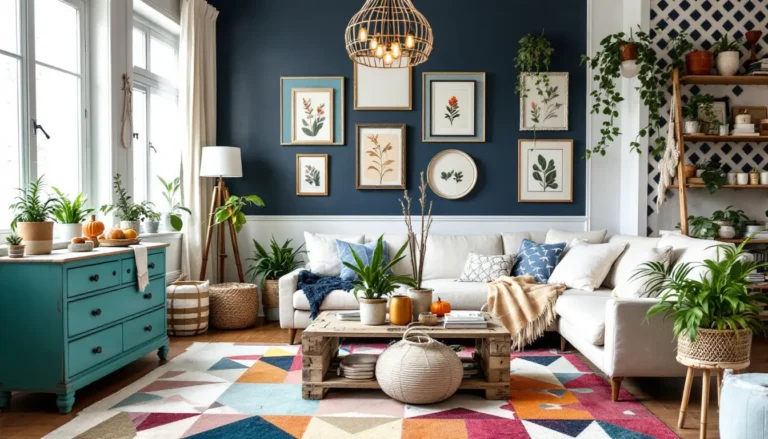
- Biophilic Design: Incorporate natural elements—like plants, natural light, and organic materials—into your renovation to enhance well-being and create a calming environment.
- Modular Furniture: Choose furniture that is modular and can be easily reconfigured or repurposed, reducing the need for new purchases as your needs change.
- Community Resources: Engage local resources, such as community workshops or sustainability-oriented groups, to learn more about eco-friendly practices and find support for your DIY project.
Conclusion
Sustainable renovation not only benefits the environment but also promotes healthier living spaces. By incorporating eco-friendly materials, energy-efficient practices, and waste reduction strategies into your DIY projects, you can create beautiful interiors that support the planet. With each conscious choice, you contribute to a more sustainable future while enjoying a unique and personal touch in your home. Happy renovating!
About the Author