In the world of architecture and interior design, minimalist design has emerged as a powerful movement that emphasizes simplicity and functionality. Among the various architectural styles, the allure of minimalism shines particularly bright in the design of modern single-story homes. The essence of minimalist design lies in its core principles—clean lines, simple forms, and restrained color palettes—each contributing to an inviting yet sophisticated aesthetic. This article delves into the principles of minimalist design as applied to modern single-story homes, illustrating how these elements can harmoniously come together to create spaces that are not only visually appealing but also enhance the quality of life for their inhabitants.
Understanding Minimalism in Architecture
What is Minimalism?
Minimalism is more than just a design aesthetic; it is a philosophy that seeks to eliminate the unnecessary and focus on the essential. Originating in the mid-20th century, this movement spans various art forms, including visual arts, music, and architecture. In the context of architecture, minimalism prioritizes open spaces, functional design, and a thoughtful approach to materials.
Principles of Minimalist Design
- Simplicity: At the heart of minimalism is the idea of simplicity. This means stripping away excess ornamentation and keeping surfaces and forms uncomplicated.
- Functionality: Every element in a minimalist design serves a purpose. The focus is on utility and efficiency without compromising on aesthetics.
- Natural Light: Use of natural light is crucial in minimalist architecture. Large windows and open floor plans create a seamless connection between the indoors and outdoors.
- Integration with Nature: Minimalist homes often harmonize with their surroundings, utilizing natural materials, landscaping, and views to promote a feeling of tranquility.
- Quality over Quantity: In minimalist design, fewer items are better than many. Emphasizing quality materials is vital to create a lasting impact.
The Appeal of Single-Story Homes
Advantages of Single-Story Living
Single-story homes have gained popularity for several reasons:
- Accessibility: With all living spaces on one level, these homes are ideal for families with young children and individuals with mobility issues.
- Flow and Connection: The absence of stairs allows for an open floor plan that encourages interaction among family members.
- Energy Efficiency: Single-story designs often have less surface area exposed to the elements, which can enhance energy efficiency.
- Maintenance: Fewer levels to maintain simplifies cleaning and upkeep, making single-story homes appealing for busy homeowners.
The Unique Blend of Minimalism and Single-Story Design
By combining minimalism with single-story living, homeowners can achieve a design that is accessible, easy to maintain, and visually elegant. Here, we will explore various principles of minimalist design in the context of modern single-story homes.
The Impact of Clean Lines
What Are Clean Lines?
Clean lines refer to the absence of intricate detailing or excessive ornamentation. In minimalist architecture, clean lines create a sense of order and simplicity, which is paramount in achieving a modern aesthetic.
Application in Single-Story Homes
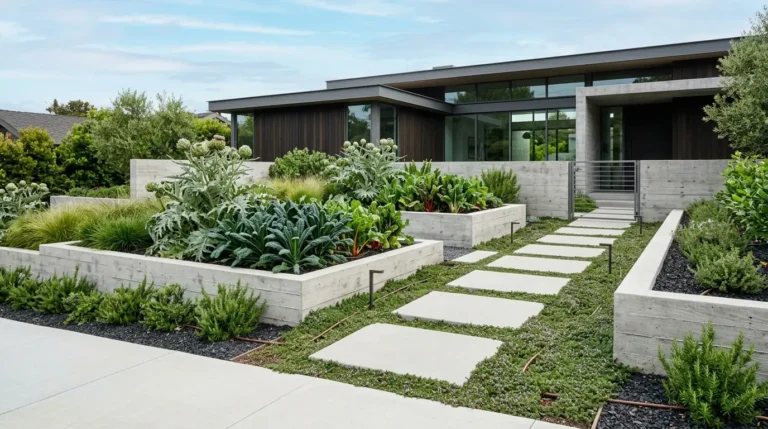
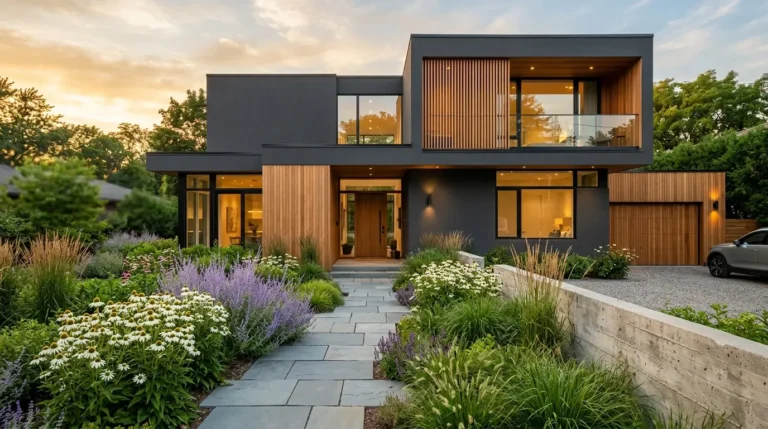
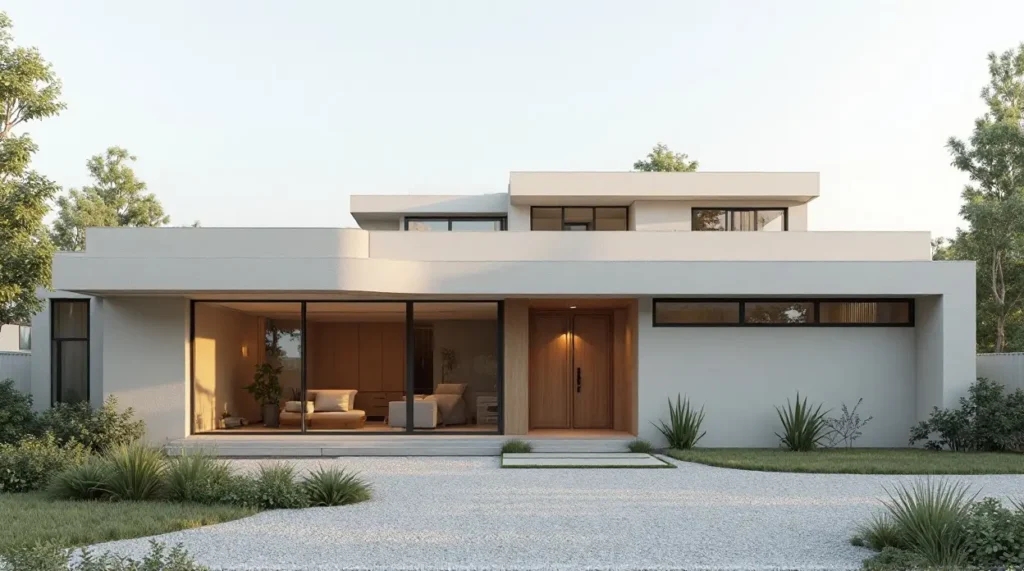
- Architectural Features: When designing a single-story home, the use of bold rectangular forms and simple geometries can emphasize clean lines. For example, flat roofs and horizontal lines can create a sense of length and diminish the overwhelming scale of vertical structures.
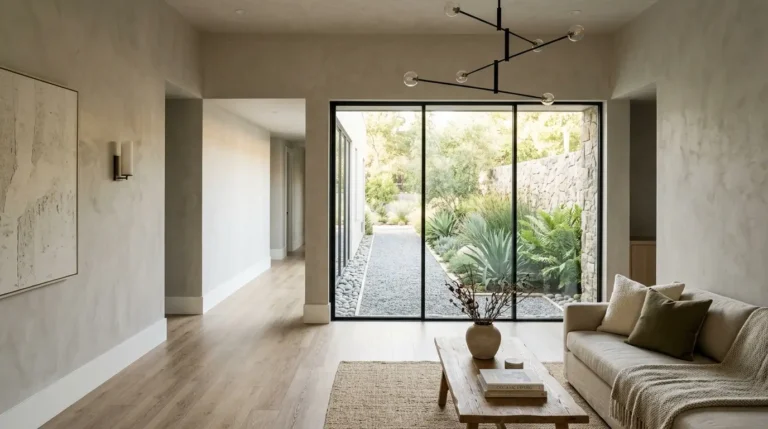
- Windows and Doors: Large glass panels and sliding doors with minimal framing further emphasize clean lines. These configurations can enhance the flow between indoor and outdoor spaces, allowing homeowners to enjoy nature while keeping the focus on the home’s architecture.
Visual Appeal of Clean Lines
The visual effects of clean lines in single-story homes cannot be understated. They provide clarity and a sense of organization, contributing to an inviting atmosphere that is both modern and functional.
Simple Forms: Creating Balance
Defining Simple Forms
Simple forms in architecture are characterized by their geometric shapes—squares, rectangles, and circles often serve as the foundation for minimalist designs.
Strategies for Achieving Simple Forms in Single-Story Homes
- Box-Like Structures: Many modern single-story homes utilize box-like structures, providing both a visually striking exterior and an efficient use of space. These forms also allow for flexible interior layouts.
- Overhangs and Porches: Simple, extended overhangs can provide protection from the elements while contributing to the architectural form. Porches or patios with minimal detailing can seamlessly transition between the interior and exterior spaces.
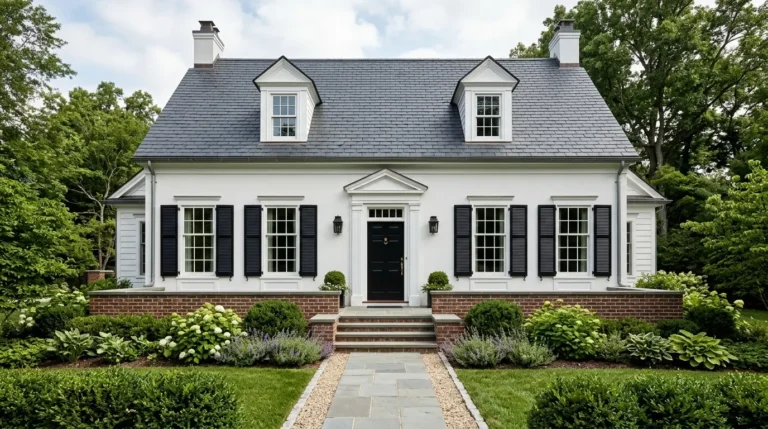
- Roof Design: Employing a flat roof or a simple gable roof design can enhance the contemporary appeal of a single-story home. The roofline can serve as a focal point that accentuates the overall simplicity of the structure.
Harmonizing Simple Forms with Functionality
When combining simple forms with functionality, it’s essential to ensure every design element serves a clear purpose. Ample storage, open dining and living areas, and carefully positioned windows can enhance the usability of space while maintaining a focus on minimalist aesthetics.
The Influence of Restraint in Color Palettes
Importance of Color in Minimalism
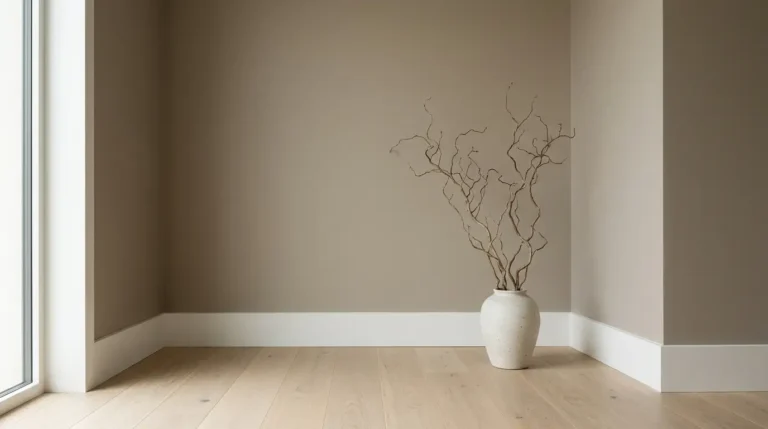
Color plays a pivotal role in minimalist design, with restrained palettes fostering a sense of calm and sophistication. The use of neutral tones allows for the architectural features and furnishings to take center stage.
Selecting a Color Palette for Modern Single-Story Homes
- Monochromatic Schemes: Using variations of a single color can create a cohesive look throughout the home. Grays, whites, and beiges are popular choices that allow for depth without overwhelming the senses.
- Accents in Natural Tones: Incorporating wooden elements or stone details can bring warmth to the otherwise cool color schemes. These materials can be used in furniture or as part of the home’s exterior finish.
- Pops of Color: While restraint is key, thoughtfully chosen pops of color in the decor can create visual interest. Consider a piece of art or a vibrant plant to add a touch of life without detracting from the overall simplicity.
Impact on Mood and Space Perception
The impact of color on the mood and perception of space should not be underestimated. A carefully curated color palette can enhance natural light penetration, making spaces feel larger and more welcoming.
Cultivating Inviting Spaces
The Role of Open Layouts
One of the defining characteristics of modern single-story homes is the open layout, which fosters a sense of community and connectivity within the home.
- Living Areas: Combining the kitchen, dining, and living areas into an open floor plan creates a fluid environment ideal for entertaining and daily interactions.
- Flow of Movement: An open layout allows for natural movement between different areas of the home, maximizing accessibility without physical barriers.
Enhancing Comfort through Minimalism
- Furniture Selection: Minimalist furniture designs often utilize multifunctionality to save space while offering comfort. For instance, a dining table that doubles as a workspace is a practical addition in smaller homes.
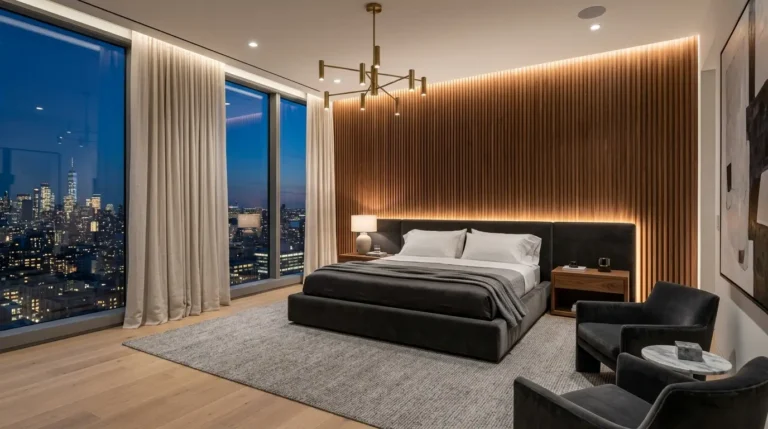
- Incorporating Textures: Emphasizing texture over color can add depth without overwhelming the viewer. Soft textiles in furniture or natural wood surfaces help create an inviting atmosphere while maintaining minimalist principles.
Embracing Nature: Bringing the Outdoors In
Biophilic Design Principles
In modern single-story homes, the connection between interior spaces and nature is often realized through biophilic design. This principle encourages the incorporation of natural elements to improve the inhabitants’ well-being and enhance the minimalist aesthetic.
Strategies for Integrating Nature
- Large Windows and Glass Doors: Maximizing natural light and offering unobstructed views of the garden or landscape can create a tranquil indoor environment while reinforcing a connection with nature.
- Indoor Plants: Simple, low-maintenance plants can add life to a minimalist home, contributing to a healthier indoor atmosphere as well as adding a touch of color and texture.
- Outdoor Living Spaces: Designing outdoor living areas that flow seamlessly from the interior can increase usable space while allowing homeowners to enjoy their surroundings.
Conclusion: Elevating Living Through Minimalism
The allure of minimalism in the design of modern single-story homes resides in its fundamental belief that less is more. A focus on clean lines, simple forms, and restrained color palettes cultivates an inviting yet sophisticated environment—one that celebrates both functionality and aesthetics.
As architecture evolves to meet the needs of contemporary lifestyles, minimalist design continues to resonate with homeowners seeking simplicity, efficiency, and a profound connection to nature. Through thoughtful design and an understanding of minimalist principles, modern single-story homes can be transformed into serene sanctuaries that elevate living for all who inhabit them.
In conclusion, the elegance of minimalism not only enhances the aesthetic of a home but also promotes a lifestyle centered on quality over quantity. By embracing the allure of minimalism, we can create spaces that reflect our values, foster a sense of peace, and inspire a profound appreciation for the beauty of simplicity.
This comprehensive exploration of minimalist design in modern single-story homes underscores the movement’s significance in contemporary architecture. As we embrace minimalism, we celebrate the essence of living well with less, creating environments that are both visually stunning and deeply enriching.
About the Author