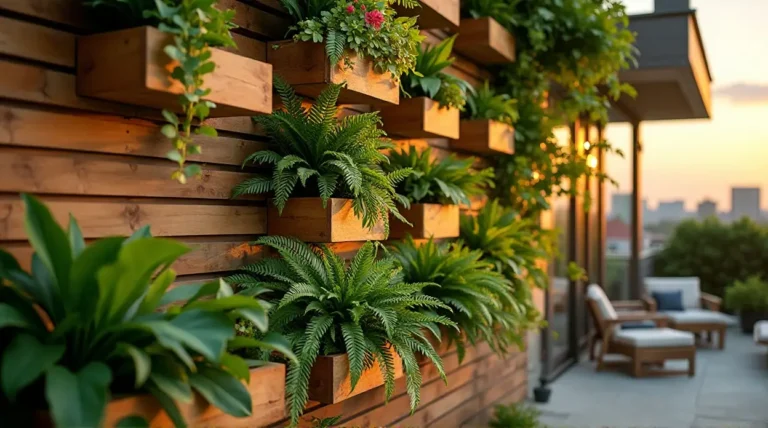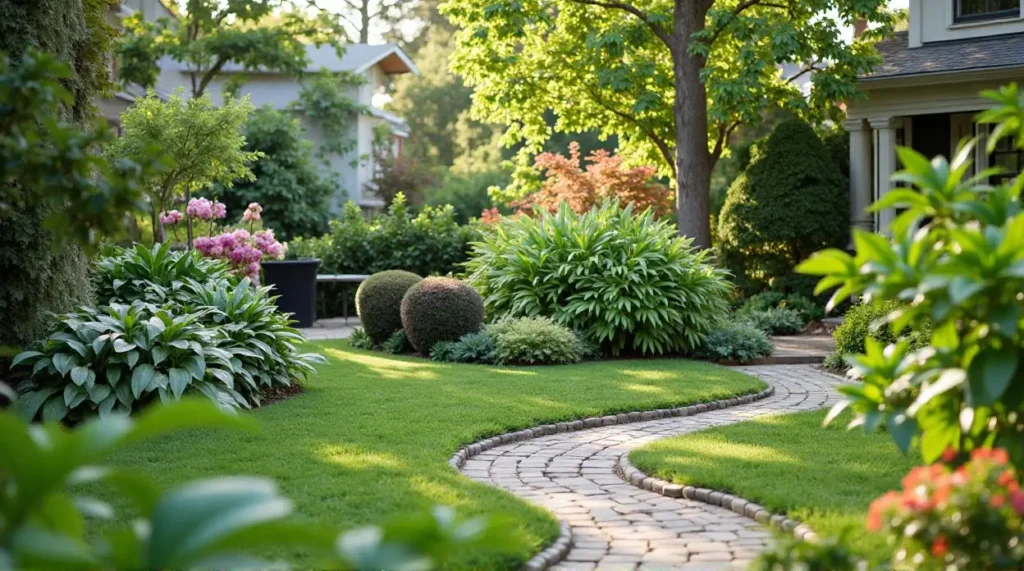
Designing a front yard with native Canadian plants not only enhances the natural beauty of your home but also supports local ecosystems and promotes biodiversity. Native plants are adapted to the local climate, soil, and wildlife, making them a sustainable choice for landscaping. This guide will explore the beauty and benefits of native Canadian plants that thrive across various climates, helping you create a visually appealing and ecologically rich front yard.
The Importance of Native Plants
- Biodiversity Enhancement:
- Native plants provide essential habitats for local wildlife, including pollinators like bees, butterflies, and birds. By using native flora, you contribute to the preservation of local ecosystems and promote a healthier environment.
- Climate Adaptability:
- Native plants are adapted to their respective environments and are more resilient to local climate conditions, pests, and diseases. This translates to lower maintenance requirements and reduced reliance on chemical fertilizers and pesticides.
- Water Conservation:
- Many native species are drought-tolerant and require less water than non-native varieties, making them a sustainable choice for gardens, particularly in regions prone to drought.
- Aesthetic Appeal:
- Native plants can be stunning visually, offering diversity in colors, shapes, and textures. Their seasonal changes add interest throughout the year.
Native Plant Varieties by Region
1. Coastal Regions (West Coast and Atlantic Canada)
Western Red Cedar (Thuja plicata):
- A stately evergreen tree, it offers lush foliage and a beautiful form, ideal for creating a focal point in the landscape. Its dense leaves provide year-round interest and shelter for wildlife.
Pacific Rhododendron (Rhododendron macrophyllum):
- With large, showy flowers that bloom in spring, this shrub adds vibrant color to any front yard. It thrives in coastal areas and provides excellent coverage.
Blue Flag Iris (Iris versicolor):
- A beautiful native wetland plant with striking blue flowers, it thrives in moist conditions and can add elegance to rain gardens or along the edges of water features.
2. Prairie Regions
Purple Coneflower (Echinacea purpurea):
- Known for its daisy-like blooms, this perennial attracts pollinators and adds a splash of color, especially in summer. It is drought-tolerant and thrives in full sun.
Canada Wild Rye (Elymus canadensis):
- A native grass that adds texture and movement to the landscape, Canada Wild Rye is ideal for stabilizing soil and enhancing biodiversity. It fits well into naturalized gardens.
Saskatoon Berry (Amelanchier alnifolia):
- This shrub bears sweet, edible berries and offers beautiful white flowers in spring. Its multi-season interest makes it an excellent choice for a native garden.
3. Boreal Forest and Northern Regions
Tamarack (Larix laricina):
- This unique conifer sheds its needles in the fall, providing dynamic seasonal interest. It grows well in wet or dry conditions and offers structural beauty to the landscape.
Wild Red Currant (Ribes rubrum):
- A deciduous shrub that produces edible berries, it is an excellent addition to native gardens. It also attracts pollinators and provides food for birds.
Canada Anemone (Anemone canadensis):
- With its delicate white flowers and lush greenery, this perennial adds charm and softness to the garden. It spreads easily and works well as ground cover in shaded areas.
4. Mixed Woodlands (Central and Eastern Canada)
Eastern Redbud (Cercis canadensis):
- A stunning small tree known for its beautiful pink flowers in early spring, this tree is perfect for adding character to your front yard.
Black-eyed Susan (Rudbeckia hirta):
- Known for its sunflowers-like blooms, this perennial creates a striking display while attracting bees and butterflies. It is hardy and adaptable, thriving in a variety of soils.
Sweet Fern (Comptonia peregrina):
- A unique shrub with fragrant leaves, Sweet Fern offers a lovely texture and works well as a ground cover in sandy soils.
Designing with Native Plants
1. Plan for Seasonal Interest
- Select a mix of plants that bloom at different times throughout the growing season to ensure year-round visual appeal. Incorporate evergreens for winter interest, herbaceous perennials for spring and summer blooms, and deciduous plants for fall colors.
2. Create Layered Landscapes
- Arrange plants in layers based on their height: tall plants at the back, mid-sized plants in the middle, and ground covers in the front. This adds depth and structure to the design.
3. Incorporate Natural Hardscaping
- Use natural materials like stones, boulders, and wood to enhance the native aesthetic. Incorporate pathways or seating areas that blend with the landscape to create a harmonious and inviting space.
4. Group Similar Plants
- Use mass plantings of the same species to create bold visual statements and make a greater ecological impact. Grouping plants that thrive in similar conditions can make maintenance easier.
5. Support Wildlife
- Design your front yard with pollinator gardens in mind by incorporating a variety of flowering plants that attract bees, butterflies, and birds. This not only enhances biodiversity but also creates a lively, engaging landscape.
Conclusion
Embracing Canadian flora through the use of native plants in your front yard not only enhances the visual appeal of your landscape but also contributes to the wider ecosystem’s health. By selecting a variety of species that thrive in your specific region, you can create a stunning, sustainable garden that celebrates the beauty of Canada’s natural heritage. With the right combination of colors, textures, and seasonal interest, your front yard can become a vibrant showcase of native flora that benefits both your home and the environment.
About the Author