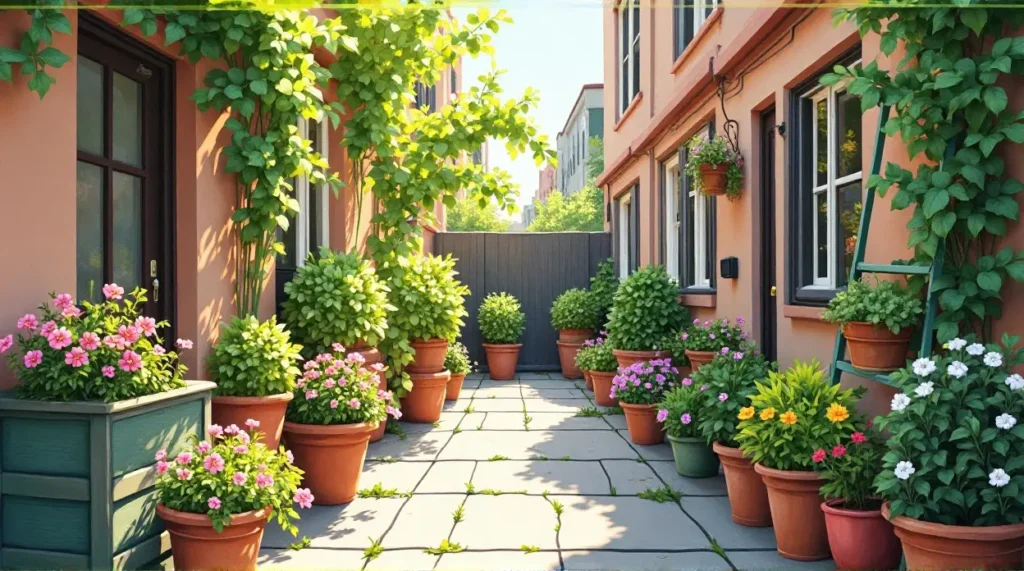
Container gardening offers a brilliant solution for utilizing narrow side yards where traditional in-ground planting may be impractical. By using pots and planters, you can create a vibrant garden that maximizes space, enhances aesthetics, and allows for flexibility in plant selection. Here’s a comprehensive guide to the benefits of container gardening in tight spaces, along with recommendations for plant selection, container styles, and arrangement ideas to elevate your outdoor area.
1. Benefits of Container Gardening
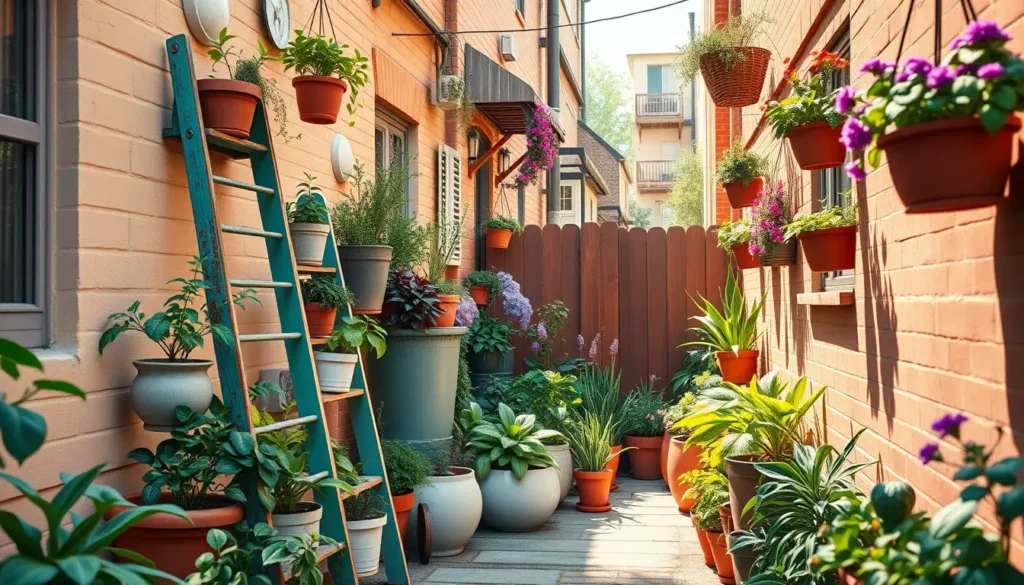
- Space Efficiency: Containers can be placed strategically in small spaces, allowing you to grow a variety of plants without the need for extensive ground coverage. They can be arranged vertically, along walls, or even on steps.
- Mobility: Containers allow for easy rearrangement, enabling you to change the look of your garden seasonally or according to your preferences, sunlight availability, and climate conditions.
- Soil Control: You have complete control over the soil quality, allowing you to tailor the mix to specific plants needs. This is particularly beneficial for plants that require well-draining soil or special nutrients.
- Reduced Pests and Weeds: Container gardens can help limit weed growth and provide some protection against soil-borne pests, minimizing the need for chemical interventions.
- Flexibility: Containers allow for seasonal changes, making it easy to switch out plants based on blooming cycles or growing conditions.
2. Recommendations for Plant Selection
Choosing the right plants is critical for container gardening in narrow side yards. Here are some suitable options:
- Compact Vegetables and Herbs:
- Cherry Tomatoes: Perfect for small spaces, they can be grown in containers and trained to grow upwards.
- Lettuce and Salad Greens: Fast-growing and can be harvested multiple times.
- Basil, Thyme, and Oregano: Great for small pots, herbs add fragrance and culinary flair.
- Flowering Plants:
- Petunias and Geraniums: These annuals provide vibrant blooms and can be used to create a colorful display.
- Fuchsia and Begonias: Perfect for shaded areas and add striking color.
- Succulents and Cacti: Excellent for low-maintenance options that thrive in well-drained soil and require minimal watering.
- Foliage Plants:
- Ferns: Add lush greenery and can thrive in shady spots.
- Hostas: Compact varieties fit well in containers, offering attractive foliage that can survive in partial shade.
- Climbing Plants:
- Sweet Peas and Climbing Roses: Use trellises or stakes to grow upwards, making them ideal for adding vertical interest in narrow spaces.
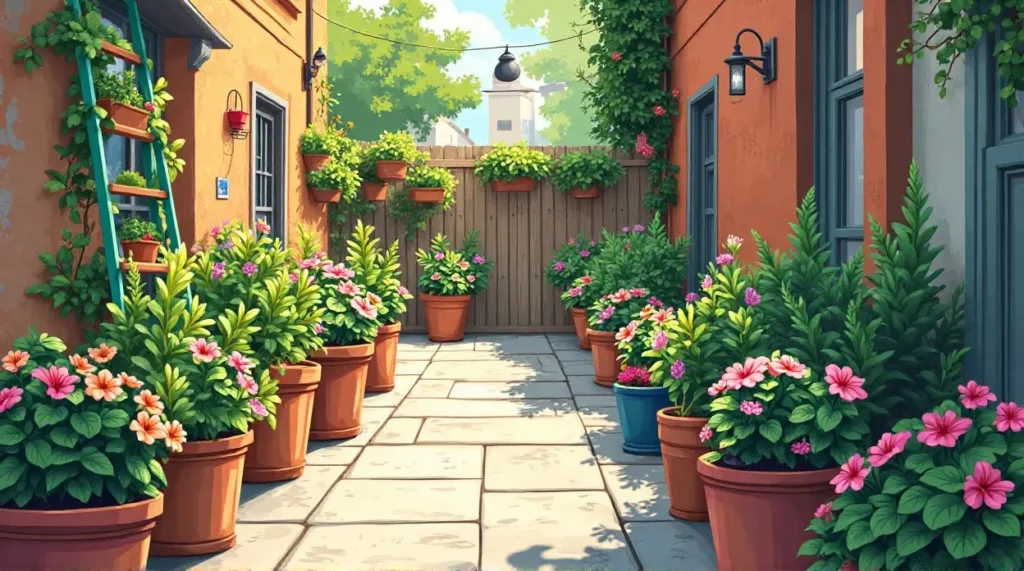
- Sweet Peas and Climbing Roses: Use trellises or stakes to grow upwards, making them ideal for adding vertical interest in narrow spaces.
3. Container Styles
The style of your containers can significantly impact the overall aesthetic of your narrow side yard. Here are some styles that work well:
- Classic Terra Cotta: The traditional choice that provides excellent breathability for roots. The natural clay color complements various designs.
- Metal Containers: Bring a modern edge with galvanized steel or copper containers. They can add a contemporary touch but ensure there are drainage holes.
- Decorative Ceramic Pots: Available in various colors and designs, ceramic pots can serve as eye-catching focal points in your garden.
- Recycled Materials: Consider using repurposed items like wooden crates, old furniture, or even buckets for a unique and eco-friendly approach.
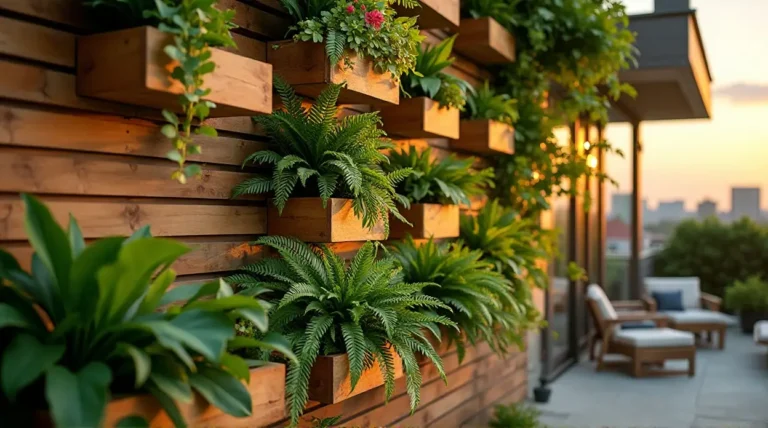
- Vertical Planters: Utilize wall-mounted planters or tiered planters to create vertical gardens and save space while making an artistic statement.
4. Arrangement Ideas
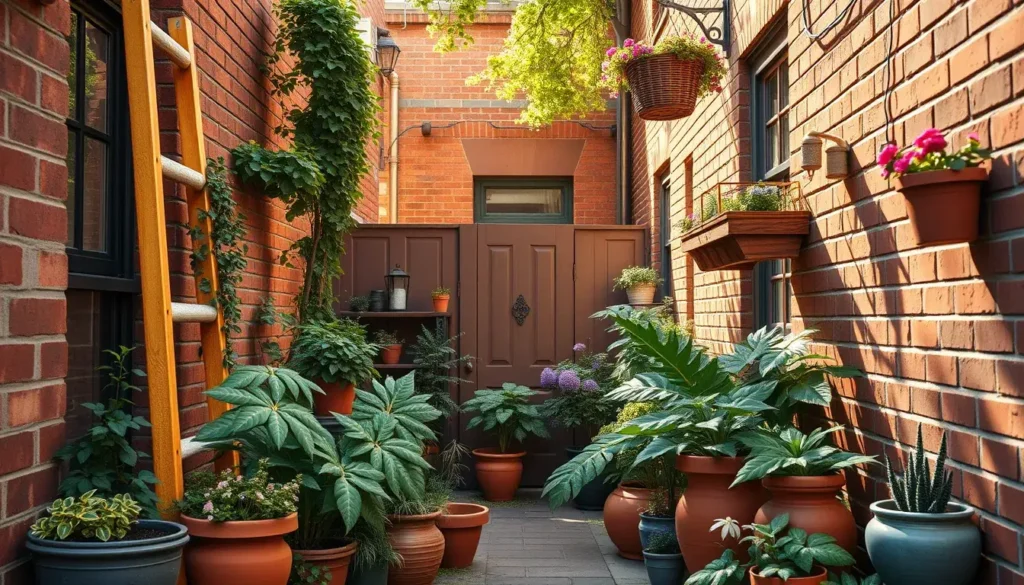
The arrangement of your containers can enhance the visual appeal of your narrow side yard. Here are several ideas:
- Layering: Use containers of varying heights to create a tiered effect. Taller plants placed at the back and shorter pots in the front create depth and draw the eye through the garden.
- Groupings: Cluster containers together in groups of odd numbers (e.g., three or five) for a more natural and visually appealing look. Vary the sizes and shapes within the groups.
- Pathway Borders: Line the edges of pathways with containers to create defined borders that enhance movement through the space.
- Corner Arrangements: Place larger, statement containers in corners or at the ends of a narrow yard. This draws attention and makes the space feel fuller.
- Integration with Other Features: Consider incorporating plants with garden sculptures, lanterns, or trellises to create cohesive arrangements that balance visual elements in the landscape.
5. Maintenance Tips
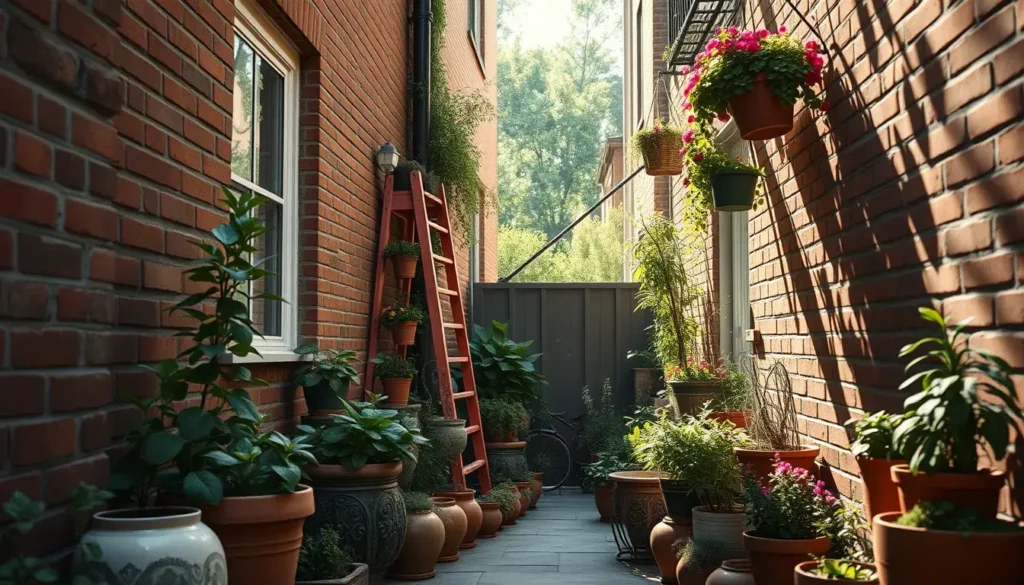
To ensure the success of your container garden:
- Watering: Containers can dry out quickly, especially during hot weather. Regular watering is crucial, so check moisture levels frequently. Consider drippers or self-watering systems for ease.
- Fertilizing: Regular feeding with balanced fertilizers will promote healthy growth and flowering. Containers often need nutrients replenished, so choose liquid fertilizers or slow-release options.
- Pruning: Regularly prune and deadhead plants to maintain a tidy appearance and encourage new blooms.
- Seasonal Rotation: Reassess your plant selections as seasons change, swapping out summer blooms for hardy winter plants or transitioning vegetables as needed.
Container gardening is a versatile and effective solution for maximizing the potential of narrow side yards. By understanding the benefits, selecting the right plants, choosing aesthetically pleasing container styles, and arranging them creatively, you can transform tight spaces into vibrant garden areas. This accessible and flexible gardening style allows you to enjoy lush greenery and colorful blooms, enriching your outdoor experience regardless of space constraints. Embrace the art of container gardening and let your narrow side yard flourish with beauty and diversity.
About the Author