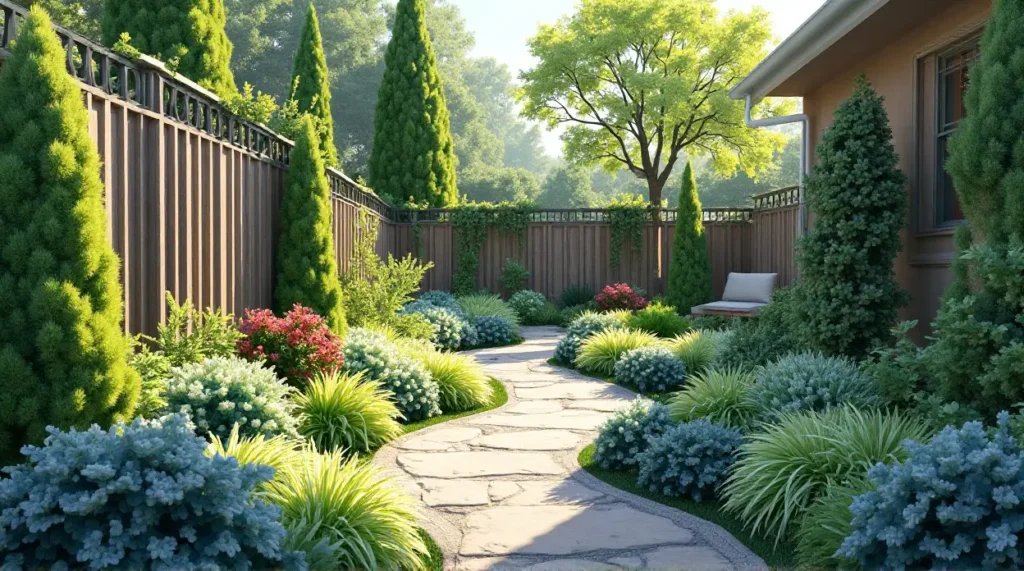
A narrow side yard presents unique challenges and opportunities for gardeners and landscapers alike. By thoughtfully incorporating different textures, colors, and layers of plants, you can create an inviting and visually interesting space that feels larger and more dynamic. Here’s how to achieve depth and allure in your narrow side yard landscape.
1. Understanding Depth in Landscaping
Creating depth in a landscape involves using a combination of plant heights, textures, and colors to give the illusion of a more expansive area. The key is to create a layered effect that draws the eye through the space, making it more welcoming and engaging.
2. Utilizing Plant Textures
Different plant textures can significantly affect the overall feel of your side yard:
- Fine Textures: Plants with delicate leaves, such as ferns or ornamental grasses, add softness and movement. Fine-textured plants are excellent for the foreground and can create a gentle contrast with bolder plants.
- Coarse Textures: Use plants with broader leaves, such as hostas or large tropical plants, to create focal points. Coarse textures can anchor the space and add visual weight.
- Varied Foliage Shapes: Incorporating plants with diverse shapes, such as spiky succulents, rounded shrubs, or cascading vines, adds interest. This diversity keeps the eye engaged and creates layers of visual appeal.
3. Layering for Visual Interest
To create a sense of depth in your narrow side yard, consider layering your plantings both vertically and horizontally:
- Vertical Layering: Arrange plants in varying heights from the tallest at the back to the shortest at the front. This arrangement ensures that each layer is visible, allowing light to filter through and creating an inviting atmosphere.
- Horizontal Layering: Create groups of plants with similar heights and textures to form visual blocks. Incorporating a combination of shrubs, perennials, and ground covers can further enhance this effect.
- Use of Focal Points: Introduce taller feature plants, such as small trees or large ornamental grasses, at key points to serve as focal points. This draws the eye outward and helps to break up the narrowness of the space.
4. Incorporating Color
Color plays a vital role in enhancing depth and creating a lively environment:
- Choose a Color Palette: Select a cohesive color scheme that reflects your style and complements your home. Incorporate a mix of blooming plants, foliage colors, and seasonal variations to keep the garden vibrant throughout the year.
- Use Warm and Cool Colors: Warm colors (like reds, oranges, and yellows) can draw attention and make a space feel closer, while cool colors (like blues, greens, and purples) recede and create an illusion of distance. Balancing these colors can help create depth.
- Seasonal Variation: Include plants that bloom at different times throughout the year to maintain interest. For example, think about early spring bulbs, summer perennials, and autumn foliage to provide a dynamic color display.
5. Incorporating Hardscape Elements
Hardscaping features can also add depth and interest to your side yard:
- Pathways: Use stone, brick, or gravel pathways to lead the eye through the space. A meandering path adds movement and creates the illusion of length in a narrow area.
- Vertical Structures: Incorporate trellises, arbors, or garden screens to draw the eye upward. These structures can support climbing plants and create focal points while adding vertical interest.
- Containers and Raised Beds: Use planters and raised beds to create additional layers. Strategically placed, these features can add height and delineate different planting areas, enhancing the sense of space.
6. Maintenance and Care
To maintain the beauty and depth of your side yard:
- Regular Pruning: Keep your plants trimmed to encourage healthy growth and maintain desired shapes. This also allows for light penetration, which is key to thriving plants.
- Weed Control: Regularly manage weeds to ensure that plants can thrive and that the layering effect remains clear.
- Seasonal Updates: Consider rotating seasonal plants or adding new textures/colors periodically to keep the landscape dynamic and fresh.
Creating depth and interest in a narrow side yard landscape involves a thoughtful blend of textures, colors, and plant layers. By consciously arranging plants, incorporating hardscape elements, and considering the overall aesthetics, you can transform your side yard into a vibrant, inviting space that feels more expansive than it actually is. Embrace the potential of your narrow side yard and turn it into a beautiful retreat that reflects your personality and enhances your outdoor experience.
About the Author