In recent years, the concept of eco-friendly landscaping has gained significant traction as homeowners and landscape architects increasingly recognize the importance of sustainable practices in creating not only visually appealing outdoor spaces but also environmentally responsible ones.
Eco-friendly landscaping transcends mere aesthetics; it encompasses practices that conserve natural resources, promote biodiversity, and reduce pollution. As global environmental challenges mount, including climate change, habitat loss, and water scarcity, adopting sustainable landscaping practices is more critical than ever.
This article delves into the significance of sustainable landscaping, explores the benefits of native plant selections, and offers practical tips for implementing eco-friendly landscaping practices in your own outdoor space. By integrating these strategies into your landscaping endeavors, you can cultivate a modern retreat that harmonizes with the environment while enhancing its beauty.
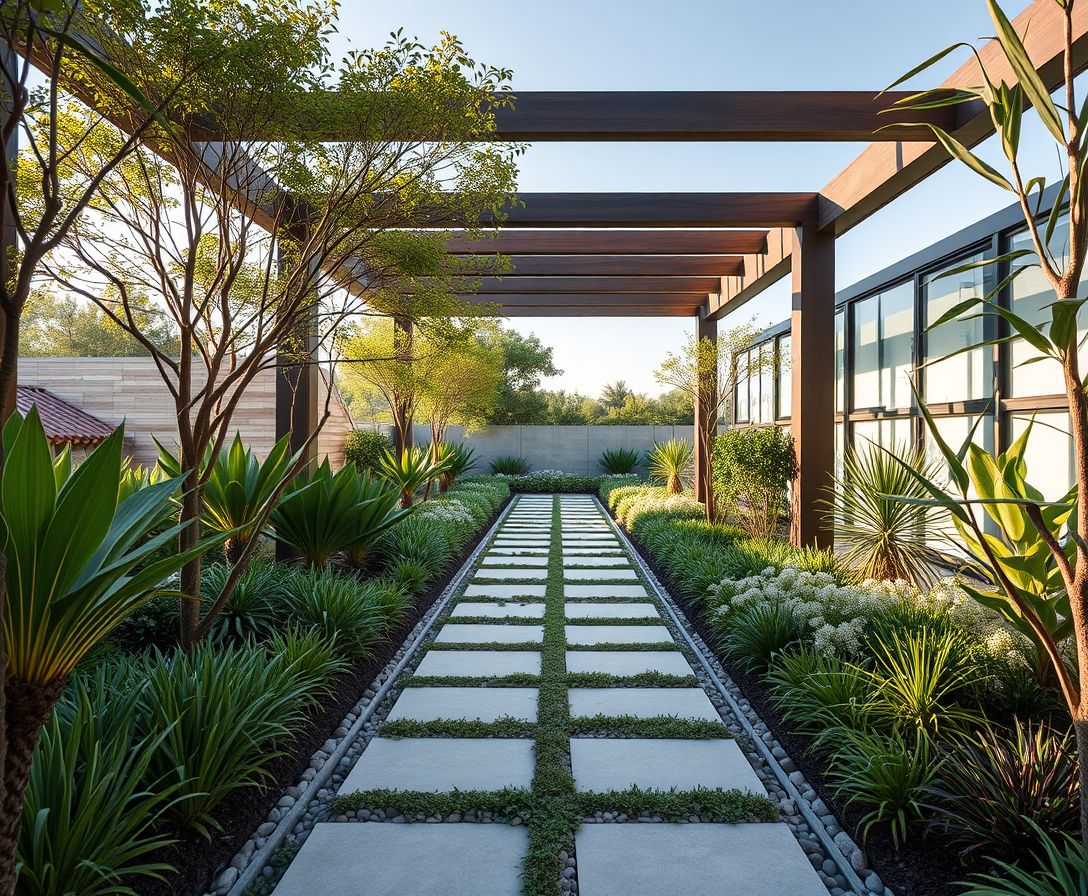
The Importance of Sustainable Landscaping Practices
1. Environmental Responsibility
Sustainable landscaping practices play a crucial role in preserving our environment. They aim to protect ecosystems, reduce carbon footprints, and mitigate the impacts of climate change. Here are some ways sustainable landscaping contributes to environmental responsibility:
– **Water Conservation**: Traditional landscaping often relies heavily on water-intensive plants and irrigation systems, leading to unnecessary water waste. Sustainable landscaping promotes the use of drought-resistant plants and efficient irrigation methods, which can significantly reduce water consumption.
– **Soil Health**: Healthy soil is the foundation of any thriving landscape. Sustainable practices, such as composting and organic fertilization, improve soil structure and fertility, promoting healthy plant growth while minimizing the need for chemical fertilizers that can harm the environment.
– **Biodiversity**: Incorporating native plants into your landscape supports local wildlife, including pollinators like bees and butterflies. This enhances biodiversity and creates a balanced ecosystem that can thrive without excessive human intervention.
2. Economic Advantages
While some may perceive eco-friendly landscaping as an expensive initial investment, it can result in significant long-term savings. Here’s how:
– **Reduced Maintenance Costs**: Native plants are often hardier and require less maintenance than non-native varieties, leading to lower costs over time for watering, fertilization, and pest control.
– **Lower Water Bills**: By selecting drought-resistant plants and implementing efficient irrigation techniques, homeowners can significantly reduce their water consumption and lower their utility bills.
– **Increased Property Value**: Well-designed sustainable landscapes can enhance the aesthetic appeal of your property, potentially increasing its market value. Prospective buyers are increasingly interested in homes that demonstrate a commitment to sustainability.
3. Aesthetic Appeal
Sustainable landscaping does not sacrifice beauty for functionality. On the contrary, it often enhances the visual allure of outdoor spaces. Here are some aesthetic benefits of eco-friendly landscaping:
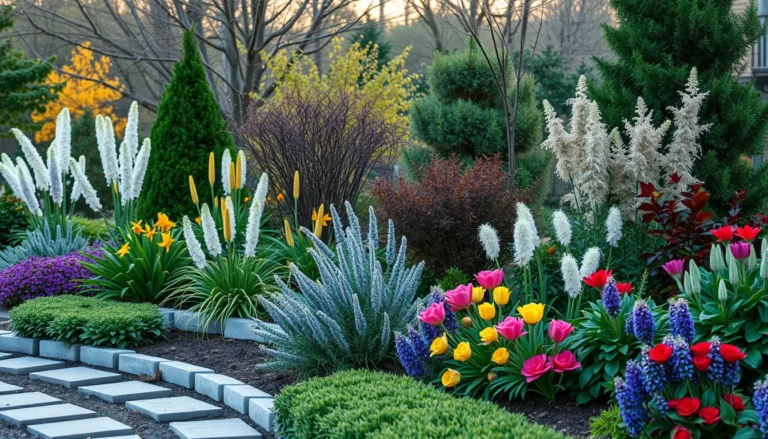
– **Diversity of Color and Texture**: Native plants offer a wide range of colors, shapes, and textures that can create visually striking landscapes while requiring less water and maintenance than non-native varieties.
– **Seasonal Interest**: By selecting a diverse array of native plants, homeowners can ensure their landscapes remain visually appealing throughout the year, showcasing blooms in the spring and fall foliage in autumn.
– **Natural Harmony**: Sustainable landscaping emphasizes a connection to the natural environment, creating spaces that feel more organic and harmonious with the surrounding landscape.

Tips for Native Plant Selections
### 1. Understanding Native Plants
Native plants are species that have evolved in a specific region over thousands of years. They are adapted to local climate conditions, soil types, and wildlife, making them an ideal choice for eco-friendly landscaping. Here are some key benefits of incorporating native plants into your landscape:
– **Low Maintenance**: Native plants are naturally resistant to local pests and diseases, requiring less intervention from gardeners.
– **Water Efficiency**: Adapted to local rainfall patterns, native plants typically require less irrigation than non-native species.
– **Support for Local Wildlife**: Native plants provide essential food and habitat for local wildlife, including birds, bees, and butterflies.
### 2. Researching Native Plant Options
Before selecting native plants for your landscape, it is essential to conduct thorough research to identify the species that thrive in your region. Here are some steps to consider:
– **Contact Local Extension Services**: Many regions have agricultural extension services that can provide information on native plants suited to your area.
– **Consult Native Plant Societies**: Organizations dedicated to promoting native plants often have resources and databases that can help you select the right species for your landscape.
– **Visit Local Botanical Gardens**: Botanical gardens often showcase native plants, allowing you to see how they perform in a garden setting and offering insight into their growth habits and maintenance needs.
### 3. Creating a Plant Palette
Once you have researched native plants, it’s time to create a plant palette for your landscape. Consider the following factors:
– **Diversity**: Select a variety of plants to ensure seasonal interest and promote biodiversity. This can include flowering plants, shrubs, and trees.
– **Layering**: Design your landscape with layers in mind, incorporating taller plants at the back and shorter ones in the front to create depth and visual interest.
– **Companion Planting**: Some native plants thrive when planted together. Research which combinations can enhance growth and deter pests naturally.
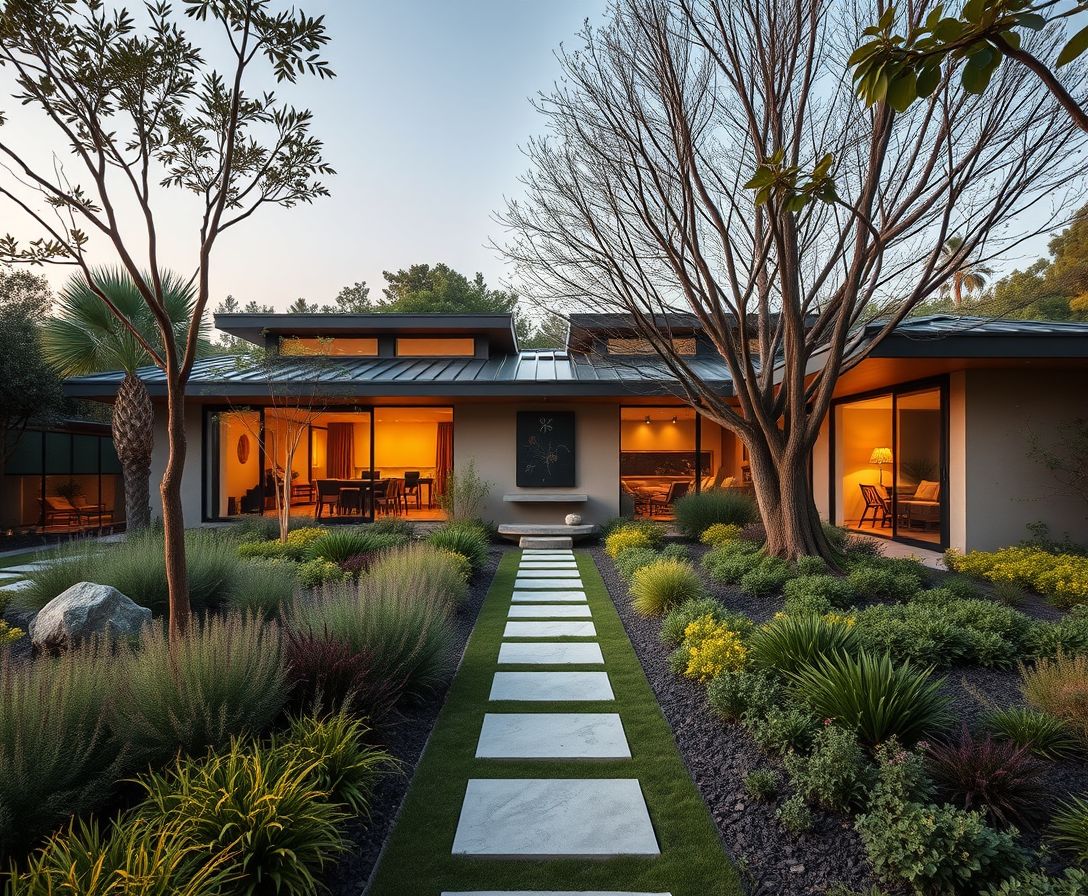
Implementing Sustainable Practices in Your Landscape
1. Water Management Techniques
Effective water management is a cornerstone of sustainable landscaping. Here are some techniques to consider:
– **Rain Gardens**: Create rain gardens to capture and absorb rainwater runoff, preventing erosion and filtering pollutants.
– **Drip Irrigation**: Utilize drip irrigation systems to deliver water directly to the plant roots, minimizing evaporation and water waste.
– **Mulching**: Apply a layer of organic mulch around plants to retain soil moisture, suppress weeds, and improve soil health as it decomposes.
2. Soil Health and Composting
Healthy soil is essential for thriving plants. Implement the following practices to enhance soil health:
– **Composting**: Start a compost pile to recycle kitchen scraps and yard waste, creating nutrient-rich organic matter that can be used to enrich your garden soil.
– **Soil Testing**: Conduct soil tests to determine pH levels and nutrient deficiencies. This information can guide your fertilization and soil amendment efforts.
– **Cover Crops**: Consider planting cover crops during the off-season to prevent soil erosion and improve soil fertility.
3. Pest Management
Managing pests in a sustainable manner is essential to protect your plants while minimizing the use of harmful chemicals. Here are some strategies:
– **Integrated Pest Management (IPM)**: Implement an IPM approach that combines biological control, habitat manipulation, and cultural practices to manage pests sustainably.
– **Attracting Beneficial Insects**: Plant flowers that attract beneficial insects, such as ladybugs and lacewings, which can help control pest populations naturally.
– **Natural Pesticides**: Use organic or natural pesticides sparingly and only as a last resort. Focus on maintaining a balanced ecosystem that encourages natural pest control.
4. Hardscape Materials
Selecting eco-friendly hardscape materials is another critical aspect of sustainable landscaping. Consider the following:
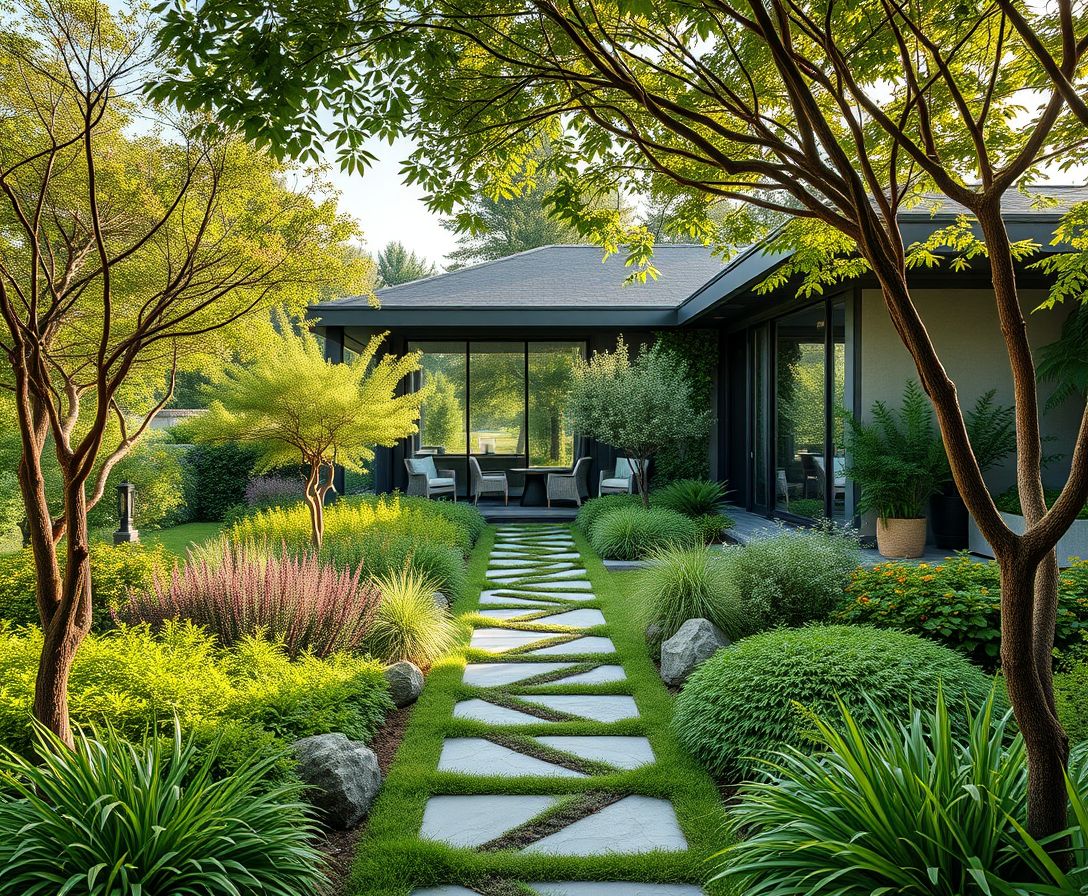
– **Permeable Paving**: Use permeable materials for pathways and driveways to allow rainwater to infiltrate the ground, reducing runoff and promoting groundwater recharge.
– **Recycled Materials**: Incorporate recycled materials, such as reclaimed wood or repurposed bricks, into your hardscape design to reduce the demand for new resources.
– **Sustainable Sourcing**: When purchasing new materials, opt for sustainably sourced products that minimize environmental impact.
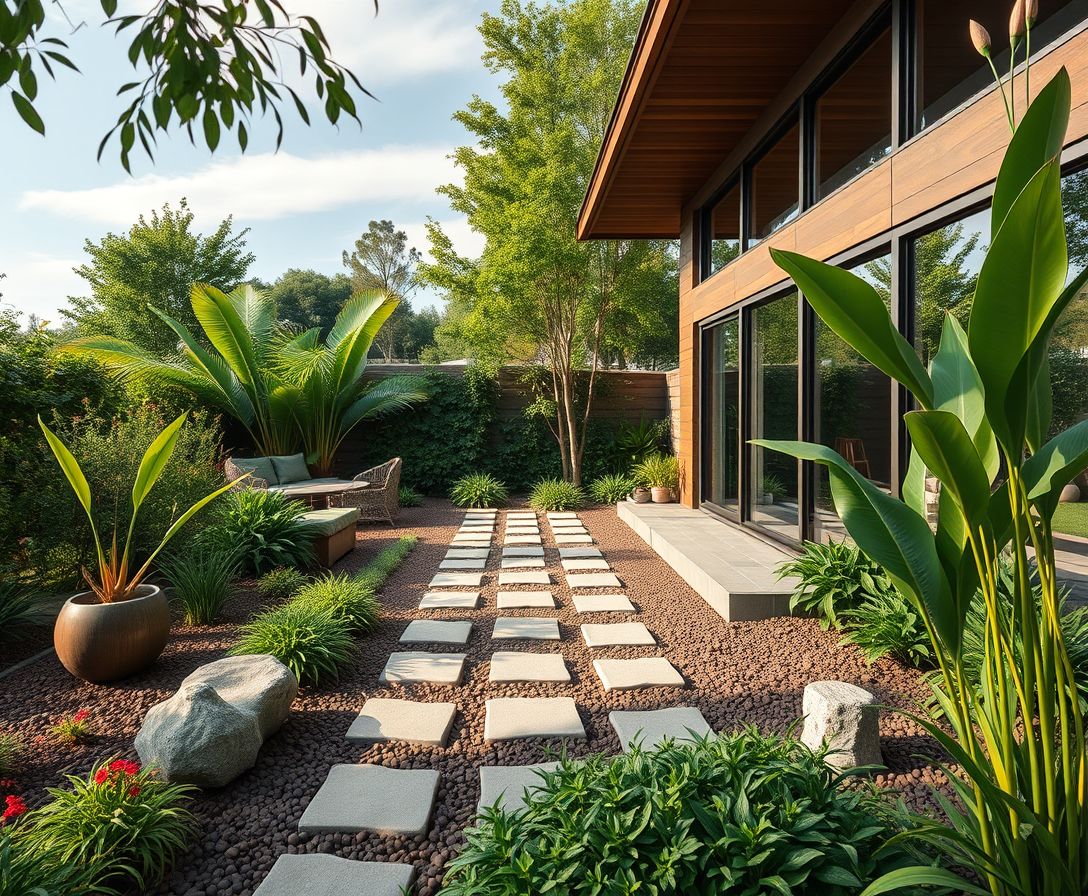
Eco-friendly landscaping is more than just a trend; it is a necessary approach to creating beautiful outdoor spaces that respect and nurture the environment. By adopting sustainable practices, such as native plant selections and efficient water management techniques, homeowners can cultivate landscapes that are not only visually appealing but also ecologically responsible.
As we face the pressing challenges of climate change, habitat destruction, and resource depletion, it is imperative that we shift our landscaping practices towards sustainability. The benefits of eco-friendly landscaping extend beyond personal satisfaction; they contribute to the well-being of our communities and the health of our planet.
By implementing the tips and strategies outlined in this article, you can create a modern retreat that harmonizes with nature and sets a positive example for future generations. Embrace sustainable landscaping today and be part of the solution for a greener, more resilient world.
About the Author