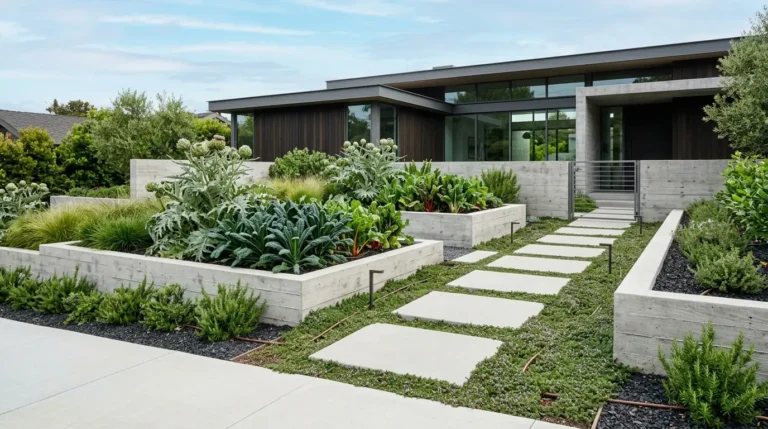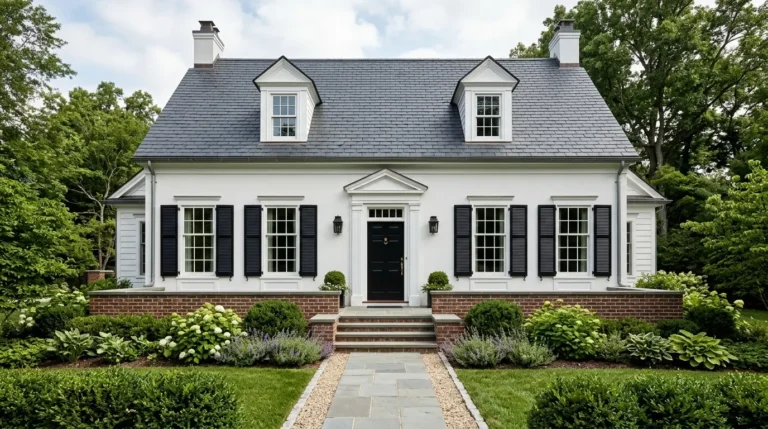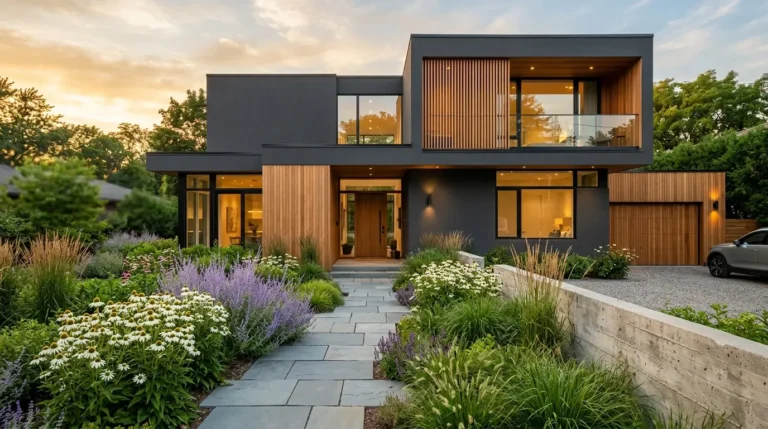
Transforming a front fence into a memorable architectural feature elevates curb appeal, adds character, and creates a lasting first impression. Decorative stone fences combine durability with visual richness—whether you want a modern statement, a rustic boundary, or a subtle complement to your landscape. This guide walks you through top stone design options, practical design principles, installation essentials, and maintenance tips so you can choose and execute a stone fence that fits your home and lifestyle.
Why Stone Fences Still Captivate
Stone has been used for boundaries and facades for centuries because it balances strength with timeless beauty. Decorative stone fences do more than mark property lines: they create texture, frame landscaping, define entries, and convey an architectural tone that other materials find hard to match. With options ranging from natural fieldstone to manufactured veneers and gabion baskets, you can achieve everything from rugged charm to polished elegance.
Popular Decorative Stone Styles and When to Use Them
- Stone Veneer on Posts or Low Walls
- Look: Clean, consistent, and adaptable.
- Best for: Updating existing fences, adding column accents, and achieving a stone look without massive foundations.
- Full Natural Stone Wall (Ashlar or Rubble)
- Look: Solid and premium; often used for grand entrances.
- Best for: Long-term boundary walls, high privacy, and properties where permanence is desired.
- Dry-Stacked Stone
- Look: Rustic, organic, mortar-free aesthetic.
- Best for: Garden walls, cottage-style homes, and low retaining walls where slight movement is acceptable.
- Gabion Walls (Stone-filled Cages)
- Look: Contemporary, textured, industrial chic.
- Best for: Sloped sites, sound barriers, and modern landscaping accents.
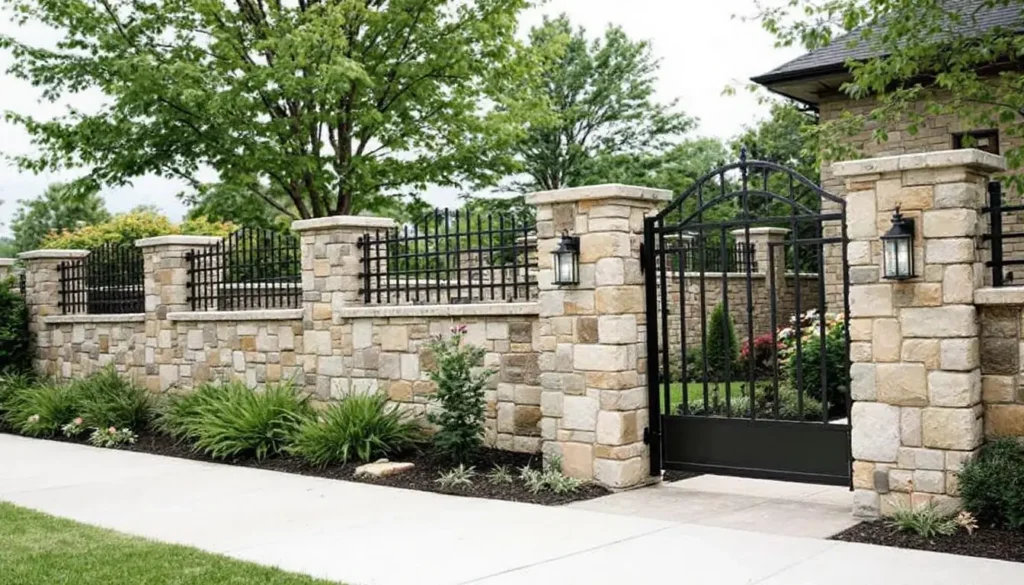
- Stacked Stone Columns / Piers
- Look: Architectural punctuation points at gates or mailboxes.
- Best for: Entrances, driveways, and rhythm breaks in long fence runs.
- Stone + Wood or Metal Combinations
- Look: Warm and layered or sleek and modern (stone base with metal slats).
- Best for: Balancing visual weight and cost while achieving a bespoke aesthetic.
Design Principles: Scale, Rhythm, and Material Harmony
- Scale & Proportion
- Keep fence height and pillar sizes in proportion with your home’s façade. As a rule of thumb, pillars often read best at roughly one-third to one-half the height of adjacent porch elements or entry features.
- Rhythm & Repetition
- Repeating materials (same stone for pillars, mailbox surround, and planters) ties the landscape together and creates cohesion.
- Color & Texture Palette
- Choose stone colors that harmonize with roof tones, siding, and trim. Cool grays suit contemporary homes; warm sandstones or rust-colored stones complement craftsman and colonial styles.
- Material Mixing
- Use stone where it performs—bases, corners, and posts—and lighter materials (wood panels, metal slats) for infill to reduce cost and visual bulk.
- Function Meets Form
- Plan for practical needs: privacy, sightlines at driveways, drainage, and gate clearances.
Structural Essentials and Installation Basics
- Foundations & Footings
- Heavy stone walls and tall columns require continuous footings below frost depth. Veneer and light gabions need compacted base material and shallow concrete pads.
- Drainage & Weep Details
- Retaining or full-height walls must include drainage (gravel backfill, perforated pipe, weep holes) to prevent hydrostatic pressure and frost damage.
- Reinforcement
- Use rebar or concrete cores for tall freestanding columns and walls. Veneer needs corrosion-resistant ties to the substrate.
- Mortar vs. Dry Stack
- Mortared walls are stronger and better for freeze-thaw climates. Dry-stacked walls rely on stone fit and are best for dry areas or lower-height features.
- Weatherproofing for Veneer on Framed Structures
- Install a weather-resistive barrier, metal flashing at caps, and a suitable substrate to avoid moisture infiltration and wood rot.
Lighting, Planting, and Finishing Touches
- Lighting
- Integrate low-voltage uplights at pillars, recessed coping lights along wall tops, or warm pathway lights to highlight texture and create nighttime depth.
- Planting Pairings
- Formal look: clipped hedges or boxwood.
- Informal look: native grasses, lavender, and groundcovers.
- Edging: low groundcovers at the wall base soften hard edges and prevent mulch wash.
- Caps and Coping
- A cap stone (limestone, bluestone, or cast concrete) protects mortar joints and provides a clean finish. Choose cap width and color to emphasize the wall’s lines.
- Hardware & Details
- Coordinate metalwork (gates, house numbers, mailbox) finishes with stone tones—blackened steel or oil-rubbed bronze often complements stone elegantly.
Budgeting, Sourcing, and Cost-Saving Tips
- Rough Cost Ranges (very approximate)
- Stone veneer on posts/short wall: $20–$60 per linear foot
- Gabion wall: $50–$200 per linear foot
- Dry-stacked natural stone: $100–$300 per linear foot
- Full masonry/stone retaining wall: $150–$400+ per linear foot
- Decorative stone pillar (3–5 ft): $300–$1,200 each
- Sourcing Tips
- Local quarries reduce freight costs and offer regional stone character.
- Salvage yards and reclamation stores provide unique, aged pieces.
- Manufactured stone veneer cuts installation time and weight—good for DIY-friendly projects.
- Save Without Compromising Look
- Limit full stone runs by using stone anchors at focal points (pillars, mailbox, short return walls).
- Use mixed materials—stone bases with wood or metal panels—to reduce linear footage of stone.
Maintenance and Longevity
- Routine Care
- Keep drainage clear, trim vegetation away from the stone, and rinse grime with low-pressure water.
- Periodic Tasks
- Repoint mortar as necessary, reseal caps if using porous stone, and inspect for settlement or cracking.
- Common Issues & Fixes
- Efflorescence (white salts): remove with masonry cleaner and address moisture sources.
- Spalling or cracked stone: often indicates poor drainage or freeze damage—repair may require a mason.
- Warranty & Documentation
- Keep receipts, stone samples, and contractor warranties in a folder for future resale and repairs.
DIY vs. Hiring a Mason: What to Consider
- Good DIY Projects
- Veneer on posts, small dry-stacked garden walls, and gabion baskets (relatively straightforward).
- Hire a Pro For
- Structural walls, deep footings, walls requiring permits, and any work involving electrical or gas near foundations.
- Hiring Checklist
- Get 3 written bids, ask for examples of similar projects, verify license and insurance, confirm who pulls permits, and agree on timeline and payment milestones.
Quick Project Ideas (3 Concepts)
- Classic Cottage Accent
- Material: Reclaimed fieldstone, low dry-stacked wall (2–3 ft) with stone mailbox pier.
- Effect: Cozy, historic character. Estimated: moderate cost, DIY-friendly for short runs.
- Modern Minimal Statement
- Material: Gabion base topped with Corten steel panels and linear LED uplighting.
- Effect: Crisp, contemporary contrast. Estimated: mid-to-high cost, pro recommended for long runs.
- Timeless Formal Entrance
- Material: Mortared ashlar stone columns with bluestone caps and wrought-iron gate.
- Effect: Elegant, high-end curb appeal. Estimated: higher cost, professional masonry required.
Conclusion: Make Your Fence a Signature Element
A stone fence does more than enclose—it defines style, anchors landscaping, and communicates the tone of your home. By selecting the right stone type and finish, respecting scale and structural needs, and pairing material choices with thoughtful lighting and planting, you can create a fence that’s beautiful, durable, and uniquely yours. Start with a clear design goal, validate the budget, and decide where to DIY and where to hire experts. If you’d like, sketch your property line and share dimensions—I can suggest two specific stone fence concepts with a tailored materials list and rough cost estimate.
About the Author