A well-designed landscape delivers beauty, functionality, and enjoyment across all four seasons. Seasonal landscaping is not just about planting a few annuals; it is a thoughtful approach to selecting plants, hardscaping, and maintenance strategies so your outdoor spaces remain visually appealing and useful from spring thaw to winter frost. This article outlines practical tips and design strategies to create year-round garden interest, including plant choices, color palettes, seasonal decor ideas, and maintenance recommendations.
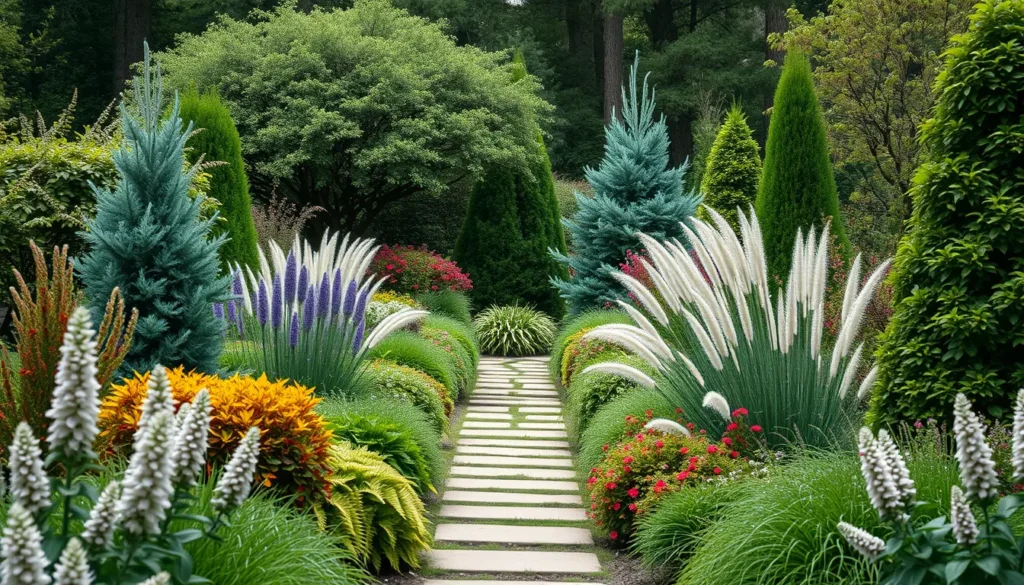
Principles of Year-Round Garden Design
- Layer plants for sequential interest. Combine trees, shrubs, perennials, and groundcovers so different layers take center stage at different times of the year.
- Think in seasons, not single moments. Select plants that provide spring blooms, summer foliage, fall color, and winter structure.
- Balance evergreen structure with seasonal accents. Evergreens supply form and color in winter, while deciduous plants provide seasonal drama.
- Use repetition and rhythm. Repeating key plants or colors across the landscape creates cohesion as seasonal displays change.
- Include focal points that work year-round. Sculptural trees, ornamental grasses, stonework, water features, and garden art give visual anchors when plants are dormant.
- Design for multi-functionality. Paths, seating areas, and lighting extend use of the space through colder months.
Plant Choices for All Seasons To achieve continuous interest, select plants that contribute at different times. Below is a categorized list of reliable options.
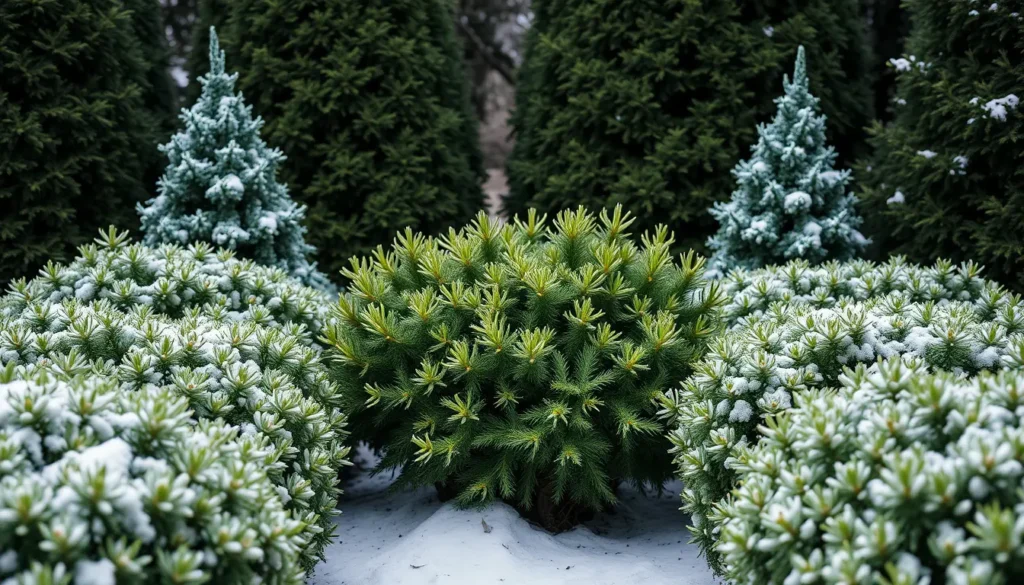
Evergreen plants (winter structure and year-round color)
- Boxwood (Buxus): formal hedges and massing.
- Yew (Taxus): tolerant of pruning, dark foliage.
- Holly (Ilex): glossy leaves and berries on female plants.
- Rhododendron and evergreen azaleas: spring flowers and foliage color.
- Juniper and cedar: groundcover or specimen forms.
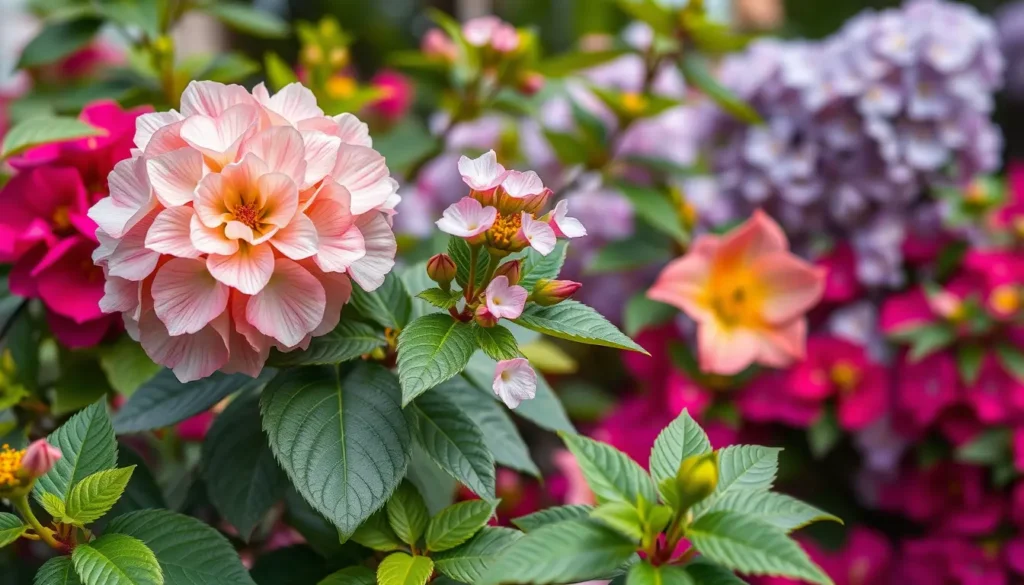
- Hydrangea: long bloom period and interesting seedheads.
- Lilac (Syringa): fragrant spring blooms.
- Rose of sharon (Hibiscus syriacus): late-summer color.
- Spirea: early summer blooms and good fall color options.
- Weigela: spring blooms and compact forms.
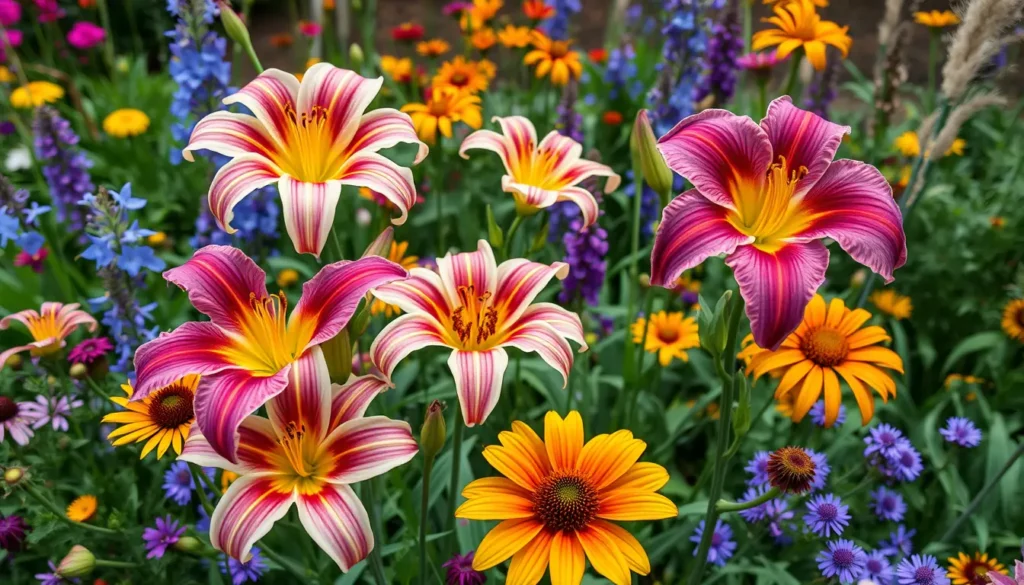
Perennials for repeat interest
- Daylilies (Hemerocallis): summer color with many varieties.
- Salvia and catmint: long-blooming pollinator magnets.
- Echinacea and Rudbeckia: summer into fall blooms and seedheads for birds.
- Heuchera: foliage color for shade and containers.
- Sedum and ornamental grasses: late-season interest and structure.
Winter-interest plants
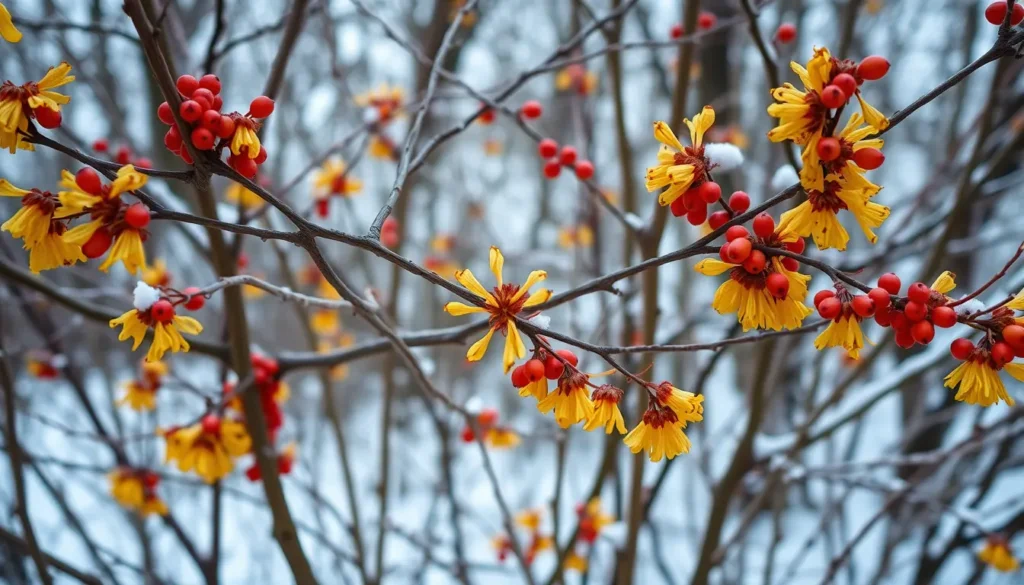
- Witch hazel (Hamamelis): late-winter blooms and fragrance.
- Cornus species (dogwood): stems with vivid winter color like red, yellow, or orange.
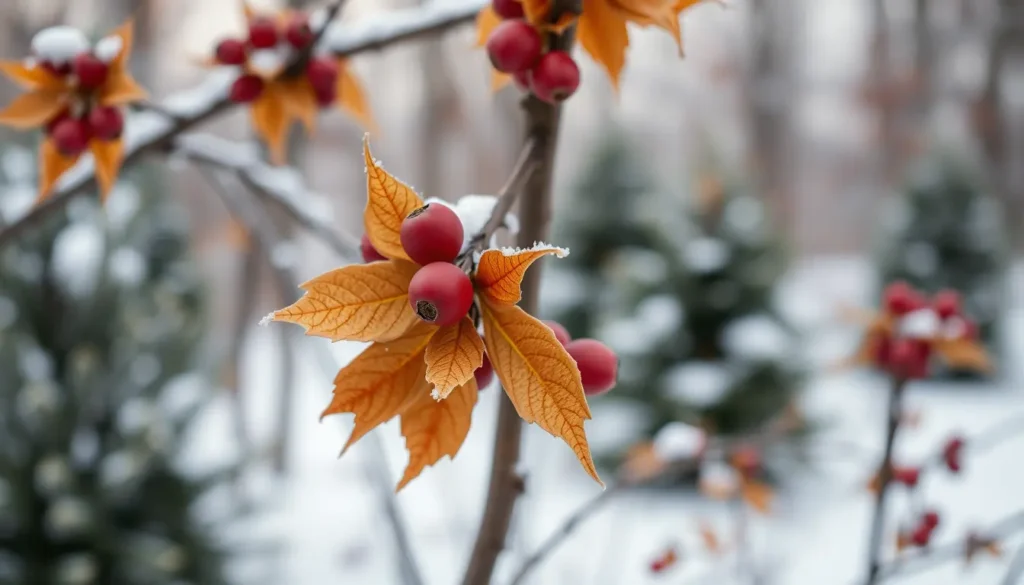
- Winterberry (Ilex verticillata): bright berries on bare branches.
- Hellebores: early spring or late-winter blooms in mild climates.
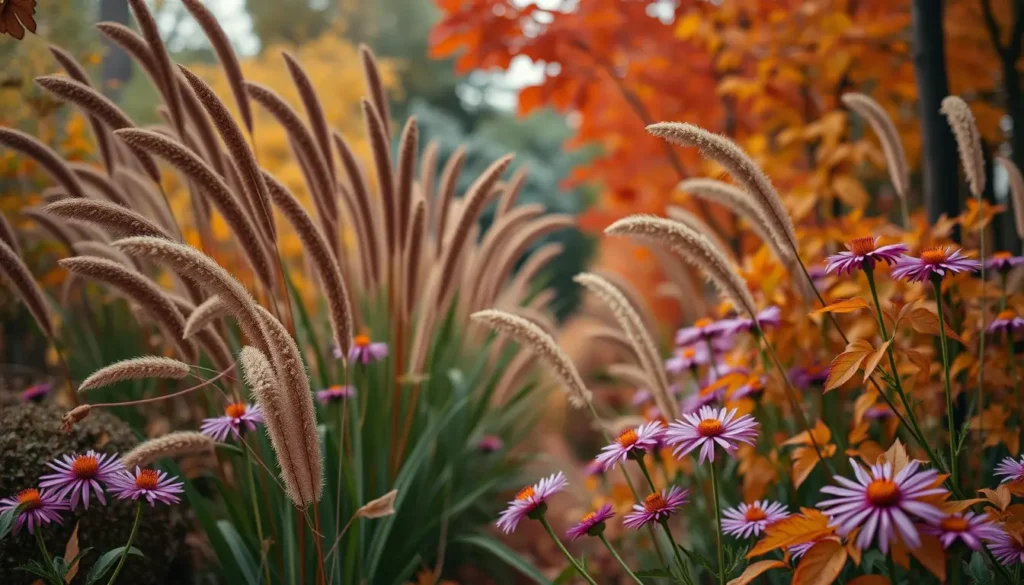
- Ornamental grasses such as Miscanthus and Pennisetum: seedheads and movement in winter winds.
Bulbs for spring impact
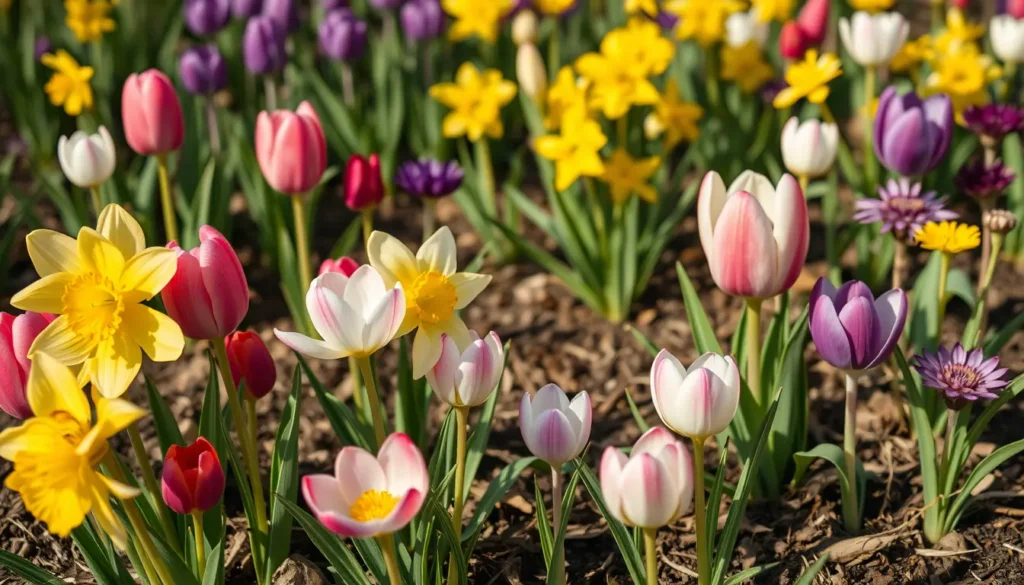
- Tulips, daffodils, and crocus: early color and easy naturalizing.
- Alliums: architectural blooms for late spring.
Seasonal Color Palettes
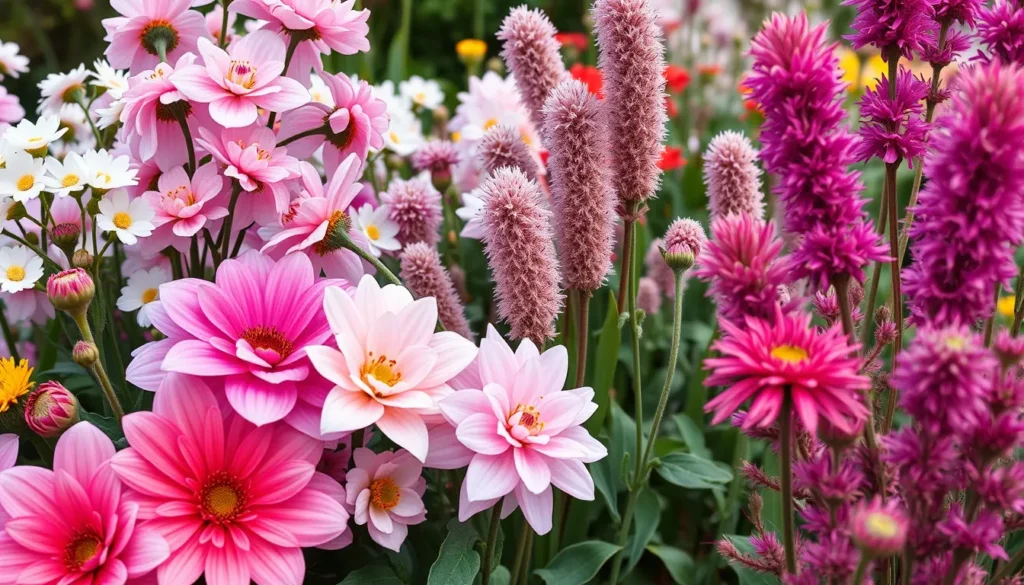
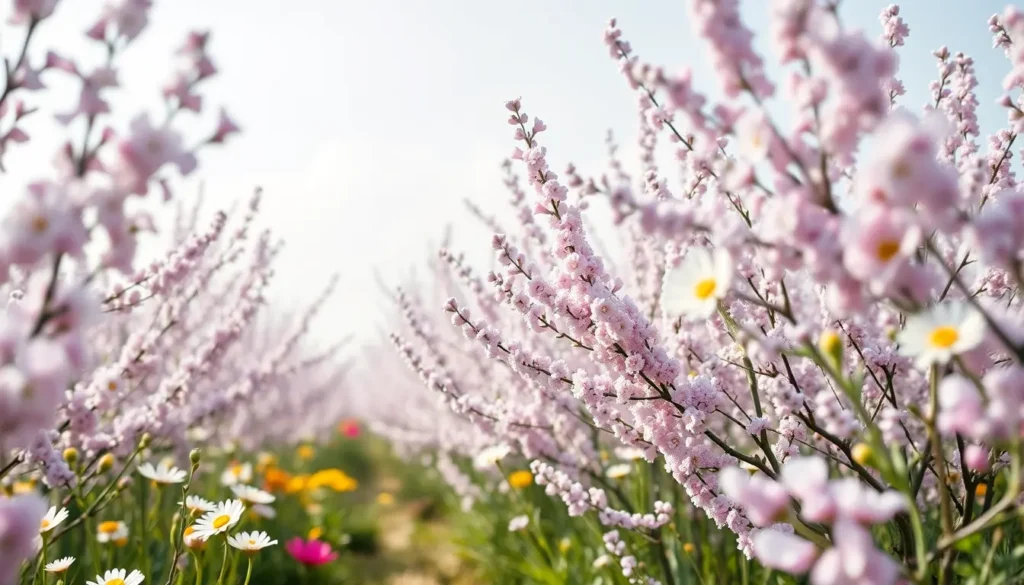
- Spring palette: soft pastels and bright florals including whites, soft pinks, lavenders, and yellows to suggest renewal.
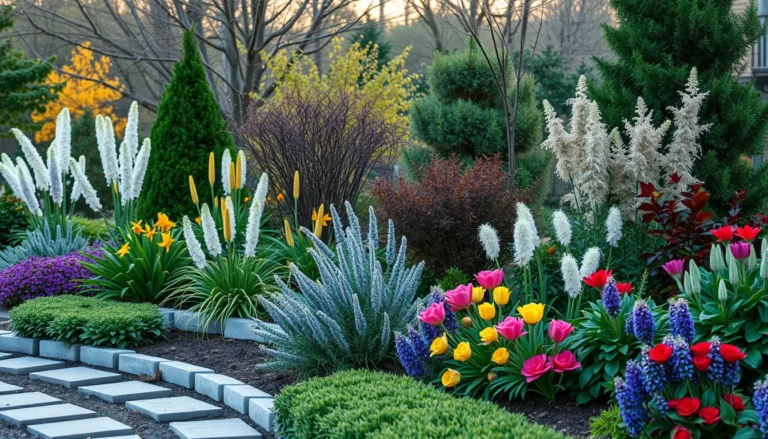
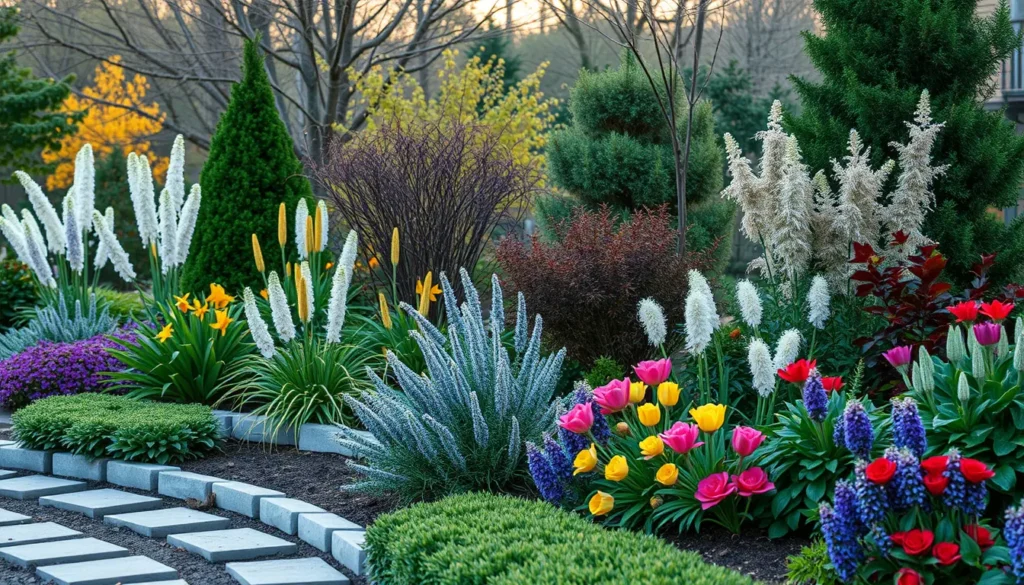
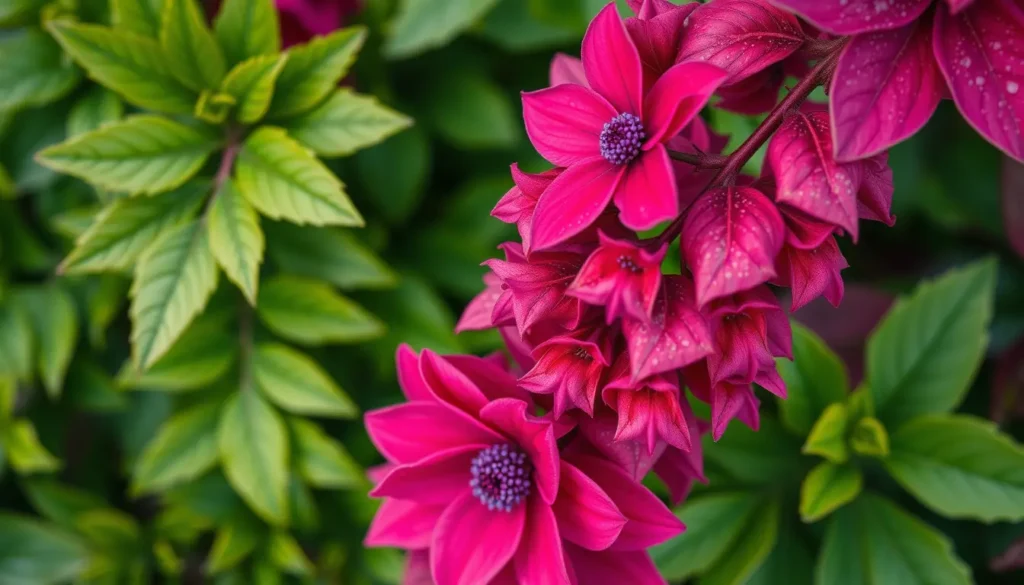
- Summer palette: vibrant, saturated hues like reds, deep purples, hot pinks, and cobalt blues paired with rich green foliage.
- Fall palette: warm oranges, rusts, burgundies, and golds reflecting leaf color; combine with ornamental grasses and late asters.
- Winter palette: rely on evergreen foliage, bark color, and berry tones such as deep reds, burgundy, and gold. Use contrasting textures and forms to enliven muted seasons.
Designing for Seasonal Changes
- Establish seasonal anchor plants: identify several plants that will be noteworthy in each season and position them to create sightlines from primary viewpoints.
- Use succession planting: layer early spring bulbs under shrubs that leaf out later, then plant summer perennials that mask bulb foliage as it dies back.
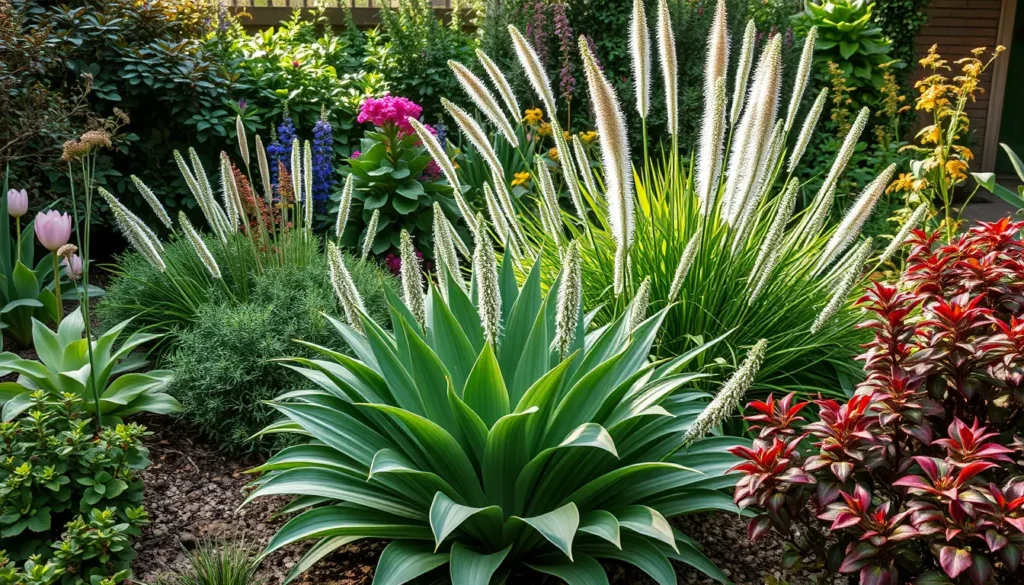
- Plan for foliage interest: add plants with varied leaf shapes, sizes, and colors so even when not blooming, the garden feels dynamic.
- Focus on texture and form: spiky sempervivums, fine-textured grasses, and broad-leaved hostas can provide drama regardless of bloom time.
- Create microclimates: use walls, fences, and slopes to shelter tender plants or to highlight a sunny or shaded corner for specific seasonal needs.
Seasonal Decor Ideas
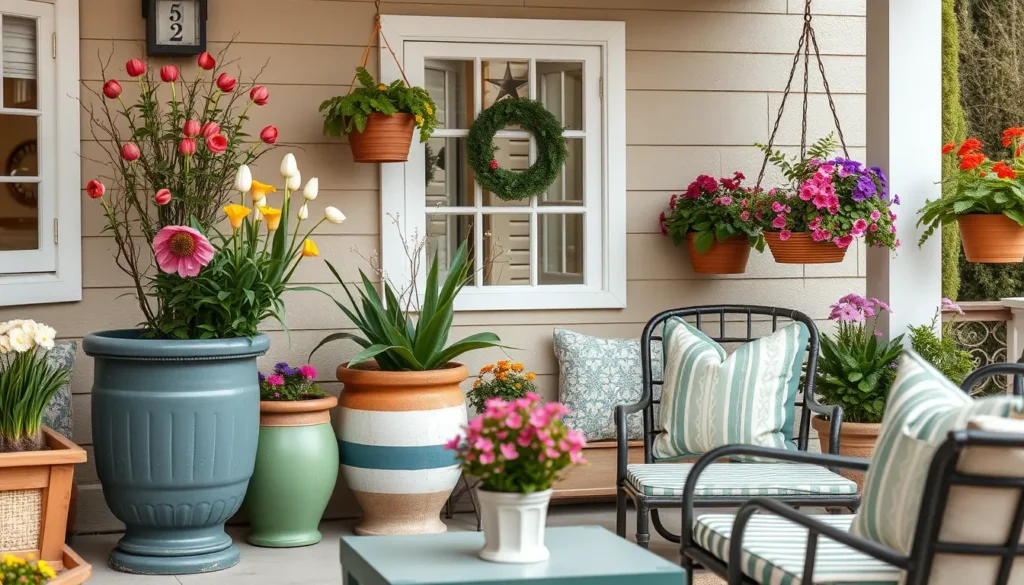
- Spring: fresh container plantings, painted planters, and hanging baskets with bulbs and annuals. Light, breezy textiles for outdoor furniture.
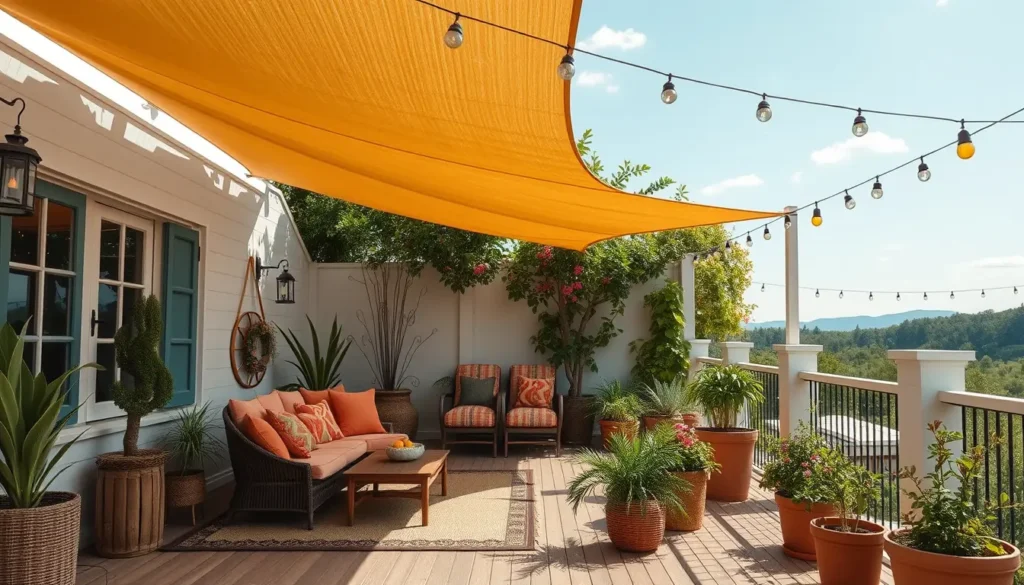
- Summer: add shade sails, colorful cushions, outdoor rugs, and lanterns. Introduce potted citrus or herb gardens for scent and utility.
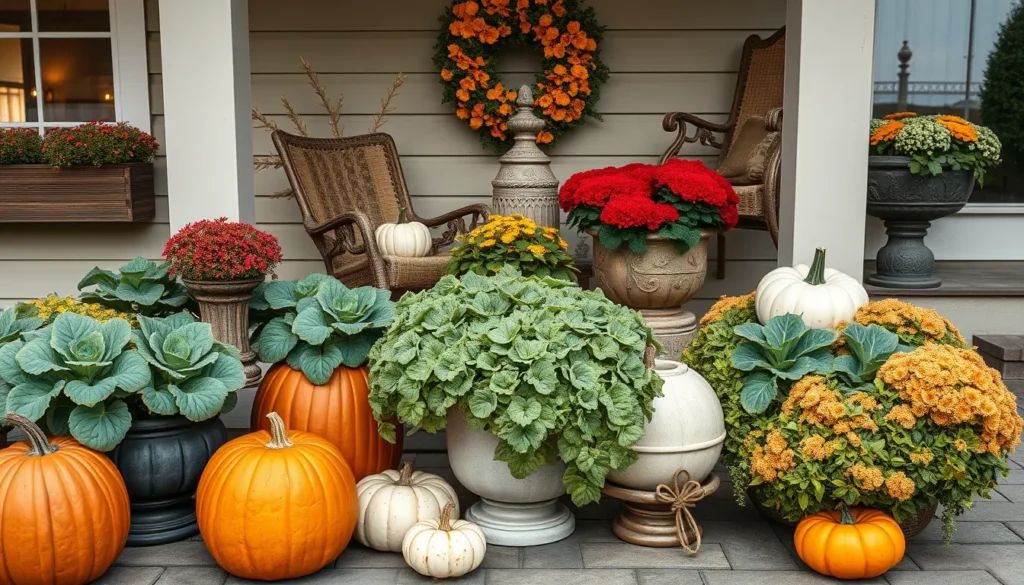
- Fall: pumpkins, gourds, and planters with ornamental kale and mums. Warm-toned textiles and fire pits to extend evenings outdoors.
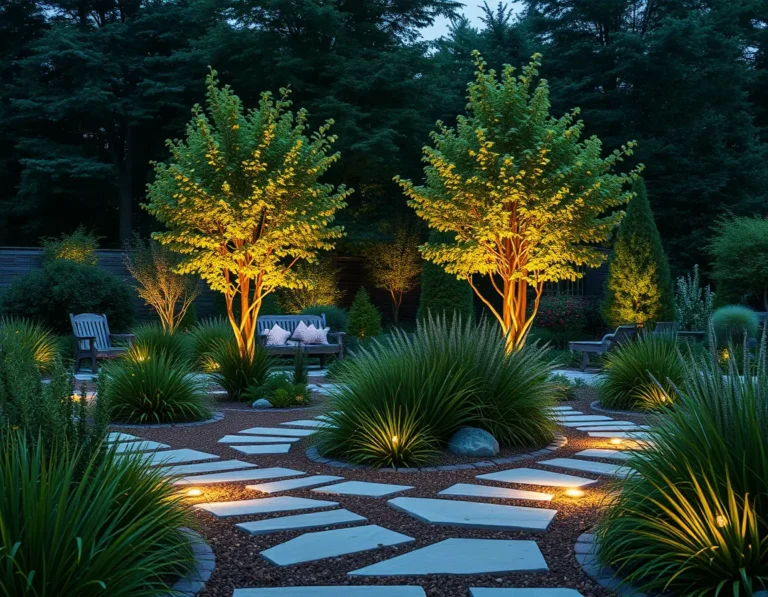
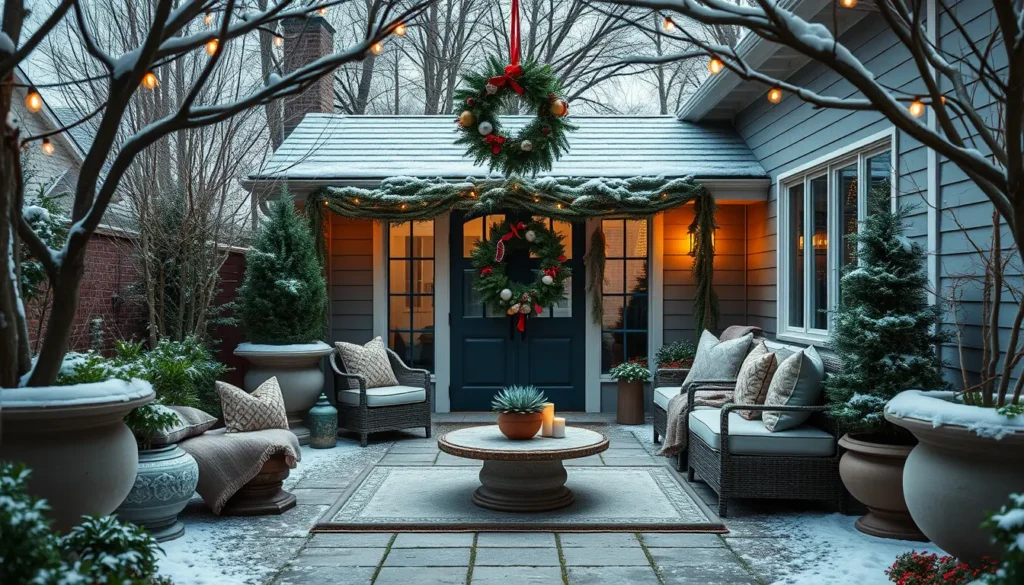
- Winter: structural decor such as sculptural planters, evergreen swags, and weatherproof outdoor pillows. Use LED string lighting, uplights on specimen trees, and wreaths made from garden materials for a subtle, seasonal aesthetic.
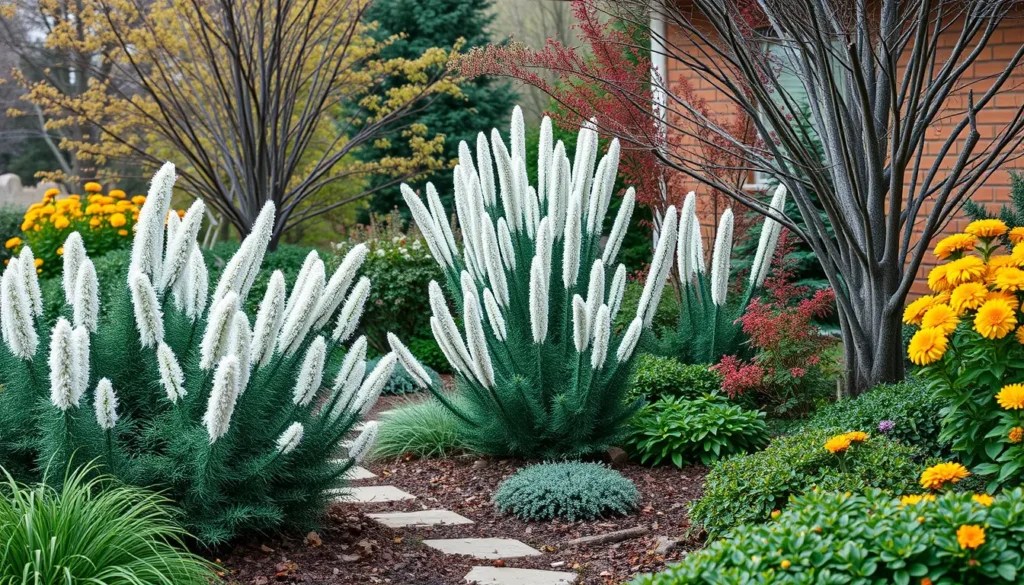
Maintenance Tips for Year-Round Beauty
- Seasonal pruning: prune spring-flowering shrubs after bloom and summer-flowering shrubs in late winter or early spring. Remove dead or diseased wood promptly.
- Mulching: apply organic mulch in spring and top up in fall to regulate soil temperature, retain moisture, and suppress weeds.
- Soil health: test soil periodically and amend with compost to encourage strong root systems that withstand seasonal stress.
- Water management: adjust irrigation schedules seasonally. Deep, infrequent watering in growing season supports resilience; reduce or winterize irrigation systems before freezing temperatures arrive.
- Fertilization: apply slow-release fertilizers according to plant needs—heavy feeders in spring and light feeding for perennials after bloom cycles if needed.
- Winter protection: protect tender shrubs and young trees with burlap screens or wind breaks. Use anti-desiccant sprays selectively for evergreens in exposed sites.
- Pest and disease monitoring: early detection in spring and summer prevents problems from worsening into fall and winter.
- Clean-up: remove diseased leaves and spent annuals. Leave some seedheads and leaf litter in less formal areas to support wildlife over winter, but keep high-traffic and cultivated areas tidy.
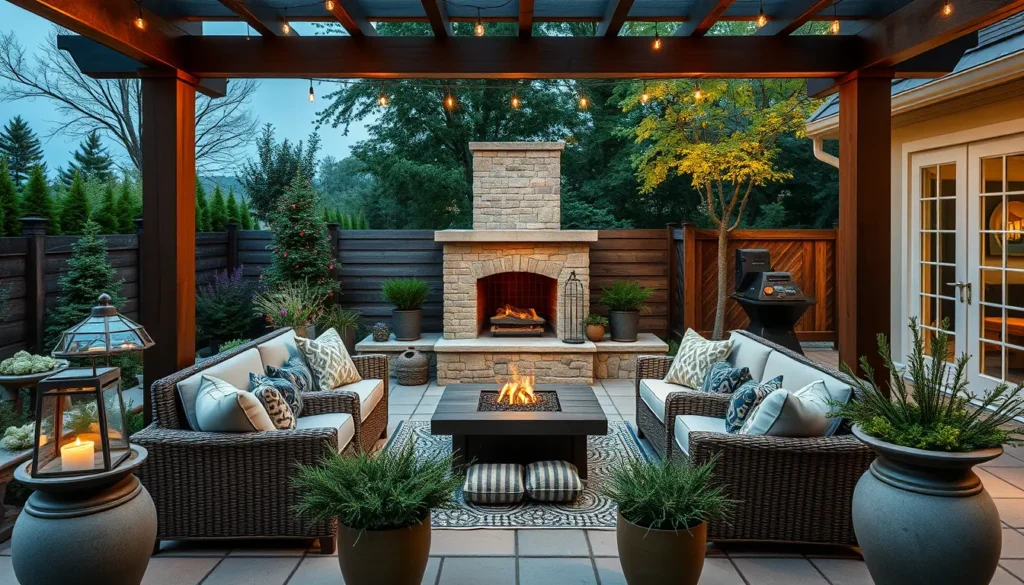
Creating an Outdoor Retreat for All Seasons
- Comfortable seating: choose durable furniture and fabrics rated for outdoor use and layered with cushions and throws for cool evenings.
- Heating and lighting: integrate a fireplace, chiminea, or patio heater plus layered lighting—path lights, uplights, and string lights—to increase usability after dusk and in cooler months.
- Shelter and shade: pergolas, retractable awnings, and deciduous trees offer summer shade and winter sun penetration.
- Sound and water elements: small fountains provide summer cooling and background sound. In winter consider dry landscape elements or sculptural basins that remain attractive without running water.
- Year-round containers: select containers large enough for seasonal swaps. Use evergreen branches and hardy perennials for winter containers combined with waterproof lights or decorative accents.
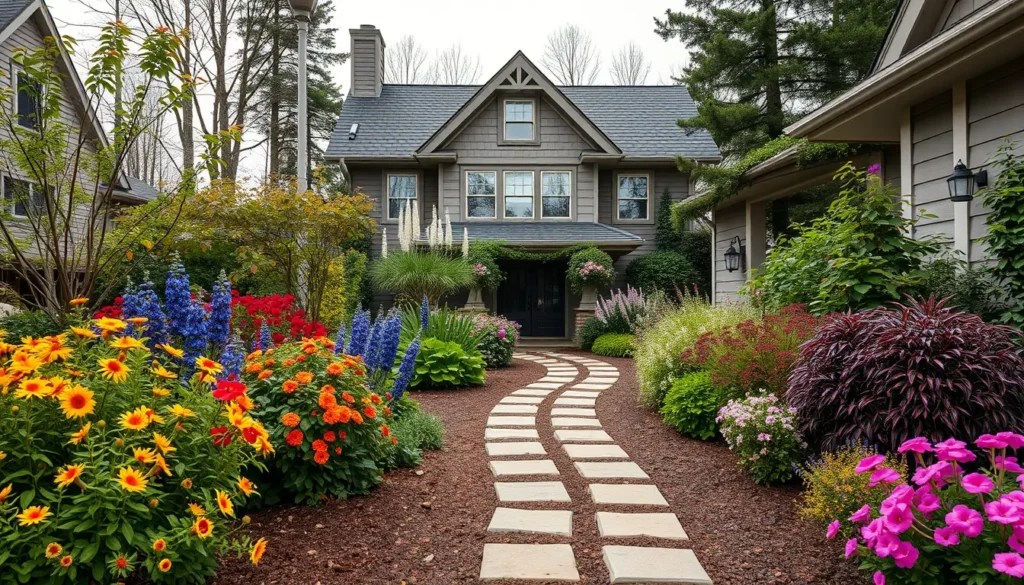
Season-Specific Strategies
- Spring: focus on soil warming and weed control, plant early annuals and bulbs, divide perennials where needed, and refresh mulch. Prune spring-flowering shrubs after bloom.
- Summer: deadhead spent flowers to encourage prolonged blooming, monitor irrigation, and manage pests. Apply shade cloths or temporary screens for heat-sensitive plants.
- Fall: plant bulbs for spring, cut back summer perennials selectively, rake and compost leaves, and apply a fall fertilizer for lawns if recommended in your region. Mulch around tender roots before the first hard freeze.
- Winter: protect sensitive plants, continue minimal pruning of damaged branches, and clean and store garden tools. Use winter interest plants and lighting to keep the landscape engaging.
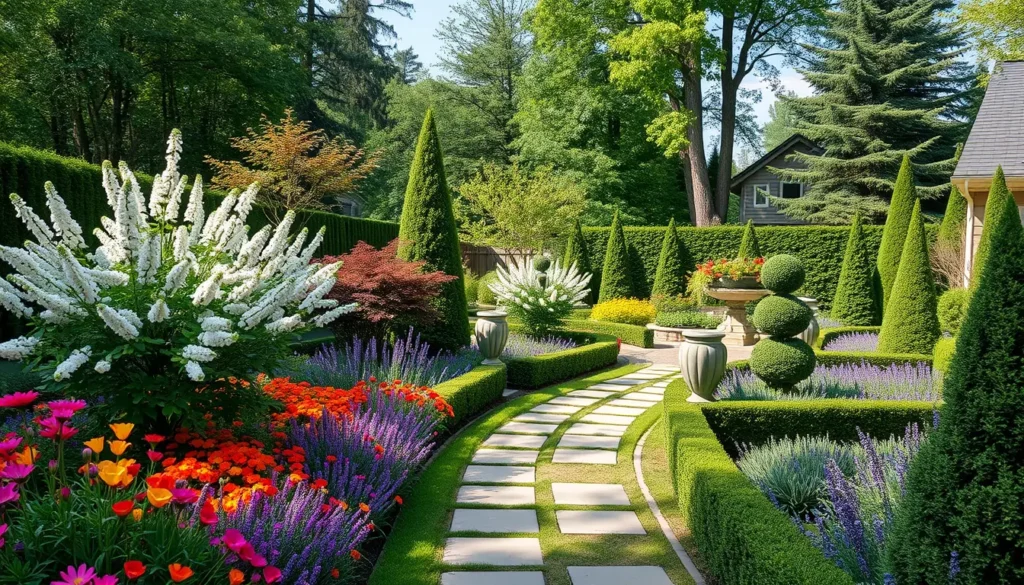
Design Examples for Year-Round Appeal
- Mixed border with sequence planting: combine early bulbs under deciduous shrubs that provide summer flowers, followed by late-blooming perennials and ornamental grasses for autumn and winter interest.
- Evergreen framework with seasonal accents: create a backbone of hedges and evergreens for structure and add seasonal color through container rotations and seasonal perennials.
- Native meadow and specimen trees: use native perennials and grasses for pollinator support and low maintenance, with specimen trees selected for spring blossom, summer canopy, fall color, and sculptural winter form.
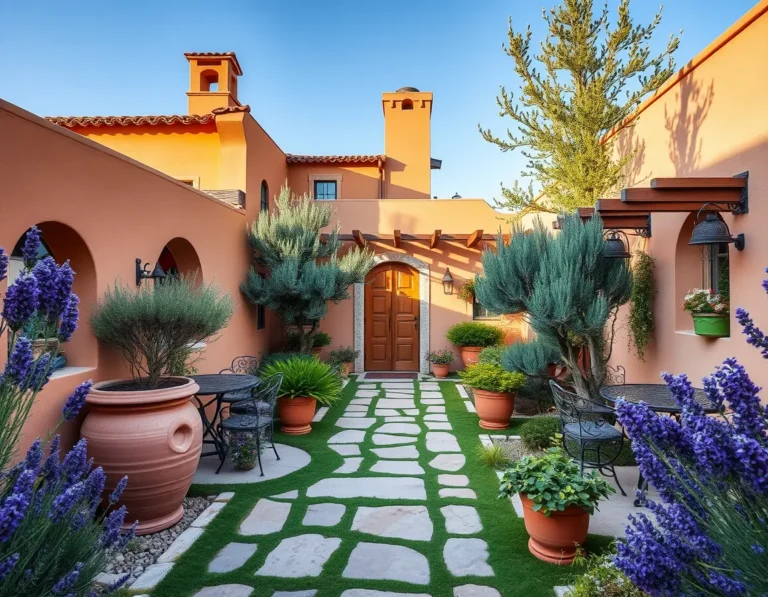
- Formal garden with structural elements: symmetrical hedges and paths combined with statues, urns, and evergreen topiary maintain formality and interest throughout the year.
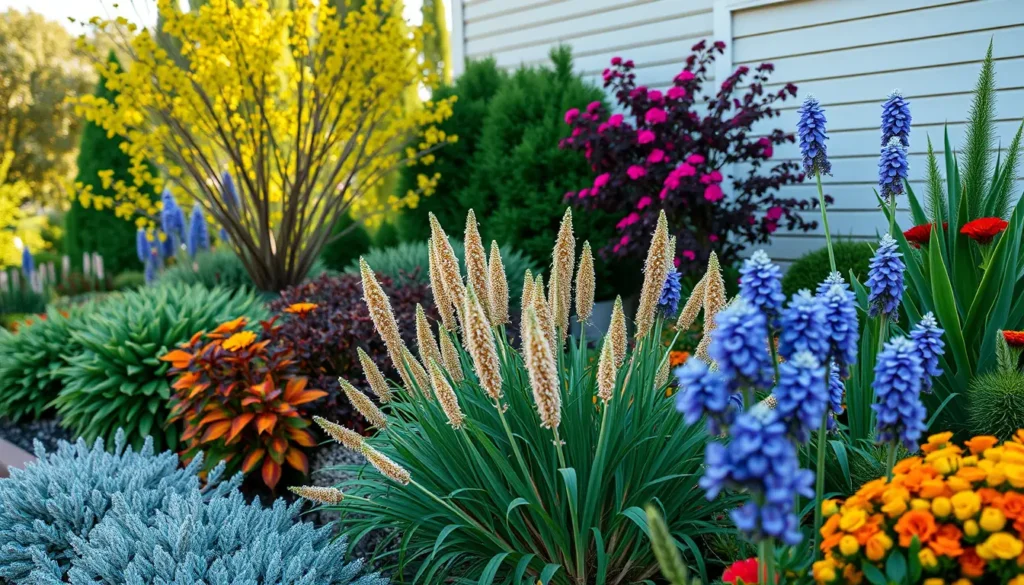
Planting for Climate and Microclimate
- Choose plants suited to your USDA hardiness zone and local conditions. Use native species where possible for lower maintenance and wildlife benefits.
- Identify microclimates on your property such as sun-exposed slopes, sheltered corners, or frost pockets and match plants to those conditions.
- Consider drought-tolerant species in water-restricted regions and wet-tolerant plants in poorly drained areas.
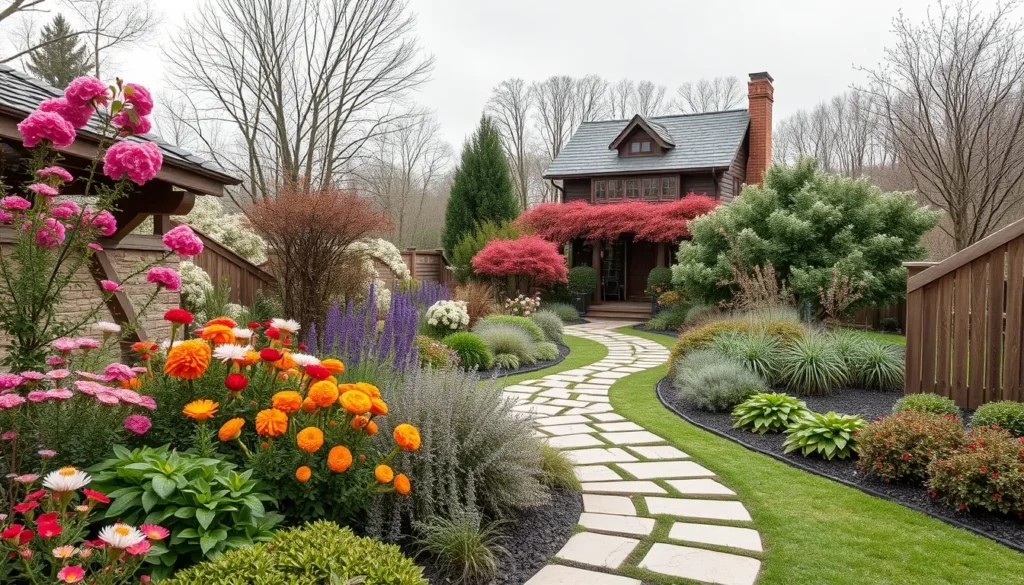
Measuring Success: How to Know Your Landscape Works Year-Round
- Visual continuity: the garden should present appealing elements in every season—flowers, foliage, structure, or texture.
- Biodiversity and wildlife use: consistent presence of pollinators, songbirds, and beneficial insects indicates ecological health.
- Usability: outdoor spaces are used beyond a single season thanks to shelter, heating, and appropriate furniture.
- Low-stress maintenance: a design that minimizes crisis interventions and requires predictable upkeep throughout the year.
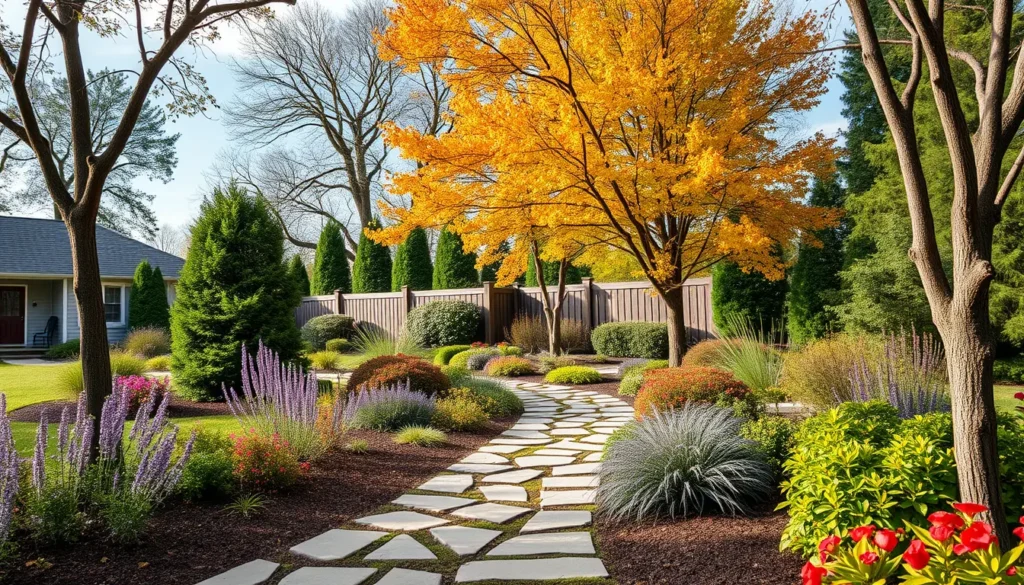
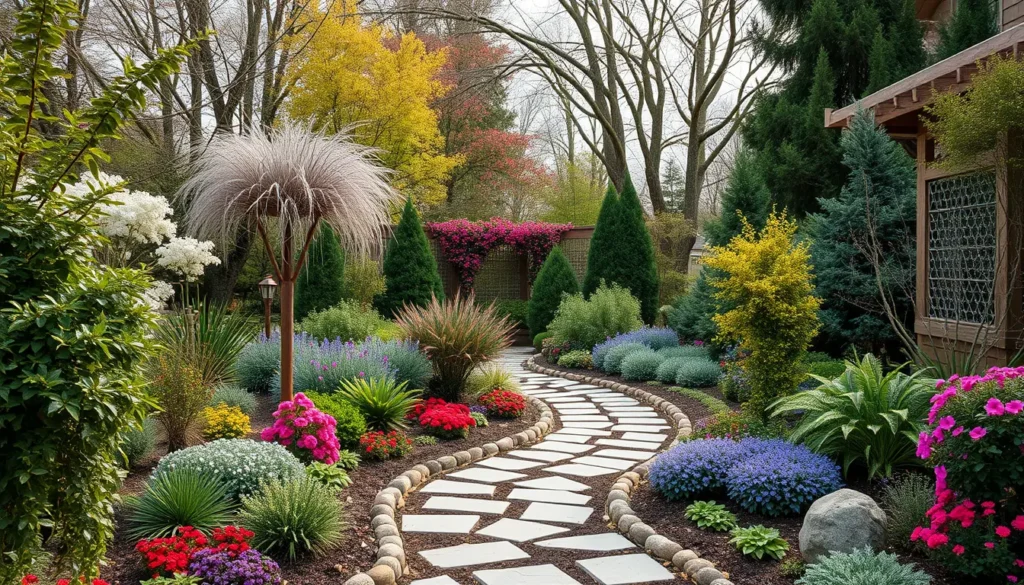
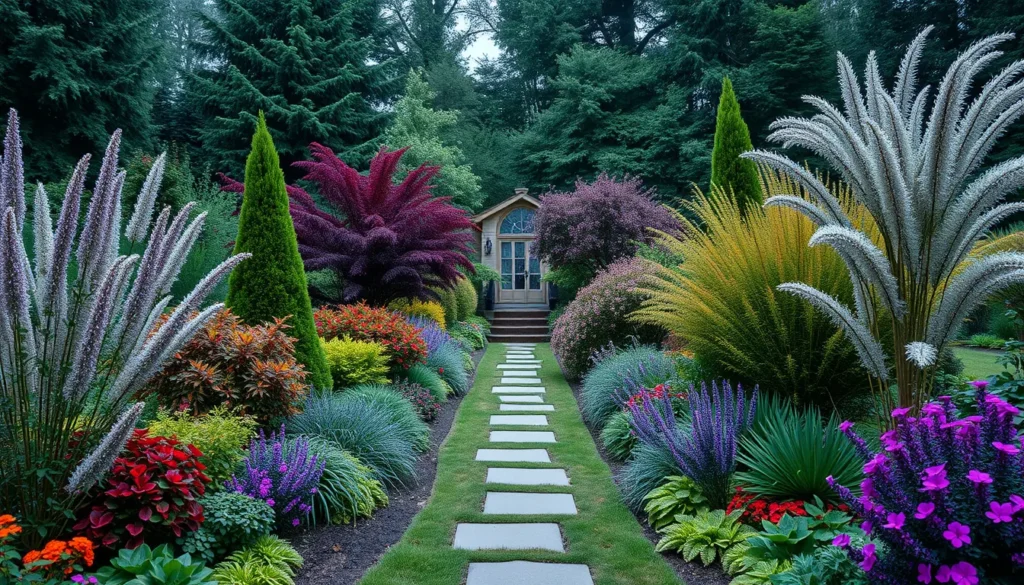
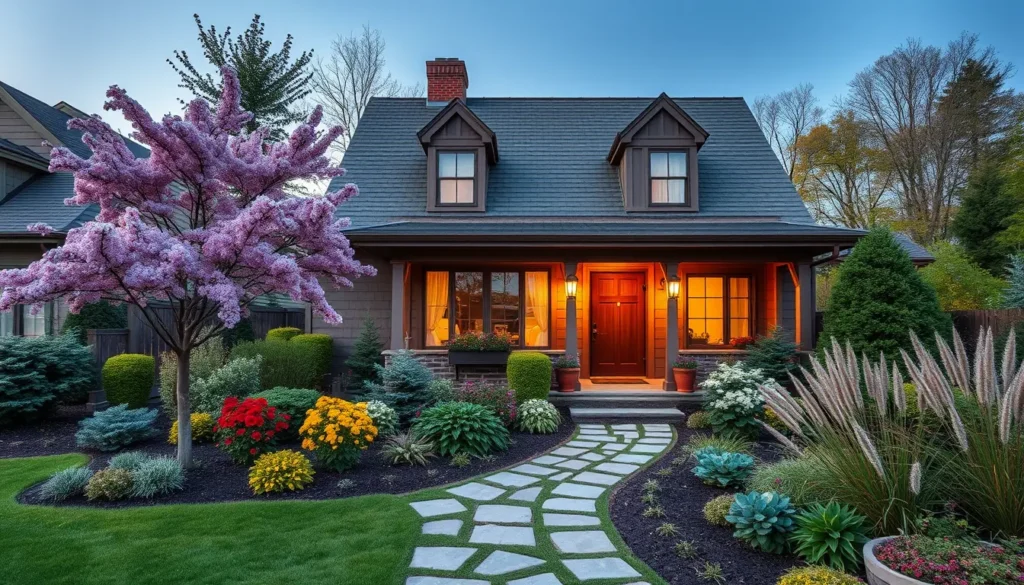
Conclusion Seasonal landscaping is a deliberate blend of plant selection, layered design, and maintenance that ensures outdoor spaces deliver beauty and enjoyment every month of the year. By combining evergreen structure, seasonal bloomers, winter-interest plants, and practical decor and maintenance practices, you can create a resilient, visually appealing landscape. Plan with seasons in mind, select plants for staggered interest, and design spaces that adapt to and celebrate seasonal changes for a truly year-round outdoor sanctuary.
About the Author