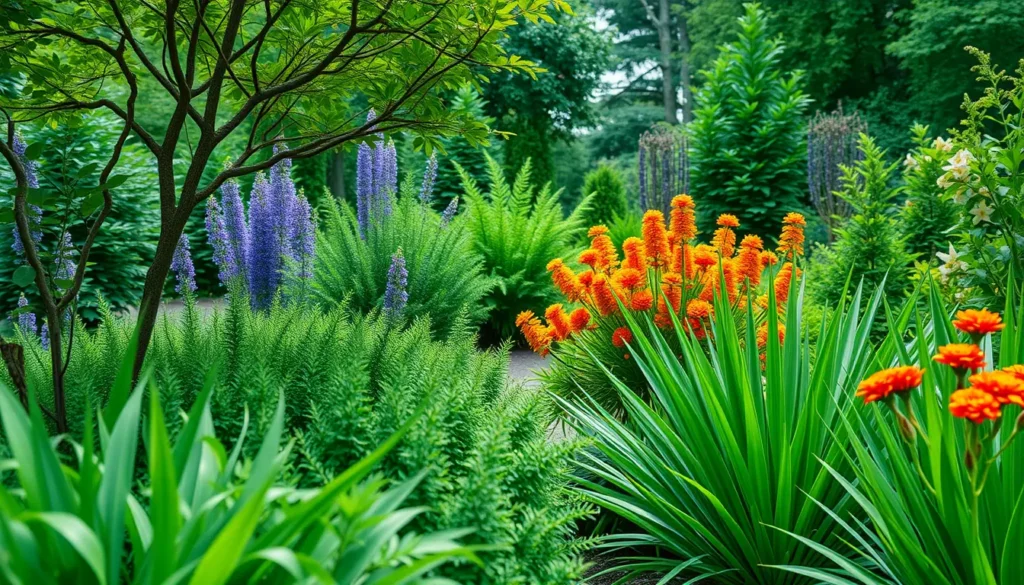
Introduction In recent years, landscape design has shifted from manicured monocultures to more ecologically informed plantings. Native plants, species that evolved in a particular region without human introduction, are at the forefront of this movement. Using native plants in landscaping enhances biodiversity, reduces maintenance, and helps create resilient, sustainable ecosystems. This article examines the advantages of incorporating native plants into landscape design and provides practical best practices for successful implementation.
Why Choose Native Plants? Native plants are adapted to local climate, soil, and seasonal patterns. Because they evolved alongside local wildlife and microbes, they often support more robust ecological interactions than non-native ornamental species. Key reasons to choose native plants include:
- Ecological compatibility: Native species have co-evolved with local pollinators, birds, insects, and microorganisms, forming intricate food webs and supporting native fauna.
- Resource efficiency: Many natives are drought-tolerant or adapted to local rainfall patterns and soils, reducing irrigation, fertilization, and soil amendments.
- Resilience: Native plant communities are generally more resilient to local pests, diseases, and climatic fluctuations, reducing the need for chemical controls.
- Cultural and aesthetic value: Native landscapes can reflect regional character and seasonal interest while offering diverse textures, forms, and colors.
- Conservation impact: Incorporating natives into yards, parks, and commercial landscapes creates habitat corridors and stepping stones that support pollinator migration and wildlife movement.
Ecological Benefits: Enhancing Biodiversity
- Supporting Pollinators and Insects Native plants provide nectar, pollen, and host plants for native bees, butterflies, moths, beetles, and other invertebrates. Specialist insects that rely on particular native plant species may disappear when those plants are removed. Restoring native plantings helps maintain pollinator populations essential for both wild ecosystems and agricultural crops.
- Feeding and Shelter for Birds and Small Mammals Seeds, berries, and insects associated with native plants are vital food resources for birds and small mammals. Native shrubs and trees also offer nesting sites and shelter. Landscapes planted with natives can significantly increase bird species richness and abundance compared with lawns or non-native ornamental beds.
- Promoting Soil Health and Microbial Diversity Native plants foster diverse soil communities by supporting mycorrhizal fungi and beneficial microbes that have co-evolved with regional flora. Deep-rooted native species improve soil structure, carbon sequestration, and nutrient cycling, enhancing long-term soil fertility.
- Creating Habitat Connectivity Patches of native vegetation in urban and suburban landscapes act as stepping stones between larger natural areas, allowing wildlife to move, forage, and breed. This connectivity mitigates the effects of habitat fragmentation and contributes to regional biodiversity.
Practical Benefits: Reducing Maintenance and Costs
- Lower Water Use Many natives are adapted to local precipitation regimes and require less supplemental watering once established. This reduces irrigation costs, water waste, and the energy footprint associated with water delivery.
- Reduced Chemical Inputs Native plants are often more resistant to local pests and diseases, reducing the need for pesticides and fungicides. They also require fewer fertilizers because they are adapted to native soil nutrient profiles.
- Less Frequent Replacement and Pruning Because natives are adapted to local conditions, they typically establish well and maintain their health without repeated replanting. Many natives have growth habits that require minimal pruning compared with cultivated non-native shrubs and hedges.
- Lower Long-Term Maintenance Native landscapes can shift maintenance from intensive, frequent care to periodic stewardship focused on weeding, mulching, and selective management. This can save labor time and costs, especially for large properties or municipal landscapes.
Design Principles and Best Practices
- Start with a Site Assessment Before selecting species, analyze the site for soil type, drainage, sun exposure, microclimates, wind patterns, and existing vegetation. Understanding site constraints and opportunities guides appropriate plant selection and placement.
- Choose Truly Native Species Select plants native to your specific ecoregion or local flora zone rather than broadly native species that may come from distant regions. Local ecotypes are more likely to be adapted to subtle climate and soil variations. Consult local extension services, native plant societies, or state conservation agencies for species lists.
- Use Diverse Plant Assemblages Aim for structural and species diversity to create varied habitat layers: groundcovers, herbaceous perennials, grasses, shrubs, and trees. Diverse plantings are more resilient to pests and environmental stressors and support a wider range of wildlife.
- Design for Function and Aesthetics Native landscapes can be both functional and attractive. Combine flowering natives for continuous bloom succession, include ornamental grasses for texture, and use native evergreens for year-round structure. Consider sightlines, pathways, and human use to balance ecological goals with aesthetics.
- Plant in Communities, Not Isolated Specimens Group species that naturally occur together in the wild to recreate ecological communities. Planting in clusters supports pollinator foraging efficiency and improves plant survival through complementary root and nutrient dynamics.
- Provide Water Wisely during Establishment Although many natives require little water once established, young plants need consistent moisture until roots develop. Use targeted irrigation, such as drip systems, and water deeply but infrequently to encourage deep rooting.
- Manage Invasive Species Non-native invasive plants can outcompete natives and reduce biodiversity. Prevent invasions by removing or controlling known invasive species on or near your property. Monitor regularly and take early action when invasives appear.
- Soil-Friendly Practices Avoid unnecessary soil amendments that disrupt native soil biota. If soil is severely compacted or degraded, amend gradually and use mycorrhizal inoculants or compost as appropriate. Preserve existing topsoil when possible and minimize heavy machinery use.
- Mulch Strategically Apply organic mulch to conserve moisture and suppress weeds, but avoid smothering low-growing native plants and seedlings. Use native leaf litter or locally sourced mulch when feasible to maintain local microbial communities.
- Plan for Succession and Long-Term Stewardship Native landscapes evolve over time. Anticipate changes and manage for succession rather than trying to freeze a planting in time. Periodic removal of aggressive volunteers, selective thinning, and replanting will maintain desired structure and diversity.
Case Studies and Applications
- Residential Yards Replacing parts of lawns with native meadows, rain gardens, or mixed shrub borders can transform suburban yards into wildlife-friendly habitats while reducing maintenance. Even small patches or container plantings can provide meaningful resources for pollinators.
- Urban Green Spaces City planners can use native plant palettes in street medians, parks, and green roofs to enhance urban biodiversity, reduce heat island effects, and lower stormwater management costs. Native plantings often require less municipal maintenance, saving taxpayer funds.
- Commercial and Institutional Landscapes Businesses and campuses can adopt native landscapes to meet sustainability goals, reduce landscaping budgets, and demonstrate environmental stewardship. Native buffers and riparian plantings can also improve water quality and reduce erosion near waterways.
- Restoration and Stormwater Management Native plantings are integral to ecological restoration projects and green infrastructure such as bioswales and retention basins. They help filter pollutants, stabilize soils, and support wildlife while reducing the frequency of maintenance.
Overcoming Common Challenges
- Perception and Education Some property owners view native landscapes as messy or unkempt. Education about seasonal dynamics, benefits, and maintenance practices can shift perceptions. Demonstration gardens and signage can showcase attractive native designs.
- Plant Availability Local nurseries may have limited native plant stock. Work with native plant societies to source species, encourage local nurseries to carry regionally appropriate plants, or participate in native plant sales and exchanges.
- Initial Costs and Labor Establishing a native landscape may require higher upfront investment in plants, soil remediation, or irrigation for establishment. Emphasize long-term savings in water, chemicals, and labor when evaluating return on investment.
- Wildlife Conflicts Attracting wildlife can create conflicts, such as deer browsing or nuisance species. Use native plant choices and protective measures like fencing or repellents where necessary, and design plantings that balance attraction with management.
Conclusion Integrating native plants into landscape design delivers multiple benefits: increased biodiversity, reduced maintenance and water use, improved soil and ecosystem health, and greater long-term resilience. Successful native landscapes require thoughtful site assessment, selection of locally adapted species, diverse plant communities, and ongoing stewardship. Whether applied in a small residential yard or a large urban restoration project, native plants offer a practical pathway toward sustainable, vibrant landscapes that support both human needs and the natural world. By prioritizing native species, designers and property owners can create functional, beautiful spaces that contribute to regional conservation goals and ecological integrity.
About the Author