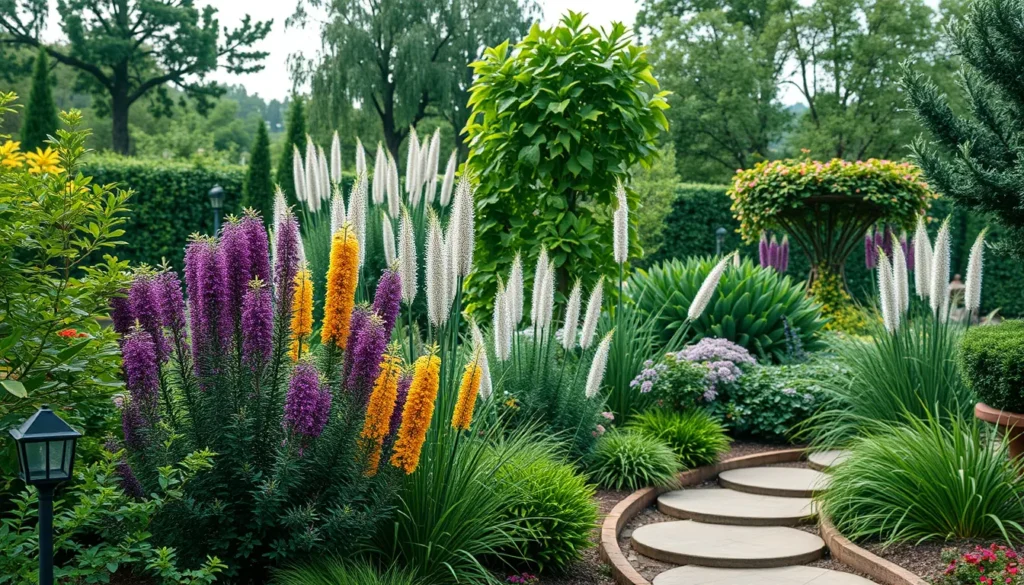
Sustainable landscaping has shifted from niche practice to mainstream necessity as communities, businesses, and homeowners confront climate change, biodiversity loss, and water scarcity. Modern sustainable landscaping blends aesthetics, functionality, and environmental stewardship to create outdoor spaces that reduce resource use, support native ecosystems, and enhance human well-being. This article analyzes the latest trends in sustainable landscaping practices, with emphasis on eco-friendly materials, water conservation techniques, and design approaches that promote environmental health.
-
Overarching trends shaping sustainable landscaping
- Nature-based design: Landscapes increasingly mimic natural systems, using native plant communities, layered planting, and ecological principles to create resilient, low-maintenance ecosystems. This approach enhances biodiversity, supports pollinators, and reduces input needs.
- Regenerative landscaping: Beyond sustainability, regenerative practices aim to restore soil health, sequester carbon, and improve ecosystem function. Techniques include soil amendment, biochar application, and diverse perennial plantings that build long-term resilience.
- Multifunctional design: Urban and suburban landscapes are being designed to serve multiple purposes — stormwater management, habitat creation, food production, recreation, and climate mitigation — maximizing benefits per square foot.
- Technology integration: Smart irrigation controls, soil moisture sensors, weather-based controllers, and landscape performance monitoring enable precise resource use and adaptive management.
- Equity and accessibility: Sustainable design is increasingly framed as a social as well as environmental issue, promoting green spaces that are accessible and beneficial to diverse communities.
-
Eco-friendly materials and low-impact hardscaping Choosing materials with low embodied energy, durability, recyclability, and minimal environmental harm is central to sustainable landscaping.
- Recycled and reclaimed materials: Reclaimed wood, recycled concrete aggregate, crushed glass mulch, and reclaimed brick reduce demand for virgin resources and divert waste from landfills. These materials often add distinct aesthetic character while lowering embodied carbon.
- Permeable paving: Permeable pavers, porous asphalt, and reinforced grass pavers allow stormwater to infiltrate, reducing runoff and recharging groundwater. Permeable surfaces mitigate urban heat island effects when combined with light-colored materials and vegetation.
- Locally sourced stone and gravel: Using regional materials cuts transportation emissions and supports local economies. Native stone also tends to weather and blend naturally with the landscape.
- Low-carbon concrete alternatives: New formulations use supplementary cementitious materials, like fly ash or slag, and lower clinker content to reduce carbon emissions. Alternatives such as geopolymer concrete and rammed earth are gaining traction where appropriate.
- Natural, non-toxic finishes: Oil-based stains, water-based sealants with low volatile organic compounds (VOCs), and natural paints minimize air and soil contamination. Avoiding treated lumber with harmful chemicals is increasingly recommended; options like thermally modified wood and naturally rot-resistant species provide safer longevity.
- Living structures and green walls: Incorporating vegetated walls, green roofs, and trellised plantings replaces hard surfaces with living systems that sequester carbon, cool microclimates, and support wildlife.
-
Water conservation techniques Water scarcity is a primary driver of sustainable landscaping innovation. Efficient water use and stormwater management are essential.
- Xeriscaping and drought-tolerant plant palettes: Xeriscaping emphasizes water-efficient design principles: planning and zoning, soil improvements, appropriate plant selection, efficient irrigation, mulching, and maintenance. Native and Mediterranean-type plants often thrive with minimal irrigation once established.
- Smart irrigation systems: Controllers that adjust schedules based on weather forecasts, soil moisture sensors, and evapotranspiration data significantly reduce overwatering. Drip irrigation delivers water directly to root zones, minimizing evaporation and runoff.
- Rainwater harvesting: Cisterns, rain barrels, and underground storage systems collect roof runoff for landscape irrigation, reducing potable water demand. Integrating storage into design elements, such as bench seats or planter walls, can conceal tanks aesthetically.
- Stormwater capture and water reuse: Bioswales, rain gardens, and constructed wetlands filter and infiltrate stormwater, recharge aquifers, and provide irrigation sources. Graywater systems repurpose domestic wastewater for landscape use where regulations permit.
- Mulching and soil health: Organic mulches retain soil moisture, suppress weeds, and contribute to soil organic matter as they break down. Improving soil structure with compost increases water holding capacity and reduces irrigation frequency.
- Hydro-zoning: Grouping plants by water needs into separate irrigation zones avoids wasting water on low-need species and enables targeted management.
-
Designing landscapes that contribute to environmental health Design decisions have cascading effects on soil, water, biodiversity, and climate resilience. The following approaches help landscapes function as positive ecological infrastructure.
- Prioritize native and diverse plantings: Native species support local pollinators, birds, and beneficial insects. Planting diverse communities reduces pest and disease vulnerability and creates layered habitats from groundcover to canopy.
- Establish ecological corridors: Even small properties can contribute to broader habitat connectivity by incorporating hedgerows, native plant buffers, and pollinator corridors that link green spaces across urban matrices.
- Restore soil and sequester carbon: Practices like no-till planting, cover cropping, compost application, and incorporation of perennial deep-rooted plants improve soil organic matter and capture atmospheric carbon. Biochar amendments can enhance carbon stability and soil fertility.
- Minimize lawn area: Traditional turf lawns are resource-intensive. Reducing lawn size in favor of native meadows, clover blends, or multifunctional groundcovers reduces maintenance, supports biodiversity, and allows for productive plantings such as food gardens.
- Create microclimates and passive cooling: Strategic tree placement and green shading reduce building cooling loads and mitigate urban heat islands. Permeable landscaping and green roofs further lower surface temperatures.
- Use integrated pest management (IPM): Favor cultural, mechanical, and biological controls over synthetic pesticides. Habitat for natural predators, proper plant selection, and monitoring reduce chemical dependencies.
- Design for regeneration and adaptability: Create flexible spaces that can adapt to climate shifts, sea level rise, and changing community needs. Use modular planting beds, raised planters, and adaptive stormwater features.
-
Case examples and emerging projects
- Urban bioswale retrofit: Many cities are converting curbside landscapes into vegetated bioswales that treat runoff, enhance street trees, and reduce sewer overflows. These projects often pair permeable paving with native grasses and seasonal wildflowers.
- Suburban regenerative yards: Homeowners are replacing extensive lawns with mixed native plant gardens, rain gardens, and vegetable plots, integrating rain barrels and drip irrigation for year-round resilience.
- Corporate green campuses: Corporations adopt low-impact site strategies, including green roofs, on-site water recycling, and habitat gardens that serve employees and the community while meeting sustainability goals.
-
Implementation: practical steps for practitioners and homeowners
- Conduct a site assessment: Analyze soil, microclimates, drainage, existing vegetation, and wildlife patterns. Use this baseline to inform plant selection and placement.
- Start with soil: Invest in soil testing and remediation. Amend soils with compost, encourage microbial activity, and avoid compaction to set a strong foundation for resilient landscapes.
- Choose plants strategically: Prioritize natives, then drought-tolerant ornamentals and edibles. Use plant communities that naturally coexist for lower maintenance and ecological compatibility.
- Optimize irrigation: Replace spray heads with drip systems where possible, segment irrigation zones by plant water needs, and employ smart controllers and moisture sensors.
- Integrate stormwater features: Use rain gardens, dry wells, and permeable surfaces to manage runoff close to its source. Match plant tolerance to wet or dry conditions within these features.
- Source sustainable materials: Specify recycled, locally sourced, or low-carbon materials in hardscape design. Evaluate product lifecycles and maintenance requirements.
- Monitor and adapt: Track water use, plant health, and maintenance demands. Adjust maintenance schedules, irrigation, and plantings based on performance data.
-
Policy, incentives, and community-scale strategies Policy tools can accelerate adoption of sustainable landscaping practices.
- Water pricing and incentives: Tiered water pricing and rebates for smart irrigation systems or rainwater harvesting encourage conservation.
- Stormwater credits: Municipal programs that offer credits for on-site stormwater management motivate developers and property owners to install green infrastructure.
- Landscaping codes and ordinances: Updating codes to reduce mandatory turf requirements, allow graywater reuse, and encourage native plantings can transform urban landscapes.
- Education and demonstration sites: Public demonstration gardens, workshops, and extension services provide hands-on learning and increase community uptake.
Sustainable landscaping is evolving rapidly, combining ecological science, technological innovation, and design thinking to produce landscapes that are beautiful, resilient, and beneficial to the environment. By choosing eco-friendly materials, implementing water-smart strategies, and designing for biodiversity and soil health, practitioners and homeowners can create outdoor spaces that support climate adaptation, conserve resources, and enhance community well-being. The most successful projects integrate site-appropriate plantings, thoughtful hydrology, and durable low-impact materials, all guided by ongoing monitoring and adaptive management. As communities scale these practices through policy and education, landscapes will increasingly function as essential green infrastructure for a healthier planet.
About the Author