In today’s fast-paced world, the concept of minimalism has gained traction as a way to simplify life and promote clarity. This philosophy extends beautifully into landscaping, where the principles of minimalism can create serene and tranquil outdoor spaces. By focusing on clean lines, simple plant selections, and uncluttered designs, you can transform your backyard into a peaceful retreat that encourages relaxation and mindfulness. This article will explore the key principles of minimalist landscaping, providing insights on how to achieve a harmonious and serene outdoor environment.
1. Embracing Clean Lines
Design with Intent:
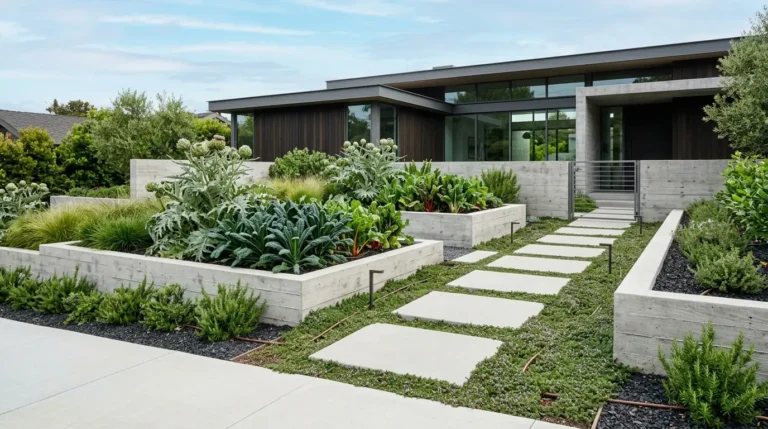
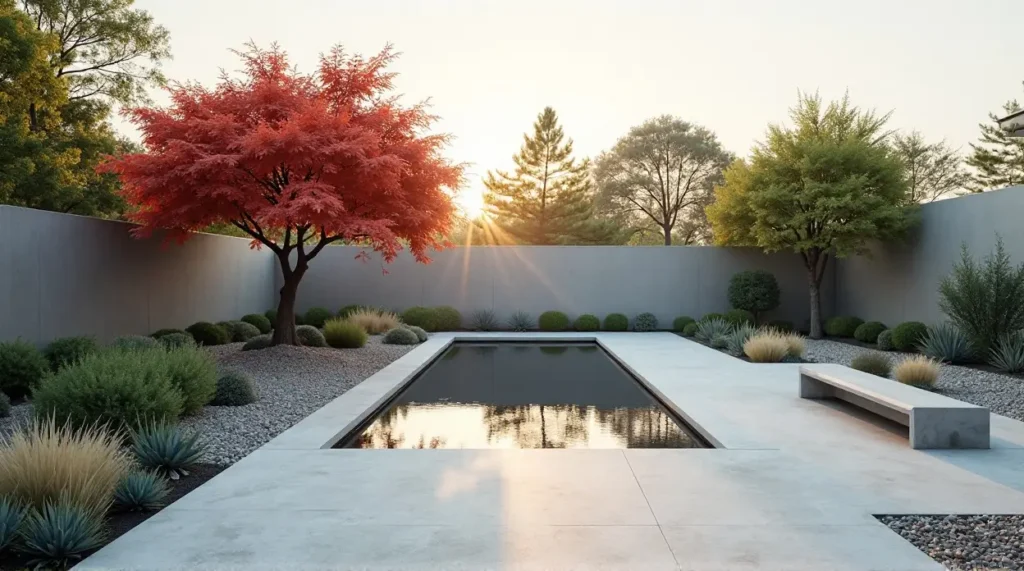
Minimalism hinges on the idea of “less is more.” In landscaping, this can be achieved by incorporating sharp, clean lines that define different areas of your yard. Consider straight pathways, geometric garden beds, and structured seating areas that create a sense of order and simplicity.
Focal Points:
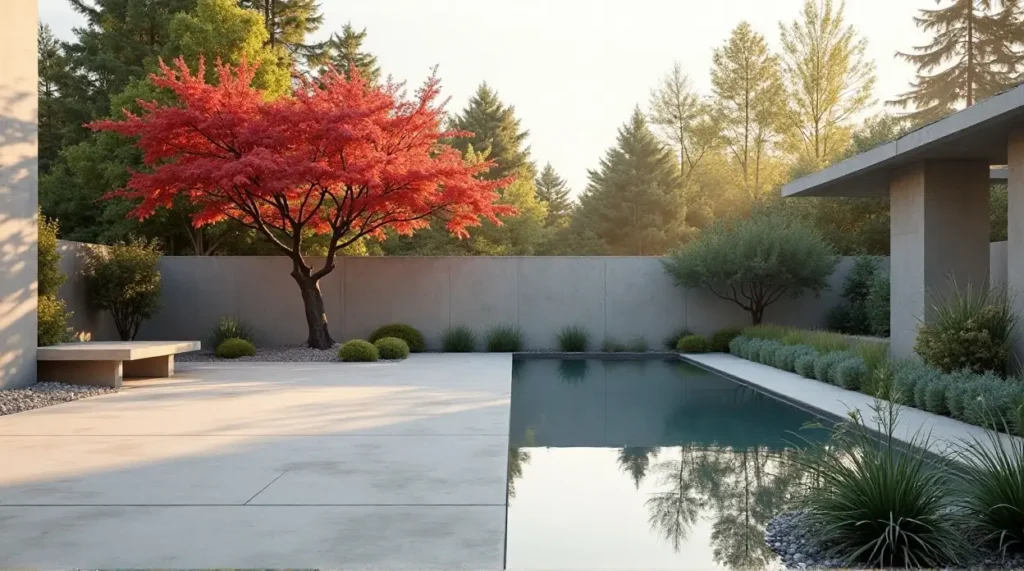
To enhance the minimalist aesthetic, choose a few well-placed focal points—like a single striking sculpture, a modern fire pit, or a carefully positioned tree. The presence of these elements will anchor the design without overwhelming the senses, allowing the eye to settle on key features.
Defined Spaces:
Use hardscaping materials like concrete, stone, or gravel to create defined spaces within your yard. This not only promotes organization but also reduces visual clutter, fostering a tranquil atmosphere. A simple patio area with a clean-cut stone border can serve as a gathering spot while maintaining minimalist appeal.
2. Simple Plant Selections
Limited Plant Palette:
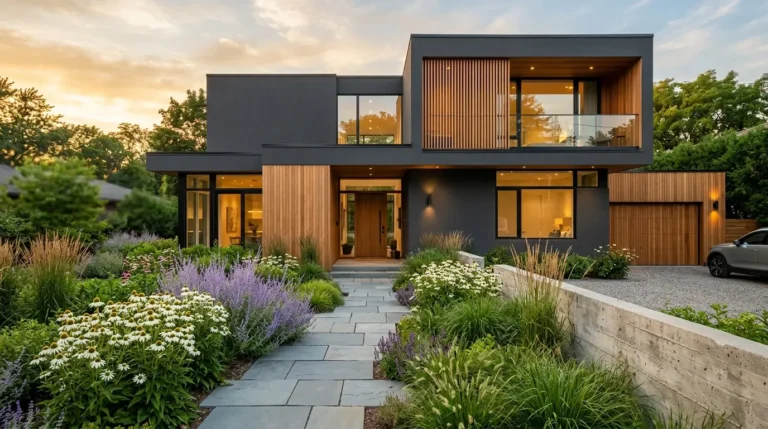
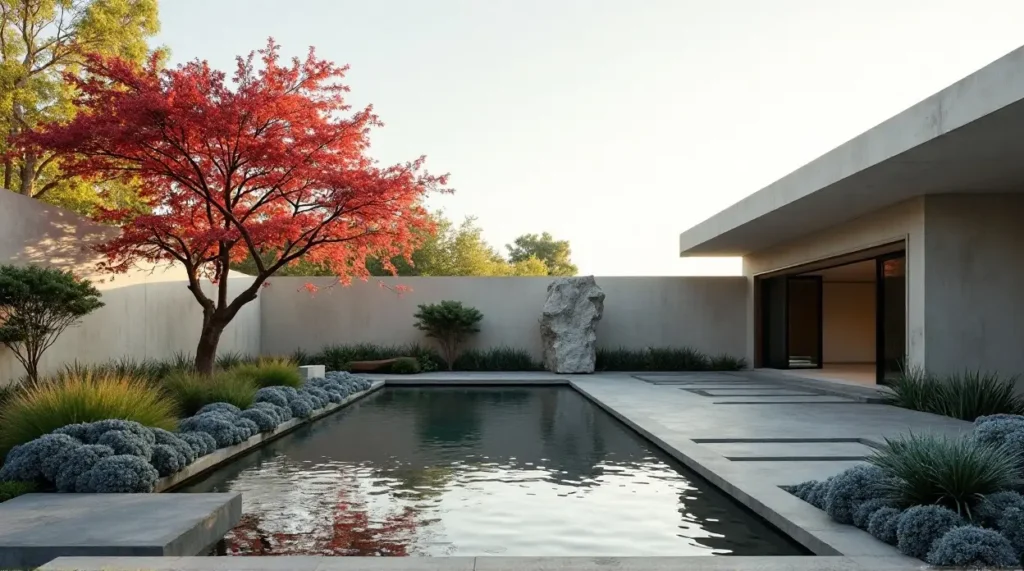
A key principle of minimalist gardening is to select a limited palette of plants. Choose a few species that complement each other in color, shape, and texture. For example, combining ornamental grasses with low-maintenance succulents creates a cohesive look that is both striking and serene.
Focus on Foliage:
Consider plants that offer year-round appeal, emphasizing foliage over flowers. Plants such as evergreens, hostas, and ferns provide texture and visual interest without the chaos of frequent color changes. This approach contributes to a calming environment, allowing the eye to rest on the lush greens.
Zoning and Spacing:
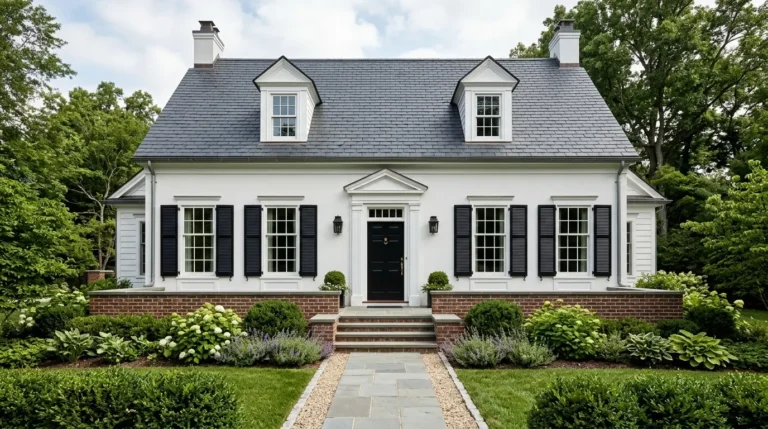
Leave ample space between plantings to create a feeling of openness. This spacing not only enhances the minimalist aesthetic but also allows each plant to shine individually, avoiding overcrowding and promoting a sense of peace.
3. Uncluttered Outdoor Spaces
Functional Furniture:
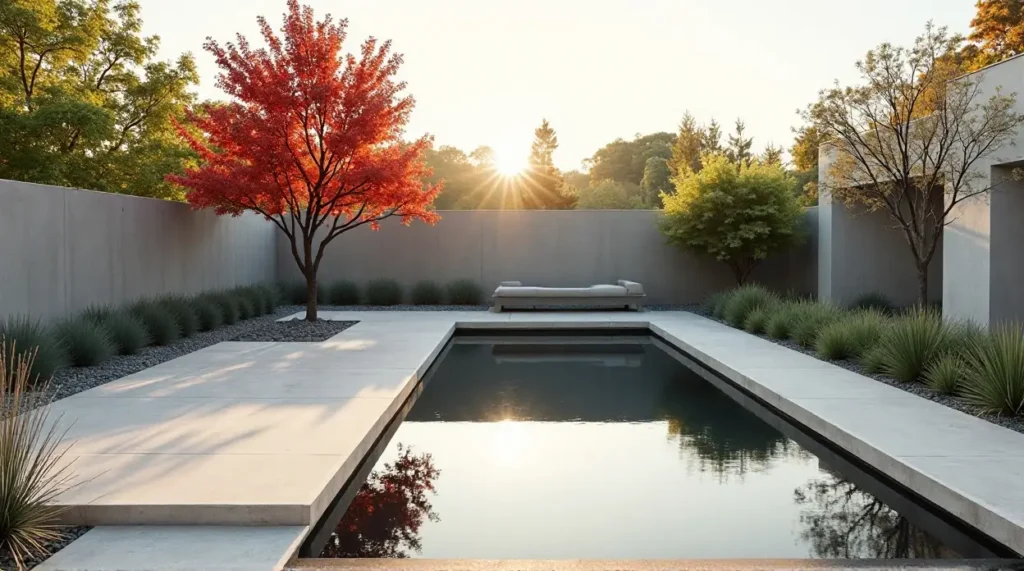
In a minimalist landscape, outdoor furniture should be functional yet unobtrusive. Opt for sleek, modern designs made from materials like metal or concrete. A simple bench or a few scatter cushions arranged around a fire pit can create a cozy seating area without overwhelming the space.
Declutter Accessories:
Limit decorative accessories to a few essential items that enhance the overall design. For instance, a single lantern or a small water feature can add interest and ambiance without detracting from the minimalist ethos. Keep accessories simple, utilizing clean lines and muted colors to maintain a cohesive look.
Natural Materials:
Incorporate natural materials that harmonize with the surrounding environment. Wood, stone, and metal can create a seamless connection between the landscape and your living space, enhancing the feeling of serenity. For example, a wooden deck can provide a warm, inviting surface that encourages outdoor relaxation.
4. Incorporating Natural Elements
Water Features:
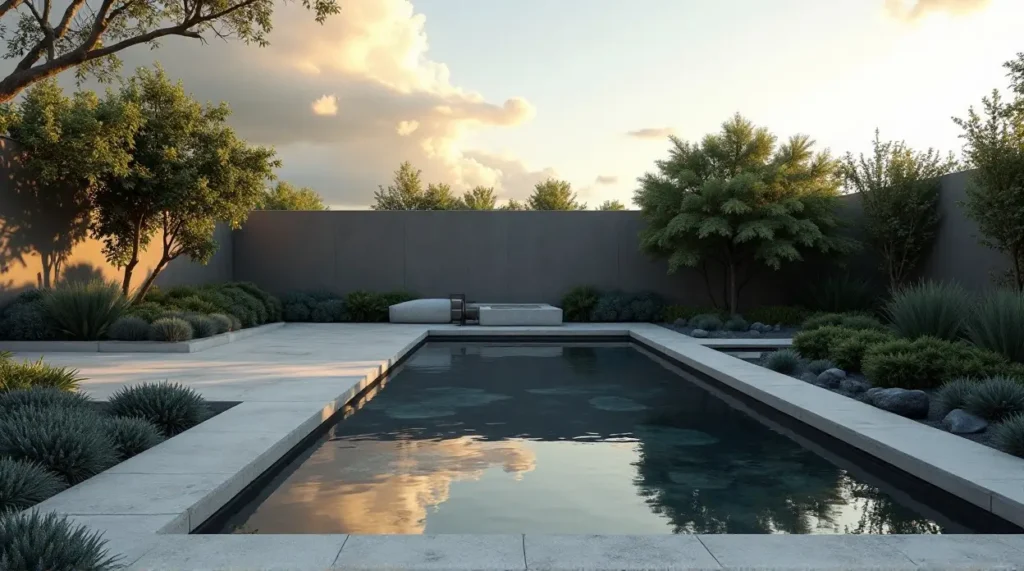
Consider adding a serene water feature, such as a reflecting pool or a small fountain, to your minimalist garden. The sound of flowing water can enhance relaxation and tranquility while serving as a striking visual element that complements the minimalist design.
Stone Pathways:
Natural stone pathways can lead visitors through your minimalist landscape, guiding them to different areas of the garden. Use large, flat stones spaced apart to create a tranquil walking experience that encourages mindfulness and connection to nature.
Windbreaks with Purpose:
Integrate simple, understated windbreaks such as low hedges or minimalist trellises with climbing plants. These features not only define the space but also create a sense of privacy, contributing to a more serene environment.
Conclusion
The art of minimalism in landscaping offers a unique approach to creating serene and tranquil outdoor spaces. By embracing clean lines, simple plant selections, and uncluttered designs, you can cultivate a backyard that promotes relaxation and mindfulness. The principles outlined here provide a framework to guide you in designing a minimalist garden that reflects your personal style while fostering a sense of peace amidst nature. Embrace the beauty of simplicity and let your backyard transform into a calming retreat that nurtures your well-being.
About the Author