1. The Intersection of Sustainability and Style
Have you ever looked at a traditional, chemically treated lawn and thought it felt a bit… hollow? Like a green plastic rug that demands your weekends and your water bill in exchange for absolutely nothing? You aren’t alone. In 2026, the trend has shifted. We are moving away from “conquering” nature and toward “collaborating” with it. This is where Modern Organic Minimalism steps in.
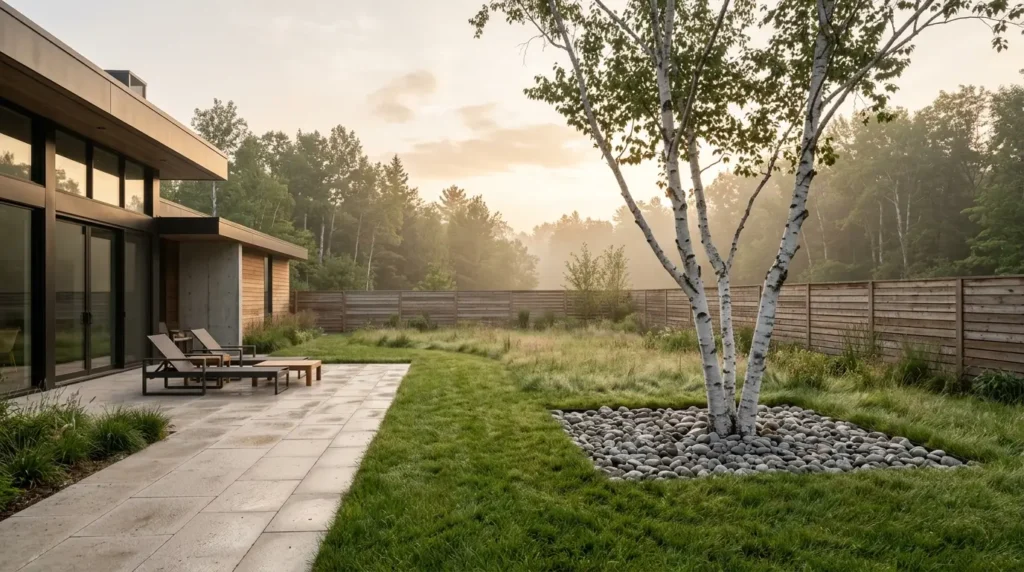
It’s the design equivalent of a deep, cleansing breath. It takes the sharp, clean lines of modern architecture and softens them with the messy, beautiful reality of organic life. It’s about creating a space that looks like a high-end gallery but functions like a thriving ecosystem. Why choose between a beautiful yard and a healthy planet when you can have both?
2. Planning Your Eco-Friendly Canvas
Before you pick up a shovel, you need a vision. Modern Organic Minimalism isn’t just about what you put into the yard; it’s about what you leave out. We’re talking about intentional restraint.
2.1. Assessing Your Local Ecosystem
The first step in eco-friendly landscaping is listening to the land. What grows naturally in your part of the world? If you’re in a dry climate, trying to maintain a lush, English-style garden is like trying to wear a parka in the Sahara—it’s exhausting and totally out of place. By understanding your microclimate, you can choose plants that actually want to be there.
3. Soil: The Living Foundation
If your soil is dead, your garden is just on life support. Most “traditional” yards are depleted by years of synthetic fertilizers. We want to build a living sponge. By incorporating organic compost and avoiding tilling, you allow the mycelium and beneficial bacteria to do the work for you. Think of your soil as the “gut health” of your backyard.
4. Water Wisdom: Modern Irrigation
Water is our most precious resource, yet we often dump it onto our yards with reckless abandon. In a Modern Organic Minimalist setup, every drop is accounted for.
4.2. Rain Gardens as Art
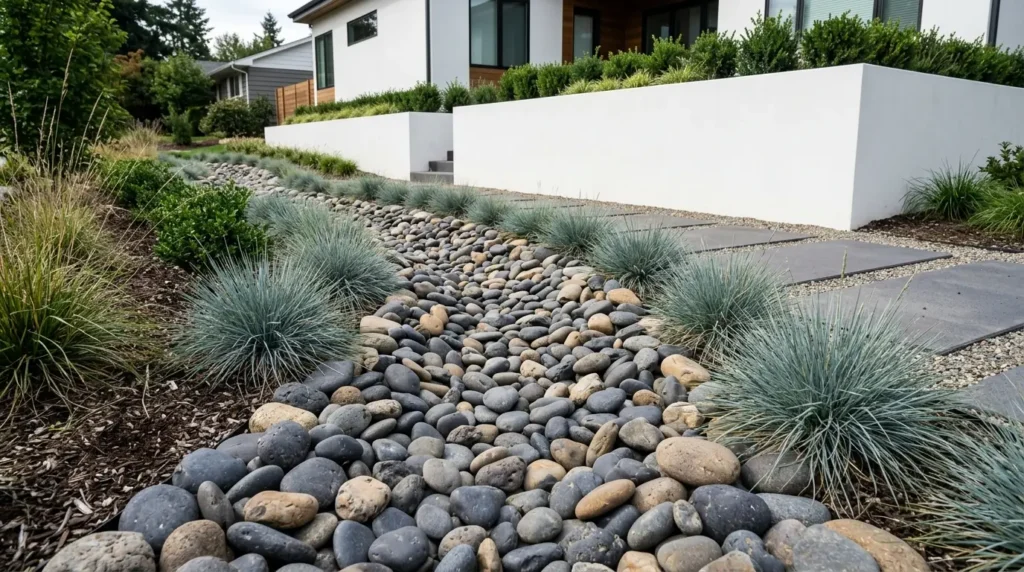
Why hide your drainage? A rain garden can be a stunning focal point. By using local river stones and water-loving sedges, you can create a depression in the land that catches runoff, filters it, and slowly returns it to the groundwater. It’s functional art that prevents erosion and looks incredible after a storm.
5. The Palette of the Land: Choosing Native Flora
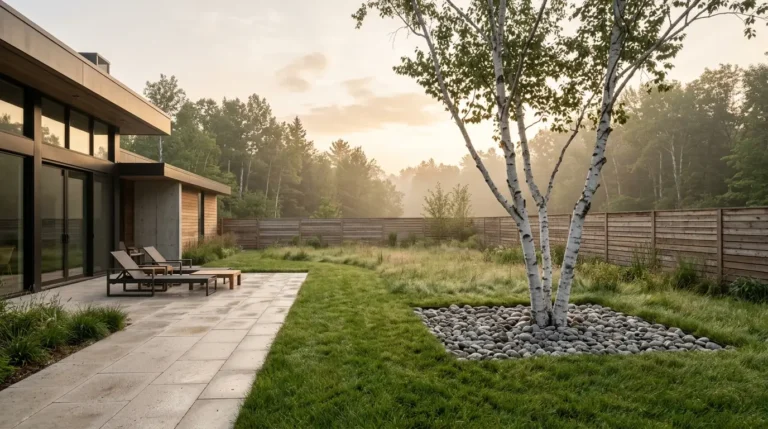
Native plants are the true heroes of this story. They don’t need your help; they’ve been thriving in your soil for thousands of years. From a design perspective, they offer incredible textures. Imagine the silver-green of sagebrush against a dark wood fence, or the architectural height of native grasses swaying in the wind. This isn’t just a garden; it’s a living sculpture.
6. Sustainable Hardscaping
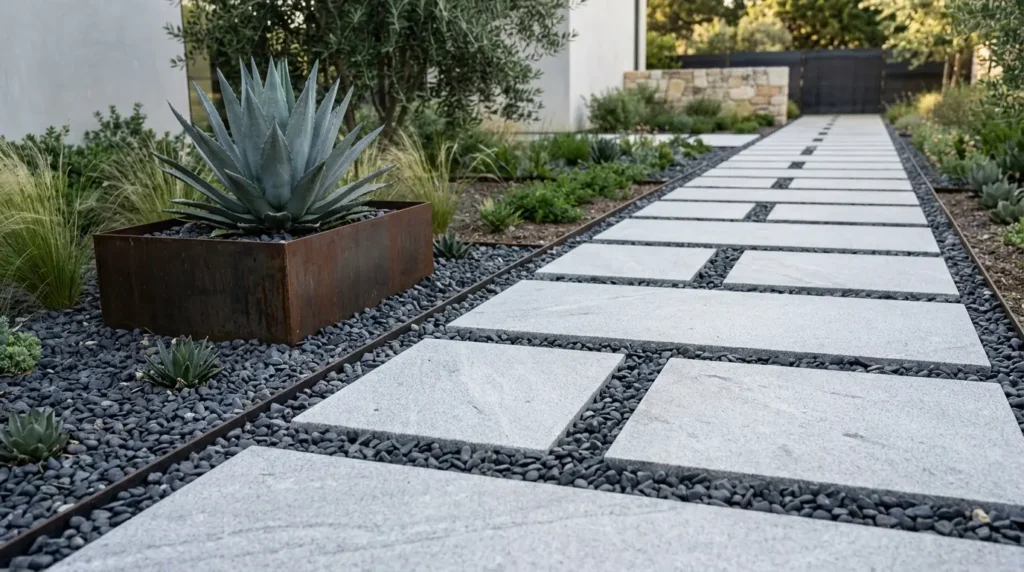
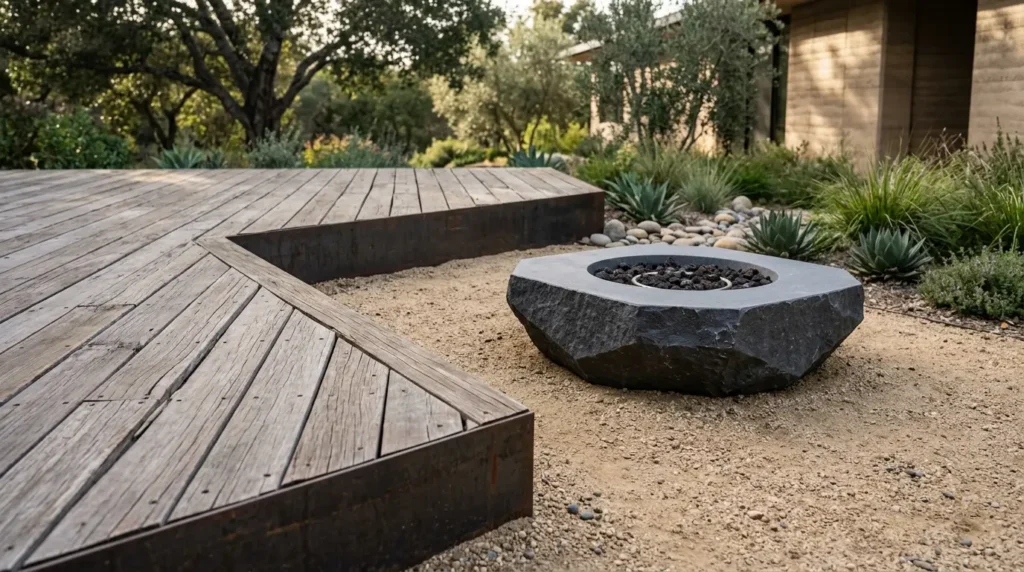
Hardscaping—the “bones” of your garden—should be as eco-friendly as the plants. Avoid poured concrete where possible. Instead, look toward permeable surfaces. This allows the earth to breathe and prevents the “heat island” effect that makes many modern patios feel like an oven in July.
7. Edible Minimalism
Can you eat your landscape? Absolutely. But forget the messy, chaotic vegetable patches of the past. Modern Organic Minimalism incorporates food through geometric raised beds. Think long, low-slung steel boxes filled with organized rows of kale, rosemary, and alpine strawberries. It’s “edible art” that provides a harvest without disrupting the visual peace of your sanctuary.
8. Outdoor Living: Minimalist Zones
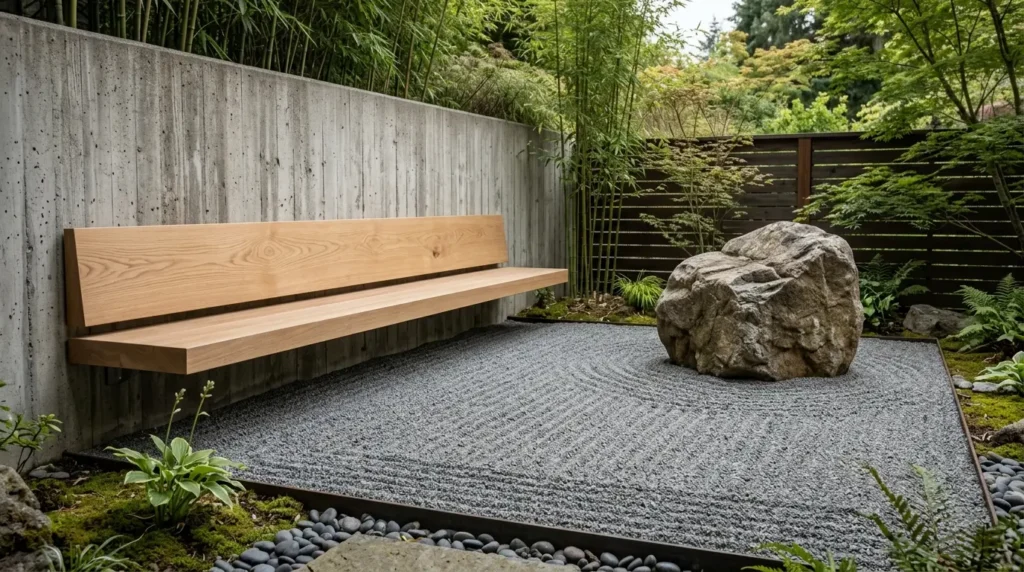
Your backyard should be a series of “rooms” without walls. A dedicated zone for contemplation might feature a simple stone bench and a single, perfectly placed Japanese Maple. By zoning your yard, you maximize the utility of the space while maintaining that coveted minimalist “flow.”
9. Lighting and Tech
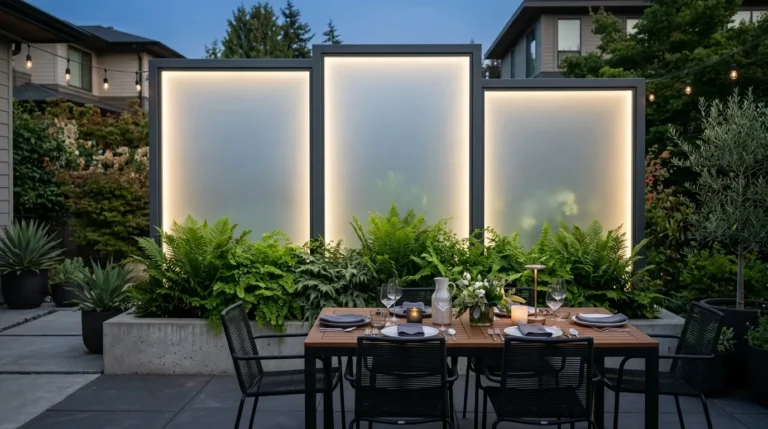
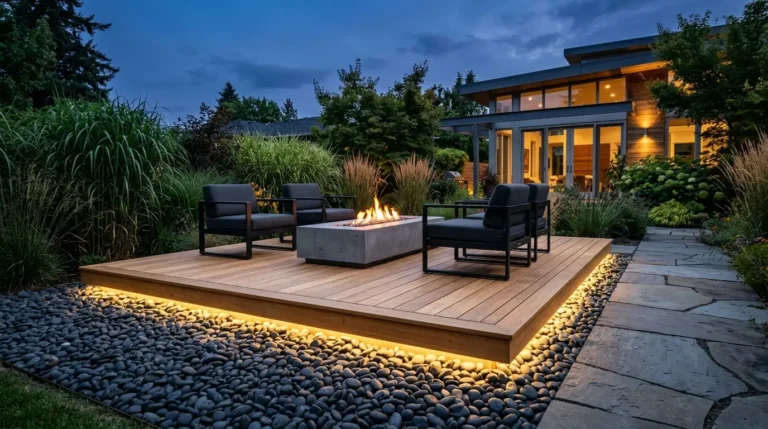
In 2026, solar technology has finally caught up with our aesthetic demands. You no longer need to settle for cheap plastic stakes. High-end, minimalist solar pucks can be recessed into your decking or hidden under the lip of a stone wall. Furthermore, we must consider Dark Sky Compliance. By pointing our lights downward and using warm tones, we protect the nocturnal birds and insects that call our backyards home.
10. Long-Term Stewardship
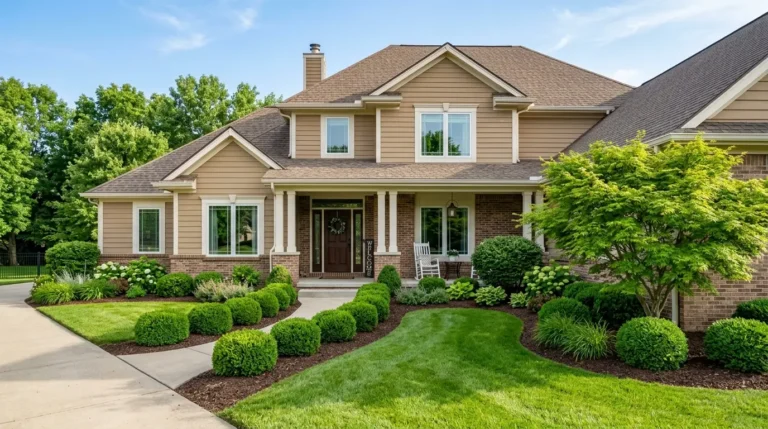
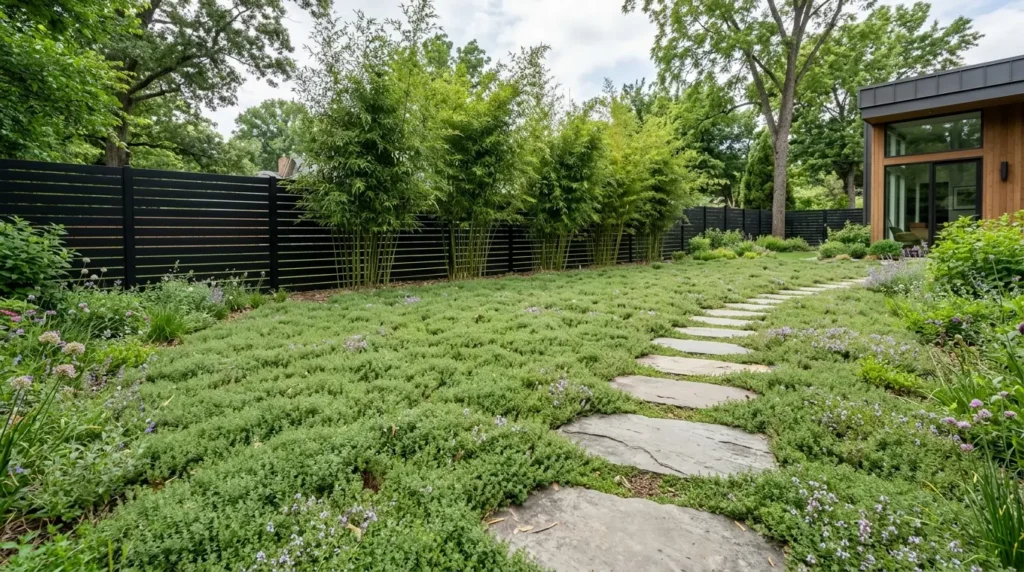
The ultimate goal of this design style is to retire the lawnmower. By replacing high-maintenance turf with groundcovers like creeping thyme or native fescue, you reduce your labor to nearly zero. You aren’t just saving the planet; you’re getting your Sundays back.
11. Conclusion: Your Legacy in the Soil
Eco-friendly backyard landscaping isn’t a sacrifice—it’s an evolution. By embracing Modern Organic Minimalism, you are stripping away the unnecessary noise of the 20th-century yard and returning to something more honest. You are creating a bridge between the rigid geometry of the home and the fluid, resilient beauty of the natural world. It’s a space that doesn’t just look good on a screen; it feels good in your soul. Are you ready to let your backyard breathe?
12. Frequently Asked Questions (FAQs)
Q1: Is an eco-friendly backyard more expensive to build? A: Initially, sourcing native plants and high-quality sustainable materials like reclaimed wood or recycled steel can have a higher upfront cost. However, you will save thousands over the life of the garden through reduced water consumption, zero fertilizer costs, and minimal maintenance labor.
Q2: How do I keep a minimalist garden from looking “cold” or “empty”? A: The “Organic” part of the style is the secret. Use soft textures—like swaying grasses, fuzzy-leafed plants, and warm-toned natural wood—to balance the hard lines. Lighting also plays a huge role; warm, indirect light makes a minimalist space feel like a sanctuary.
Q3: Can I still have a “lawn” for my kids or dog? A: Yes! But instead of a thirsty monoculture of Kentucky Bluegrass, consider a “clover lawn” or a native fescue blend. These options are much tougher, require 70% less water, and provide a soft, green space for play without the chemical footprint.
Q4: Do native plants attract pests? A: They attract insects, yes—but “pests” is a subjective term. Native plants foster a balanced ecosystem. You will see more butterflies, bees, and birds. Because you aren’t using pesticides, the “good” bugs (like ladybugs) will naturally keep the “bad” bugs (like aphids) in check.
Q5: What is the best way to start if I already have a traditional yard? A: Start small. Define one area to be a “No-Mow” zone or a rain garden. Replace your most thirsty plants with native alternatives. The most important step is to stop using synthetic fertilizers and pesticides immediately to let the natural soil biology begin to recover.
About the Author