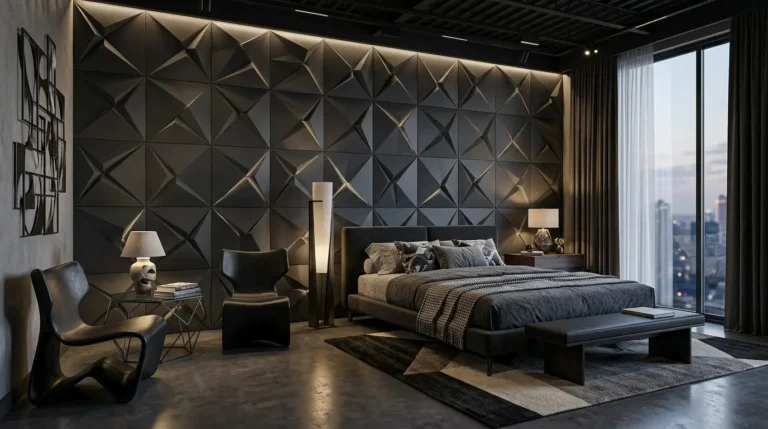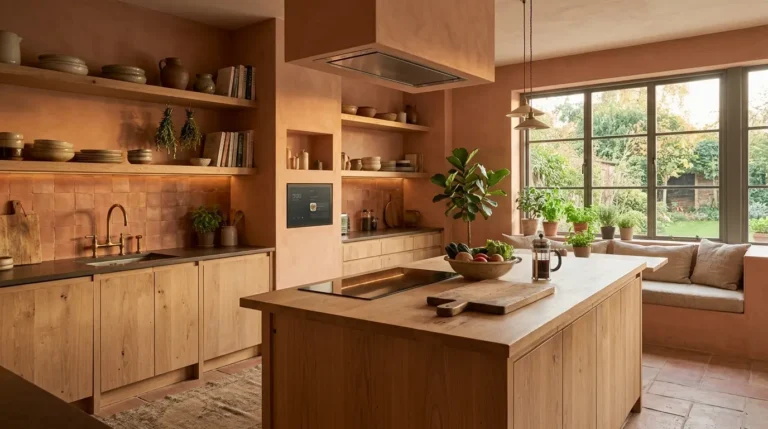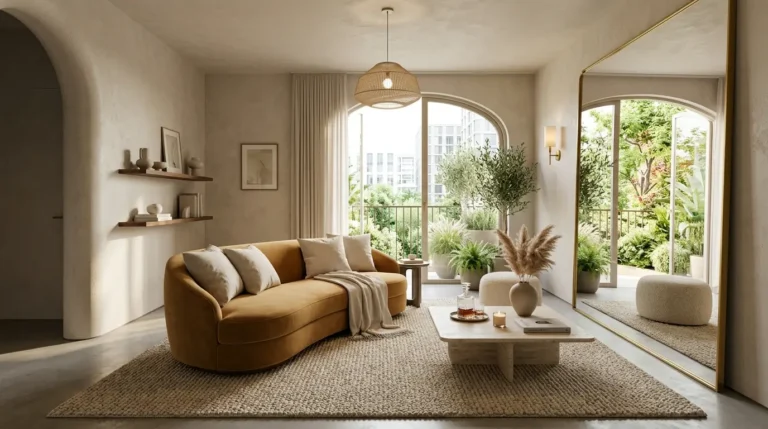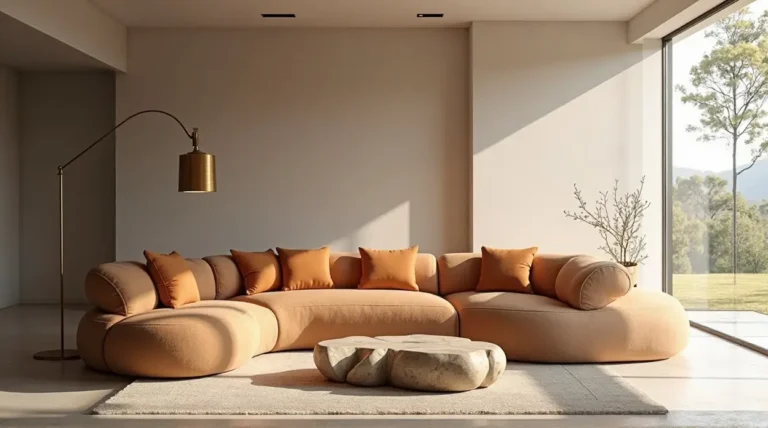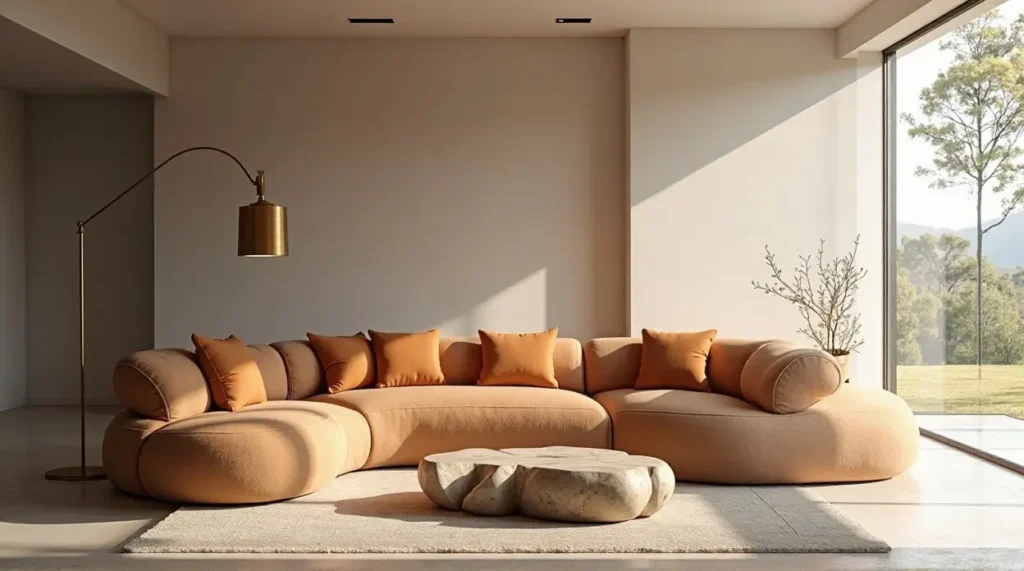
As we step into 2026, the world of furniture design is witnessing a remarkable evolution characterized by sculptural forms and adaptive designs that cater to the diverse and ever-evolving needs of modern living. Emphasizing both artistry and functionality, these trends not only enhance aesthetic appeal but also create versatile spaces that adapt to our lifestyles. This analysis explores the prominent furniture styles of 2026, highlighting key pieces and their contributions to a cohesive living room aesthetic.
Key Furniture Styles for 2026
- Sculptural Forms
The trend towards sculptural furniture is redefining how we perceive functionality in design. Pieces with bold, organic shapes and artistic flair are becoming focal points in living rooms, turning furniture into works of art.- Examples: Curved sofas with asymmetrical silhouettes, sculptural coffee tables made from unique materials (such as resin or stone), and artistic side chairs that challenge traditional forms. Brands like Fritz Hansen and B&B Italia are leading the charge with their innovative designs that showcase both beauty and comfort.
- Adaptive Designs
Adaptive furniture responds to the increasing need for flexibility in home environments. With remote work, multi-use spaces, and compact living becoming more prevalent, adaptive designs provide solutions that maximize functionality without sacrificing style.- Examples: Modular sofas that can be reconfigured for different activities (such as lounging, entertaining, or working), coffee tables with adjustable heights, and shelving units that can be expanded or contracted based on personal needs. Companies like Muji and IKEA are pioneering this trend with their versatile and user-friendly offerings.
Key Pieces Combining Functionality and Artistic Flair
- Modular Sofas
These sofas allow homeowners to customize their seating arrangements according to their lifestyle. The components can be rearranged to create the desired layout, whether it’s for a cozy movie night or an open space for gatherings. Brands like Ligne Roset offer stylish options that are both functional and visually striking. - Sculptural Lighting Fixtures
Lighting has transcended its practical role to become a critical design element in 2026. Sculptural pendant lights and floor lamps not only illuminate spaces but also serve as striking focal points. Designs featuring unusual shapes and materials, such as marble or metal, can drastically transform the ambiance of a room while highlighting other sculptural furniture. - Artistic Coffee Tables
Coffee tables are now being designed as artistic statements, often resembling sculptures in their form. Tables that feature bold, artistic bases with clear glass tops or unique sculptural materials can seamlessly blend style with utility. - Convertible Furniture
The paradigm of function continues to evolve with pieces like foldable desks, transforming coffee tables, and wall beds that can integrate into existing décor when not in use. These adaptable designs reflect the dynamic nature of modern living while maintaining aesthetic appeal. - Accent Chairs
Chairs that boast sculptural qualities and ergonomic design are gaining prominence. These accent chairs not only provide comfort but can function as standalone art pieces within a living room. Designers like Gubi and HAY offer models that combine playful forms with high-quality materials, making them ideal for contemporary spaces.
Cohesive Living Room Aesthetic
To create a cohesive living room aesthetic with these trends, consider the following tips:
- Balanced Integration
Aim to blend sculptural and adaptive designs with existing furniture. By maintaining a balance between visually dramatic pieces and functional designs, you can achieve a harmonious look. - Color and Material Cohesion
Choose a consistent color palette that ties together all elements of the living room, from artwork to furniture. Incorporating natural materials like wood, stone, and metal will create a grounded look that complements sculptural designs. - Layering Textures
Incorporate various textures within the space to add depth. Pairing smooth, sculptural forms with soft textiles can create a comfortable yet visually engaging environment. - Functionality in Design
While art is significant, choose furniture that meets your functional needs. Ensure that any sculptural piece serves a purpose, enhancing the space not just with its beauty but through its versatility.
Conclusion
The furniture trends of 2026 showcase a captivating blend of sculptural artistry and adaptive functionality that reflects the evolving nature of modern living. Key pieces embodying these trends can transform a living room into a stylish, cohesive haven that meets diverse needs while serving as a platform for creative expression. As we embrace these innovative designs, the living room will continue to evolve into a multifunctional space that celebrates both beauty and utility. Whether through bold sculptural forms or versatile adaptive designs, the furniture of 2026 promises to elevate interiors to new artistic heights.
About the Author