Small gardens can pose unique challenges, but with clever design strategies, corners can be transformed into vibrant flower beds that enhance the aesthetic appeal of the entire space. Here are some innovative solutions to maximize these often-overlooked areas, ensuring they contribute positively to your garden’s overall look without feeling cramped.
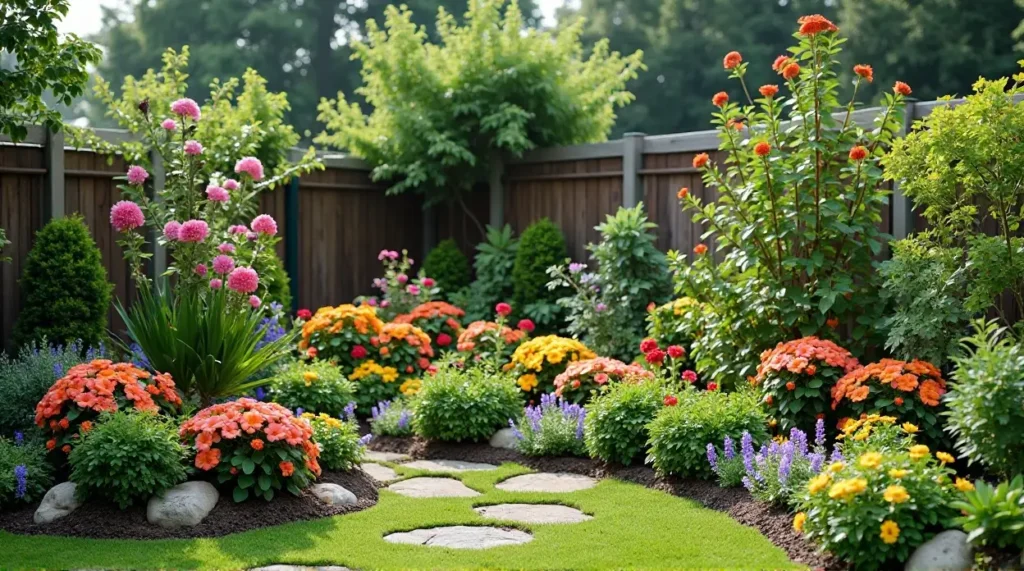
1. Curved Flower Beds
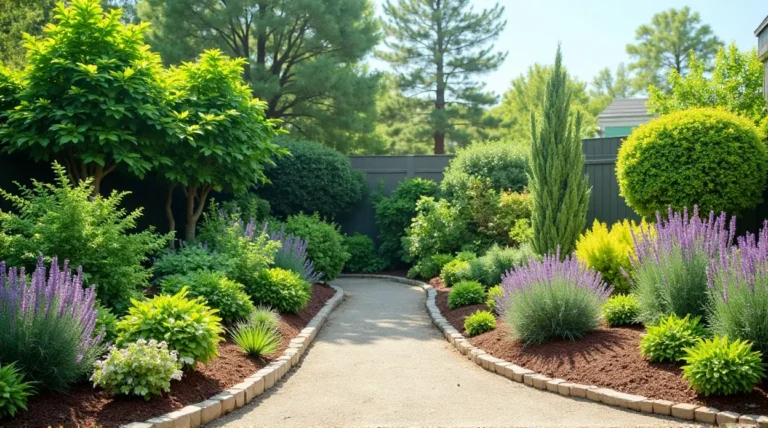
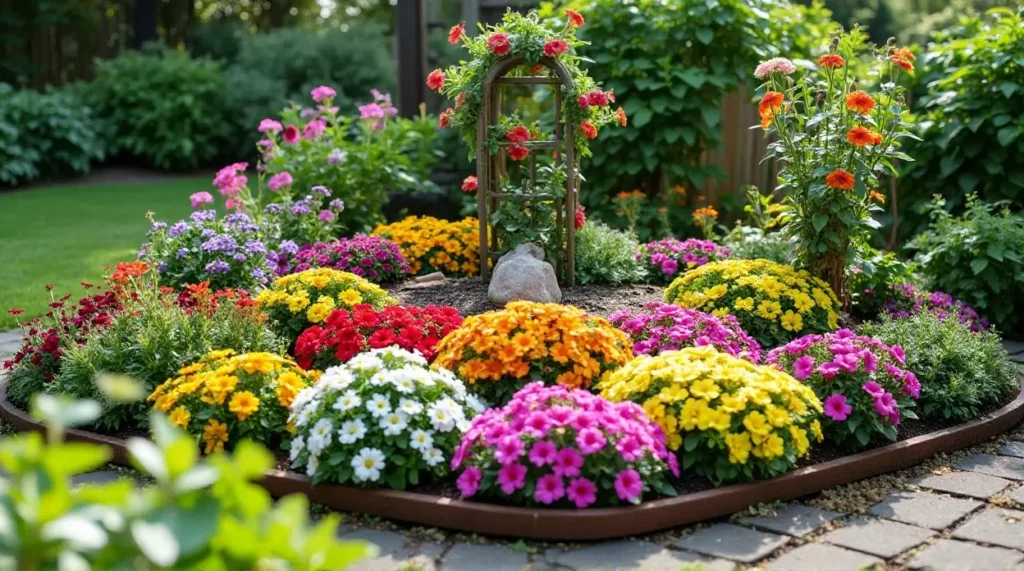
- Design Elements: Rather than straight lines, opt for curved flower bed designs. Curved shapes can soften the overall look, making your garden feel larger and more inviting.
- Plant Selection: Use a mix of low-growing plants in the front and taller plants in the back or center to achieve height variation, ensuring that the bed appears full and colorful without overcrowding.
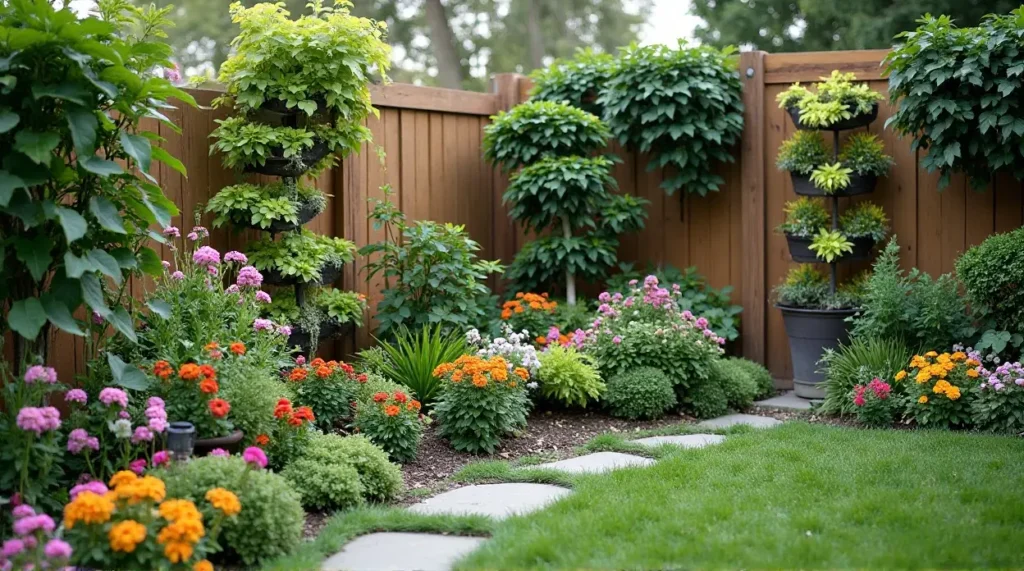
2. Vertical Gardens
- Utilizing Vertical Space: If the footprint is limited, consider installing vertical gardens. This could be in the form of wall planters, trellises, or grids where climbing plants can thrive.
- Ideal Plants: Select climbing flowers like sweet peas, clematis, or morning glories that can add vibrant colors without consuming valuable ground space.
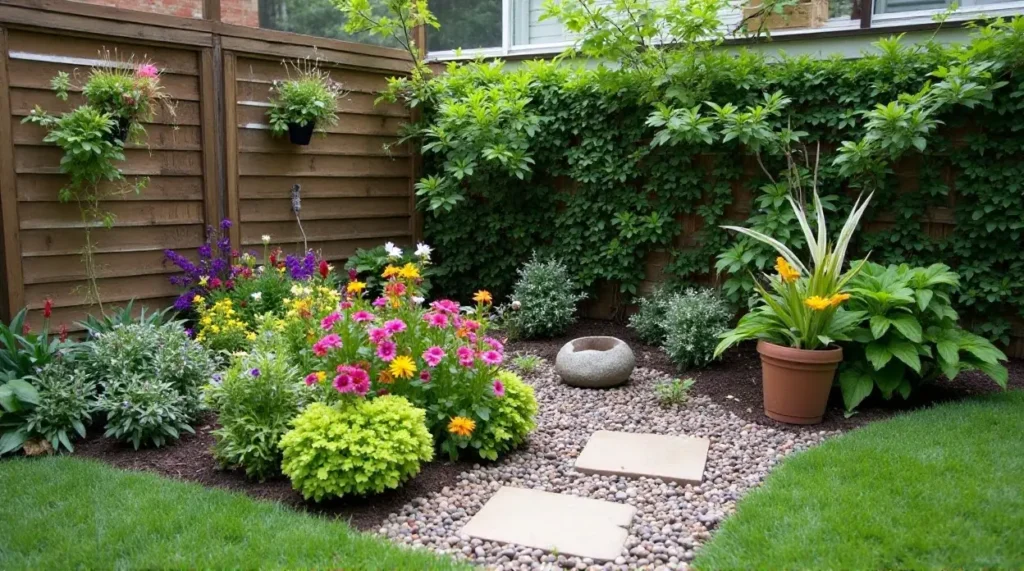
3. Container Gardens
- Flexibility and Variety: Use a collection of attractive pots and containers to create a flower bed effect. You can layer pots by size and plant colorful annuals or perennials that complement each other.
- Color Coordination: Choose containers in varying shapes and heights; use similar colors or materials for cohesion, while colorful flowers add vibrancy.
4. Cohesive Color Scheme
- Color Coordination: Choose a color palette that complements your home and other landscape elements. Select plants in various shades of the same color family, moving from lighter to darker hues to create a visually appealing gradient.
- Plant Varieties: This could mean blending purple, lavender, and white flowers like lavender, wisteria, or daisy, creating a harmonious and calming effect.
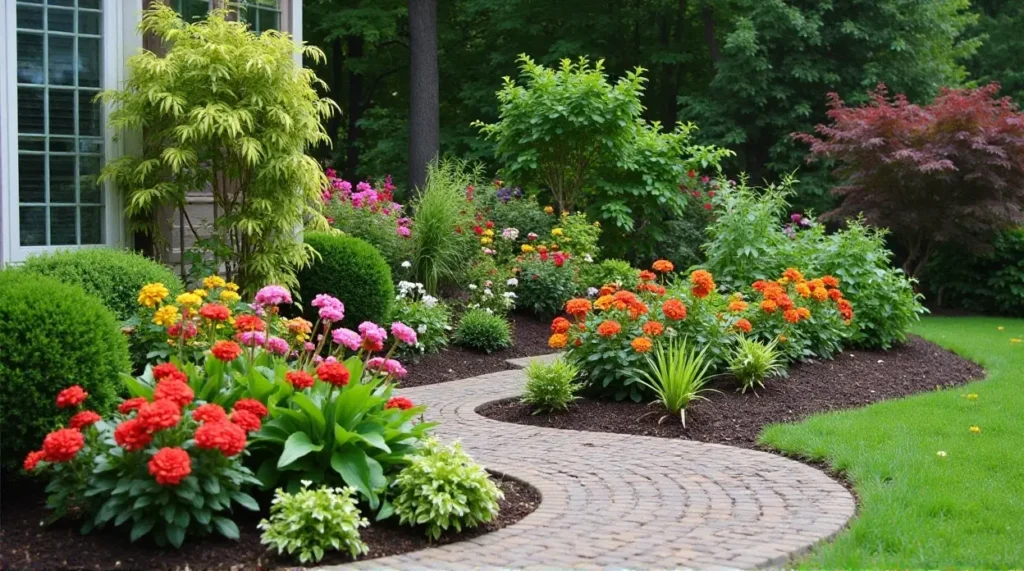
5. Layering Plants
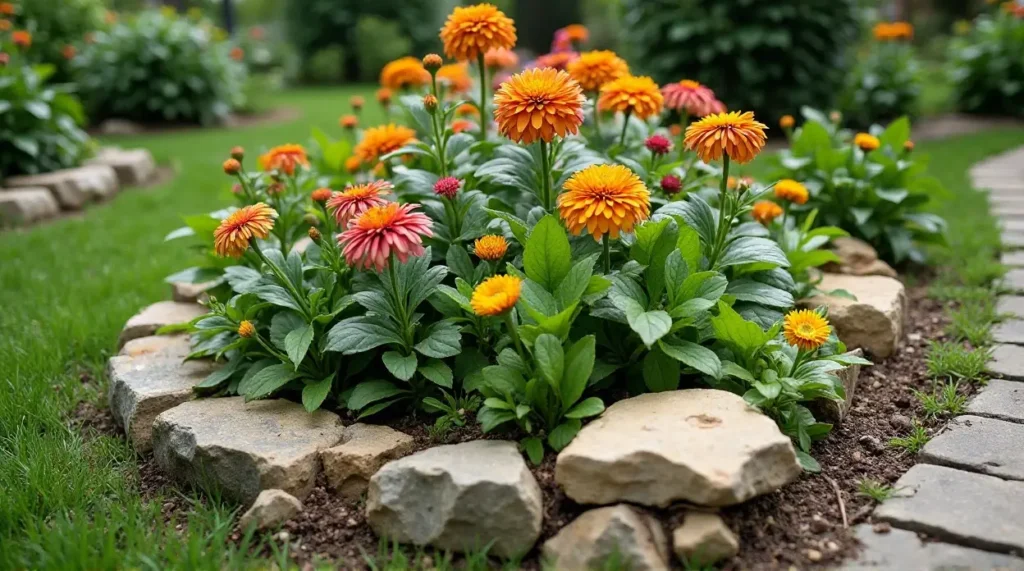
- Height Variation: In a corner bed, consider layering your plants by height and bloom time. Place taller plants behind or in the center of the bed, while shorter ones can fill in the front.
- Seasonal Interest: Incorporate early-bloomers, mid-summer favorites, and late-bloomers for continuous color throughout the growing season, utilizing flowers like daffodils, daisies, and asters.
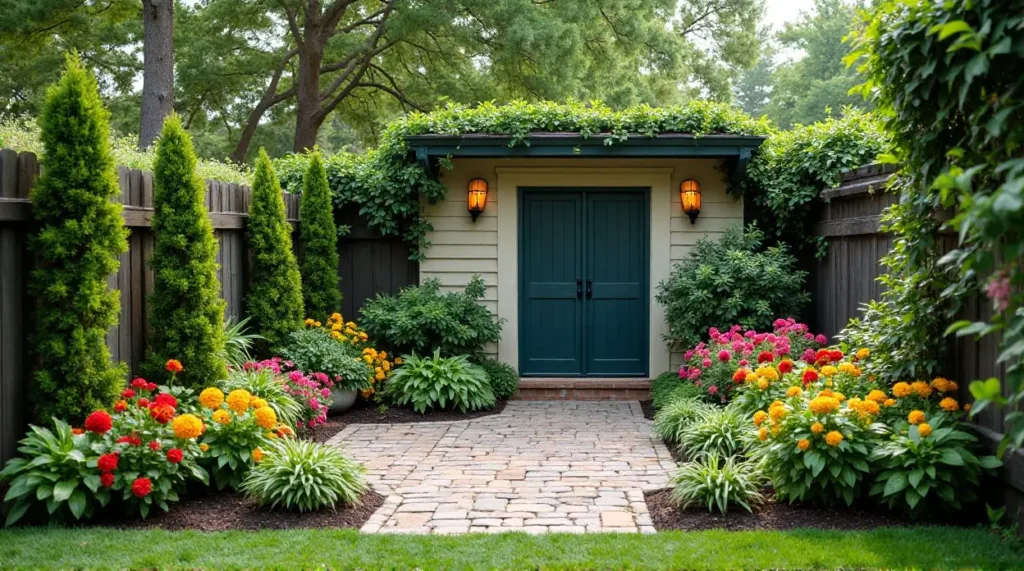
6. Use of Ground Covers
- Filling Gaps: To avoid bare patches, use ground covers like creeping thyme, sedum, or moss to fill the spaces between taller plants. They will add texture and lush greenery to your flower beds.
- Creating Edging: Ground covers can also serve as natural edging, keeping soil in place and providing a cohesive transition between the flower bed and lawn or path.
7. Incorporate Edible Plants
- Beauty with Utility: Consider mixing ornamental plants with edible flowers or foliage. Plants like nasturtium, pansies, or even herb flowers can add color and serve a dual purpose.
- Visual Appeal: Tall herbs like basil or chives alongside colorful flowering plants create both an attractive and functional design.
8. Integrate Decorative Elements
- Focal Points: Enhance the flower bed with decorative elements like small fountains, garden sculptures, or trellises. These features can add height and draw the eye to the corner.
- Seating Areas: If there’s space, integrate a small seating area nearby to encourage enjoyment of the vibrant surroundings.
9. Lighting Solutions
- Creating Ambiance: Incorporate solar lights or small lanterns into your corner flower bed design for ambiance during evening hours. This will not only highlight the flowers but also create an inviting atmosphere.
- Strategic Placement: Place lights at various angles to illuminate the plants without creating harsh shadows, making the space feel welcoming.
10. Seasonal Rotations
- Change with the Seasons: To keep your corner bed interesting, rotate seasonal plants or change container displays throughout the year. Use winter pansies, spring tulips, or summer zinnias to continually refresh your garden bed’s look.
- Annuals and Perennials: Blend perennials for stability with annuals for a pop of seasonal colors that can easily be swapped out.
Pros and Cons of Corner Flower Bed for Small Gardens
Pros:
-
Space Efficiency: Corner flower beds maximize the use of limited garden space, allowing homeowners to create beautiful displays without overwhelming the area.
-
Enhanced Aesthetics: Well-designed corner flower beds can serve as focal points, adding visual interest and enhancing the overall appeal of small gardens.
-
Improved Accessibility: Positioning flower beds in corners often allows for easier maintenance and accessibility, making it simpler to care for plants and tidy the garden.
-
Diverse Plant Selection: Creative designs can accommodate a variety of plants, including perennials, annuals, and ornamental grasses, enabling gardeners to explore diverse horticultural options.
-
Microclimate Creation: Corner flower beds can create unique microclimates by utilizing walls or fences for shelter, potentially allowing for more plant variety and healthier growth.
Cons:
-
Limited Sunlight: Depending on the orientation of the corner, some flower beds may receive insufficient sunlight, which can limit the types of plants that thrive.
-
Water Drainage Issues: Corner flower beds may be prone to water accumulation or poor drainage, particularly if not designed with appropriate soil and drainage considerations.
-
Overcrowding Risk: In an effort to maximize plant variety, there’s a risk of overcrowding, which can lead to competition for nutrients and space, ultimately affecting plant health.
-
Design Complexity: Creative designs may require more planning and effort to execute effectively, potentially making the process more complicated for novice gardeners.
-
Maintenance Challenges: While accessibility is improved, certain designs may still present maintenance challenges, such as difficulty reaching plants tucked into corners or the need for regular pruning to maintain aesthetic appeal.
Conclusion
Transforming corner spaces in small gardens into vibrant flower beds is an exciting opportunity to enhance your outdoor area while maximizing every inch of available space. By applying these creative design ideas, you can create lush, inviting corners that not only beautify your garden but also provide a tranquil escape right outside your door. With careful consideration of plant selection, color schemes, and strategic design elements, your corner flower beds can flourish beautifully, making a striking impact in your landscape.
About the Author