A vegetable and cut flower garden serves as a delightful combination of practicality and aesthetic appeal, providing fresh produce and beautiful blooms. This garden can be designed to maximize space while ensuring that both vegetables and flowers thrive. Below are key elements to consider when creating a flourishing vegetable and cut flower garden.
Key Elements
- Garden Layout
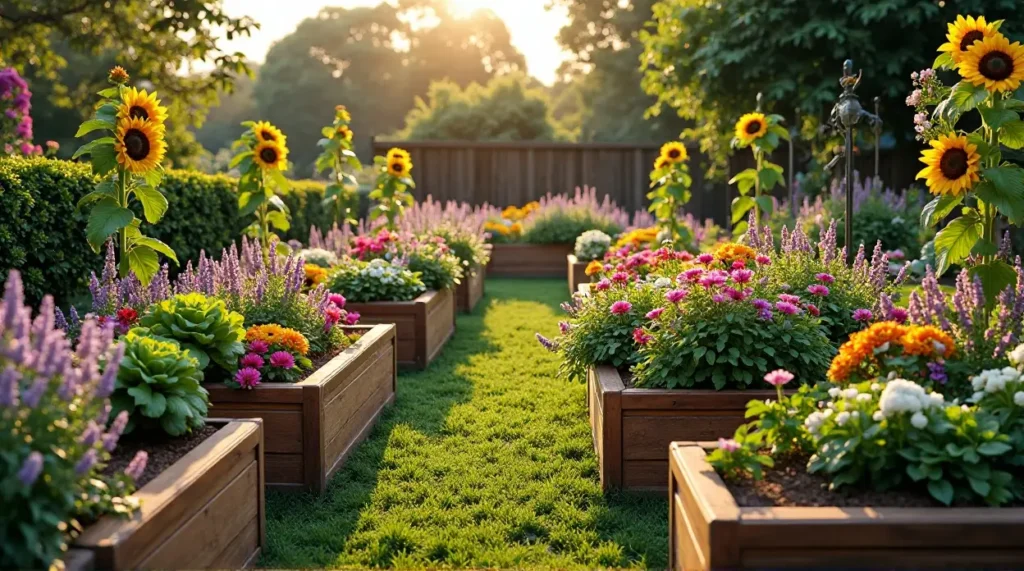
- Raised Garden Beds: Consider using raised beds for both vegetables and flowers. This approach improves drainage, allows for better soil control, and makes maintenance easier. Arrange the beds in a grid or a staggered pattern to create visual interest and walkable paths.
- Companion Planting: Plan your layout based on companion planting principles. Pairing certain vegetables with flowers can enhance growth and repel pests. For example, planting marigolds alongside tomatoes can deter aphids and other harmful insects.
- Selection of Vegetables
- Seasonal Choices: Select a variety of vegetables that can be grown in different seasons. Cool-season crops such as lettuce, spinach, and peas can be sown in early spring, while warm-season crops like tomatoes, peppers, and cucumbers can be planted after the last frost.
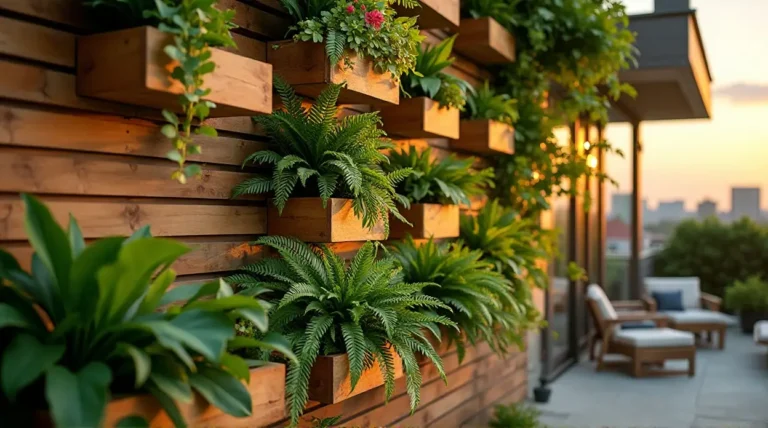
- Vertical Gardening: Use trellises or cages to grow vining vegetables like beans, tomatoes, and cucumbers vertically. This saves space and creates an eye-catching design.
- Selection of Cut Flowers
- Diverse Blooms: Choose a mix of cut flowers that bloom at different times of the growing season, ensuring you have color and fragrance throughout the spring, summer, and fall. Popular choices include sunflowers, zinnias, dahlias, and cosmos.
- Scent and Texture: Incorporate fragrant flowers such as lavender, sweet peas, or roses, alongside textural flowers like lisianthus or snapdragons to add visual variety and depth to your arrangements.
- Soil Preparation and Fertility
- Quality Soil: Start with well-draining, nutrient-rich soil. Amending with compost or well-rotted manure will improve soil structure and fertility for both vegetables and flowers.
- Regular Testing: Periodically test soil pH and nutrient levels to ensure optimal growing conditions. Adjust as necessary based on plant needs.
- Irrigation and Maintenance
- Efficient Watering Systems: Implement drip irrigation or soaker hoses to efficiently water both garden sections. This method conserves water and ensures that plants receive moisture directly at the roots.
- Mulching: Apply organic mulch around plants to retain moisture, suppress weeds, and enhance soil quality as it decomposes.
- Pest Management
- Natural Solutions: Encourage beneficial insects like ladybugs and lacewings by planting a variety of flowers. Companion planting and using organic methods (such as neem oil or insecticidal soap) can help control pests without harming beneficial species.
- Regular Monitoring: Keep an eye on your plants for any signs of pests or diseases. Early intervention is key to maintaining a healthy garden.
Conclusion
A vegetable and cut flower garden is an enriching endeavor that combines the joys of gardening with the benefits of fresh produce and beautiful blooms. By thoughtfully planning the layout, selecting a diverse array of plants, and implementing effective gardening techniques, you can create a vibrant and productive garden that appeals to the senses. Whether for personal enjoyment, entertaining, or sharing with loved ones, this garden will provide abundant rewards throughout the growing season. Enjoy the fruits (and flowers) of your labor!
About the Author