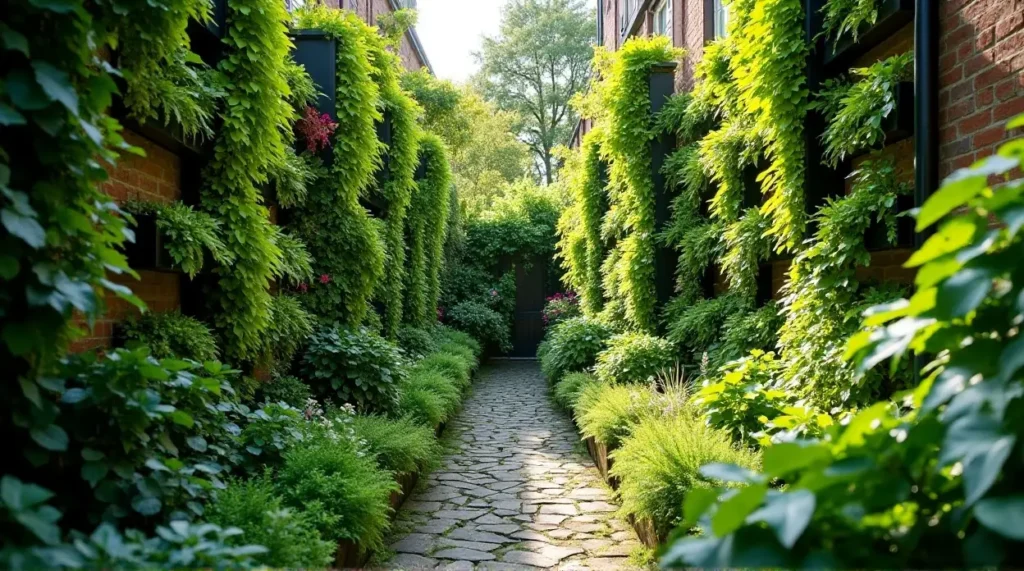
Vertical gardening is an innovative solution that allows you to maximize limited space while adding charm and greenery to your narrow side yard. By utilizing vertical gardening systems, you can transform tight areas into vibrant, lush gardens that enhance your outdoor living experience. Here’s a deep dive into different vertical gardening systems and the best plant choices for your space.
1. Understanding Vertical Gardening
Vertical gardening involves growing plants upwards rather than outwards, making it an ideal choice for narrow side yards where ground space is limited. It can be applied using various structures and methods, creating a botanical display that not only looks beautiful but also serves practical purposes such as food production, privacy, and shade.
2. Vertical Gardening Systems
Here are some popular vertical gardening systems you can consider for your side yard:
- Living Walls:Living walls consist of panels that are covered with a variety of plants. They often include a built-in irrigation system, which simplifies maintenance. These walls can be custom-made from various materials and can be free-standing or attached to existing structures.
- Vertical Planters:Vertical planters are stacked or wall-mounted containers that allow plants to grow upwards. Look for options made from eco-friendly materials or repurpose items like pallets or old crates to create a unique, handcrafted vertical garden.
- Trellises and Arbors:Installing a trellis or arbor against a wall can provide support for climbing plants. This method not only elevates your garden but can also create natural shade and privacy. Choose decorative trellises that enhance the aesthetic of your side yard.
- Pocket Planters:Pocket planters are wall-mounted fabric pockets that can hold small plants or succulents. They are a great option for adding greenery without taking up much space and can be easily filled with soil and plants.
3. Plant Choices for Vertical Gardens
Choosing the right plants for your vertical garden is crucial for achieving a thriving green space. Here are some excellent options:
- Climbing Plants:
- Clematis: A beautiful climbing vine with vibrant flowers in various colors.
- Honeysuckle: Fast-growing and fragrant, ideal for attracting pollinators.
- Ivy: Hardy and adaptable, ivy can cover vertical surfaces quickly and adds lush greenery.
- Edible Plants:
- Tomatoes: Use indeterminate varieties that climb to save space.
- Peas: Perfect for trellising and enjoy being trained upwards.
- Herbs: Consider vertical herb gardens with basil, thyme, or parsley, which can thrive in smaller pots.
- Succulents and Cacti:For a low-maintenance option, succulent plants such as Echeveria or String of Pearls can thrive in vertical planters. They require minimal watering and add unique textures to your garden.
- Ornamental Grasses:Grasses like Blue Fescue or Japanese Blood Grass can create movement and visual interest in your vertical garden. They can stand out, especially when the light changes.
- Flowers:
- Petunias: Vibrant colors and trailing habits make them great for vertical displays.
- Nasturtiums: These provide both edible flowers and handsome foliage, perfect for a striking garden.
4. Benefits of Vertical Gardening
- Space-Saving: Vertical gardening maximizes space in narrow areas, allowing you to create a lush environment even in limited dimensions.
- Improved Air Quality: Plants help purify the air by absorbing pollutants and releasing oxygen, enhancing the overall air quality in your garden.
- Aesthetic Appeal: Vertical gardens serve as living art installations, adding charm and character to your side yard.
- Environmental Benefits: These gardens can support local wildlife, like pollinators, and can mitigate stormwater runoff through proper planting and irrigation techniques.
5. Maintenance and Care
- Regular Watering: Vertical gardens can dry out quicker. Ensure consistent watering, either manually or through an irrigation system, to keep the plants healthy.
- Pruning and Training: Regular pruning is important for maintaining the shape and health of climbing plants. Train them onto their support structures to encourage growth upwards.
- Fertilization: Use organic fertilizers to nourish your plants, especially if you are growing edibles.
- Pest Management: Keep an eye out for pests and diseases. Utilize natural solutions like neem oil or insecticidal soap to manage infestations effectively.
Conclusion
Vertical gardening is an excellent way to elevate your narrow side yard, creating a sustainable and aesthetically pleasing environment. By choosing suitable systems and plants, you can cultivate a thriving vertical garden that complements your outdoor space, improves air quality, and supports local ecosystems. Embrace the possibilities of vertical gardening and transform your side yard into a lush retreat.
About the Author