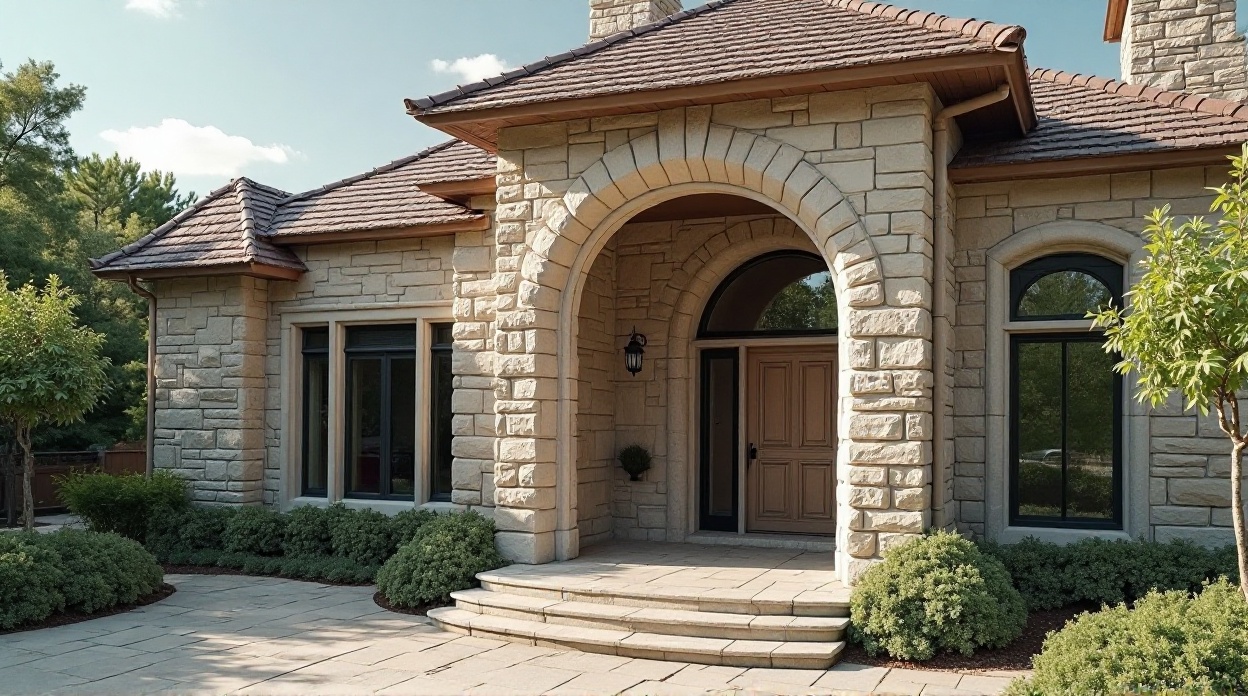
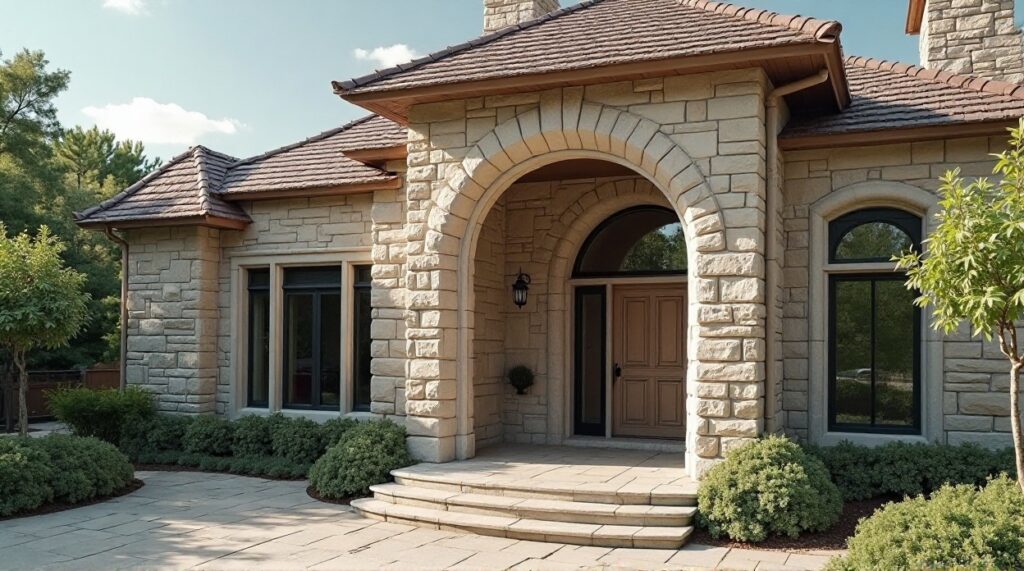
A well-conceived facade transforms a house into a home and a building into a statement. Facade design is where architecture meets aesthetics, and material choice plays a pivotal role in defining character, durability, and maintenance demands. Artificial stone has emerged as a versatile, cost-effective alternative to natural stone, offering a broad palette of textures, colors, and installation options. This article explores how to master artificial stone for your home facade, covering design principles, material selection, installation considerations, sustainability, and maintenance.
Why Choose Artificial Stone for Facade Design
- Visual versatility: Artificial stone can mimic a wide range of natural stones such as limestone, slate, granite, and weathered fieldstone. Manufacturers produce consistent color palettes and textures that make it easier to achieve a specific architectural style.
- Cost-effectiveness: Generally less expensive than quarried stone in both material cost and labor, artificial stone reduces project budgets while delivering a premium look.
- Weight and installation: Artificial stone is lighter than natural stone, which simplifies handling and permits installation on a broader range of substrates with less structural reinforcement.
- Durability and weather resistance: Modern formulations resist freeze-thaw cycles, UV exposure, and moisture ingress when properly installed and sealed, making them suitable for exterior use.
- Customization: Panels, veneers, and modular units allow for creative patterns, mixed materials, and integration with windows, doors, and lighting.
Design Principles for Facade Success
- Understand architectural context Begin by evaluating the building’s architectural style, surrounding neighborhood, and landscape. A rustic cottage benefits from irregular, varied stones, while a contemporary home favors clean lines, larger panels, or stacked stone veneers. Align material selection with the home’s era and design language for a cohesive result.
- Consider scale and proportion Stone modules and patterning should respect the scale of the building. Large stones on a modest house can overwhelm the facade, while small, detailed stones can appear busy on a large facade. Use horizontal and vertical rhythms—courses, joints, and panel seams—to enhance or soften perceived mass.
- Create focal points and transitions Use artificial stone to emphasize architectural features such as entryways, chimneys, columns, or a portion of the facade. Limiting full-stone application to a lower course or a framed entrance can provide contrast without overpowering the design. Smooth transitions between stone and other materials—siding, stucco, metal—are essential for a refined appearance.
- Embrace texture and color harmony Artificial stone offers controlled color blends. Choose a base tone that complements roofing, trim, and landscaping. Texture helps capture light and shadow, adding depth. For modern designs, prefer flatter textures and cooler tones; for traditional designs, warmer hues and more pronounced texture work well.
Selecting the Right Artificial Stone Product
- Types of artificial stone
- Veneer panels: Thin, lightweight pieces adhered to a substrate. They are economical and versatile.
- Cast stone: Dense, molded units that closely resemble quarried stone in dimension and finish. Heavier but often used for architectural details.
- Engineered stone tiles: Manufactured from aggregates and binders, they offer precision sizing and contemporary finishes.
- Evaluate material properties
- Compressive strength and flexural strength determine resilience to loads and thermal movement.
- Water absorption rating is important in climates with freeze-thaw cycles to prevent damage.
- UV resistance prevents fading over time, especially for lighter or pigmented finishes.
- Thermal compatibility with the substrate reduces the risk of cracking due to expansion and contraction.
- Assess installation method Some products are designed for direct adherence to masonry or sheathing, while others use mechanical anchors or interlocking systems. Determine whether a weather-resistive barrier (WRB), drainage plane, or air gap is required behind the stone for optimal moisture management.
Installation Best Practices
- Prepare the substrate correctly A clean, flat, and structurally sound substrate is the foundation of any successful facade. Install a proper WRB and flashing at all terminations, openings, and transitions. In rain-prone climates, incorporate a drainage gap or rainscreen system to allow moisture to escape.
- Follow manufacturer guidelines Adhere to specified mortar mixes, adhesives, joint widths, and weep locations. Using incorrect mortar or insufficient anchorage is a common source of failure. Many manufacturers provide detailed installation instructions that must be followed for warranty compliance.
- Flashing and moisture control Penetrations such as windows, doors, and rooflines are vulnerable points. Install head flashings, sill flashings, and kick-out flashings where roofs meet walls. Ensure that lath or substrate termination points terminate into sealed flashings to prevent water penetration.
- Allow for movement Thermal expansion and building settlement require control joints at appropriate intervals. These joints should be integrated with the stone pattern and sealed with compatible sealants to maintain both appearance and performance.
- Skilled labor matters While artificial stone is more forgiving than natural stone, precision in cutting, fitting, and mortar finishing creates a high-quality result. Engage installers experienced with the specific product selected.
Sustainability and Environmental Considerations
- Material composition: Some artificial stones incorporate recycled aggregates or use lower-energy manufacturing processes. Compare product life-cycle assessments when possible.
- Transportation and local sourcing: Choose products manufactured regionally to reduce transport-related emissions.
- Durability: Long-lived facades require less frequent replacement and reduce material consumption over the building lifetime.
- Thermal performance: Stone veneers can contribute to thermal mass when integrated properly. Paired with insulation strategies, they can support efficient envelope performance.
Maintenance and Longevity
- Routine inspection: Check for mortar joint deterioration, displaced pieces, or water stains annually. Early detection minimizes repair costs.
- Cleaning: Use low-pressure washing and gentle detergents. Avoid sandblasting or harsh acids that can damage finishes.
- Repointing and sealing: Repoint mortar joints as necessary with compatible mixes. In some climates and product systems, sealing stone surfaces can reduce water absorption but verify compatibility with the manufacturer.
- Repairs: Use matching materials and experienced masons for repairs to maintain aesthetic continuity.
Common Design Mistakes to Avoid
- Overuse without consideration: Cladding an entire facade with heavy-textured stone can make a house feel heavy and dated. Balance stone with softer materials to create contrast.
- Ignoring moisture management: Poor flashing, lack of WRB, or no drainage gap leads to water intrusion and degradation.
- Mismatched scale and color: Selecting stone that is visually incongruent with the structure undermines curb appeal.
- DIY beyond skill level: Improper installation can shorten lifespan and void warranties. Know when to hire professionals.
Case Examples: Successful Applications
- Accent entryway: Applying a natural-toned stacked stone veneer around a recessed entry adds warmth and hospitality without excessive expense.
- Chimney and fireplace surround: Cast or veneer stone around vertical features creates a vertical anchor that draws the eye and complements the roofline.
- Hybrid facade: Combining artificial stone at the base with horizontal siding above establishes a grounded, layered look that communicates quality and balance.
Conclusion
Mastering artificial stone for facade design requires a balance of aesthetic judgment, technical understanding, and attention to installation detail. When chosen and executed thoughtfully, artificial stone elevates a home’s character, improves durability, and offers cost-effective flexibility. Begin with a clear design intent, prioritize moisture control and structural compatibility, and work with experienced suppliers and installers. The result will be a facade that endures in both style and performance, creating lasting curb appeal and value for your home.
About the Author


Thanks a bunch for sharing this with all people you really
recognise what you are speaking approximately! Bookmarked.
Kindly additionally visit my website =). We may have a link exchange agreement among us