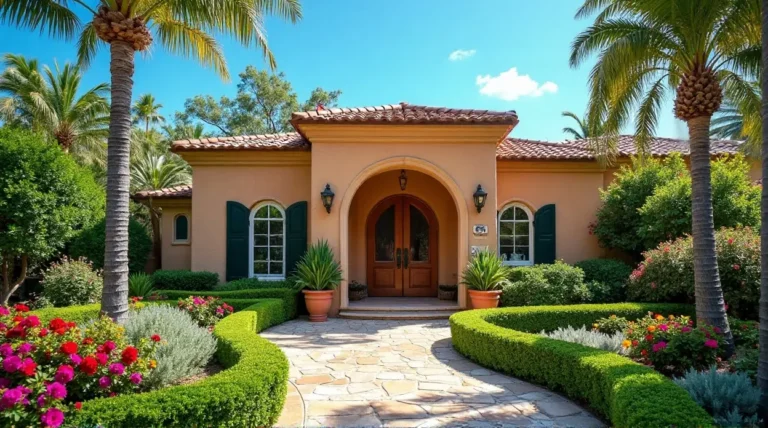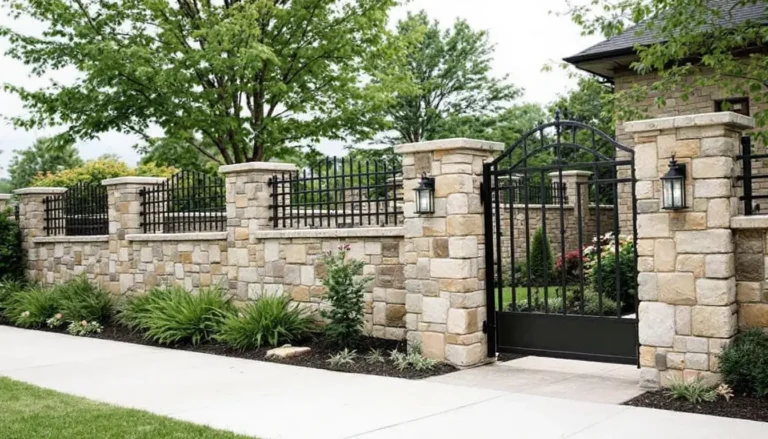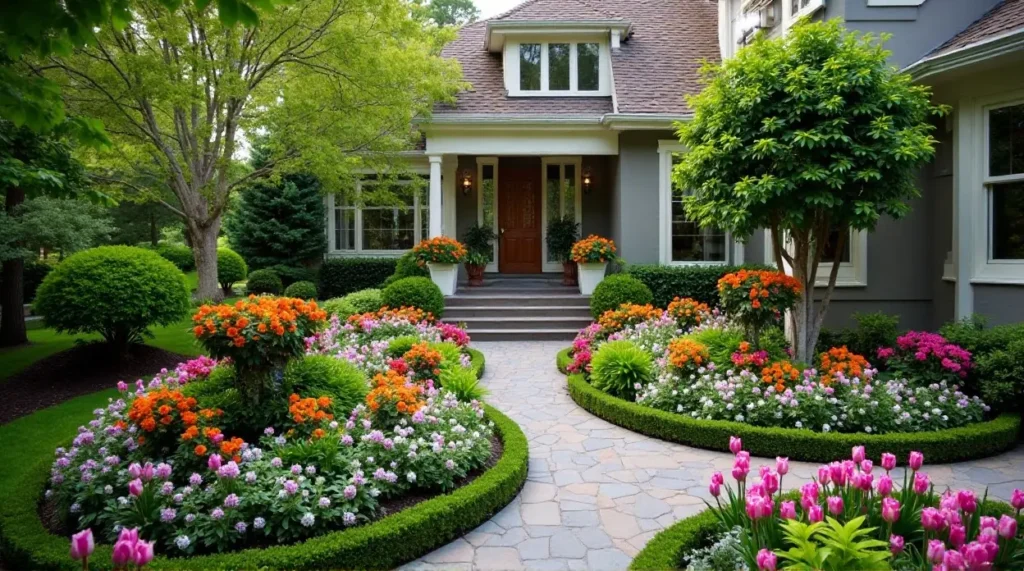
Curb appeal is the first impression a home makes to visitors, passersby, and potential buyers. A well-designed flower garden in the front yard enhances this appeal significantly, setting a welcoming tone while reflecting the homeowner’s style. Here are expert tips on how to create a stunning front yard flower garden that boosts your home’s exterior appeal.
1. Understanding Curb Appeal
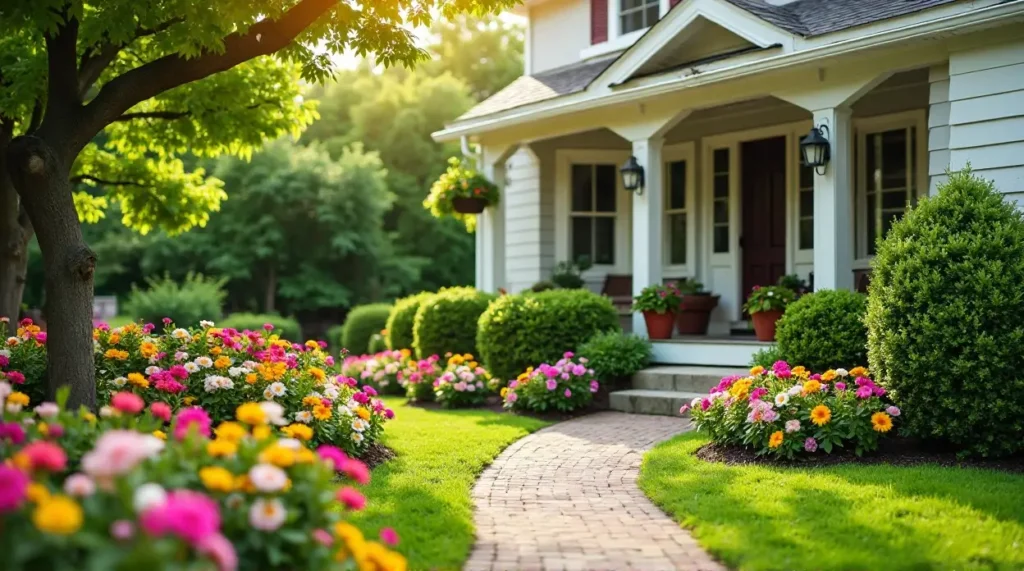
Definition: Curb appeal refers to the attractiveness of a property as viewed from the street. It’s crucial because it can influence property value and create a positive impression about the care the owners have for their home.
Importance: A visually appealing front yard flower garden can enhance the overall aesthetic of your home, increase its marketability, and contribute to the happiness and pride of the homeowner.
2. Principles of Designing a Flower Garden
a. Cohesive Design:
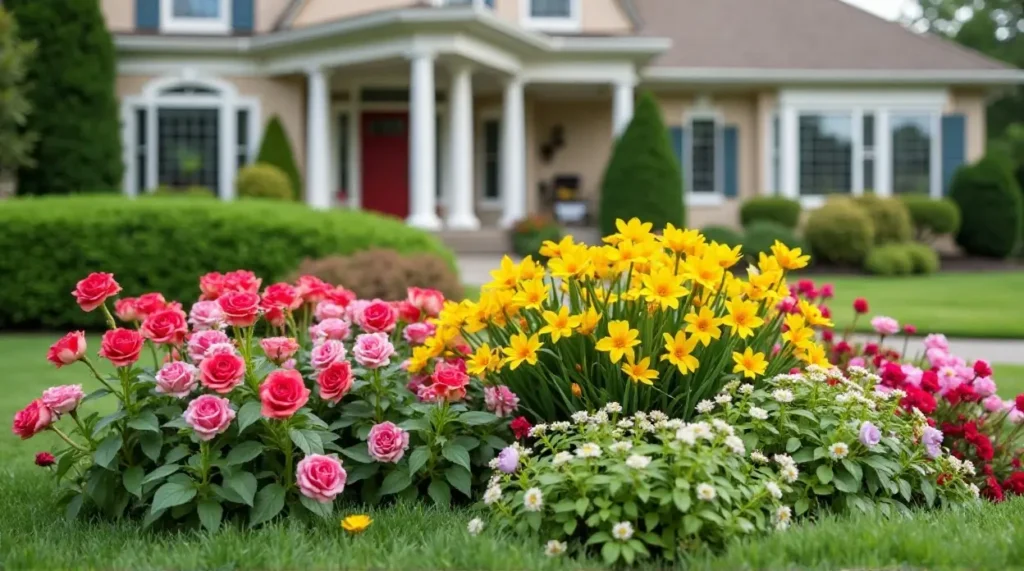
- Style Alignment: Choose plants and flowers that complement your home’s architectural style. Traditional homes may benefit from classic blooms like roses, while modern homes might suit more contemporary varieties like ornamental grasses.
- Color Palette: Create a harmonious color scheme that ties together the colors of your house and the garden. Utilizing three to five coordinating colors can make the garden visually appealing without being overwhelming.
b. Layering Heights:
- Plant Layout: Use taller plants at the back or center of beds and medium-height plants in the middle, with low-growing flowers at the front. This creates depth and allows all plants to be visible.
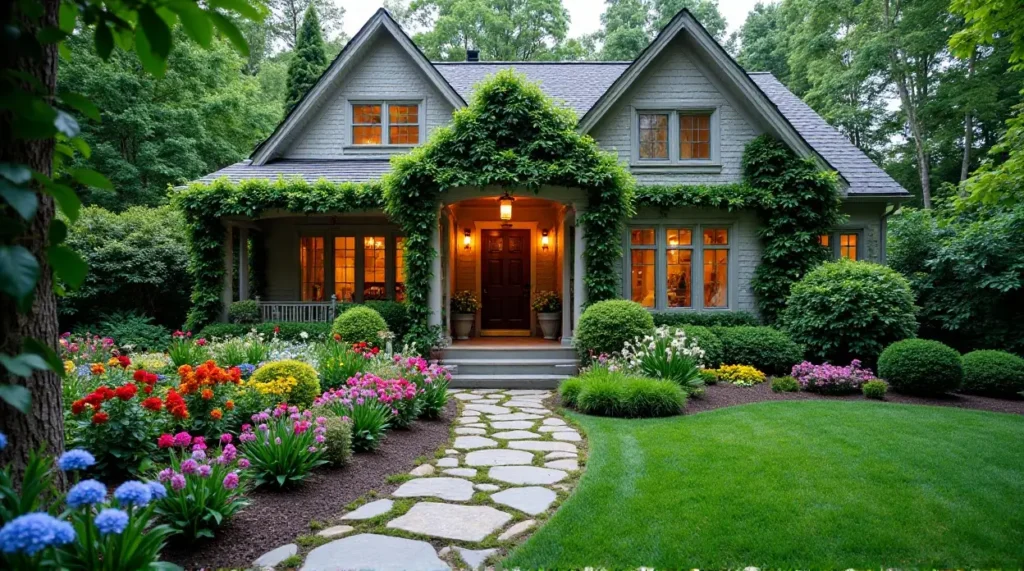
- Vertical Interest: Incorporate vertical elements with trellises, arbors, or tall flowering plants to draw the eye upward and add dimension.
c. Focal Points:
- Strategic Placement: Create a focal point within your flower garden using ornamental features such as a sculpture, birdbath, or bench. This invites curiosity and gives visitors a reason to explore the garden.
3. Plant Selection
a. Seasonal Blooms:
- Diversity: Select a mix of annuals and perennials for year-round interest. Annuals such as petunias and begonias provide vibrant colors, while perennials like daylilies or echinacea come back year after year.
- Seasonal Variety: Plan for continuous blooms throughout the growing season by selecting plants that flower in different seasons—early spring bulbs, summer perennials, and fall-blooming asters can provide ongoing beauty.
b. Native Plants:
- Sustainability: Incorporate native plants that are well-suited to your local climate, require less upkeep, and attract helpful pollinators. These plants often thrive in their natural habitat and contribute to local biodiversity.
c. Edible Flowers:
- Dual Purpose: Consider incorporating edible flowers like nasturtiums or calendula for a functional garden. These plants add beauty to the garden and can be used in culinary dishes.
4. Layout Strategies
a. Symmetrical vs. Asymmetrical:
- Symmetrical Design: If your home has a formal architecture, a symmetrical layout creates balance and harmony. Use matching plantings on either side of pathways or focal points.
- Asymmetrical Design: For a more relaxed or modern style, an asymmetrical design can offer a natural, flowing look. Group plants in clusters for a more organic shape.
b. Pathways and Borders:
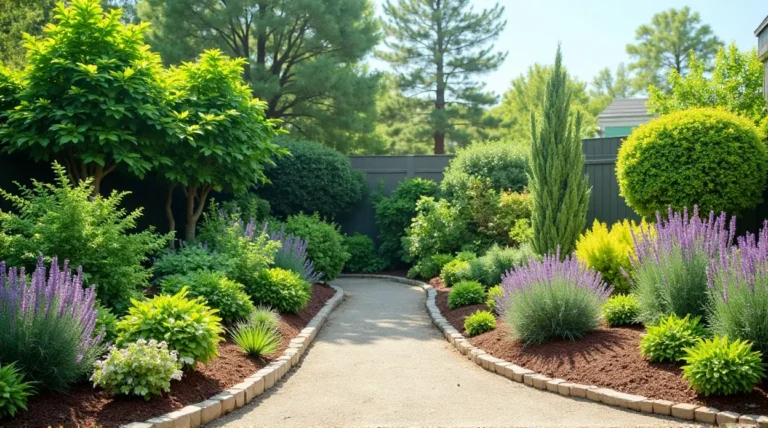
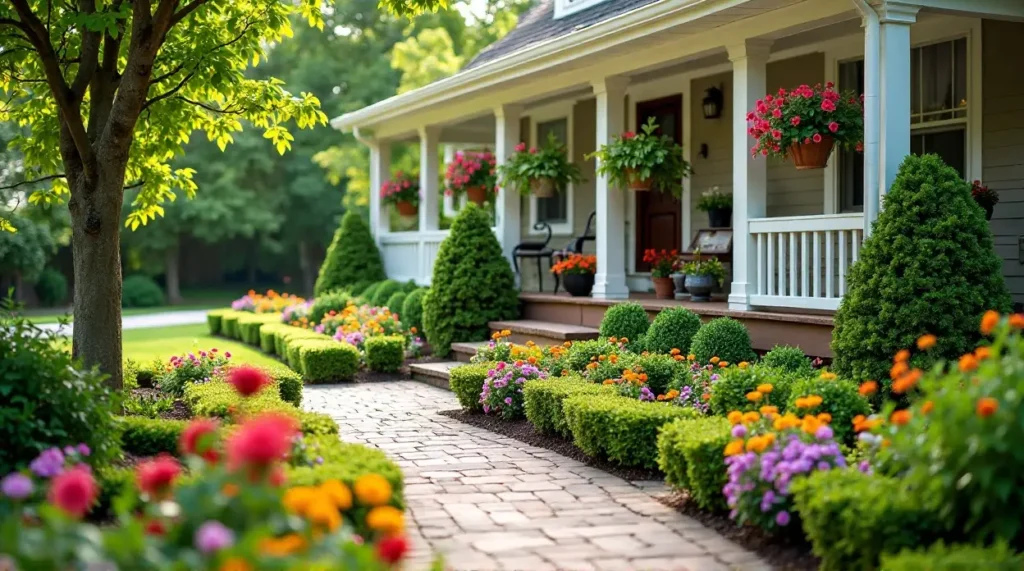
- Defined Edges: Create clear paths through the garden with gravel, stone, or mulch, inviting guests to explore. Edging with bricks or stones can also delineate planting areas and add structure.
- Borders: Use low-growing plants as borders to frame the garden beds, highlighting the flowers while preventing grass encroachment.
5. Maintenance and Accessibility
a. Easy Maintenance:
- Planning: Select plants that fit your time commitment and gardening knowledge. Low-maintenance plants and mulching can reduce upkeep while keeping the garden looking tidy.
- Irrigation: Consider installing a drip irrigation system or soaker hoses to simplify watering, ensuring plants receive consistent moisture without manual effort.
b. Accessibility:
- Pathway Width: Ensure paths and access points are wide enough for comfortable navigation. This is especially important for visitors and maintenance.
- Height Considerations: Choose plants that maintain appropriate heights and shapes to avoid obstructing views of your home and garden.
Conclusion
A stunning front yard flower garden not only enhances curb appeal but also creates a welcoming atmosphere for your home. By understanding the principles of design, carefully selecting plants, and planning your layout thoughtfully, you can create a beautiful garden that sets a positive tone for your property. Incorporating seasonal blooms and maintaining accessibility will ensure that your flower garden continues to thrive and impress throughout the year. With the right planning and creativity, you can transform your front yard into an inviting masterpiece that reflects your personal style and enhances your home’s value.
About the Author