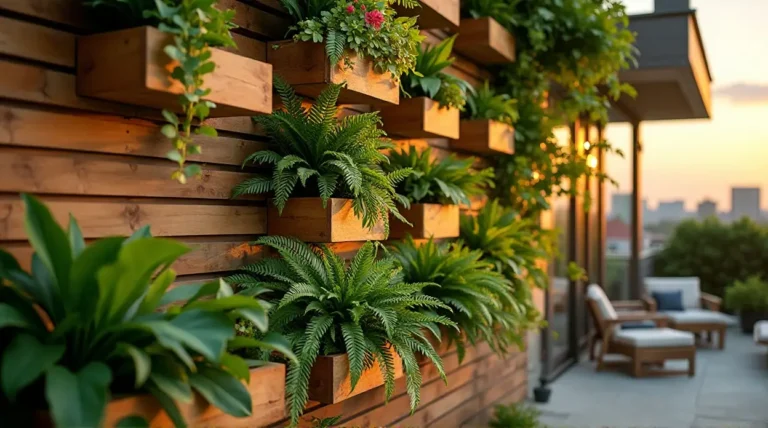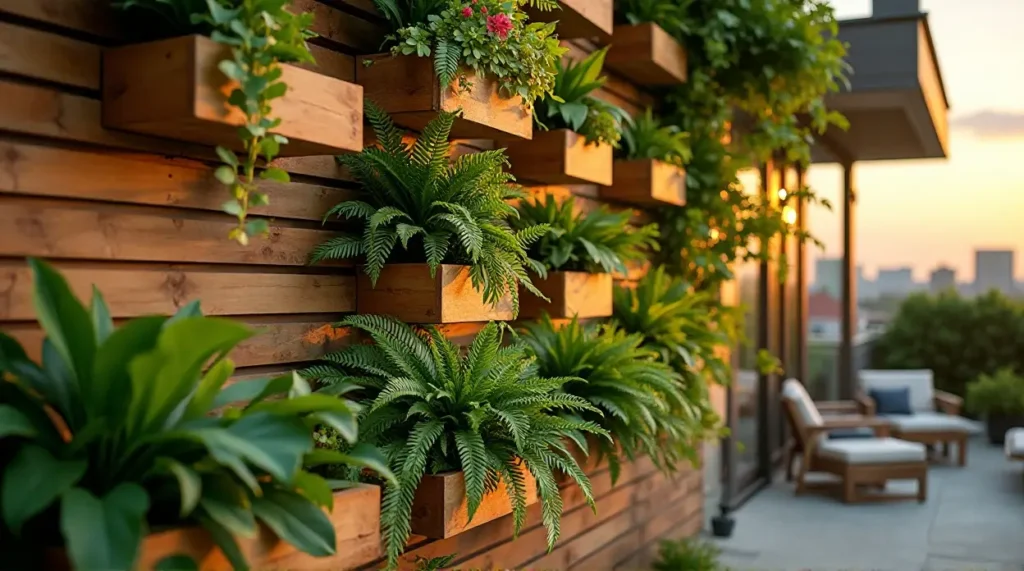
Imagine stepping onto your balcony after a long, frantic day. Instead of staring at a cold, gray concrete wall or the back of a neighbor’s siding, you are greeted by a lush, breathing tapestry of emerald green. The air feels cooler, the world sounds quieter, and for a moment, the city chaos simply vanishes. This isn’t just a dream for those with sprawling estates; it’s the reality of a vertical garden masterpiece.
By pairing the organic, grounding texture of stylish wooden planters with the wild spontaneity of nature, you can create a “Modern Oasis” that feels both architecturally sophisticated and deeply personal. Ready to turn your “dead space” into a living work of art? Let’s dig in.
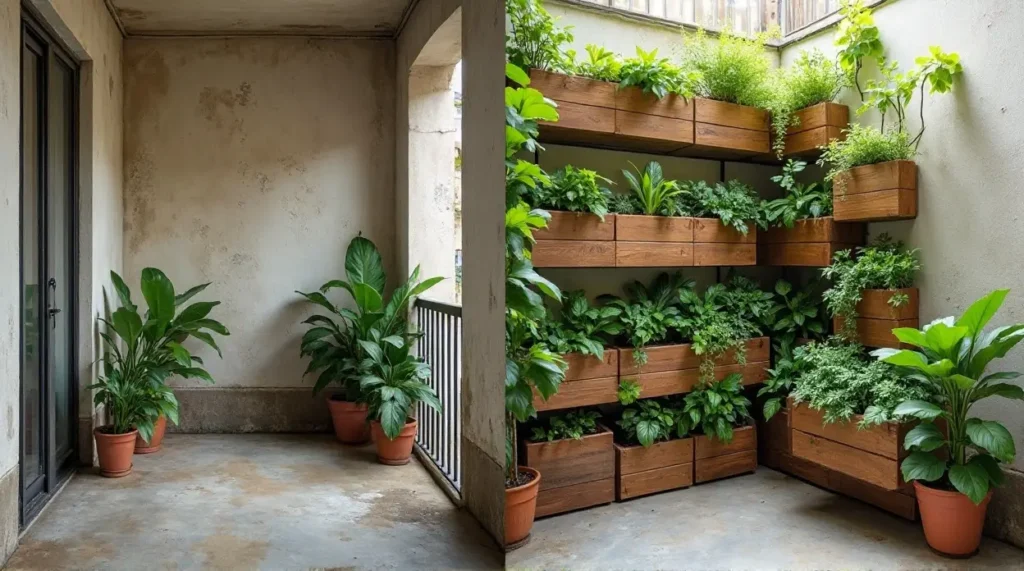
The Rise of the Urban Jungle: Why Vertical?
Let’s be real: floor space is the most expensive thing we own. Whether you’re in a high-rise apartment or a townhouse with a “postage stamp” backyard, horizontal gardening is a luxury many of us can’t afford. That’s where the magic of verticality comes in. By moving your garden up, you’re essentially reclaiming your footprint. It’s like adding a new room to your home without the permit headaches or the contractor bills.
Beyond the space-saving perks, vertical gardens act as natural insulation. They cool your home in the summer through evapotranspiration and act as a literal sound buffer against that neighbor who insists on leaf-blowing at 7 AM on a Saturday.
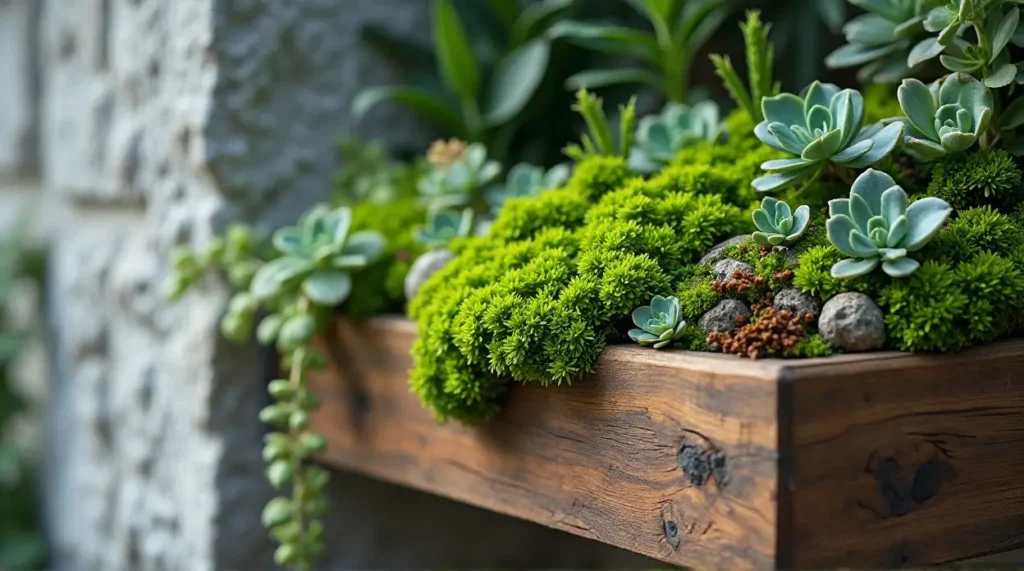
Breaking the Concrete Boredom
Modern cities can be sterile. Glass, steel, and concrete dominate our visual field, and frankly, it’s exhausting for the human brain. A vertical garden breaks that monotony. It introduces “fractals”—those complex, repeating patterns found in nature that scientifically lower our cortisol levels. It’s visual therapy. When you look at a wall of ferns and succulents, your brain takes a deep, literal breath.
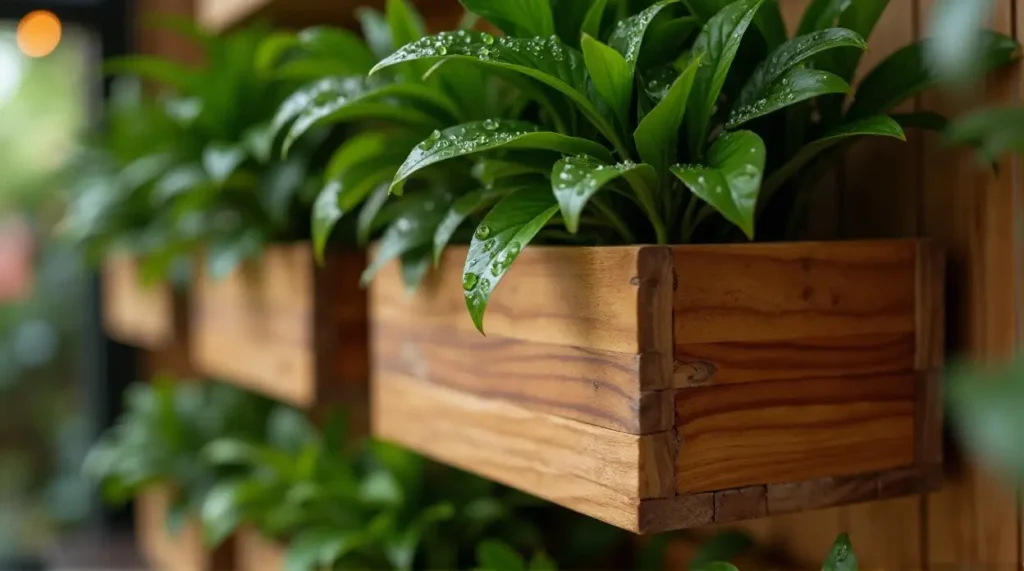
The Soul of the Design: Why Wooden Planters?
Why choose wood over plastic or metal? Simply put, wood has a “soul.” It’s a material that ages with you. Over time, high-quality timber develops a patina—a story of the sun, rain, and seasons it has weathered. In a modern oasis, wood provides the necessary warmth to balance out the “cool” factors of modern architecture. It’s the soft rug on a hardwood floor; it makes the space feel intentional and lived-in.
The Aesthetic Appeal of Natural Timber
There’s a rhythmic beauty in a row of cedar boxes or a dark-stained oak trellis. The grain of the wood mimics the veins in the leaves, creating a seamless visual flow. Whether you prefer the clean, sharp lines of Scandinavian minimalism or the rugged, tactile charm of a farmhouse, wooden planters are the ultimate design chameleons.
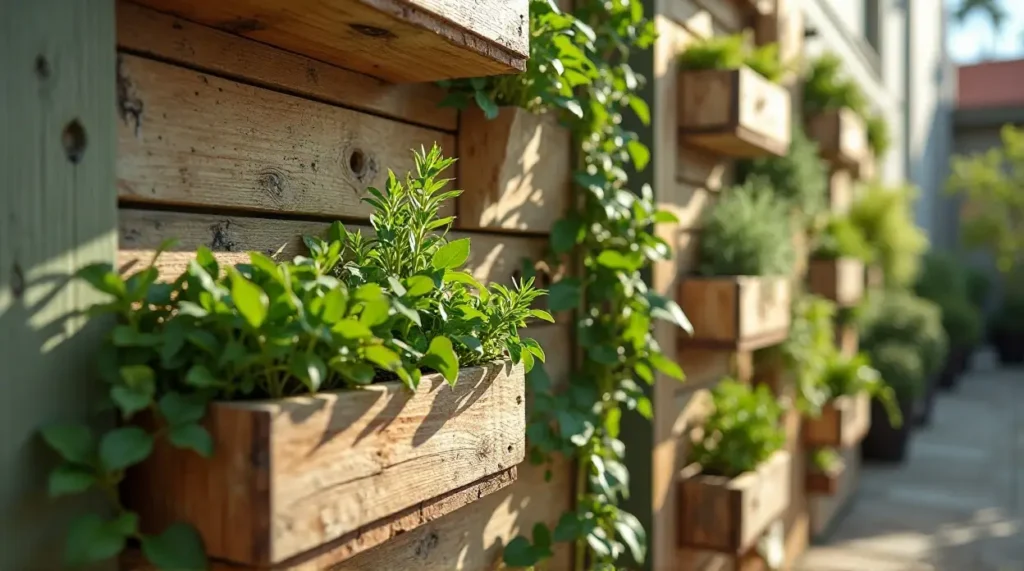
Sustainability Meets Style
Using responsibly sourced wood means your garden isn’t just pretty; it’s eco-conscious. Unlike plastic pots that eventually crack under UV rays and end up in a landfill, a well-maintained wooden planter can last for decades. It’s a commitment to a “greener” lifestyle in every sense of the word.
Planning Your Vertical Masterpiece
You wouldn’t build a house without a blueprint, right? Your vertical garden needs a plan. Think of your wall as a blank canvas. How much weight can it hold? Where does the light hit? Designing a vertical garden is a bit like playing a 3D game of Tetris, but with much higher stakes (and more dirt).
Assessing Your Space and Light
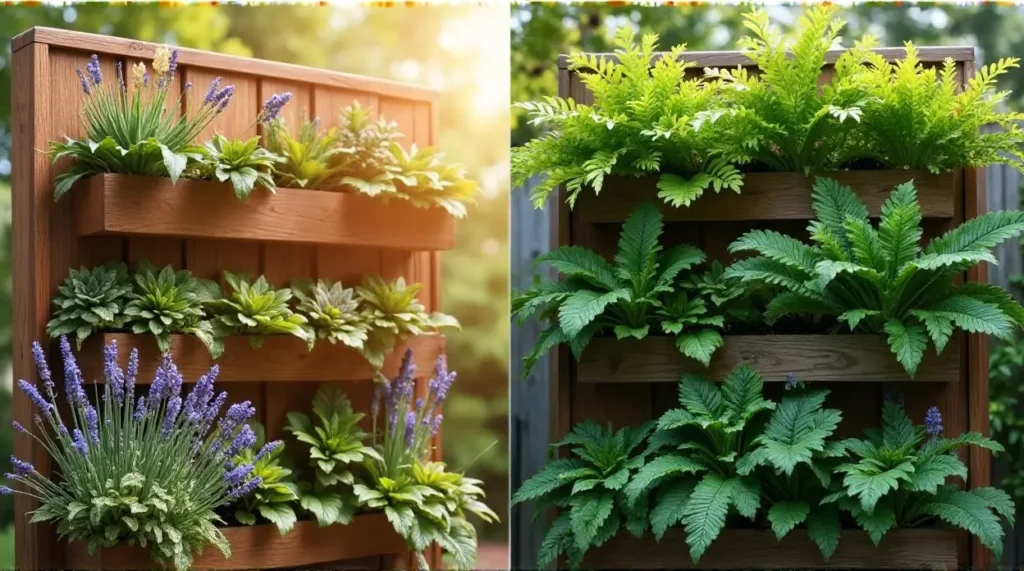
Light is the currency of the plant world. Before you buy a single planter, track the sun. Does your wall get blasted by the 2 PM heat, or is it perpetually in the shadows? This dictates whether you’re planting sun-loving lavender or shade-dwelling hostas.
The North vs. South Facing Dilemma
If your wall faces South, you’ve got a sun-soaked paradise—perfect for Mediterranean herbs and flowering perennials. North-facing? You’re looking at a lush, mossy, jungle vibe. Don’t fight the light; work with it. Trying to grow a sun-loving succulent in a dark corner is a recipe for heartbreak.
Selecting the Right Wood for Longevity
Not all wood is created equal. If you pick a cheap, untreated pine, you’ll be replacing it in two years when it starts to rot. For a true masterpiece, you want the heavy hitters.
Cedar, Teak, and Redwood: The Big Three
-
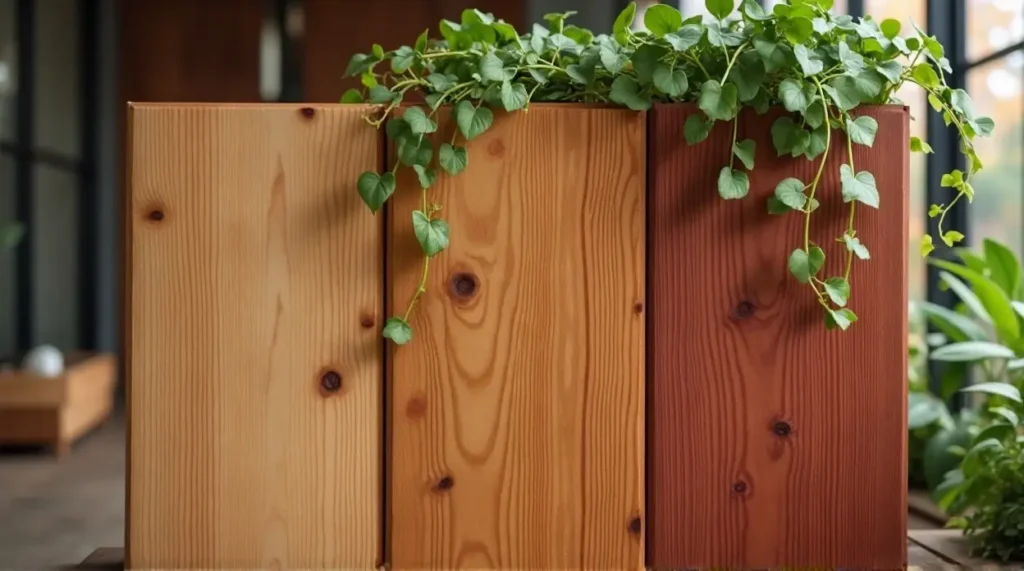
Cedar: The gold standard. It’s naturally rot-resistant, repels bugs, and smells like a luxury spa.
-
Teak: The “high-end” option. Packed with natural oils, it’s practically waterproof.
-
Redwood: Offers a stunning deep hue that looks incredible against bright lime-green foliage. Investing in these woods is like buying a high-quality leather jacket; it only gets better with time.
Design Styles: From Minimalist to Rustic
How do you want your oasis to feel? Your wooden planters are the frame for your living art.
The Floating Shelf Look
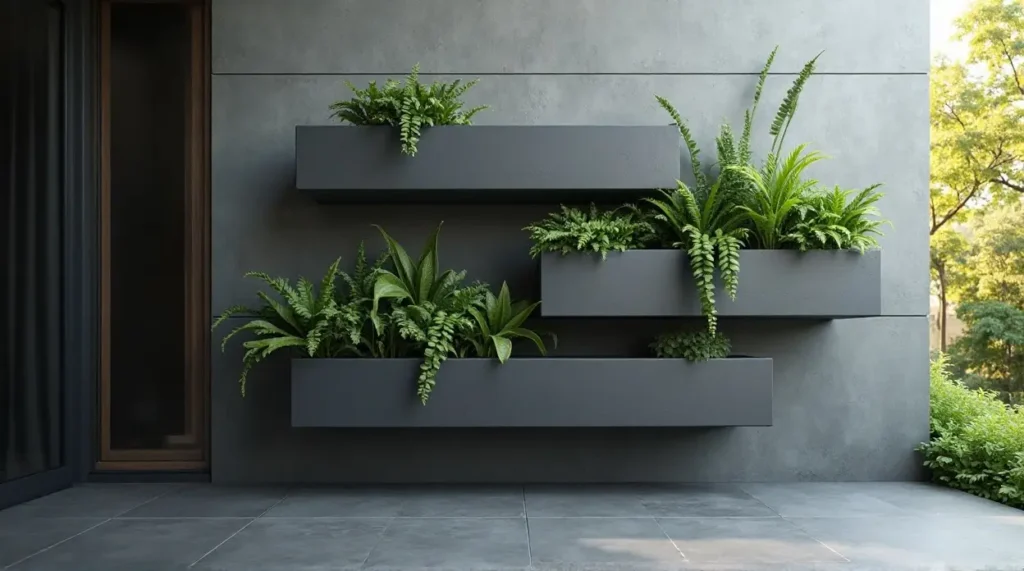
For a modern, sleek vibe, go for floating wooden shelves. This creates a “disappearing” effect where the plants seem to hover against the wall. It’s clean, it’s chic, and it’s very 2026.
The Modular Grid System
If you’re a fan of organization, a grid of square wooden cubbies is the way to go. It allows you to swap plants in and out easily, making your garden a dynamic, ever-changing installation.
Choosing Your Green Cast: Plant Selection
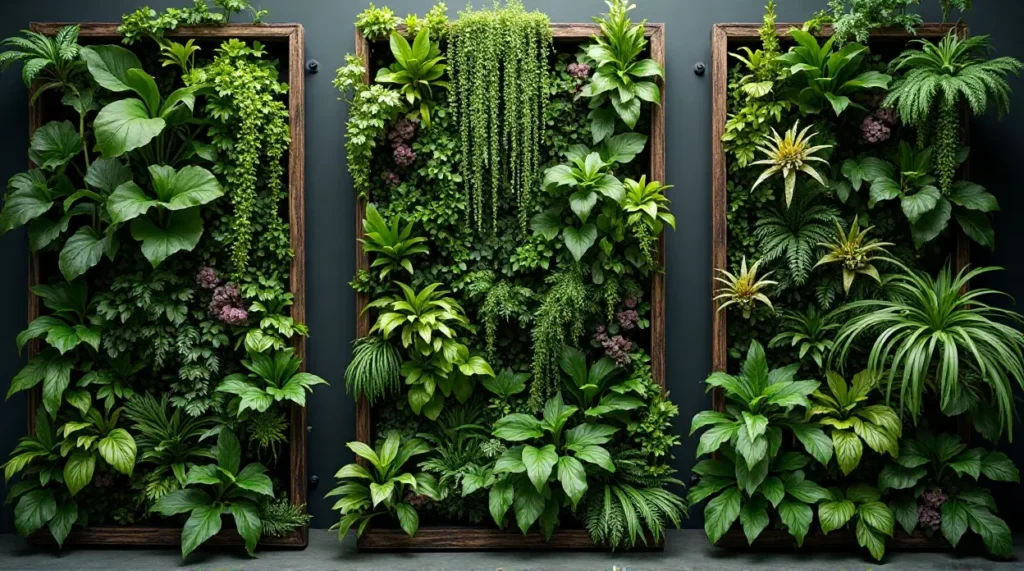
This is where the “masterpiece” comes to life. You want a mix of textures, colors, and heights. Think of it like a choir: you need the high notes (vines), the mid-range (leafy greens), and the bass (sturdy base plants).
Cascading Vines and Architectural Ferns
Creeping Jenny or Pothos are great for that “waterfall” effect, spilling over the edges of your wooden planters. Contrast these with the sharp, structural lines of a Bird’s Nest Fern or the silver shimmer of Staghorn Ferns.
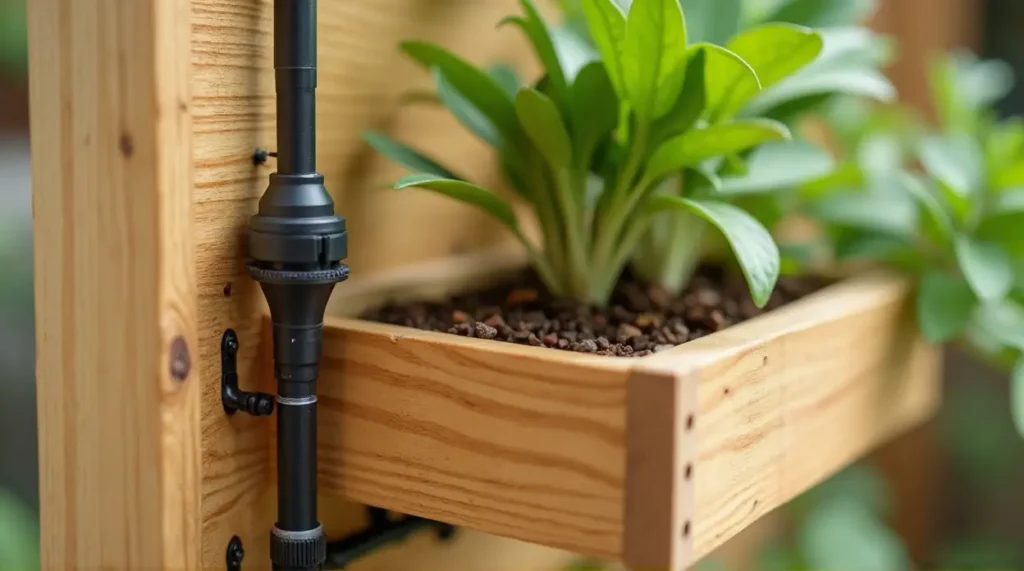
The Technical Bit: Irrigation and Drainage
Here’s the “boring” but vital part: water. Vertical gardens dry out faster than traditional ones because they are exposed to more airflow. A simple drip irrigation system hidden behind the planters is a lifesaver. Also, remember that wood and standing water aren’t friends. Ensure your planters have proper liners and drainage holes to keep the wood dry and the roots healthy.
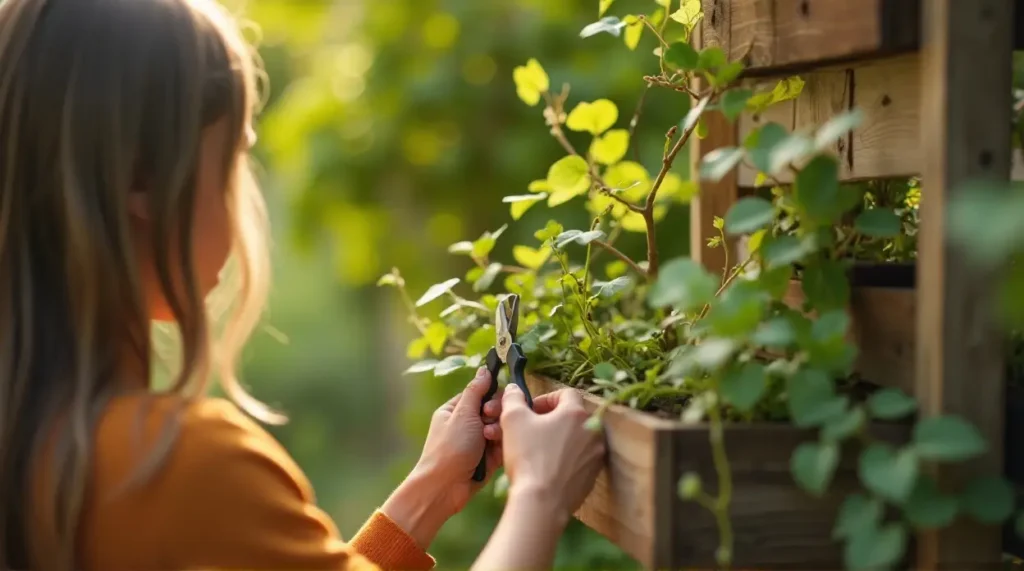
Maintenance: Keeping Your Oasis Alive
A masterpiece requires a curator. Pruning, fertilizing, and checking for pests shouldn’t be a chore; it’s a ritual. Spend ten minutes a week with your plants. It’s the ultimate way to decompress after a day of staring at screens. A little “haircut” for your vines here and a splash of organic fertilizer there keeps the oasis thriving.
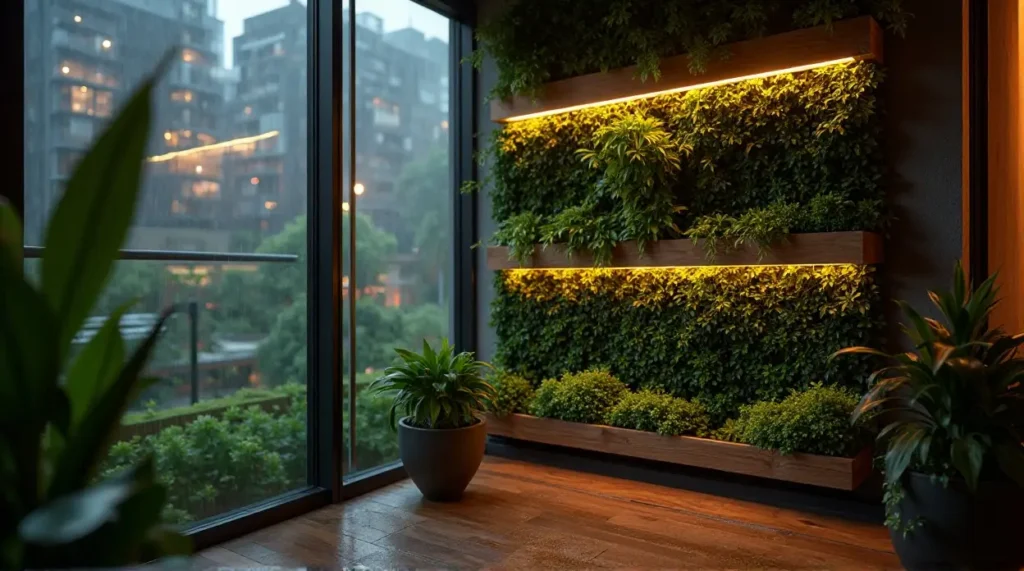
Conclusion: Your Personal Slice of Paradise
Creating a vertical garden masterpiece with stylish wooden planters is about reclaiming your connection to the earth. It’s a blend of architectural precision and organic chaos. Whether you’ve got a massive courtyard or a tiny fire escape, you have the power to create a modern oasis. So, grab some cedar, pick out some ferns, and start building your climb to a greener life. Your future, calmer self will thank you.
Frequently Asked Questions
1. Does the wood need to be treated if it’s outside? Yes. Even rot-resistant woods like Cedar benefit from a food-safe sealant or a plastic liner. This prevents the wood from warping and keeps the moisture where it belongs—in the soil, not the timber.
2. How do I prevent the wall behind the planters from getting water damage? The secret is “breathing space.” Mount your wooden planters on a frame or cleats that keep them about an inch away from the actual wall. This allows air to circulate and prevents mold and dampness.
3. Can I grow vegetables in a vertical wooden garden? Absolutely! Herbs like basil and mint, or even strawberries and “tumbling” tomatoes, thrive in vertical setups. Just ensure they get at least 6 hours of sunlight and plenty of nutrients.
4. What is the best way to mount heavy wooden planters? Use heavy-duty wall anchors or a French cleat system. If you’re mounting to a wooden fence, ensure the posts are reinforced. Remember: wet soil is much heavier than dry soil!
5. How often should I water a vertical garden? Because they are elevated, they dry out quickly. In the peak of summer, you might need to water daily. An automated drip system is the best “set it and forget it” solution for busy urban gardeners.
About the Author