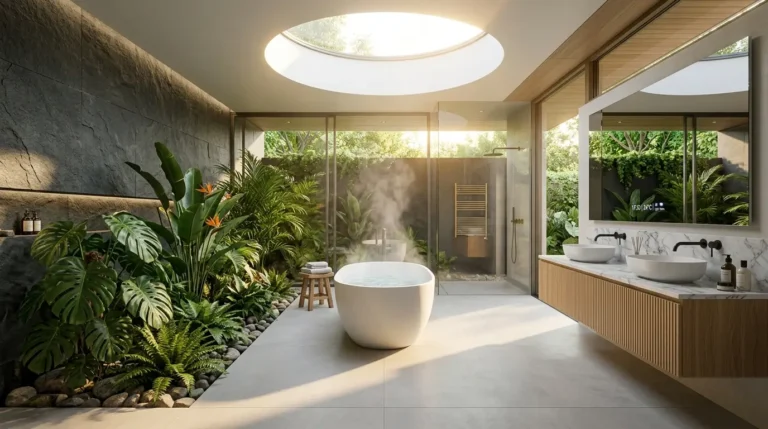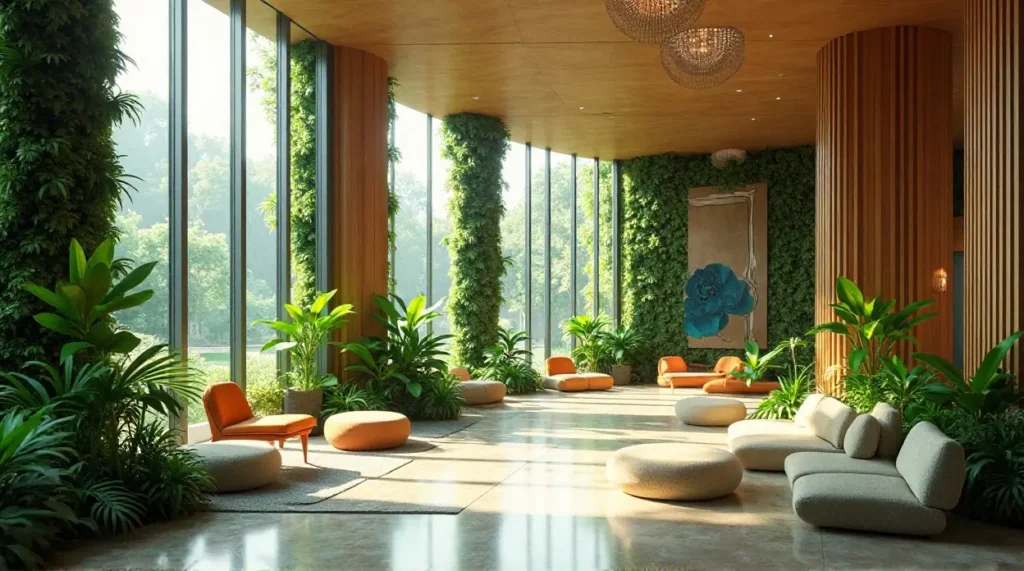
Embarking on a design project, whether it’s a room refresh or a full-scale landscape overhaul, can be both exciting and daunting. The key to success lies in a well-defined plan, a clear understanding of your personal style, and a willingness to explore innovative approaches. This guide provides a roadmap to transform your design vision into a tangible reality, offering practical advice and inspiration every step of the way. From understanding color psychology to mastering space planning, we’ll delve into the essential elements of interior and exterior design.
At original-ideas.net, we strive to provide you with the knowledge and tools you need to create spaces that are not only beautiful but also functional and sustainable. Let’s unlock your design potential and bring your dream spaces to life with expert advice and creative solutions. We’ll guide you through the intricacies of design principles, material selection, and project management so you can create designs that will endure.
Unlocking Your Design Potential: From Dream to Reality
Understanding Your Design Style: A Self-Assessment
Before diving into any design project, it’s crucial to understand your own aesthetic preferences. This self-assessment involves identifying your personal style, which will serve as the foundation for all design choices. Begin by exploring different design styles – are you drawn to the clean lines of modernism, the cozy charm of farmhouse decor, or the vibrant eclecticism of bohemian design? Consider using online quizzes and style guides to help narrow down your preferences. Next, analyze your existing wardrobe, artwork, and other belongings. Are there recurring colors, patterns, or textures that you consistently gravitate toward? Identifying these common threads will provide valuable insights into your innate style.
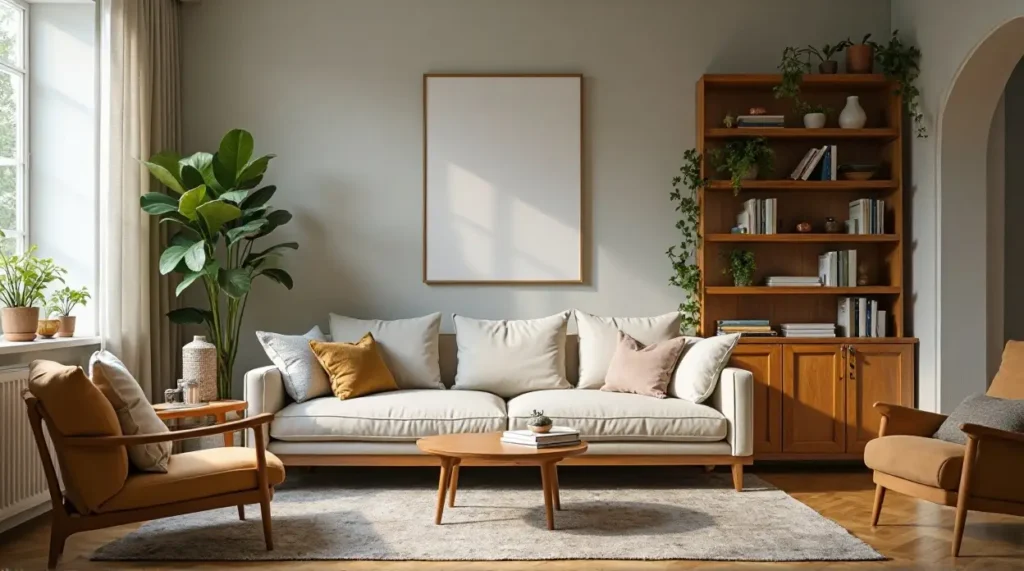
Also, think about the feeling you want to evoke in your space. Do you want it to feel calm and serene, energetic and vibrant, or sophisticated and formal? The desired atmosphere will influence your choice of colors, materials, and furnishings. Be realistic about your lifestyle and needs. A minimalist aesthetic might look stunning in a magazine, but it might not be practical if you have young children or pets. Finally, document your findings in a design journal. This journal can include images, color swatches, and notes on your preferences. The journal will become a valuable resource as you move forward with your design project. Remember that style is fluid and can evolve over time, so be open to new ideas and inspiration as you go. Aim to find a style that you can enjoy and love, as this will make the space feel like you.
Pitfalls to avoid during this self-assessment include blindly following trends without considering your personal preferences, overlooking practical considerations in favor of aesthetics, and being afraid to experiment with different styles. Don’t pressure yourself to fit into a specific mold, and allow your style to evolve organically. You can look at design magazines or consult with an expert to help you find your desired style.
Defining Your Project Scope and Budget
Defining the scope of your project and setting a realistic budget are vital steps in the design process. The scope refers to the extent of the work to be done, including the specific areas to be addressed and the level of renovation or decoration involved. For instance, is it a simple room makeover, a complete home renovation, or a landscaping project? Clearly defining the scope will help you prioritize tasks and allocate resources effectively. Next, create a detailed budget that accounts for all anticipated expenses, including materials, labor, permits, and contingency funds. Research the cost of materials and services in your area, and get multiple quotes from contractors and suppliers. Be realistic about your financial constraints, and don’t overextend yourself.
Consider which aspects of the project are most important to you, and allocate your budget accordingly. For example, if you prioritize high-quality materials, you might need to scale back on other areas, such as elaborate decor. Factor in a contingency fund to cover unexpected costs or delays. A general rule of thumb is to allocate 10-20% of your budget for contingencies. Also, explore financing options if needed, such as home equity loans or personal loans. However, be cautious about taking on too much debt, and ensure that you can comfortably afford the repayments. Tracking your expenses meticulously is essential. Keep a detailed record of all purchases and payments, and compare them to your budget on a regular basis. This will help you identify any overspending or potential cost savings.
Pitfalls to avoid during budget planning include underestimating the cost of materials and labor, failing to account for permits and fees, and neglecting to include a contingency fund. Without a well-defined budget, projects can quickly go over the agreed cost, leading to stress and financial strain. Consider using project management software or budgeting apps to help you stay organized and on track.
Gathering Inspiration: Mood Boards and Visual References
Once you have a good understanding of your style and budget, it’s time to gather inspiration and create a visual representation of your design vision. Mood boards are a powerful tool for this purpose, allowing you to collect and organize images, colors, textures, and other visual elements that resonate with you. Start by browsing magazines, websites, and social media platforms for inspiration. Save images that catch your eye, even if you’re not sure how you’ll use them. Consider creating both digital and physical mood boards. Digital mood boards can be easily created using online tools like Pinterest or Canva, while physical mood boards allow you to touch and feel different materials and textures.
Organize your mood boards by theme or room. For example, you might create separate mood boards for the living room, bedroom, and kitchen. Label each image or element with notes on why it appeals to you. Is it the color, the texture, the shape, or the overall aesthetic? Use your mood boards to identify common themes and patterns. Are there recurring colors, materials, or styles that you consistently gravitate toward? This will help you refine your design vision and create a cohesive look. Don’t be afraid to experiment and combine different elements. A mood board is a dynamic tool that can evolve over time as you discover new inspiration.
Pitfalls to avoid during the inspiration-gathering process include becoming overwhelmed by the sheer volume of available content, losing focus on your personal style, and copying ideas without adding your unique touch. Focus on gathering inspiration that truly resonates with you and aligns with your budget and lifestyle. Also, consider visiting show houses and design stores to see the various styles and designs in person. This will assist in understanding your likes and dislikes in a tangible way.
Mastering Interior Design: Elevating Your Living Spaces
Color Psychology: Choosing the Right Palette for Your Home
Color plays a crucial role in interior design, influencing mood, perception, and overall ambiance. Understanding color psychology is essential for creating spaces that are both visually appealing and emotionally resonant. Different colors evoke different feelings and associations. For example, blue is often associated with calmness and serenity, while red is associated with energy and excitement. Consider the emotional impact you want to create in each room. For example, a bedroom might benefit from calming blues and greens, while a living room might benefit from warm and inviting tones like yellows and oranges.
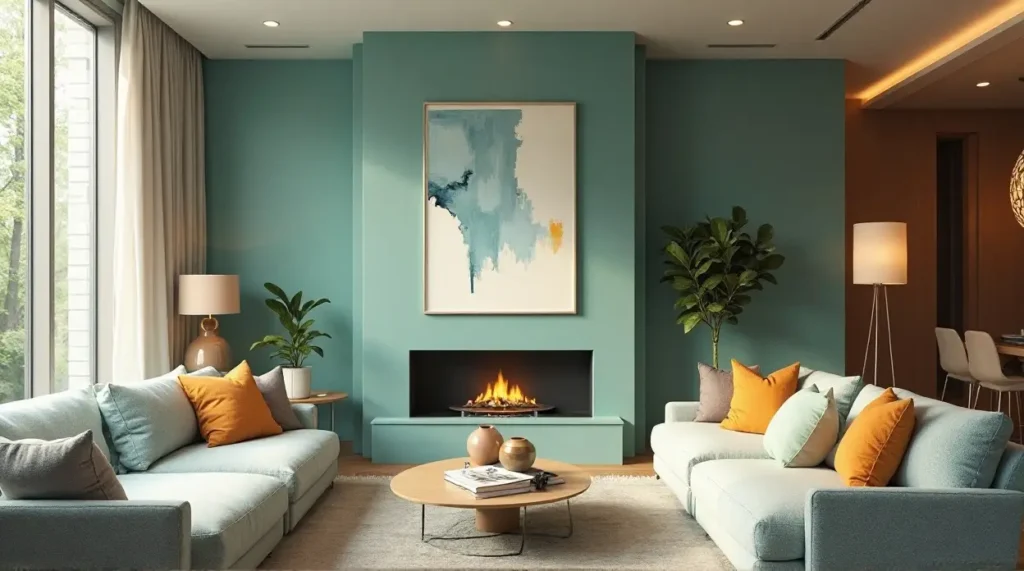
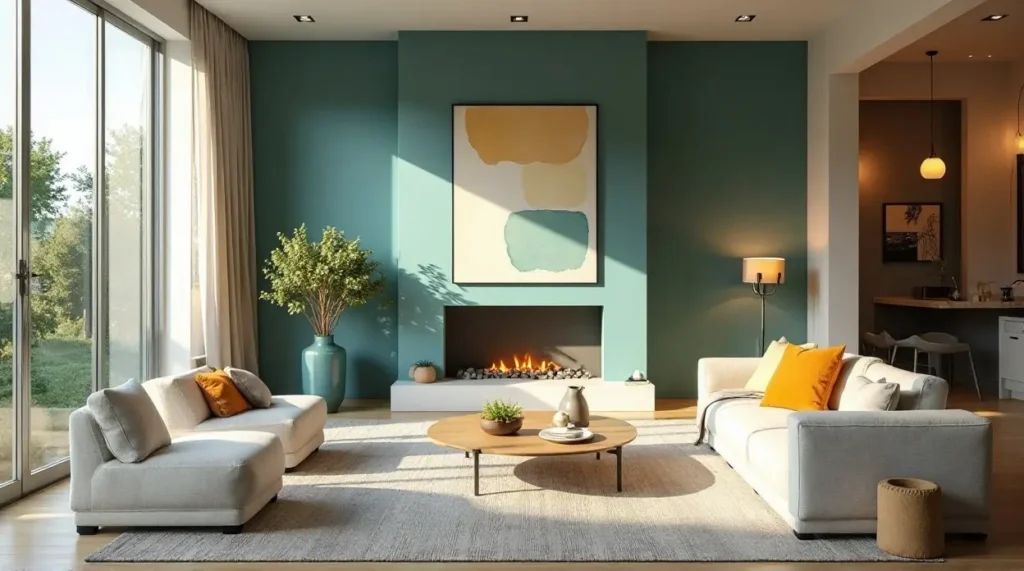
Consider the lighting in your space. Natural light can enhance the vibrancy of colors, while artificial light can alter their appearance. Test different colors under different lighting conditions to see how they look at different times of day. Use color strategically to highlight architectural features or create focal points. A bold accent wall can draw attention to a fireplace or artwork, while subtle color variations can create a sense of depth and dimension. Don’t be afraid to experiment with color combinations. A well-chosen color palette can create a sense of harmony and balance. Use a color wheel to explore different color relationships, such as complementary colors (opposite each other on the wheel) and analogous colors (next to each other on the wheel). Neutrals are a versatile foundation for any color scheme. They can be used to create a sense of calm and sophistication, or to provide a backdrop for bolder accent colors.
Pitfalls to avoid include choosing colors based solely on trends, ignoring the impact of lighting, and neglecting to consider the overall harmony of your color scheme. Remember that color is a personal preference, but it’s important to consider the psychological and practical implications of your choices. To understand color more, look at the work of Leatrice Eiseman, who is a color specialist. You can find more information about her and her work on the Pantone Color Institute website. Pantone Color Institute provides insights into the emotional power of color.
Space Planning: Maximizing Functionality and Flow
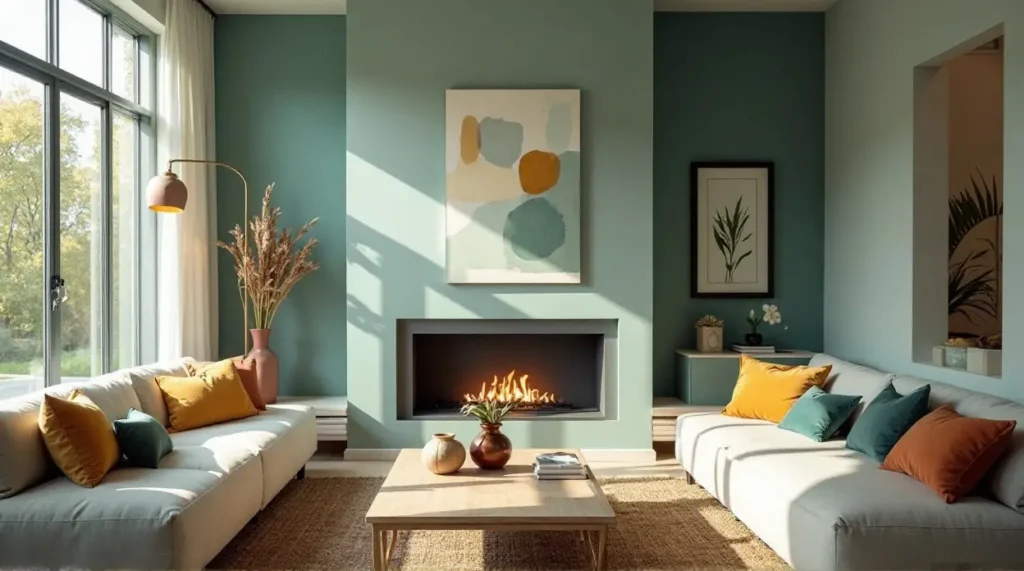
Effective space planning is essential for creating functional and comfortable living spaces. It involves arranging furniture and other elements in a way that optimizes flow, maximizes usable space, and enhances the overall aesthetic. Start by measuring your space and creating a floor plan. Accurately measuring the dimensions of your room is crucial for ensuring that furniture fits properly and that you can move around comfortably. Use graph paper or online tools to create a scale floor plan of your space, including windows, doors, and other architectural features. Consider the primary function of each room. How will the space be used, and what activities will take place there? This will help you determine the optimal layout and furniture placement.
Create zones within your space to delineate different activities. For example, a living room might include a seating area for conversation, a reading nook, and a media center. Use furniture, rugs, and lighting to define these zones. Prioritize traffic flow. Ensure that there are clear pathways for moving around the room without obstruction. Avoid placing furniture in doorways or walkways. Consider the scale and proportion of your furniture. Choose pieces that are appropriately sized for the room and that complement each other in terms of style and scale.
Pitfalls to avoid include overcrowding the space with too much furniture, neglecting to consider traffic flow, and choosing furniture that is out of scale with the room. Consider using online space planning tools or consulting with a professional interior designer to help you visualize different layouts and optimize your space. Using free tools is a great way to understand the space and can also save time and money on potential returns.
Furniture Selection: Balancing Style and Comfort
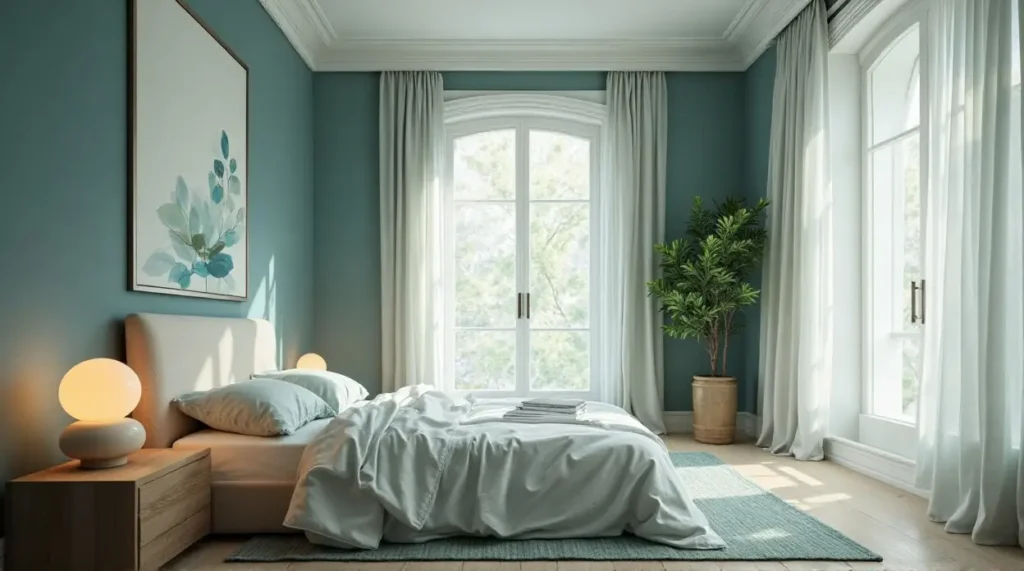
Choosing the right furniture is essential for creating a comfortable and stylish living space. The key is to find pieces that not only look good but also meet your functional needs and reflect your personal style. Consider the style of your home and choose furniture that complements it. Whether your style is modern, traditional, or eclectic, choose pieces that enhance the overall aesthetic. Prioritize comfort. Furniture should be both visually appealing and comfortable to use. Choose pieces with comfortable seating, supportive cushions, and ergonomic designs.
Consider the durability and maintenance of your furniture. Choose pieces that are made from high-quality materials that will withstand wear and tear. Also, consider how easy the furniture is to clean and maintain. Choose furniture that is appropriately sized for the room. Avoid overcrowding the space with too much furniture. Use furniture to create focal points and define zones within your space. A statement sofa or armchair can draw attention to a seating area, while a bookcase can define a reading nook. Don’t be afraid to mix and match different styles and textures. A well-curated mix of furniture can add visual interest and personality to your space. Test the furniture before buying. Ensure it is comfortable and suits the desired space and style.
Pitfalls to avoid include choosing furniture solely based on aesthetics without considering comfort or functionality, neglecting to consider the scale of the furniture in relation to the room, and failing to test the furniture before buying. Also, consider the ethical and environmental impact of your furniture choices. Choose furniture made from sustainable materials and manufactured using ethical labor practices. You can visit the Sustainable Furnishings Council at Sustainable Furnishings Council for more information on sustainable practices.
Transforming Outdoor Areas: Landscape Design Ideas for Every Season
Hardscaping vs. Softscaping: Creating a Balanced Landscape
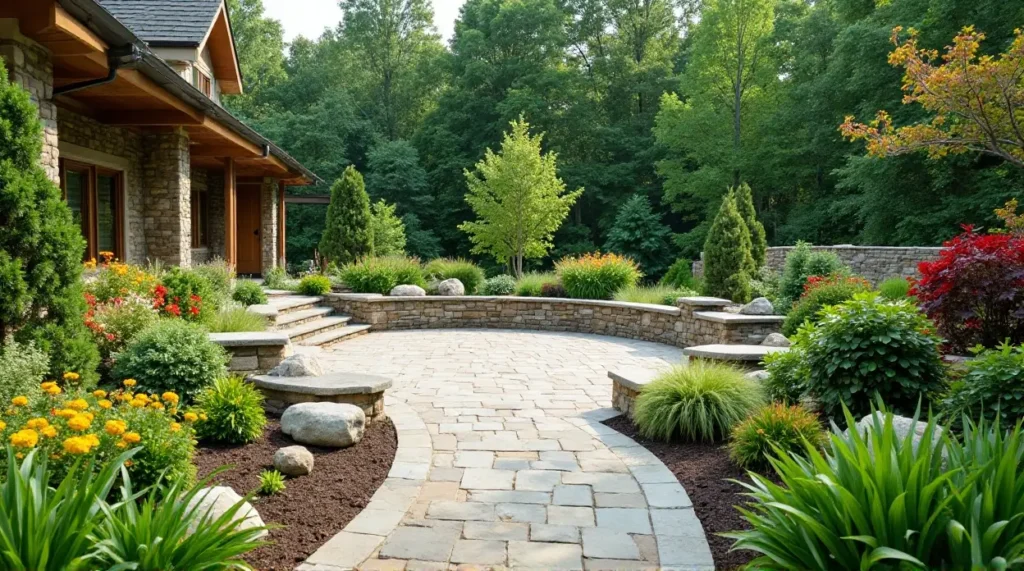
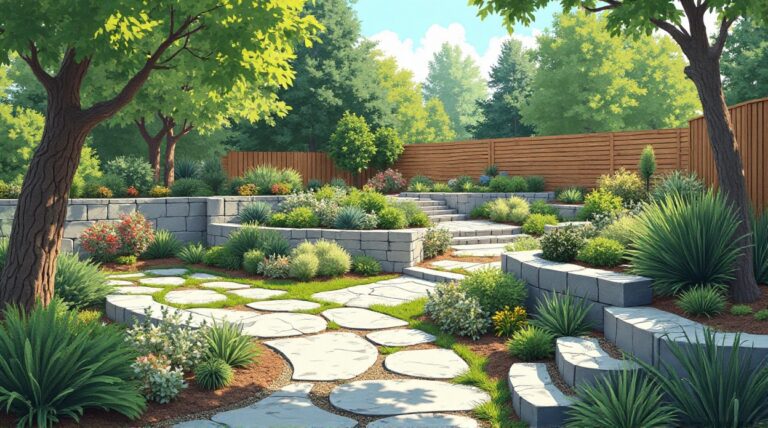
Landscape design involves the artful combination of hardscaping and softscaping to create a visually appealing and functional outdoor space. Hardscaping refers to the non-living elements of your landscape, such as patios, walkways, walls, and fences. Softscaping encompasses the living elements, such as plants, trees, shrubs, and flowers. Achieving a balance between hardscaping and softscaping is crucial for creating a landscape that is both beautiful and practical. Consider the functionality of your space. How will you use your outdoor area? Do you need a patio for entertaining, a walkway for accessing different parts of your yard, or a fence for privacy?
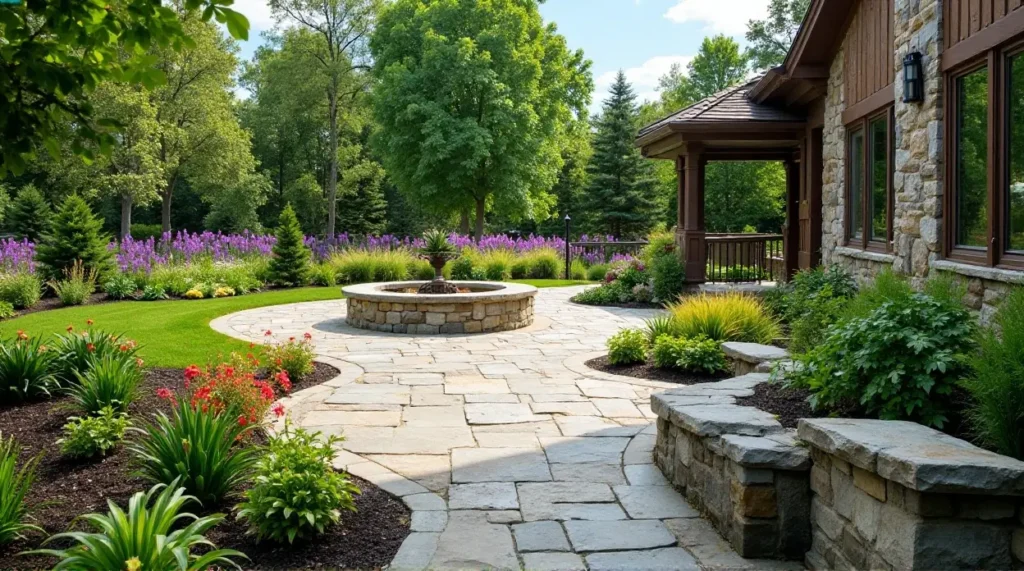
Start with the hardscaping elements. These will provide the structure and foundation for your landscape. Choose materials that are durable, weather-resistant, and aesthetically pleasing. Consider the style of your home and choose hardscaping materials that complement it. Add softscaping elements to soften the hard lines and create visual interest. Use plants, trees, and flowers to add color, texture, and movement to your landscape. Consider the seasonal changes and choose plants that will provide year-round interest. Blend hardscaping and softscaping to create a harmonious and balanced landscape. Use plants to soften the edges of hardscaping elements, and use hardscaping to provide support and structure for softscaping elements. Consider water drainage when planning hardscaping features. Ensure proper drainage to prevent flooding and erosion.
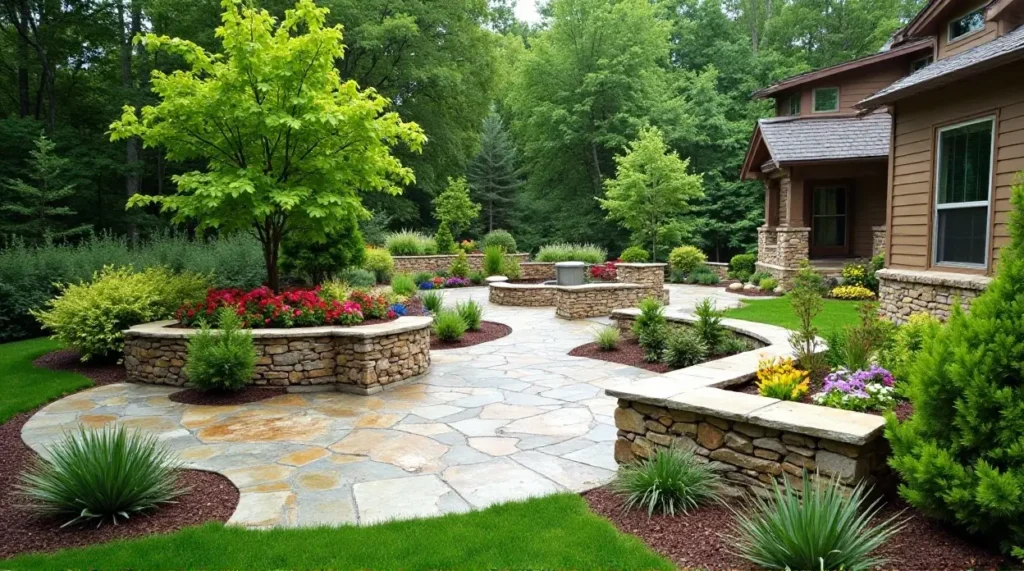
Pitfalls to avoid include overemphasizing hardscaping at the expense of softscaping, neglecting to consider the functionality of your space, and failing to plan for proper drainage. Create a landscape that is both beautiful and functional, and that enhances the overall value and enjoyment of your property. You can check with the local council for drainage requirements.
Choosing the Right Plants for Your Climate and Soil
Selecting the appropriate plants for your climate and soil conditions is crucial for ensuring the health and longevity of your landscape. Plants that are well-suited to their environment will thrive and require less maintenance. Start by understanding your local climate. Research the average temperatures, rainfall, and sunlight hours in your area. This will help you choose plants that can tolerate the conditions in your region. Test your soil to determine its pH level and nutrient content. Different plants thrive in different soil conditions. You can purchase a soil testing kit from a local garden center or send a sample to a lab for analysis.
Choose plants that are native to your area. Native plants are adapted to the local climate and soil conditions, and they often require less water and fertilizer than non-native plants. Consider the mature size of the plants you choose. Avoid planting trees or shrubs that will outgrow their space and require frequent pruning. Plan for year-round interest. Choose a mix of plants that will provide color, texture, and visual interest throughout the year. Group plants with similar needs together. This will make it easier to water and fertilize them. Choose plants that are resistant to pests and diseases common in your area. This will help minimize the need for pesticides and other harmful chemicals.
Pitfalls to avoid include choosing plants that are not suited to your climate or soil conditions, neglecting to consider the mature size of the plants, and failing to plan for year-round interest. When planning, consider talking to local nursery owners. They can provide valuable insights into the best plants for your region.
Outdoor Lighting: Enhancing Ambiance and Security
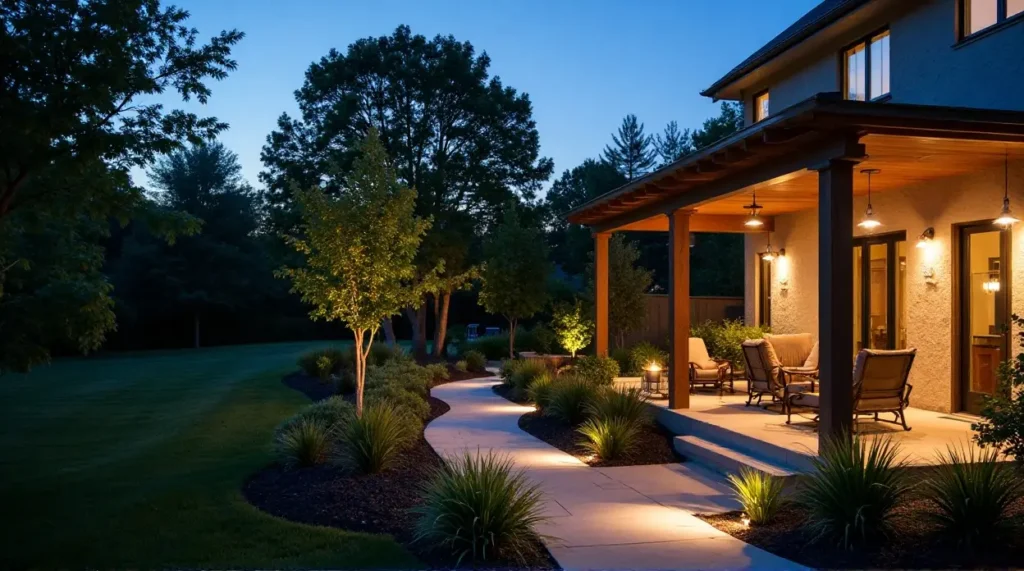
Outdoor lighting is an essential element of landscape design, enhancing both the ambiance and security of your property. Well-placed lighting can create a warm and inviting atmosphere, highlight architectural features, and deter intruders. Start by identifying the areas you want to illuminate. Do you want to light up a walkway, a patio, a garden bed, or the facade of your home? Choose the right type of lighting for each area. Path lighting can illuminate walkways and driveways, while spotlighting can highlight trees and architectural features. Consider the brightness and color of the light. Warm, soft lighting creates a cozy ambiance, while brighter, cooler lighting provides better visibility and security.
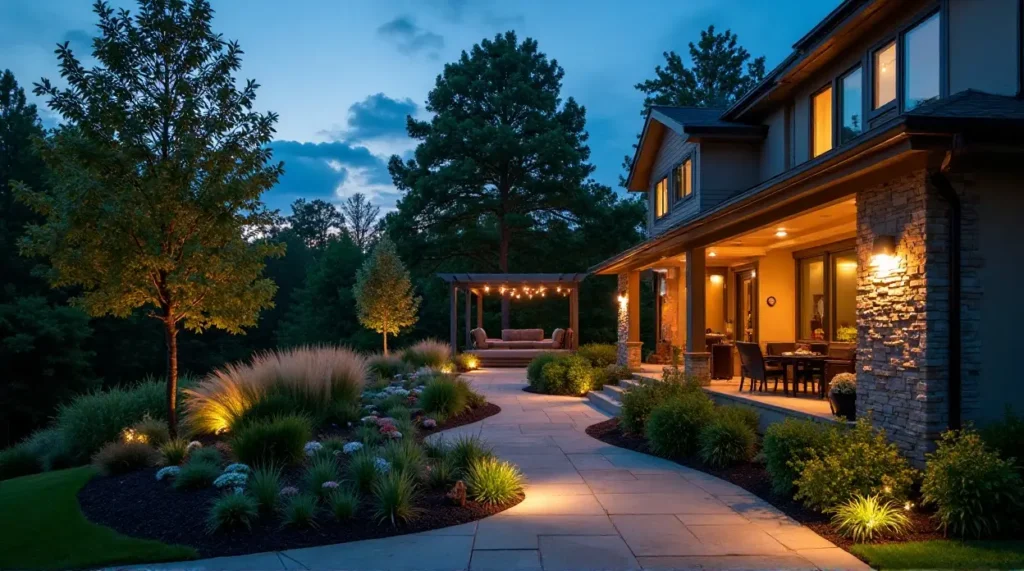
Use energy-efficient lighting options, such as LED lights. LED lights are long-lasting and consume significantly less energy than traditional incandescent bulbs. Consider using motion sensor lights for added security. Motion sensor lights will turn on automatically when they detect movement, deterring potential intruders. Position lights strategically to maximize their impact. Avoid creating glare or light pollution. Use timers or smart home systems to control your outdoor lighting. This will allow you to set the lights to turn on and off automatically, saving energy and enhancing security. Integrate lighting seamlessly into your landscape design. Hide the fixtures as much as possible, and choose styles that complement the overall aesthetic of your outdoor space.
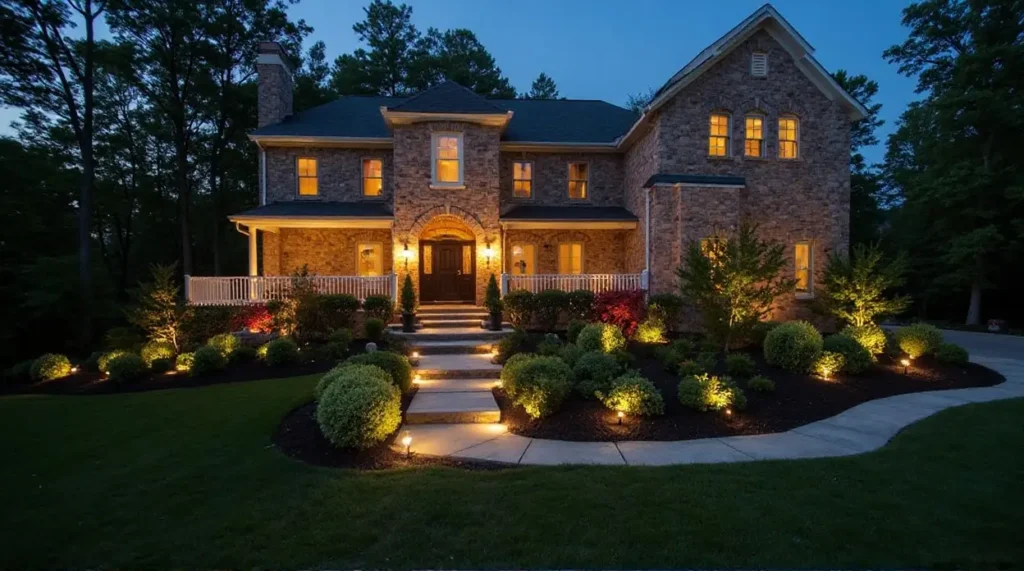
Pitfalls to avoid include using too much light, creating glare or light pollution, and failing to use energy-efficient lighting options. Consider using a combination of different types of lighting to create a layered and visually appealing effect. You can see examples of good outdoor lighting on the Illuminating Engineering Society website. They provide lighting standards and techniques. Visit IES.org for information.
Innovative Room Design Concepts: Thinking Outside the Box
Multi-Functional Spaces: Optimizing Small Living Areas
In today’s world, maximizing space is more important than ever, especially in urban environments. Multi-functional spaces are designed to serve multiple purposes, allowing you to make the most of every square foot. The key to creating a successful multi-functional space is careful planning and clever design solutions. Start by identifying your needs and priorities. How do you want to use the space, and what activities will take place there? Consider using convertible furniture, such as sofa beds, folding tables, and storage ottomans. These pieces can be easily transformed to serve different purposes, maximizing flexibility.
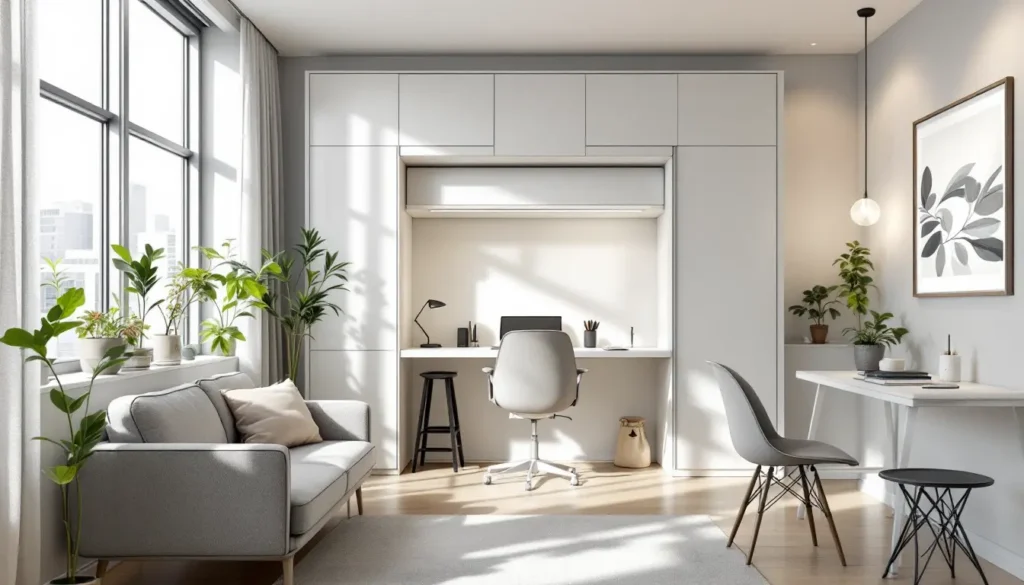
Create distinct zones within the space to delineate different activities. Use furniture, rugs, and lighting to define these zones. For example, you might create a work zone with a desk and chair, a lounge zone with a sofa and coffee table, and a dining zone with a table and chairs. Utilize vertical space to maximize storage. Install shelves, cabinets, and wall-mounted organizers to keep clutter at bay. Choose furniture that is appropriately sized for the room. Avoid overcrowding the space with too much furniture. Use color and lighting to create a sense of openness and airiness. Light colors and ample natural light can make a small space feel larger.
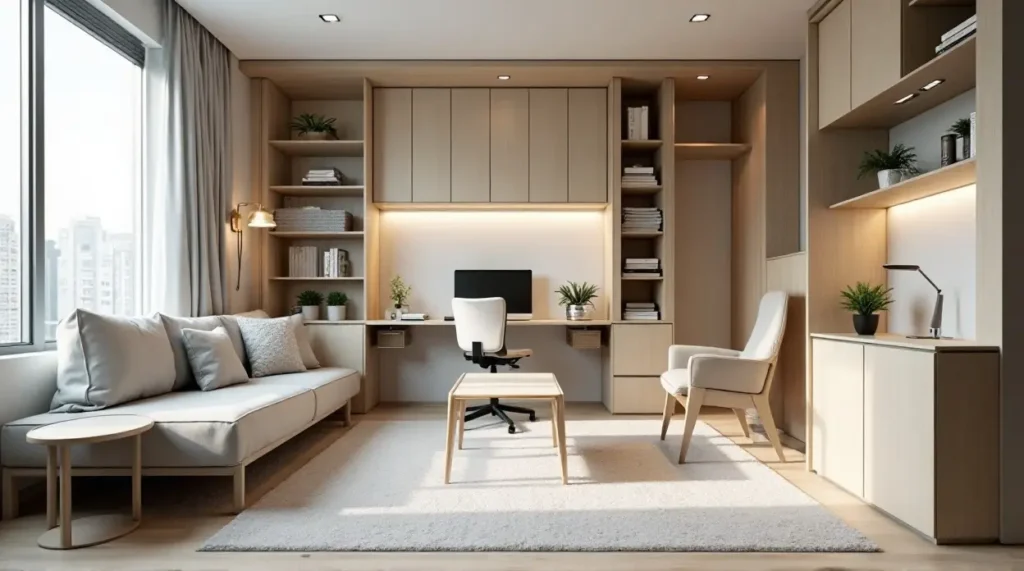
Pitfalls to avoid include overcrowding the space with too much furniture, failing to plan for adequate storage, and neglecting to define distinct zones for different activities. Creating a multi-functional space requires careful consideration and innovative design solutions, but the result can be a comfortable and efficient living environment. For example, a studio apartment measuring 400 square feet was successfully transformed by using a Murphy bed that converts into a desk during the day, maximizing the living area.
Biophilic Design: Bringing Nature Indoors
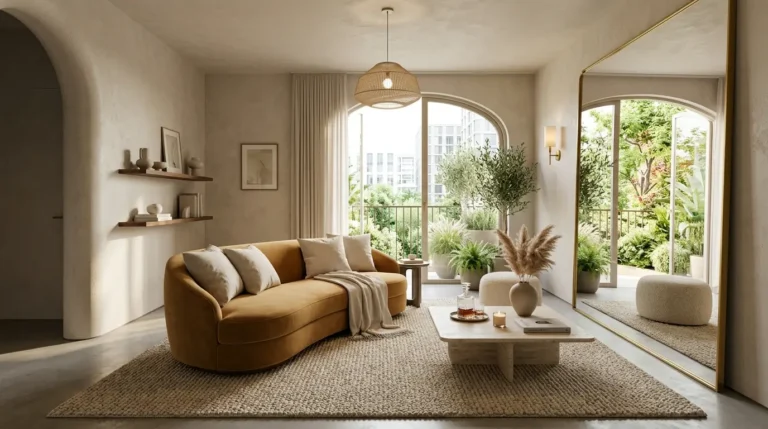
Biophilic design is a design philosophy that seeks to connect people with nature in the built environment. It recognizes the innate human need to connect with the natural world and incorporates natural elements into the design of spaces to promote well-being and productivity. Incorporate natural light into your space. Maximize access to sunlight by using large windows, skylights, and light-colored walls and ceilings. Add plants to your space. Plants not only add beauty and visual interest but also improve air quality and reduce stress. Choose a variety of plants with different textures, shapes, and colors. Use natural materials in your design. Incorporate wood, stone, bamboo, and other natural materials into your furniture, flooring, and decor. These materials add warmth, texture, and a sense of connection to nature.
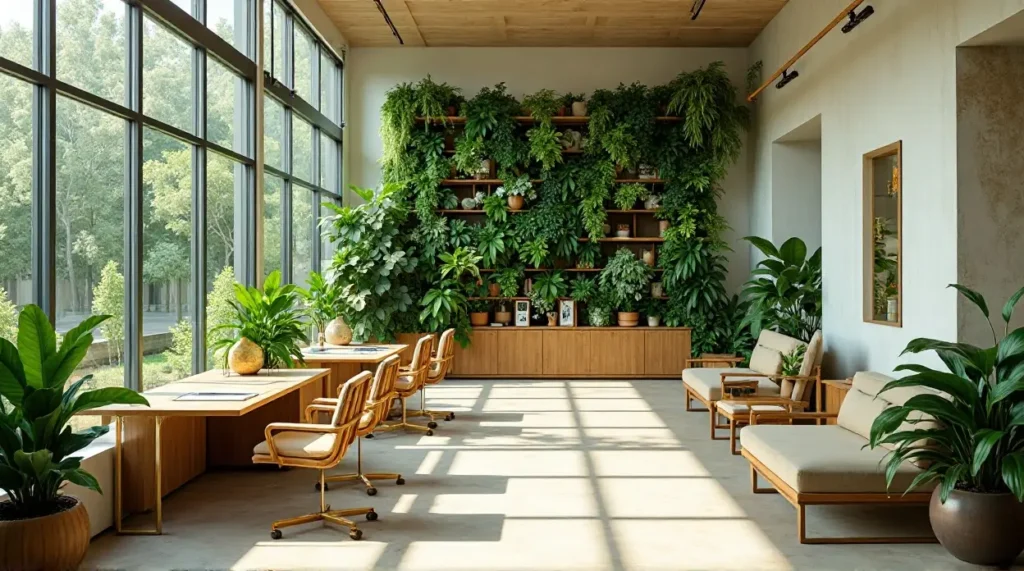
Incorporate natural patterns and shapes into your design. Use organic shapes, flowing lines, and natural patterns in your furniture, textiles, and artwork. These elements evoke a sense of nature and create a calming atmosphere. Provide access to views of nature. If possible, position your furniture and seating areas to take advantage of views of trees, gardens, or other natural elements. Create a sense of connection to the outdoors. Use natural ventilation, water features, and natural sounds to bring the outdoors in. Incorporate natural colors into your design. Use earthy tones, greens, blues, and other colors found in nature to create a calming and harmonious atmosphere.
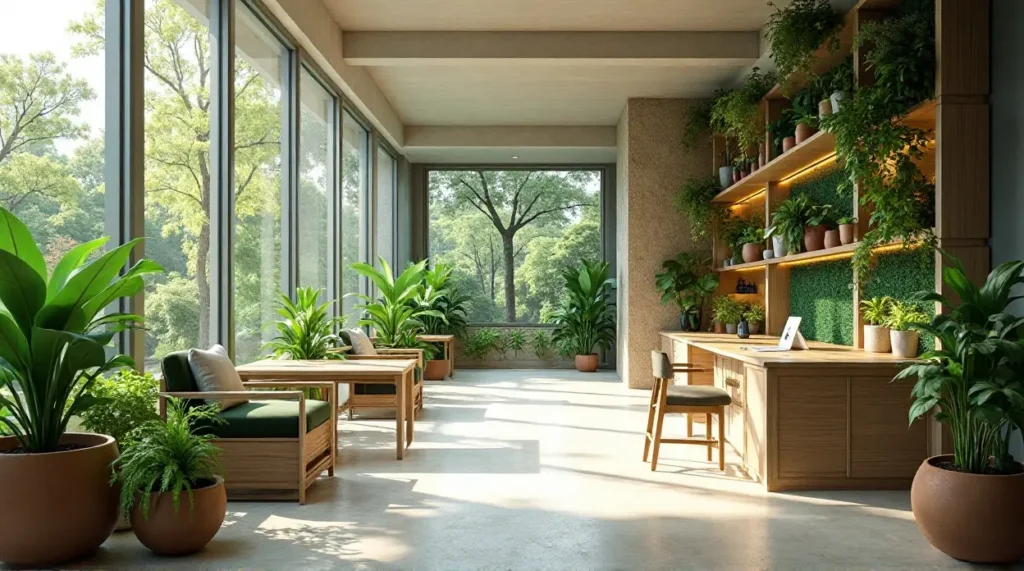
Pitfalls to avoid include using artificial or synthetic materials that mimic natural elements, neglecting to consider the long-term maintenance of plants and other natural elements, and failing to create a holistic and integrated design. An office space redesigned using biophilic principles saw a 15% increase in employee productivity and a 6% reduction in absenteeism. This was achieved by incorporating natural light, plants, and natural materials into the design.
Sustainable Design: Eco-Friendly Materials and Practices
Sustainable design is an approach to design that minimizes the environmental impact of a project throughout its entire lifecycle. It involves using eco-friendly materials, conserving energy and water, and promoting healthy indoor air quality. Choose materials that are made from recycled or renewable resources. Look for products that are certified by organizations such as the Forest Stewardship Council (FSC) and the Green Building Council. Conserve energy by using energy-efficient appliances, lighting, and heating and cooling systems. Install insulation, seal air leaks, and use programmable thermostats to reduce energy consumption. Conserve water by using low-flow fixtures, drought-tolerant landscaping, and rainwater harvesting systems.
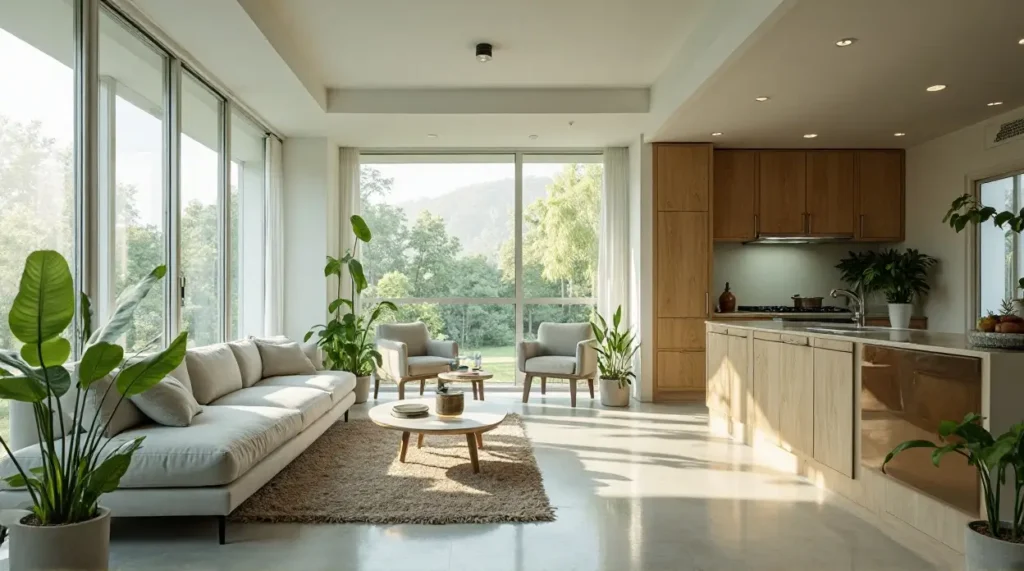
Promote healthy indoor air quality by using low-VOC paints, flooring, and adhesives. Choose products that are free from harmful chemicals and toxins. Reduce waste by reusing and recycling materials whenever possible. Donate unwanted furniture, appliances, and building materials to charity. Minimize construction waste by planning carefully and ordering only the materials you need. Consider the lifecycle cost of your design choices. Choose materials and products that are durable and long-lasting, and that can be easily repaired or recycled at the end of their useful life. Use local materials and suppliers to reduce transportation costs and support local economies.
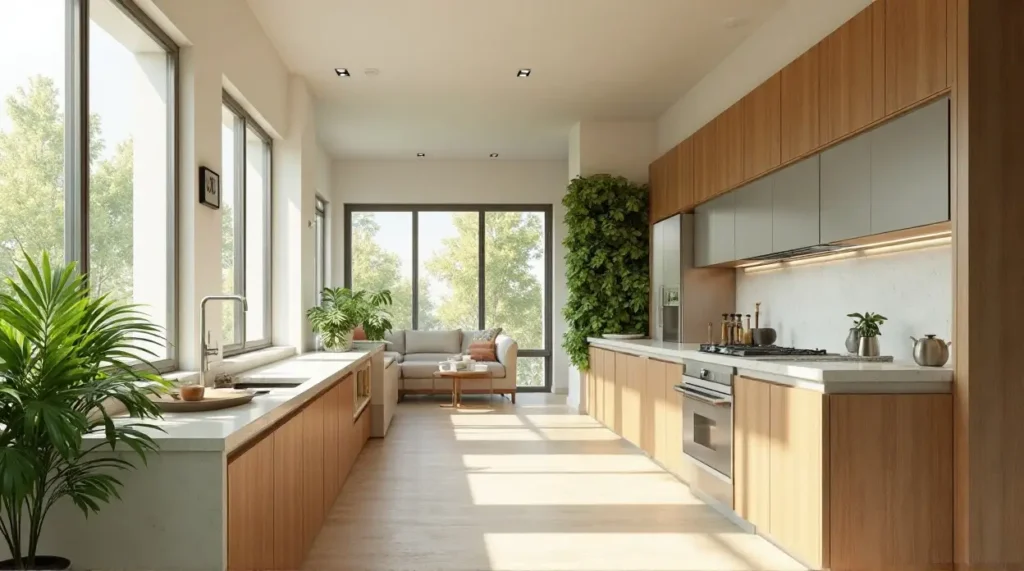
Pitfalls to avoid include “greenwashing” (making misleading claims about the environmental benefits of a product), failing to consider the lifecycle cost of design choices, and neglecting to address the social and ethical impacts of sustainable design. A homeowner who renovated their kitchen using sustainable materials and practices reduced their carbon footprint by 30% and saved $500 per year on energy bills. This was achieved by using recycled countertops, energy-efficient appliances, and low-VOC paints.
Home Decor Inspiration: Adding Personal Touches to Your Space
Artwork and Wall Decor: Expressing Your Personality
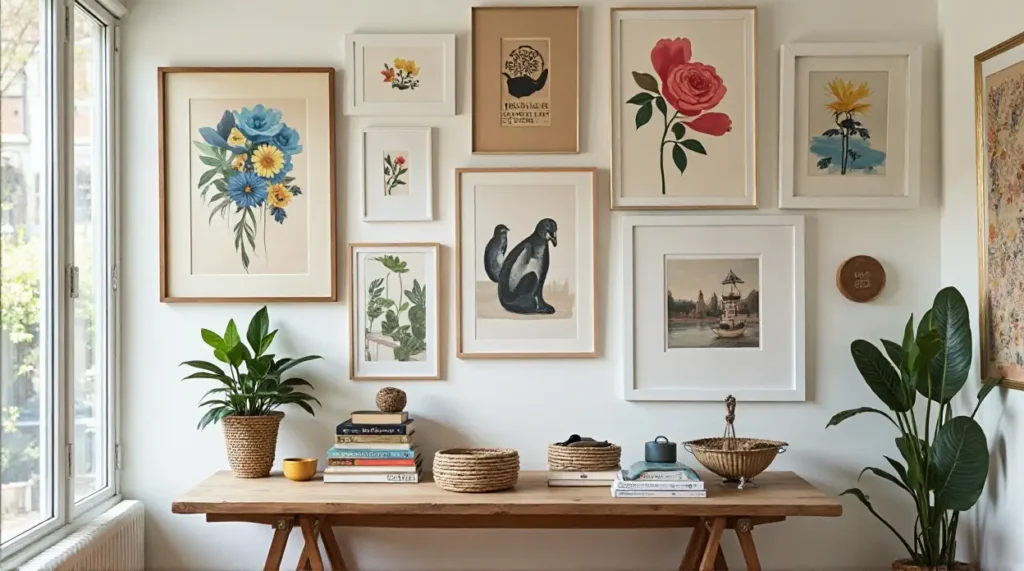
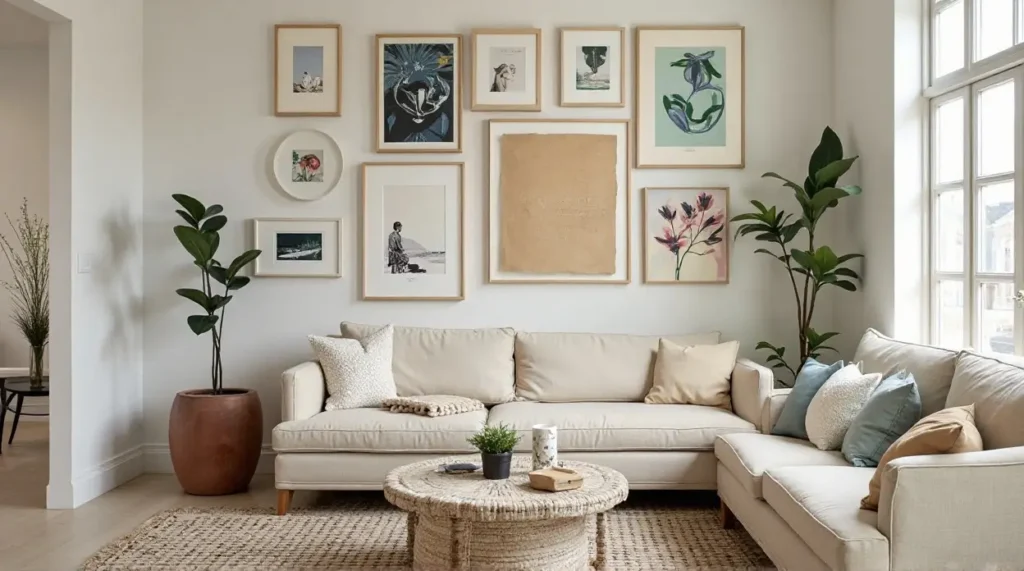
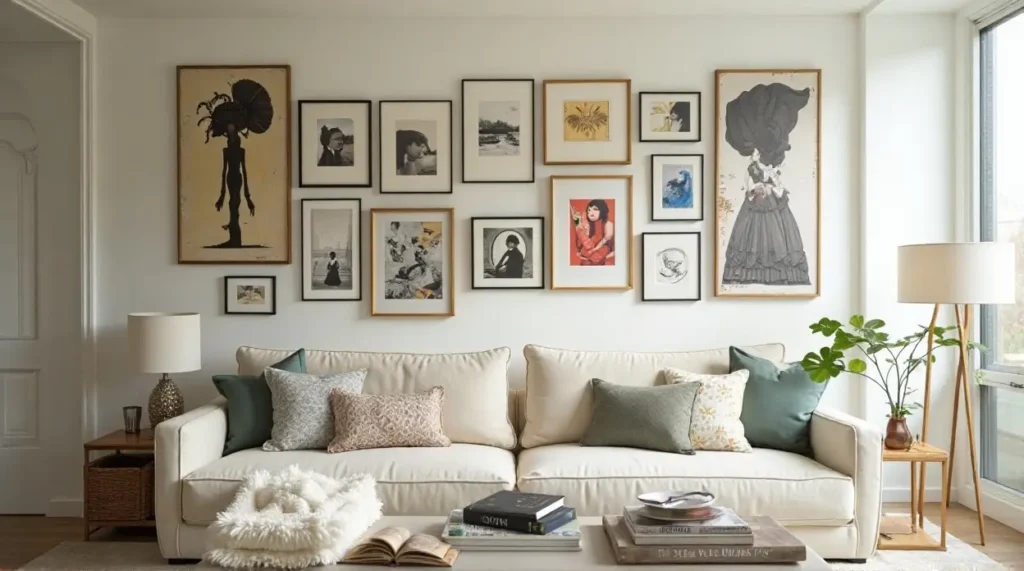
Artwork and wall decor are powerful tools for injecting personality and character into your home. Consider pieces that resonate with your interests, experiences, and values. A common pitfall is selecting art solely based on aesthetics, neglecting its emotional connection. Prioritize pieces that evoke feeling or spark conversation. For example, instead of generic prints, opt for original artwork from local artists, framed photographs of meaningful moments, or handcrafted wall hangings. Before purchasing, visualize how the artwork will complement the existing color scheme and furniture in the room. Consider the size and scale of the artwork relative to the wall space. A gallery wall can be an excellent way to display a collection of smaller pieces, creating a visually dynamic focal point. Remember to maintain consistent spacing and alignment for a polished look. Finally, don’t be afraid to experiment with different styles and mediums until you find what truly speaks to you.
Textiles and Fabrics: Creating Texture and Warmth
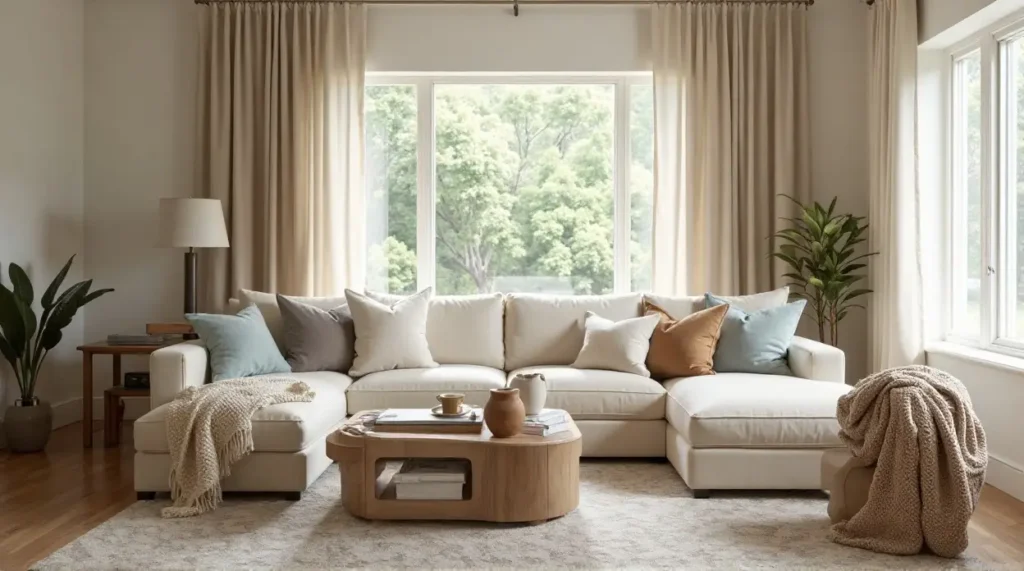
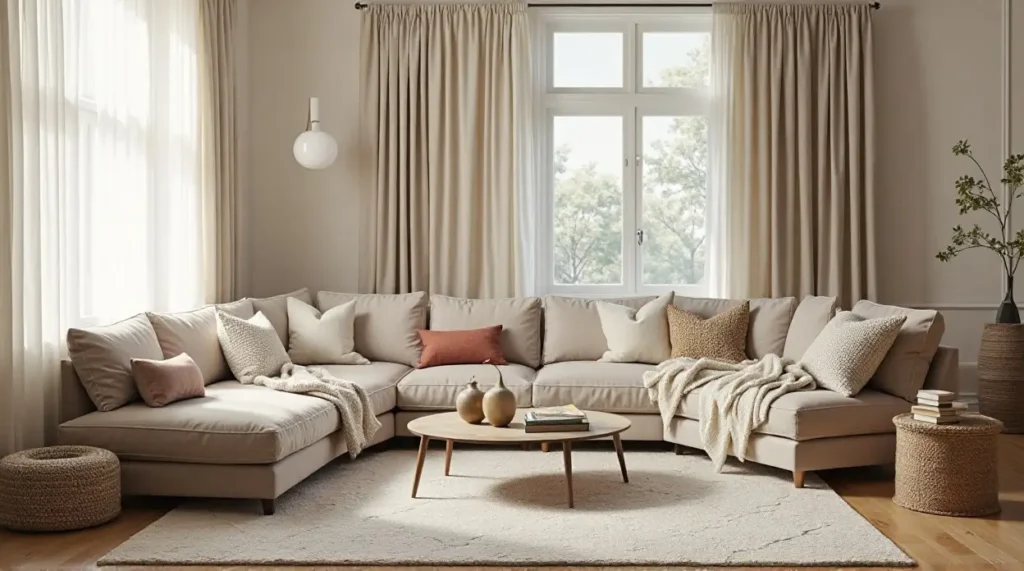
Textiles and fabrics play a crucial role in adding texture, warmth, and visual interest to any space. Different materials evoke different feelings – velvet suggests luxury, linen offers casual comfort, and wool provides cozy warmth. A well-chosen rug can anchor a room and define its boundaries. Consider the pile height, material, and pattern of the rug to ensure it complements the existing furniture and flooring. Throws and pillows are another easy way to introduce texture and color. Mixing different patterns and textures can add visual depth, but be mindful of creating a cohesive color palette. Curtains and drapes not only provide privacy and light control but also add a touch of elegance. Select fabrics that complement the style of the room and the overall design scheme. Avoid using too many competing patterns in a single space, which can create a cluttered and overwhelming feeling. Focus on creating a layered effect, combining different textures and fabrics to achieve a balanced and inviting atmosphere. Fabric choice should reflect the function of the space. For instance, choose durable, stain-resistant fabrics for high-traffic areas.
Accessories and Accents: Completing Your Design Vision
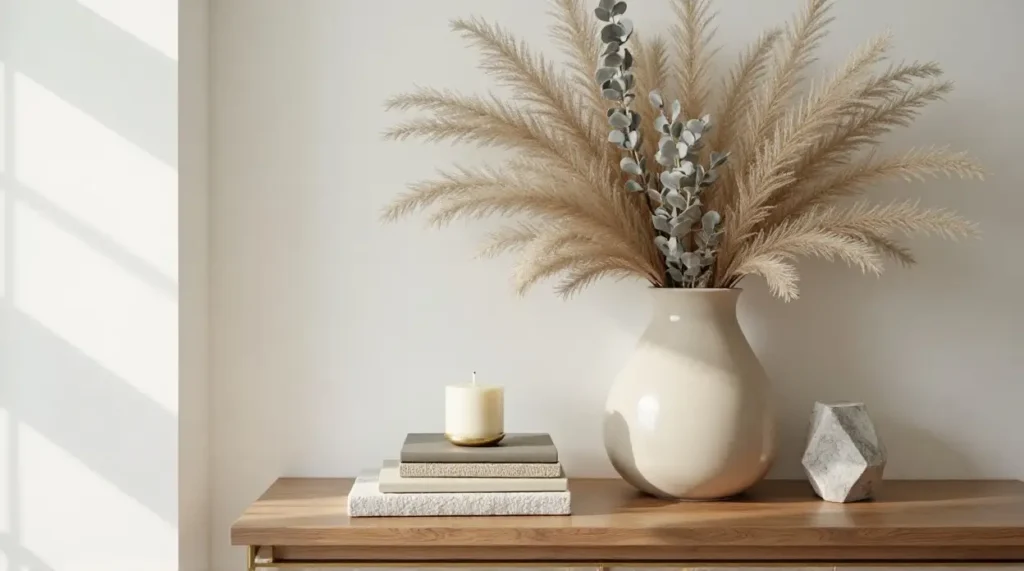
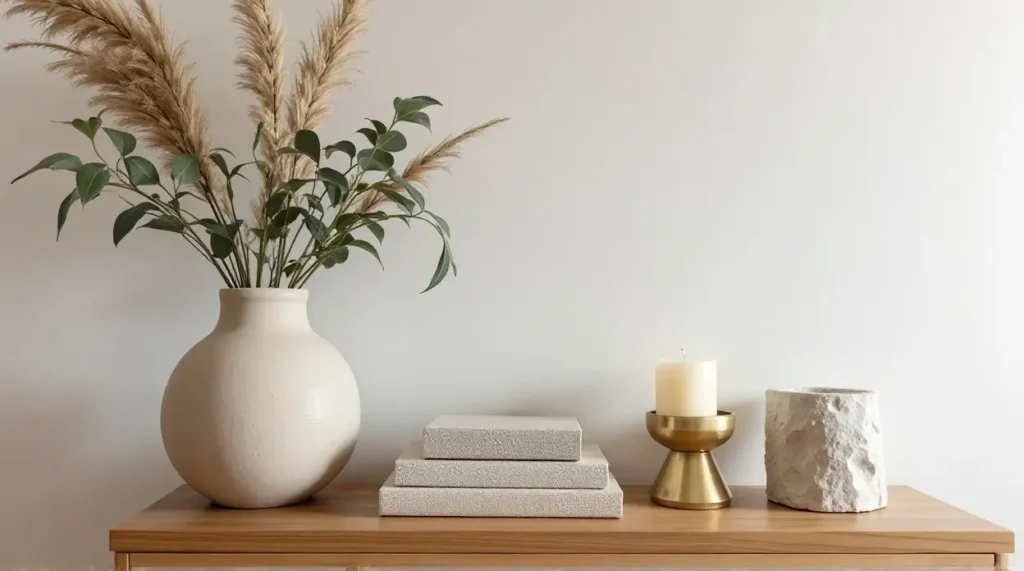
Accessories and accents are the finishing touches that complete your design vision. These seemingly small details can significantly impact the overall look and feel of a space. Think of accessories as the jewelry of your home – they add sparkle, personality, and style. Carefully selected vases, candles, books, and decorative objects can transform a room from bland to beautiful. Group accessories in odd numbers to create visually appealing arrangements. Consider the color, shape, and size of each item to ensure it complements the surrounding decor. Avoid cluttering surfaces with too many accessories, which can make a space feel cramped and disorganized. A common mistake is selecting accessories that are too small or insignificant, which can get lost in the overall design. Opt for larger, more impactful pieces that can serve as focal points. Remember that accessories should reflect your personal style and interests. Displaying collections, travel souvenirs, or handmade items can add a unique and personal touch to your home. Regularly edit and update your accessories to keep your space fresh and interesting. The key to successful accessorizing is to strike a balance between functionality and aesthetics.
Renovation and Construction Tips: Avoiding Common Pitfalls
Permitting and Regulations: Understanding the Legal Requirements
Before embarking on any renovation or construction project, it’s crucial to understand the local permitting and regulations. Ignoring these requirements can lead to costly delays, fines, or even legal action. Start by contacting your local building department to inquire about the specific permits required for your project. These permits may vary depending on the scope of the work, the location of your property, and the type of structure involved. For instance, structural changes, electrical work, and plumbing modifications typically require permits. Failing to obtain the necessary permits can result in stop-work orders, which can halt your project and disrupt your timeline. It’s also important to be aware of zoning regulations, which dictate how land can be used and developed in your area. Zoning ordinances may restrict the size, height, and location of structures on your property. Be prepared to submit detailed plans and drawings as part of the permit application process. Consider hiring a qualified architect or engineer to assist with the preparation of these documents. Ensure all work adheres to the International Building Code (IBC) or local building codes. (International Code Council). Ignoring codes can create safety risks. Always prioritize safety, and document all phases of the project.
Hiring the Right Professionals: Vetting Contractors and Designers
Selecting the right professionals is paramount to a successful renovation or construction project. A skilled contractor or designer can bring your vision to life while ensuring the project is completed on time and within budget. Start by asking for recommendations from friends, family, or neighbors who have recently completed similar projects. Check online reviews and ratings to get an idea of the contractor’s reputation and track record. Before hiring a contractor, verify their licensing and insurance. A licensed contractor has met certain qualifications and is authorized to perform work in your area. Insurance protects you from liability in case of accidents or damages that occur during the project. Obtain multiple bids from different contractors to compare pricing and services. Don’t automatically choose the lowest bid, as this may indicate substandard work or hidden costs. Carefully review the contract before signing, paying close attention to the scope of work, payment schedule, and warranty terms. Clear communication is key to a smooth working relationship. Establish clear lines of communication and schedule regular meetings to discuss progress and address any concerns. Look for contractors who are responsive, professional, and willing to answer your questions. A good design professional can bring design experience and knowledge of what can be done and the latest building technology. Verifying credentials, insurance, and references is essential.
Budget Management: Tracking Expenses and Avoiding Overspending
Effective budget management is essential for preventing cost overruns and ensuring your renovation or construction project stays on track. Start by creating a detailed budget that outlines all anticipated expenses, including materials, labor, permits, and contingency funds. Research the cost of materials and labor in your area to get an accurate estimate of the overall project cost. Factor in a contingency fund of at least 10-15% to cover unexpected expenses or unforeseen problems. Track all expenses meticulously, using a spreadsheet or budgeting software. Regularly compare actual expenses to your budget to identify any discrepancies or potential overspending. Prioritize essential expenses and identify areas where you can potentially cut costs without sacrificing quality. Avoid making significant changes to the scope of the project once it has started, as this can lead to increased costs and delays. Get written quotes for all materials and labor before committing to any purchases or contracts. Consider phasing the project to spread out the costs over time. Avoid impulse buys, and carefully consider the long-term value and durability of all materials and finishes. Regularly review your budget with your contractor or designer to identify potential cost-saving opportunities.
Lighting Design Essentials: Illuminating Your Space with Style
Layered Lighting: Combining Ambient, Task, and Accent Lighting
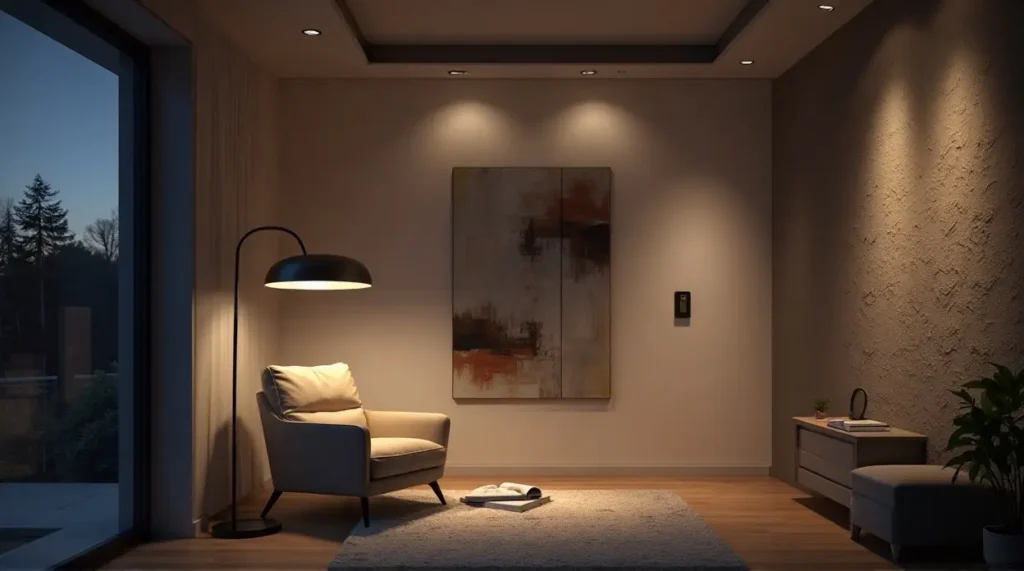
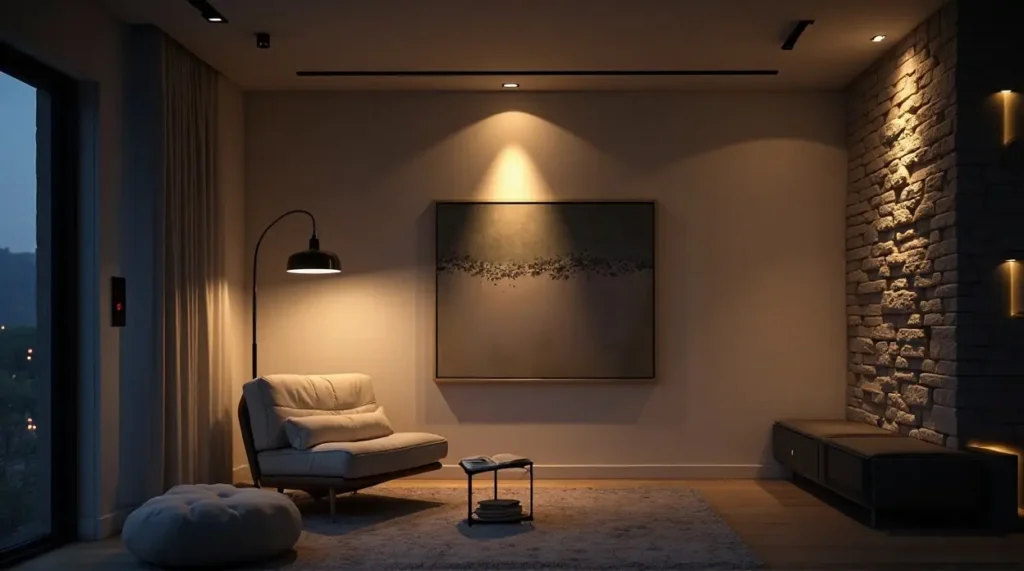
A well-designed lighting scheme incorporates three essential layers: ambient, task, and accent lighting. Ambient lighting provides overall illumination, creating a comfortable and inviting atmosphere. Task lighting focuses on specific areas where you perform tasks, such as reading, cooking, or working. Accent lighting highlights architectural features, artwork, or decorative objects, adding visual interest and depth. Combining these three layers creates a balanced and functional lighting scheme that enhances the overall look and feel of your space. Ambient lighting can be achieved with recessed lighting, chandeliers, pendant lights, or wall sconces. Task lighting should be bright enough to prevent eye strain but not so harsh that it creates glare. Accent lighting can be achieved with spotlights, track lighting, or picture lights. Consider using dimmers to adjust the intensity of the lighting to suit different moods and activities. Experiment with different combinations of lighting layers to create a variety of effects. The key is to achieve a balance between functionality and aesthetics, ensuring that your lighting scheme enhances both the beauty and practicality of your space.
Fixture Selection: Choosing the Right Lights for Each Room
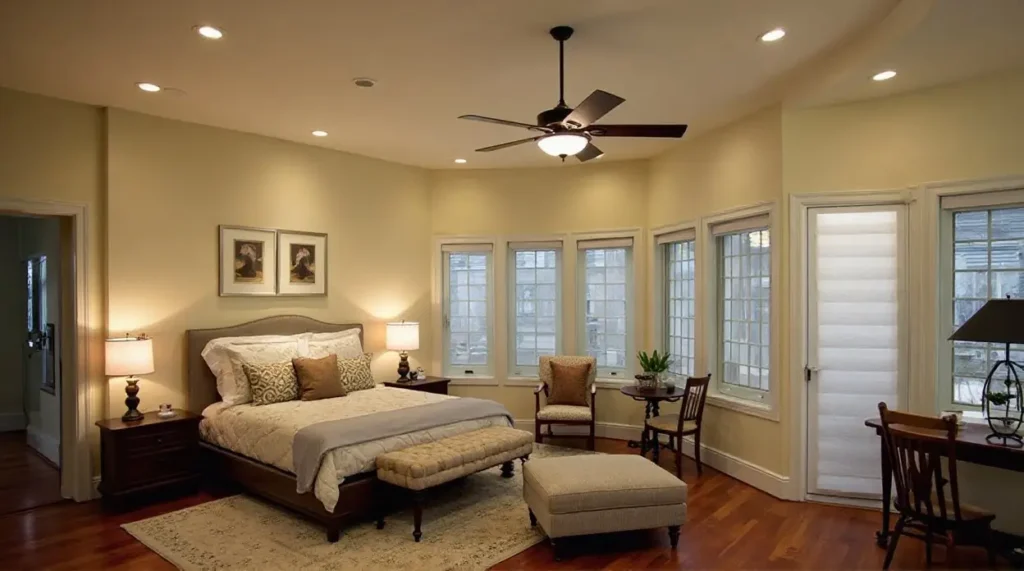
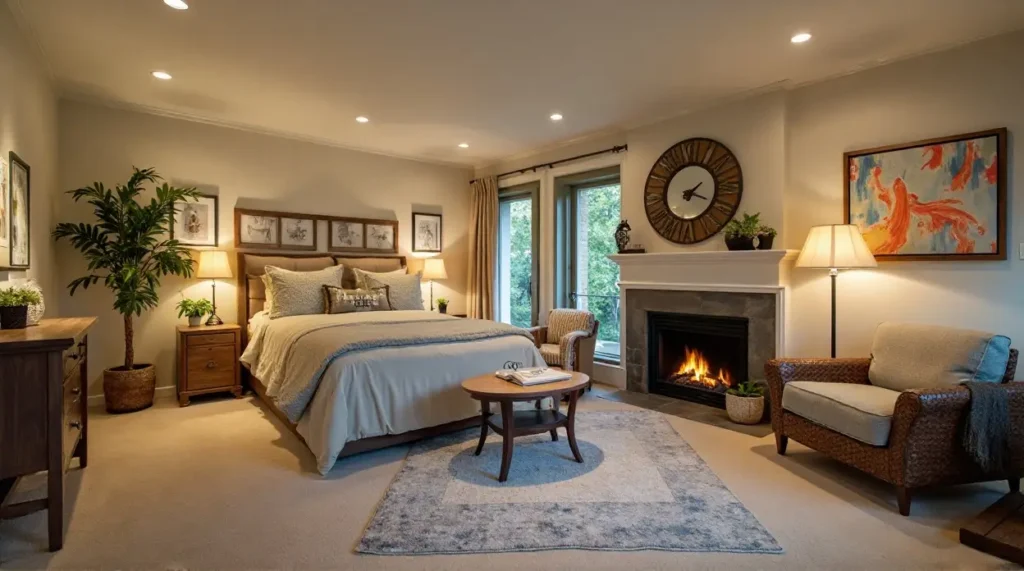
Selecting the right lighting fixtures is crucial for achieving both functionality and style in each room of your home. Consider the purpose of each room and the type of activities that will take place there when choosing fixtures. For example, a kitchen requires bright task lighting for food preparation and cooking, while a bedroom benefits from softer, more ambient lighting for relaxation. In the living room, use a combination of ambient, task, and accent lighting to create a versatile and inviting space. Choose fixtures that complement the style of the room and the overall design scheme. Consider the size and scale of the fixtures relative to the size of the room. Avoid using fixtures that are too large or too small, as this can create a disproportionate look. Pay attention to the color temperature of the light bulbs, as this can affect the mood and atmosphere of the room. Warm light (2700-3000K) creates a cozy and inviting atmosphere, while cool light (4000-5000K) provides brighter, more focused illumination. Consider energy-efficient options, such as LED bulbs, to save money on your electricity bill and reduce your environmental impact. Finally, don’t be afraid to mix and match different types of fixtures to create a unique and personalized lighting scheme.
Smart Lighting: Integrating Technology for Convenience and Control
Smart lighting offers a range of benefits, including convenience, energy savings, and enhanced security. Smart lighting systems allow you to control your lights remotely using a smartphone, tablet, or voice assistant. You can adjust the brightness, color temperature, and even the color of your lights with the touch of a button. Smart lighting can also be programmed to turn on and off automatically based on a schedule or sensor triggers. For example, you can set your lights to turn on at dusk and turn off at dawn, or you can use motion sensors to turn on lights when someone enters a room. This can help to save energy and deter burglars. Some smart lighting systems also integrate with other smart home devices, such as thermostats, security cameras, and door locks, creating a connected and automated home. Consider the compatibility of different smart lighting systems before making a purchase. Some systems require a hub or bridge to connect to your home network, while others can connect directly to your Wi-Fi router. Be mindful of security concerns when using smart lighting systems, and take steps to protect your privacy. Consider using strong passwords and enabling two-factor authentication to prevent unauthorized access to your system.

DIY Design Projects: Unleashing Your Creativity on a Budget
Upcycling Furniture: Giving Old Pieces New Life
Upcycling furniture is a fantastic way to save money, reduce waste, and unleash your creativity. Instead of discarding old or unwanted furniture, transform them into unique and stylish pieces that reflect your personal style. Start by assessing the condition of the furniture and identifying any repairs that need to be made. Clean the furniture thoroughly and remove any old paint or varnish. Sand the surface to create a smooth and even finish. Consider painting, staining, or adding new hardware to update the look of the furniture. Experiment with different colors, patterns, and textures to create a one-of-a-kind piece. For example, an old dresser can be transformed into a stylish bathroom vanity, or an old coffee table can be repurposed as a storage bench. Upcycling is limited only by your imagination. Look for inspiration online or in magazines to get ideas for your next project. Don’t be afraid to experiment and try new techniques. With a little creativity and effort, you can transform old, unwanted furniture into beautiful and functional pieces that will enhance your home decor.
Creating Custom Artwork: Easy and Affordable DIY Art Ideas
Creating custom artwork doesn’t have to be expensive or complicated. There are many easy and affordable DIY art ideas that you can use to add a personal touch to your home decor. One simple idea is to create abstract art using acrylic paints and a canvas. Experiment with different colors, textures, and techniques to create a unique and eye-catching piece. Another idea is to create wall art using pressed flowers or leaves. Arrange the flowers or leaves on a piece of paper or fabric and frame it to create a beautiful and natural piece of art. You can also create personalized artwork using family photos or travel souvenirs. Create a collage or a photo gallery wall to display your favorite memories. Consider using stencils or stamps to create patterns or designs on canvas or paper. Use inexpensive materials such as cardboard, fabric scraps, or recycled paper to create unique and sustainable artwork. Don’t be afraid to experiment and try new things. The most important thing is to have fun and create something that you love.
Repurposing Materials: Turning Trash into Treasure
Repurposing materials is a creative and eco-friendly way to add unique and personalized touches to your home decor. Instead of throwing away old or unwanted items, find new and innovative ways to use them. For example, old glass bottles can be transformed into stylish vases or candle holders. Old wooden pallets can be repurposed as furniture, such as coffee tables or headboards. Old tires can be transformed into planters or seating. The possibilities are endless. Start by looking around your home and identifying items that you no longer use or need. Consider the materials, shapes, and sizes of these items and brainstorm ideas for how they can be repurposed. Look for inspiration online or in magazines to get ideas for your next project. Be mindful of safety when working with repurposed materials. Always wear appropriate safety gear, such as gloves and goggles, and use proper tools and techniques. With a little creativity and ingenuity, you can turn trash into treasure and create unique and sustainable home decor that reflects your personal style.
Timeless Design Principles: Creating Spaces That Last
The Importance of Proportion and Scale
Proportion and scale are fundamental to creating visually appealing and functional spaces. Proportion refers to the relationship between the sizes of different elements within a design, while scale refers to the size of an object in relation to its surroundings or other objects. Ignoring these principles can lead to spaces that feel cramped, unbalanced, or simply “off.”
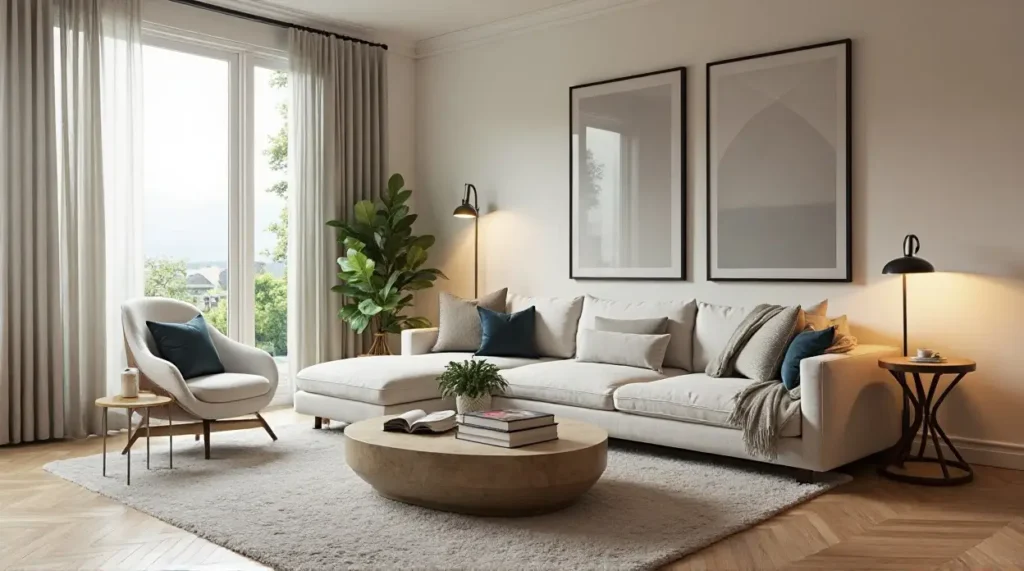
When considering proportion, the Golden Ratio (approximately 1.618) is often cited as an ideal guideline. While not a rigid rule, it provides a framework for harmonious relationships between dimensions. For instance, in a living room, the height of the coffee table should be proportionally related to the height of the sofa and the overall room dimensions. In terms of scale, ensure that furniture and décor are appropriately sized for the space. A large, oversized sofa in a small apartment will overwhelm the room, while a tiny rug in a vast living room will look insignificant. Careful measurement and planning are essential for achieving proper proportion and scale.
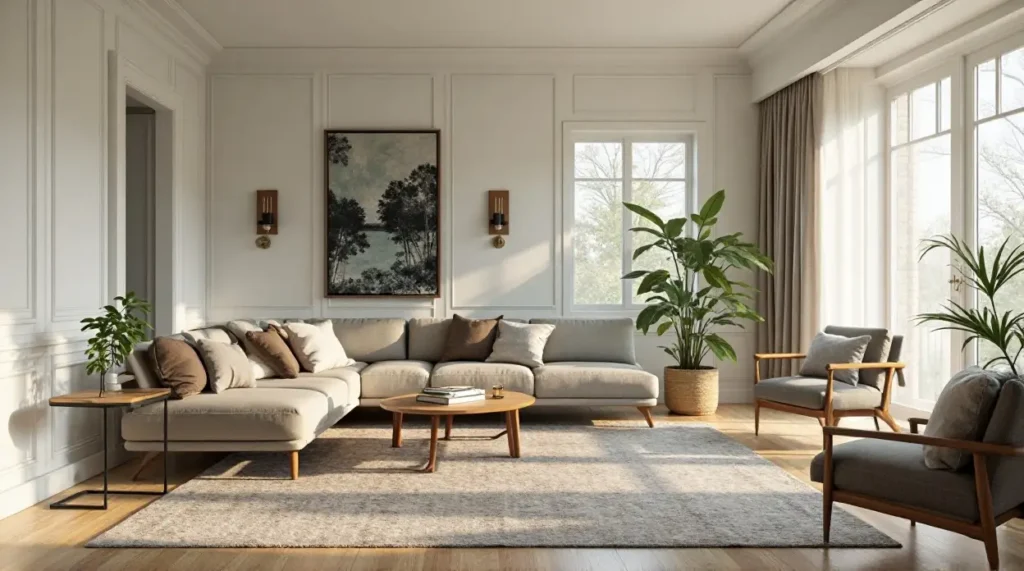
Pitfalls to avoid include overcrowding a small space with oversized furniture, using undersized rugs that make a room feel disjointed, and failing to consider ceiling height when selecting light fixtures. When selecting décor and furnishings, consider using visual aids like 3D models or floor plans to assess the overall impact of each item.
Achieving Balance and Harmony in Your Design
Balance and harmony are essential for creating a sense of visual equilibrium and tranquility in a space. Balance can be achieved through symmetry, asymmetry, or radial arrangements. Symmetrical balance involves mirroring elements on either side of a central axis, which creates a formal and traditional feel. Asymmetrical balance, on the other hand, achieves equilibrium through the use of different elements of varying visual weight. For example, a large piece of art on one wall can be balanced by a grouping of smaller decorative items on the opposite wall. Radial balance involves arranging elements around a central point, often used in dining rooms or foyers.
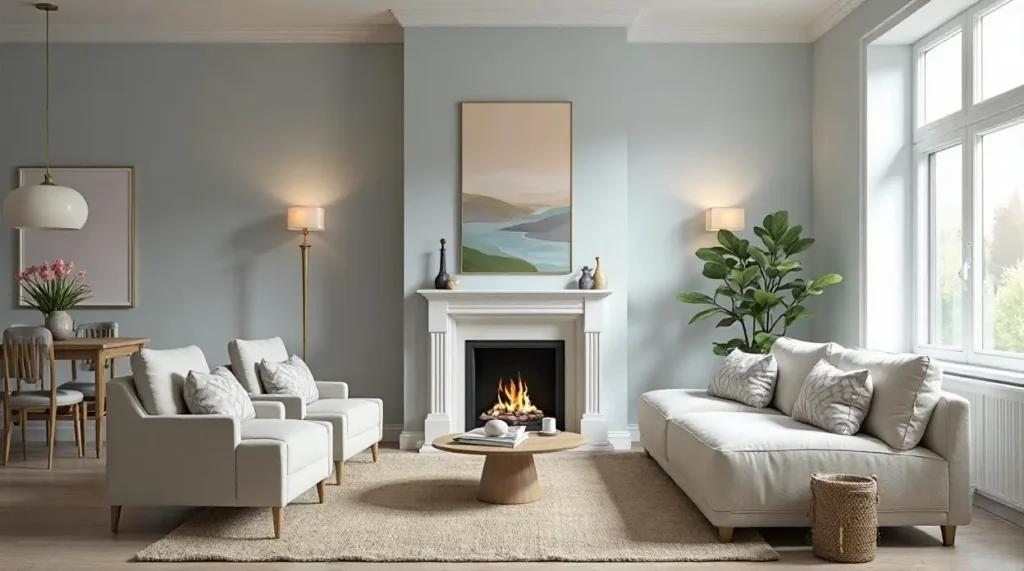
Harmony is created by using a consistent color palette, similar textures, and repeating patterns throughout the design. This doesn’t mean everything must be identical; instead, elements should complement each other and create a cohesive whole. Consider the emotional impact of your choices. Cool colors tend to create a calming atmosphere, while warm colors can evoke feelings of energy and excitement. Carefully selected accent colors can also add visual interest and depth without disrupting the overall harmony.
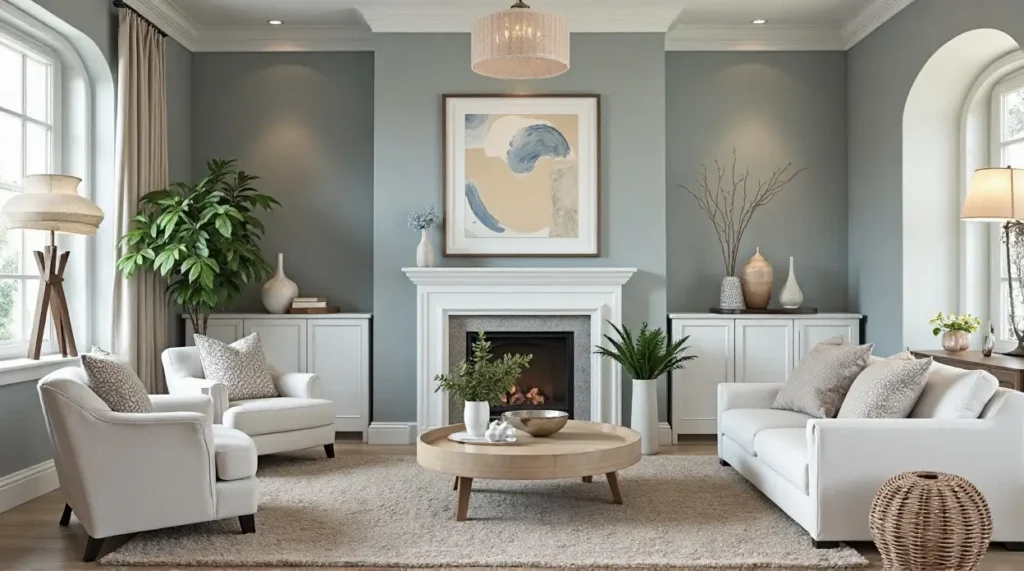
Pitfalls to avoid include creating spaces that feel cluttered or chaotic due to a lack of cohesive color scheme, overlooking the importance of texture, and creating imbalance by overloading one area of a room. Don’t forget to consider the flow of the space and how people will move through it. Ensure that furniture is arranged in a way that promotes comfortable and intuitive movement.
Using Contrast to Create Visual Interest
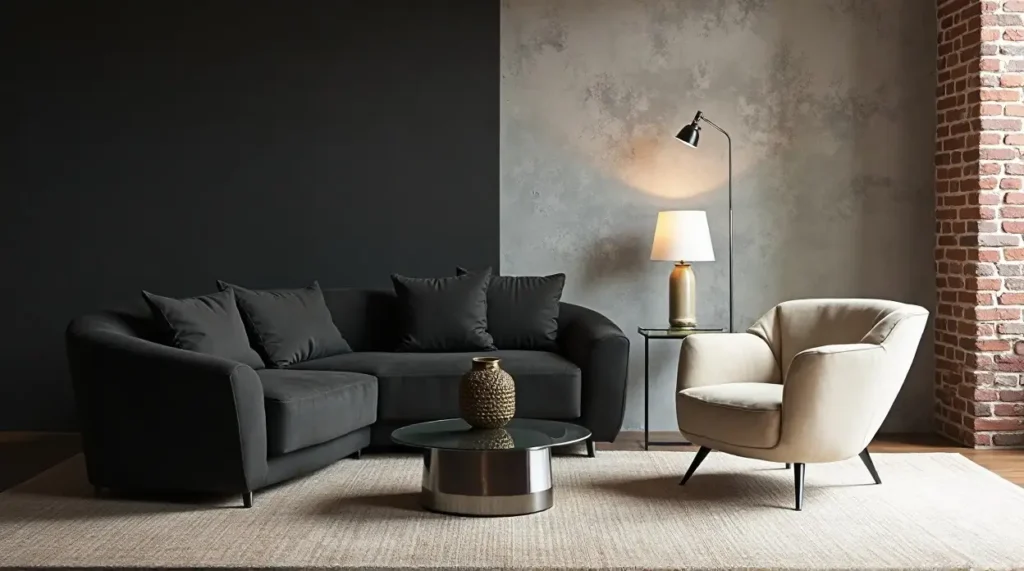
While balance and harmony provide a sense of calm, contrast is crucial for preventing a design from feeling monotonous and bland. Contrast can be achieved through the use of color, texture, shape, and size. High-contrast color schemes, such as black and white, can create a dramatic and modern look. However, it’s important to balance bold contrasts with neutral tones to prevent visual fatigue. Contrast can also be introduced through the use of textures. Combining smooth and rough surfaces, or matte and glossy finishes, can add depth and complexity to a design.
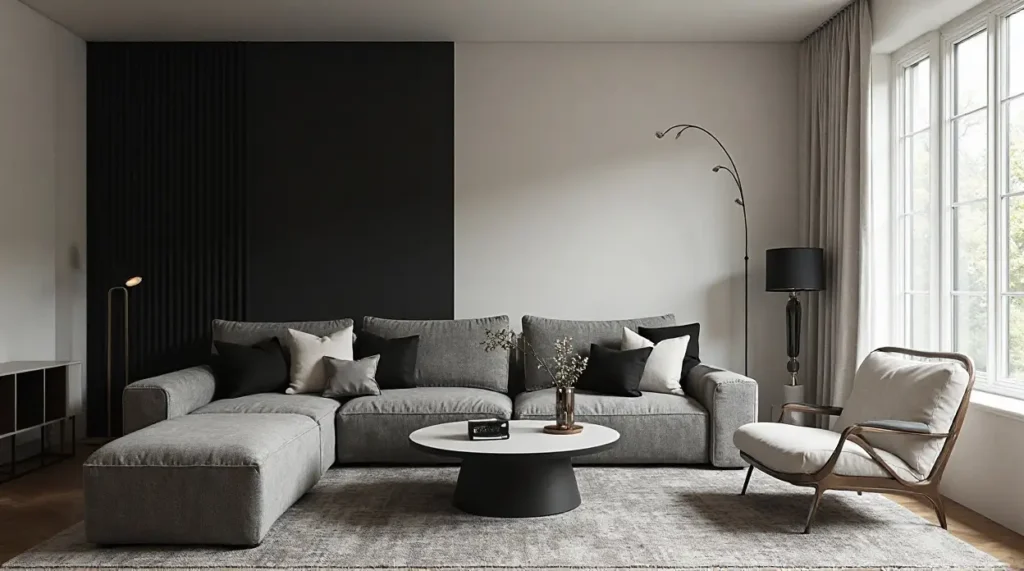
Shape and size can also be used to create contrast. Juxtaposing geometric and organic shapes, or placing a large object next to a smaller one, can create visual interest and draw the eye. Consider the placement of lighting when using contrast. Strategic lighting can highlight certain features and create shadows that add depth and dimension to the space. For example, placing a spotlight on a textured wall can accentuate its tactile qualities. Incorporating vintage pieces alongside modern furniture can also inject personality and history into a space.
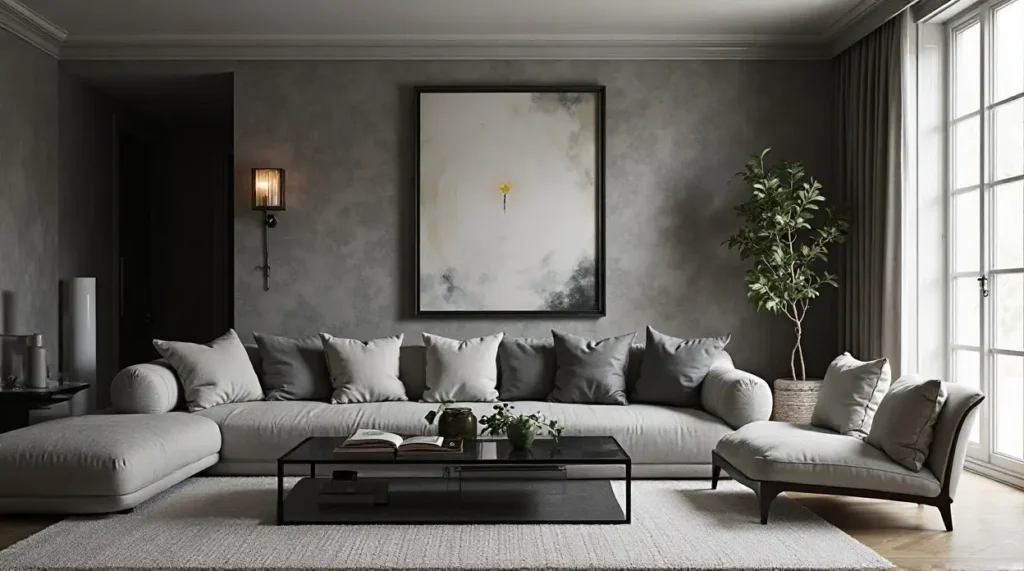
Pitfalls to avoid include using too much contrast, which can create a jarring and overwhelming effect, failing to balance bold contrasts with neutral tones, and overlooking the importance of scale. Remember that contrast should be used intentionally to highlight specific features and create focal points within the design. Remember also that contrast doesn’t have to be overwhelming. Even subtle variations in color and texture can add depth and visual interest.
Staying Ahead of Design Trends: What’s New in 2026?
Emerging Color Trends: Predicting the Hottest Hues
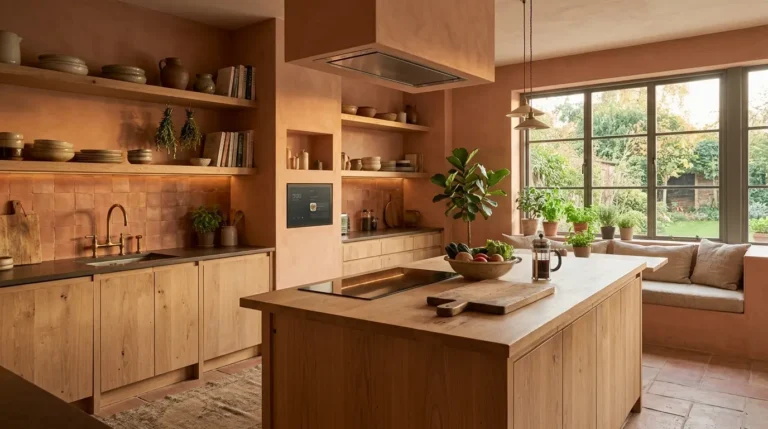
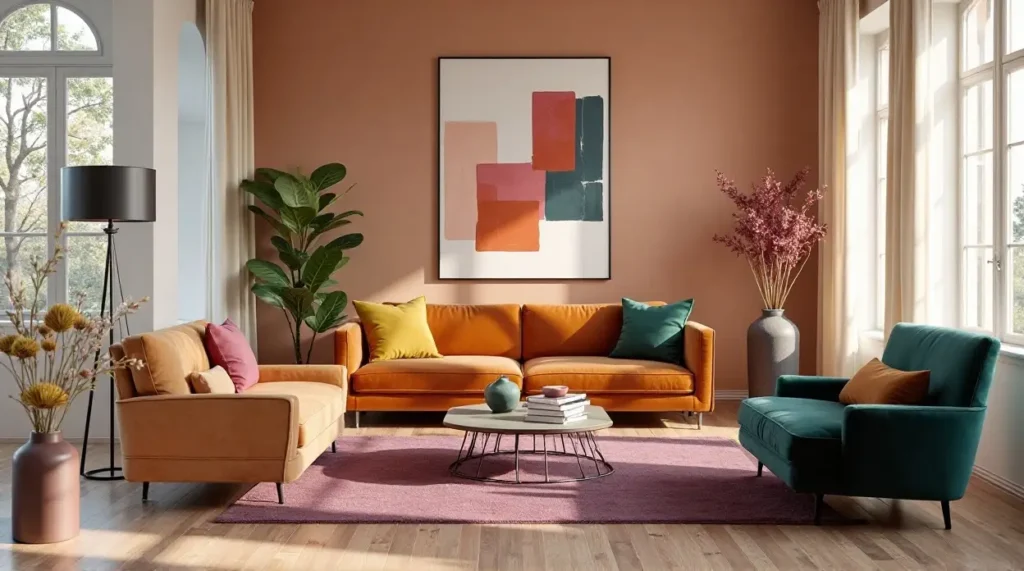
As we move into 2026, several exciting color trends are emerging, moving beyond the previously popular muted tones towards a richer and more expressive palette. Expect to see a surge in the use of warm, earthy tones like terracotta, ochre, and burnt sienna, reflecting a desire for grounding and connection with nature. These hues evoke feelings of warmth and comfort, making them ideal for creating inviting living spaces. In addition, we’re seeing a resurgence of jewel tones such as sapphire blue, emerald green, and amethyst purple. These luxurious colors add a touch of sophistication and elegance to any room.
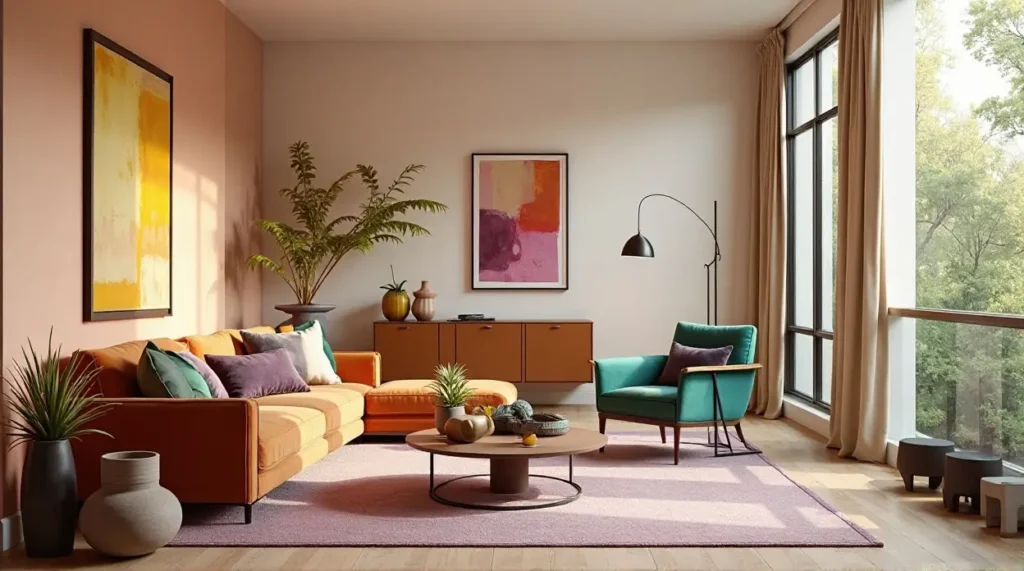
Another key trend is the use of optimistic and energizing colors. Think bright yellows, vibrant oranges, and playful pinks, which can add a sense of joy and positivity to a space. These colors are perfect for accent walls, furniture, or accessories. It is important, however, to use these bold colors sparingly to avoid overwhelming the room. Consider combining them with neutral backgrounds to create a balanced and harmonious look. When selecting colors, also consider the lighting in the space. Natural light can enhance certain colors, while artificial light can alter their appearance. Always test paint colors in the actual space before committing to a large-scale project. This will help you ensure that the colors look as expected and create the desired effect.
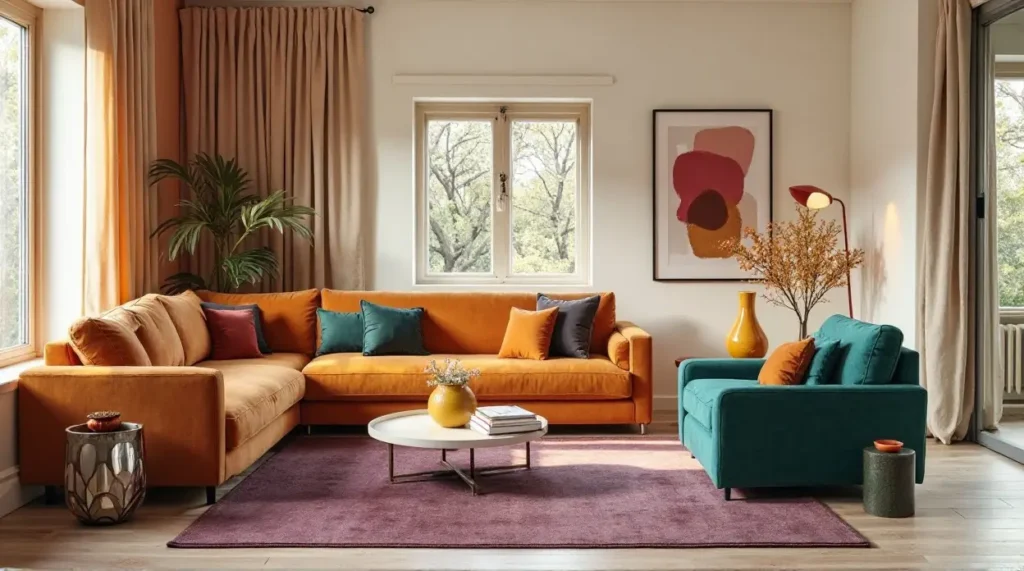
Pitfalls to avoid include using trendy colors without considering their long-term appeal, failing to balance bold colors with neutral tones, and overlooking the importance of lighting. It’s always wise to incorporate trends strategically, using them in ways that enhance your overall design rather than dominate it.
Sustainable Design Innovations: Eco-Friendly Materials and Technologies
Sustainability is no longer a trend but a fundamental aspect of modern design. In 2026, we’re seeing even greater advancements in eco-friendly materials and technologies. One major development is the increased use of recycled and reclaimed materials. From recycled plastic furniture to reclaimed wood flooring, these materials offer a sustainable and stylish alternative to traditional options. Another exciting innovation is the development of bio-based materials, such as mushroom packaging and seaweed textiles. These materials are renewable, biodegradable, and have a significantly lower environmental nmental impact than conventional materials. The organization Material ConneXion serves as an excellent resource for architects and designers seeking to understand and incorporate sustainable materials.
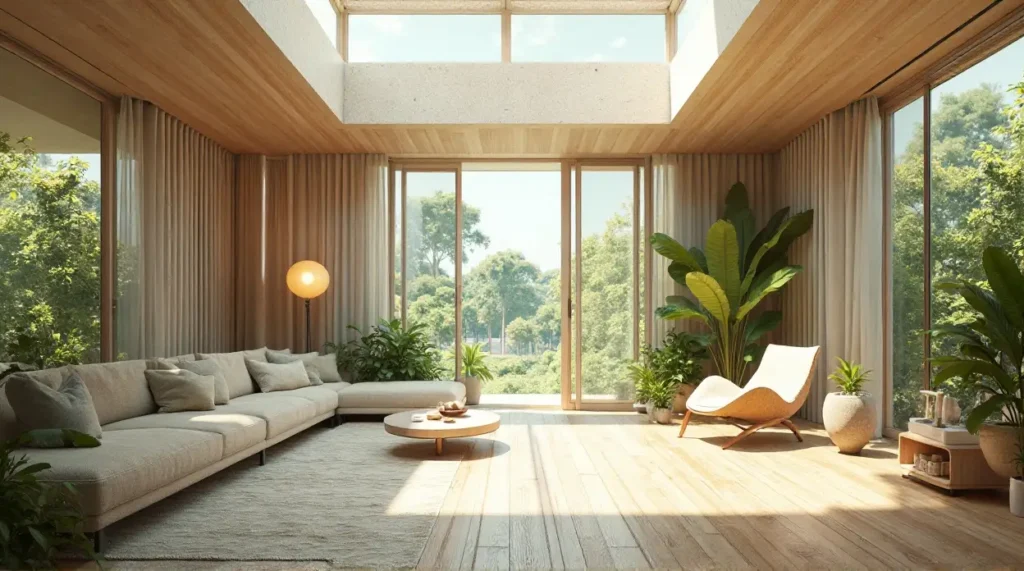
Energy efficiency is also a key focus of sustainable design. Smart home technologies, such as automated lighting and temperature control systems, can help reduce energy consumption and lower utility bills. Solar panels and other renewable energy sources are becoming increasingly affordable and accessible, making it easier for homeowners to generate their own clean energy. Consider incorporating passive design strategies, such as proper insulation, natural ventilation, and solar shading, to further reduce energy consumption. When selecting materials, look for products with environmental certifications, such as LEED or Energy Star. These certifications ensure that the products meet certain environmental performance standards.
Pitfalls to avoid include greenwashing (marketing a product as eco-friendly when it’s not), failing to consider the entire life cycle of a product, and overlooking the importance of energy efficiency. Remember that sustainable design is a holistic approach that considers the environmental, social, and economic impacts of a design.
The Rise of Biophilic Design: Connecting with Nature Indoors
Biophilic design, which focuses on connecting people with nature within the built environment, is gaining significant traction in 2026. This approach recognizes the innate human need for connection with the natural world and seeks to incorporate natural elements into design to improve well-being and productivity. Examples include incorporating natural light, ventilation, and views of nature, using natural materials such as wood and stone, and introducing plants and water features. Bringing the outdoors in helps reduce stress, improve focus, and enhance overall mood.
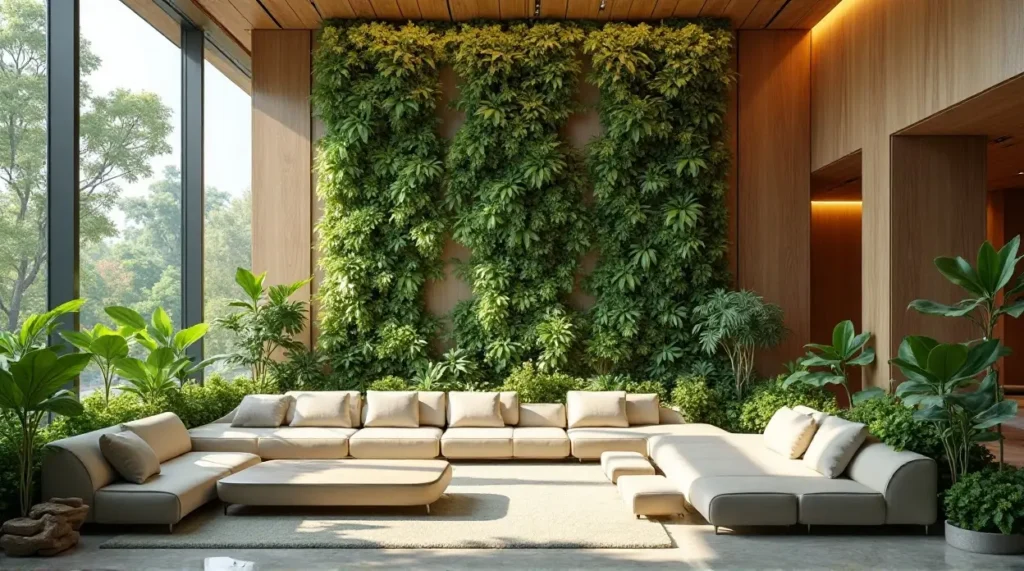
Integrating plants is a cornerstone of biophilic design. Consider using a variety of plants with different textures, colors, and sizes to create a visually stimulating environment. Vertical gardens and green walls are also becoming increasingly popular, especially in urban environments where space is limited. In addition to plants, consider incorporating natural patterns and textures into the design. This can be achieved through the use of natural materials, such as wood and stone, or through the use of biomorphic patterns in textiles and artwork. Another important aspect of biophilic design is creating spaces that are stimulating and inviting.
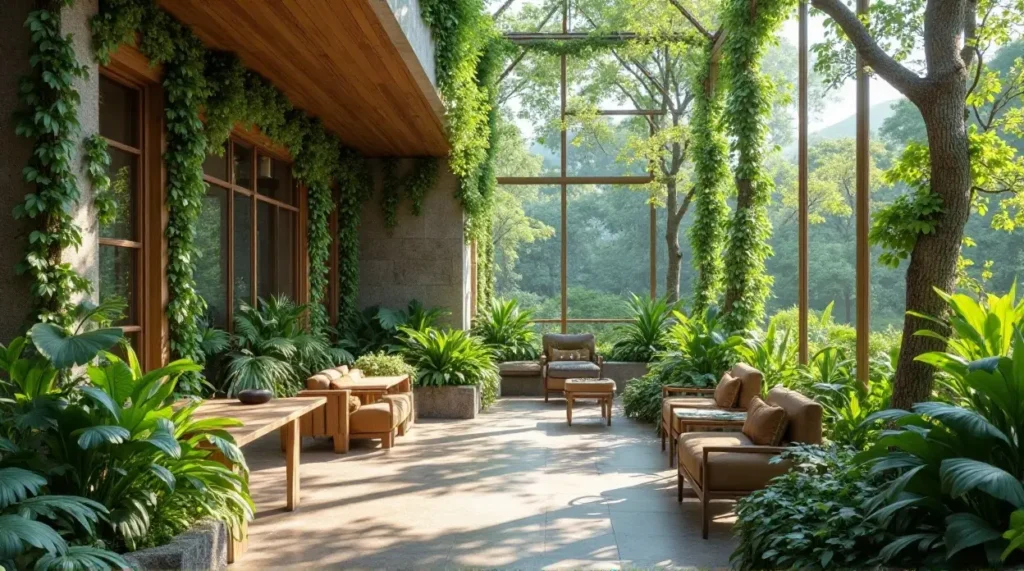
Pitfalls to avoid include failing to consider the maintenance requirements of plants, using artificial plants that don’t provide the same benefits as real plants, and overlooking the importance of natural light and ventilation. Remember that biophilic design is about creating a holistic connection with nature that engages all the senses.
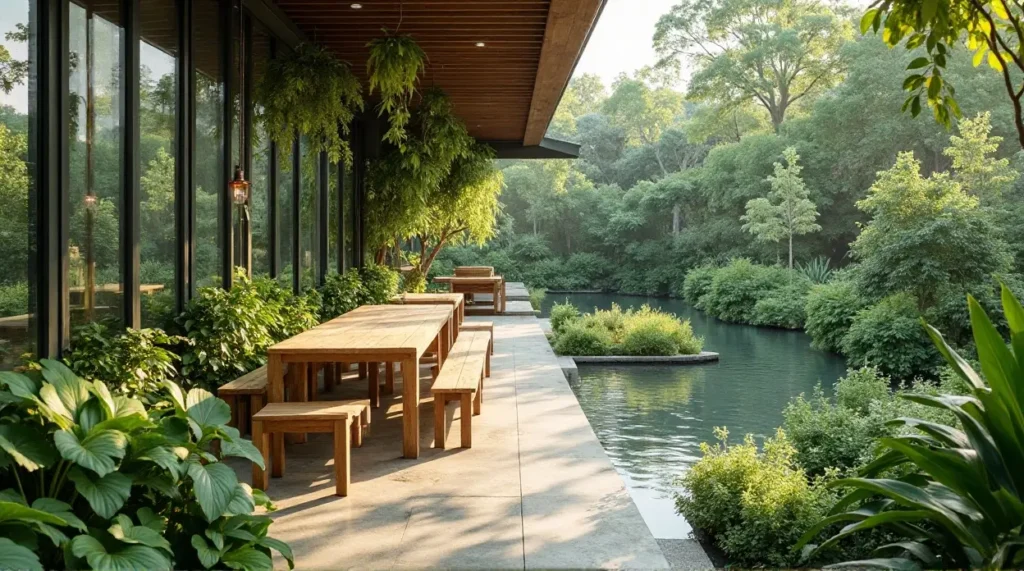
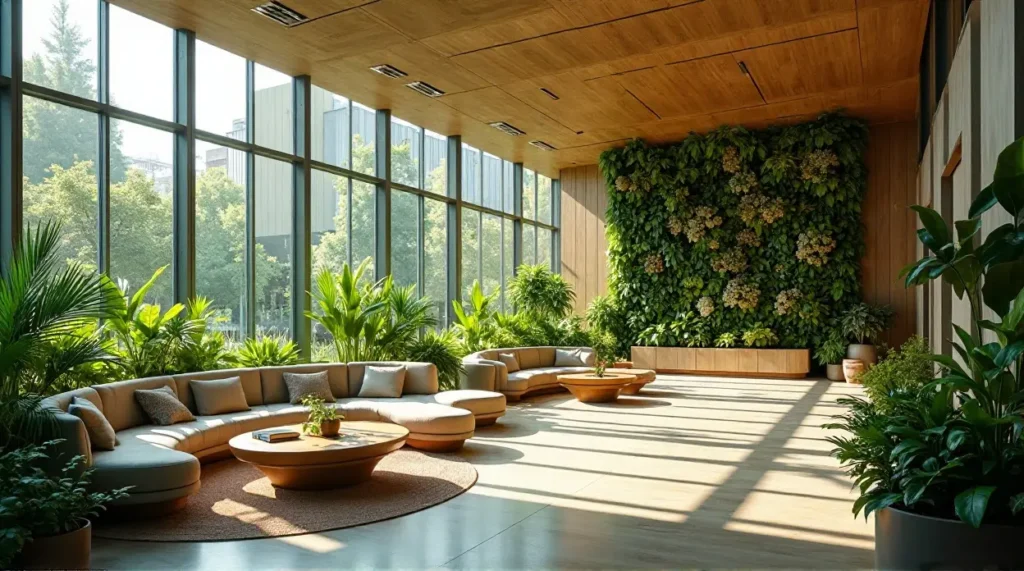
This review highlights key design principles and emerging trends poised to shape interiors and exteriors. From timeless fundamentals like proportion and balance to forward-thinking concepts like sustainability and biophilic design, these ideas offer a wealth of inspiration for creating spaces that are not only visually appealing but also functional and conducive to well-being.
About the Author