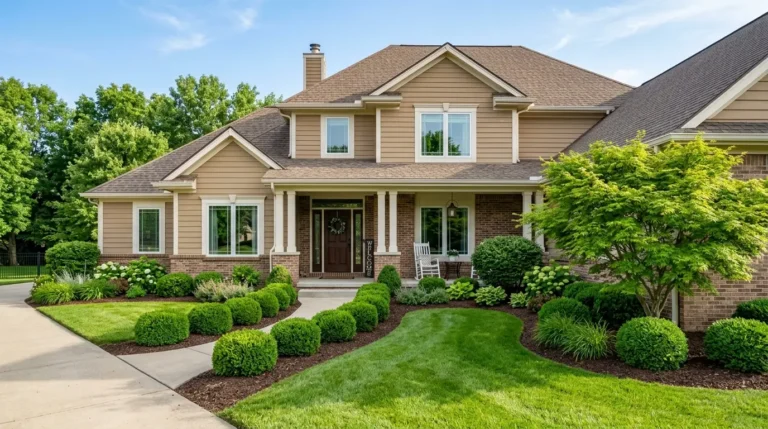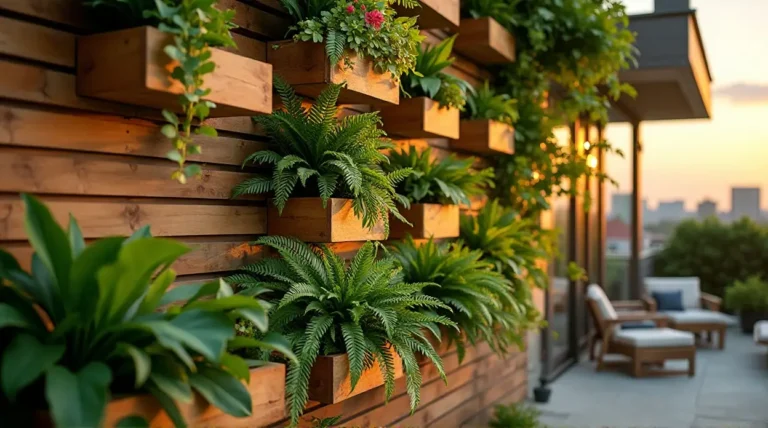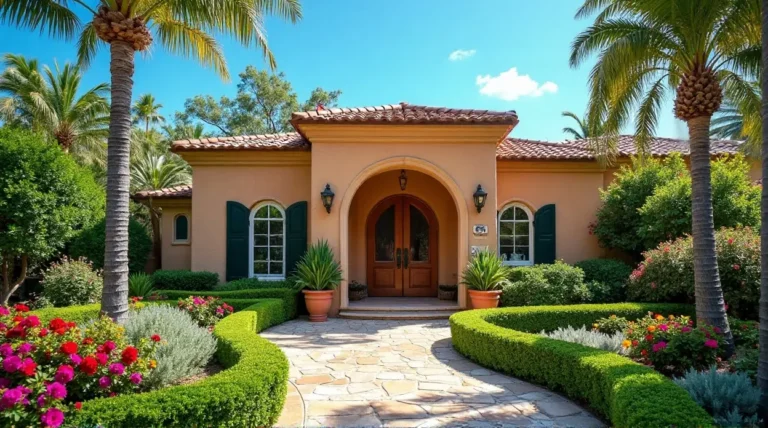
Creating a front yard flower garden is a beautiful way to enhance curb appeal and express personal style. However, achieving a harmonious balance between aesthetics and functionality is crucial for prolonging the garden’s beauty and ensuring it serves its intended purpose. This article gathers insights from landscape designers on how to design a front yard flower garden that is both visually stunning and practical.
The Importance of Aesthetic Appeal
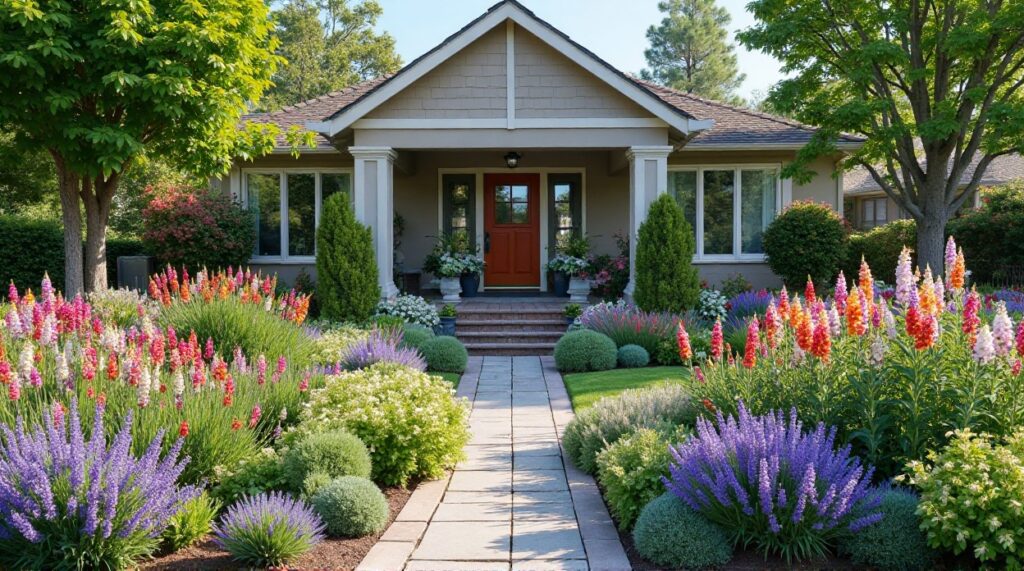
Visual Impact: A well-designed flower garden sets the tone for the home, offering a warm welcome to visitors and enhancing the casual charm of the neighborhood. A vibrant palette, interesting textures, and thoughtful layout can create a captivating visual display.
Community Value: Aesthetic gardens contribute positively to the neighborhood’s character, encouraging community pride and inspiring others to invest in their outdoor spaces. This collective effort improves overall property values within a community.
Balancing Aesthetics with Functionality
1. Practical Plant Selection
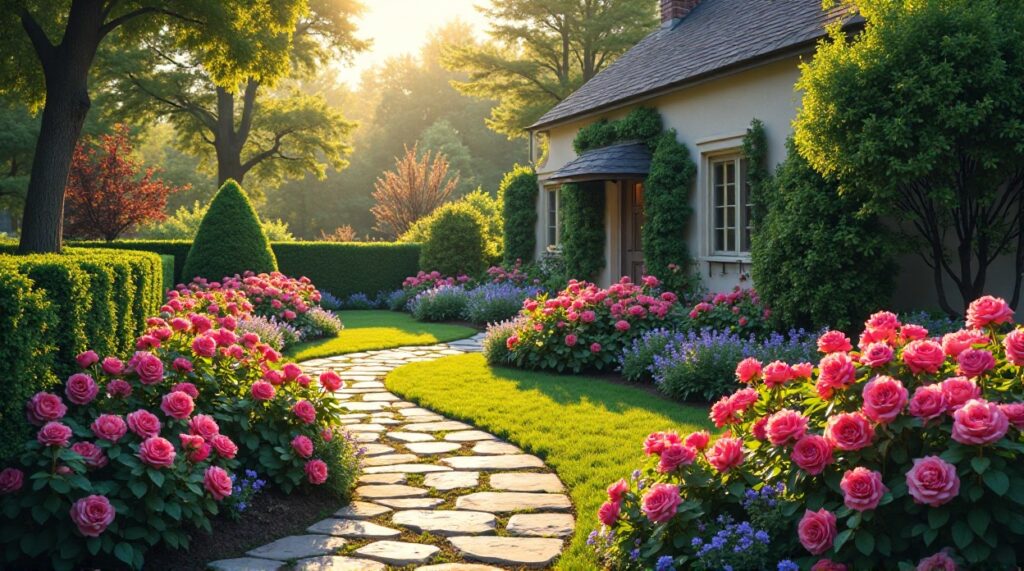
Insight from Designers: “Choose plants not just based on color, size, or blooming season, but also on their maintenance needs and resilience to local climate conditions.” According to landscape designers, selecting native plants can improve sustainability, as these species are typically better adapted to local soil, weather, and pests.
- Low-Maintenance Options: Incorporate plants that require minimal care, such as drought-resistant flowers or perennials that bloom without excessive pruning. This minimizes upkeep while maintaining beauty.
- Seasonality: Choose a variety of plants that bloom at different times throughout the year, ensuring ongoing visual interest without requiring constant replanting.
2. Accessibility and Flow
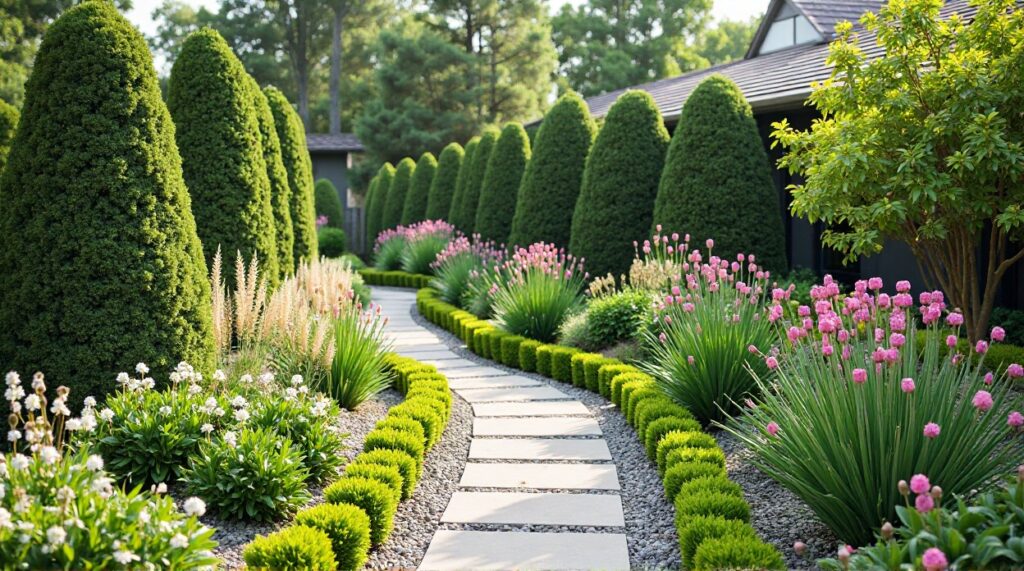
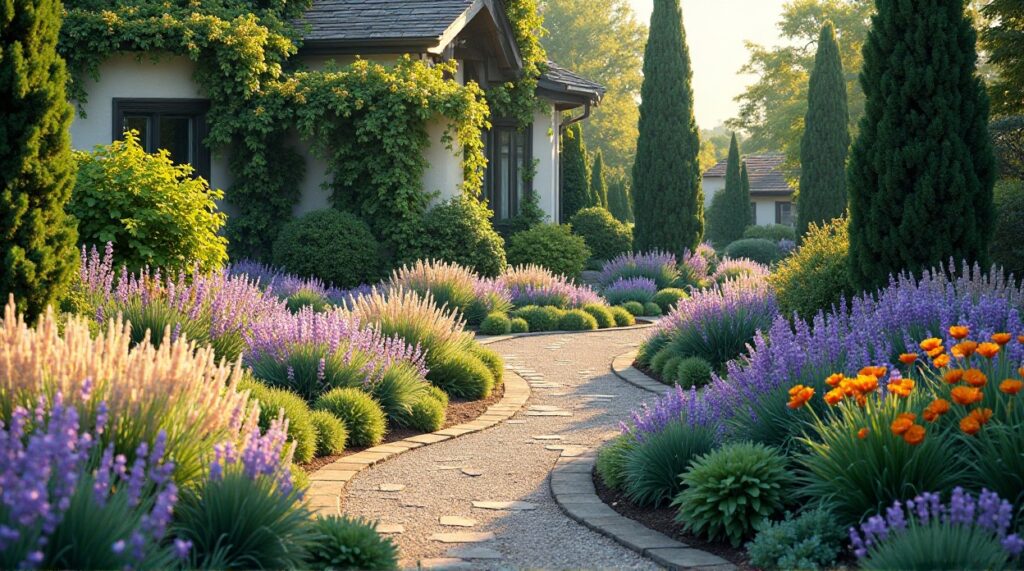
Creating Pathways: A functional flower garden should invite exploration. Designers suggest implementing clear, well-defined paths that allow visitors to navigate the garden without trampling plants.
- Material Choices: Opt for materials like brick, stone, or decomposed granite to create durable, attractive pathways. These materials also significantly reduce maintenance needs related to grass growth and weed control.
- Path Width: Paths should be wide enough for comfortable movement, especially if a garden has a high foot traffic or needs to accommodate maintenance equipment.
3. Combining Beauty with Usability
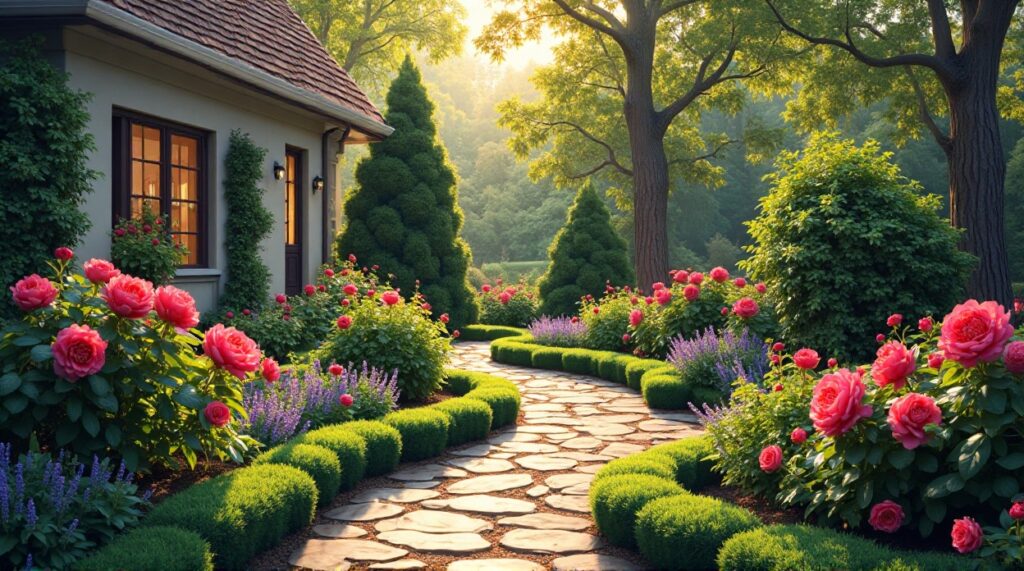
Focal Points and Features: Incorporating elements that serve multiple purposes can enhance both aesthetics and functionality. “Consider adding benches, arbors, or decorative trellises that provide visual interest while doubling as seating or support for climbing plants,” a landscape designer emphasizes.
- Integrative Design: Enhance beauty with utility, such as using attractive planters for herbs or edible flowers that can also be harvested, blending functionality with garden beauty.
4. Maintenance Considerations
Simplified Care: Aesthetic gardens require thoughtful planning regarding maintenance.
- Distribution of Plant Care: Group plants with similar watering and sunlight needs to simplify irrigation practices. This reduces the need for extensive maintenance and encourages a thriving garden.
- Mulching: Implementing mulch can help retain soil moisture, suppress weeds, and provide a uniform look, marrying both aesthetics and practicality.
5. Seasonal Changes and Adaptability
Flexibility in Design: Make design choices that allow for seasonal changes, ensuring the garden remains usable and visually appealing throughout the year.
- Year-Round Appeal: Incorporate evergreens or ornamental grasses that provide structure and color even when flowering plants are dormant.
- Seasonal Planting: Design areas to accommodate seasonal flowers, which can be rotated throughout the year, ensuring adaptability without compromising aesthetic goals.
Conclusion
Creating a front yard flower garden is an opportunity to blend beauty with functionality. By prioritizing practical plant selection, creating accessible pathways, integrating multi-functional features, and considering maintenance needs, homeowners can design gardens that not only enhance aesthetics but are also practical and inviting. Insights from landscape designers highlight the balance between visual appeal and everyday usability, ensuring that your front yard flower garden remains a stunning focal point for years to come. Ultimately, a well-planned garden is a garden that thrives and brings joy, reflecting your personal style while serving as a beautiful, functional space.
About the Author