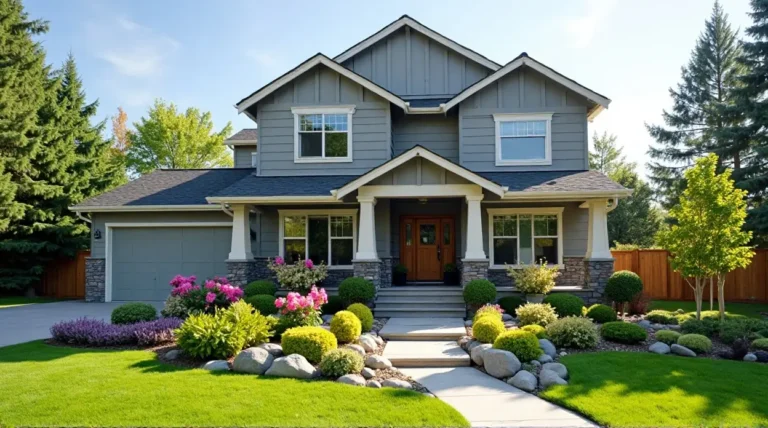
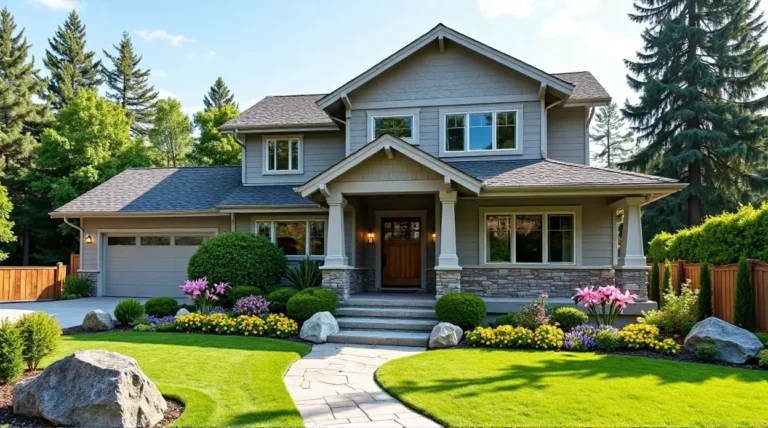
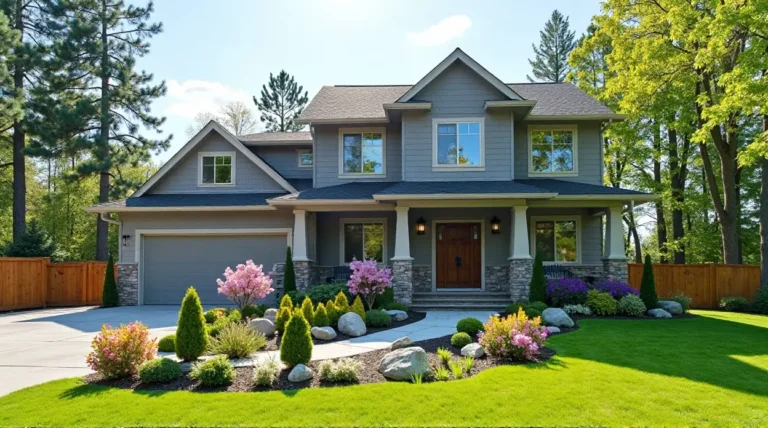
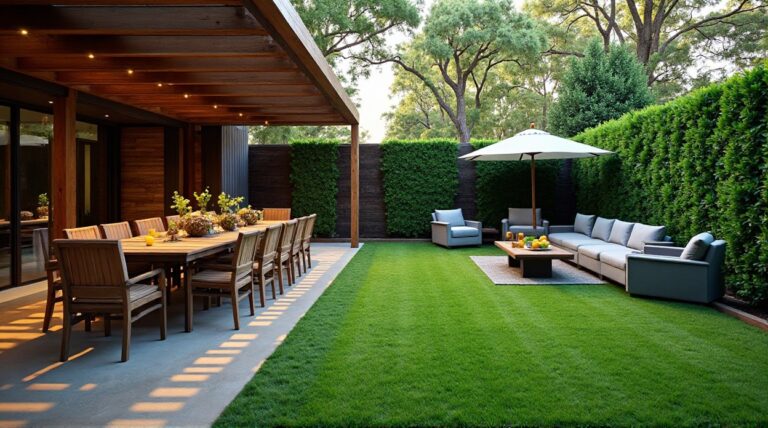
Transform your outdoor space into a cozy garden escape with a well-designed patio oasis that combines comfort...
garden design
design is a multifaceted discipline that combines aesthetics, functionality, and ecological principles to create outdoor spaces. A well-thought-out garden design not enhances the visual of a property but also serves practical purposes such as providing areas for relaxation, recreation, and even food production The process begins with assessing the specific environment, including soil quality, sunlight exposure, and climate conditions, ensuring that the chosen plants and materials will thrive in their settings. By integrating these, designers can create gardens that are both beautiful and sustainable.
In the realm garden design, the use of elements such as color, texture, and form is crucial to establishing a cohesive theme that resonates with the intended atmosphere. For instance, the strategic placement of flowering plants can create focal, while the selection of hardscape materials, such as pathways or wooden decks, can enhance the overall structure of the garden. Furthermore, incorporating features, lighting, and seating areas not only enriches the visual but encourages interaction with the space. Each plays a significant role in the overall design, contributing to a sense of balance and tranquility.
Sustainability is becoming a centralet of modern garden design, as more designers and homeowners the importance of creating eco-friendly spaces. This involves selecting plants that require less water and maintenance, as well as implementing practices like rainwater harvesting and compost. By prioritizing biodiversity and ecological health, garden design not only promotes aesthetic enjoyment but also contributes positively to the environment. As we move forward, the fusion of innovative practices with artistic vision will continue to shape the future of garden design, paving the for greener, more responsible spaces.

Step into a breathtaking scene of “Evergreen Elegance,” where nature’s beauty unfolds in a harmonious blend of...

Pathways play a crucial role in the design of narrow side yards, providing essential access and...

Integrating hardscaping features such as stone borders and gravel pathways into front garden beds can significantly...

Designing a corner garden that remains visually appealing throughout the year requires careful selection of plants,...

A vegetable and cut flower garden serves as a delightful combination of practicality and aesthetic appeal,...