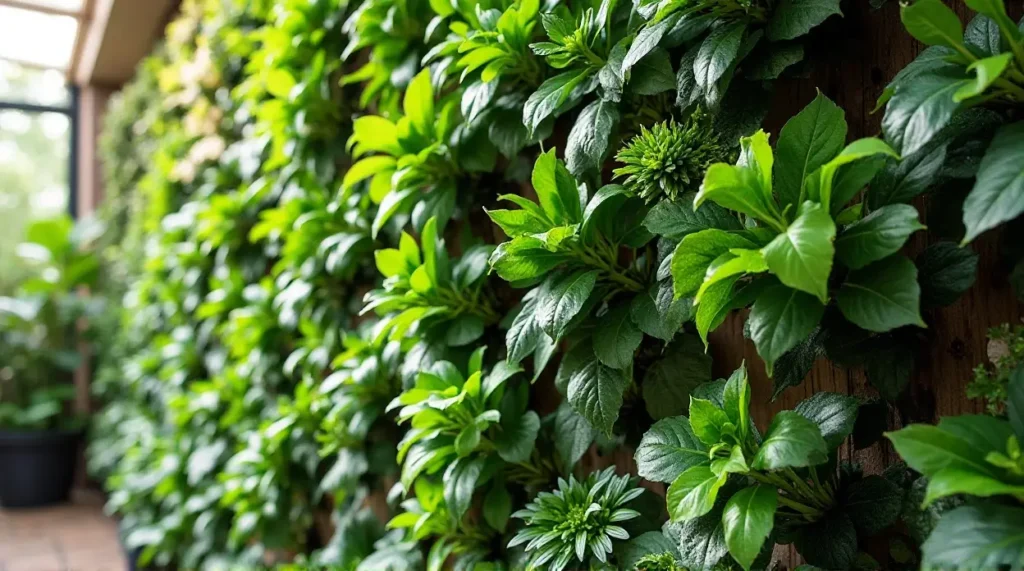
Creating a vibrant vertical garden wall involves not only innovative design but also selecting the right plants that can thrive in a vertical setup. With a variety of options available, it’s essential to consider factors such as maintenance requirements, sunlight exposure, and the desired aesthetic. This guide will provide you with expert advice on choosing the best plants for your vertical garden, including recommendations for low-maintenance options and seasonal plants that will keep your garden dynamic and colorful.
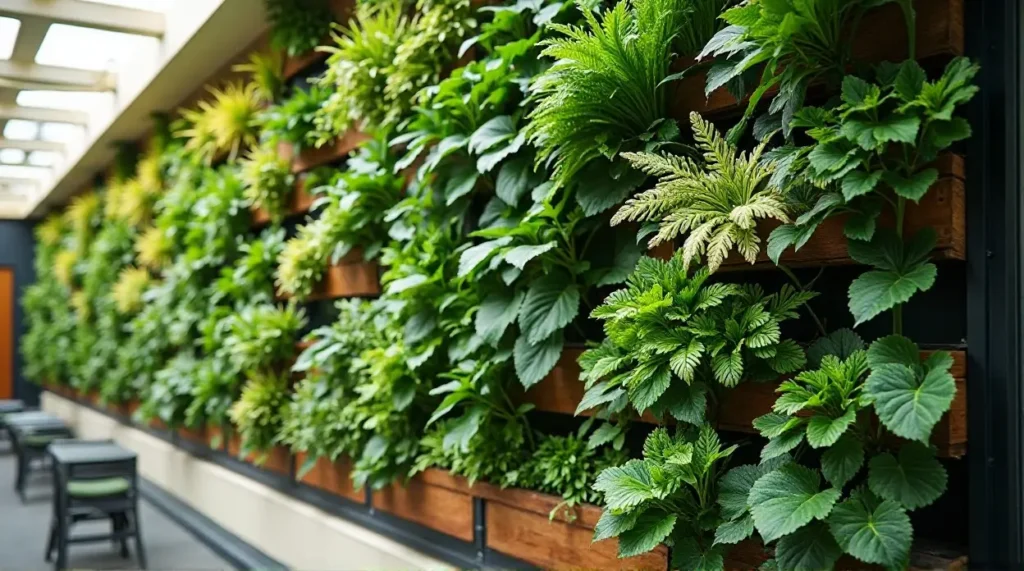
Considerations for Plant Selection
1. Sunlight Exposure
Evaluate the amount of sunlight your vertical garden wall receives. Different plants have varying light requirements, so match your selections to the amount of sun (full sun, partial shade, or full shade) the wall receives throughout the day.
2. Climate and Hardiness Zone
Know your local climate and USDA hardiness zone. This information will help you choose plants that can thrive in your region’s specific weather conditions.
3. Maintenance Level
Decide how much time and effort you want to dedicate to your vertical garden. While some plants are low-maintenance, others may require more frequent care and attention.
4. Watering Needs
Consider the watering requirements of the plants you choose. Some plants thrive on minimal watering, while others may need more moisture, especially in a vertical setup where drainage can be a factor.
Low-Maintenance Plant Options
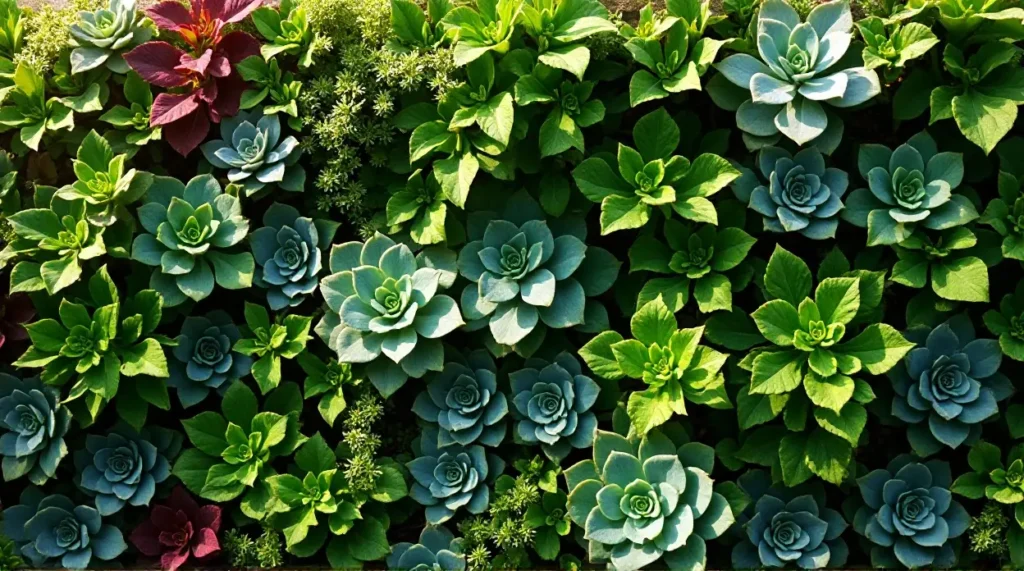
1. Succulents and Cacti
- Examples: Echeveria, Sedum, and Aloe Vera
- Benefits: Succulents are drought-tolerant and require minimal watering, making them perfect for busy gardeners. Their diverse shapes and colors add visual interest to any vertical garden.
2. Ferns
- Examples: Button Fern (Pellaea rotundifolia), Boston Fern (Nephrolepis exaltata)
- Benefits: Ferns thrive in shaded areas and require regular watering, but their lush, feathery foliage creates a vibrant green backdrop with minimal effort.
3. Pothos (Epipremnum aureum)
- Benefits: This hardy trailing vine is known for its ability to adapt to various light conditions and infrequent watering. Pothos brings a rich green hue and can drape beautifully over shelves in your vertical garden.
4. Ivy (Hedera helix)
- Benefits: Highly adaptable and fast-growing, ivy is an excellent climbing plant that does well in various light conditions. Its lush leaves can quickly cover your vertical space, creating a green wall effect.
5. Herbs
- Examples: Basil, Mint, and Thyme
- Benefits: Many herbs are easy to grow, require little space, and are useful in the kitchen. They can thrive in various light conditions, making them a delightful addition to a vertical garden.
Seasonal Plant Options for Dynamic Color
1. Annual Flowers
- Examples: Petunias, Pansies, and Impatiens
- Benefits: These plants provide vibrant colors and can be easily replaced each season to refresh your vertical garden. They thrive in sunny spots and can add cheerful bursts of color.
2. Perennials for Year-Round Interest
- Examples: Heuchera (Coral Bells), Sedum, and Salvia
- Benefits: These hardy plants return each year, providing a stable framework for your vertical garden. They can be combined with annual flowers for seasonal color.
3. Flowering Vines
- Examples: Climbing Roses, Honeysuckle, and Jasmine
- Benefits: These vining plants can add height and fragrance to your vertical garden. They produce beautiful flowers that can attract pollinators, enriching the garden’s ecology.
4. Ornamental Grasses
- Examples: Blue Fescue, Japanese Forest Grass
- Benefits: Grasses add texture and movement to your vertical garden. They can provide color variations throughout the seasons, as many grasses change hues with the changing weather.
5. Colorful Foliage Plants
- Examples: Coleus, Caladium, and Ti Plant
- Benefits: These plants offer striking colors and patterns in their leaves, bringing life and excitement to vertical gardens even when flowers are not in bloom.
Conclusion
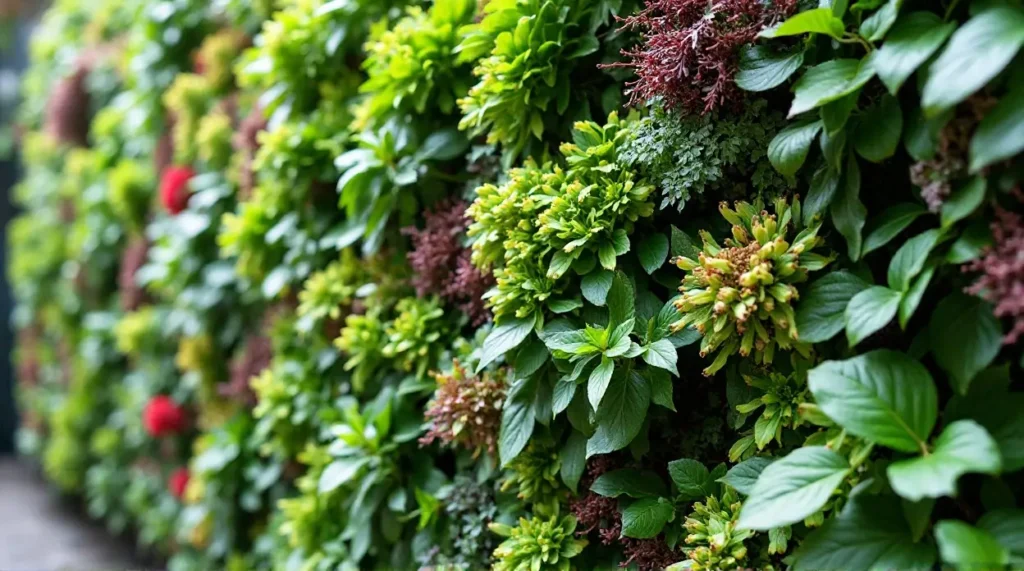
Designing a vertical garden wall is an exciting opportunity to bring vibrant greenery into your space while utilizing limited areas effectively. By carefully choosing the right plants based on sunlight exposure, climate needs, and maintenance levels, you can create a thriving green wall that not only enhances your outdoor aesthetic but also promotes a sense of well-being. Whether you opt for low-maintenance succulents or seasonal flowering plants, your vertical garden will be an ever-evolving canvas of nature’s beauty. Embrace the possibilities and transform your vertical space into a lush paradise!
About the Author