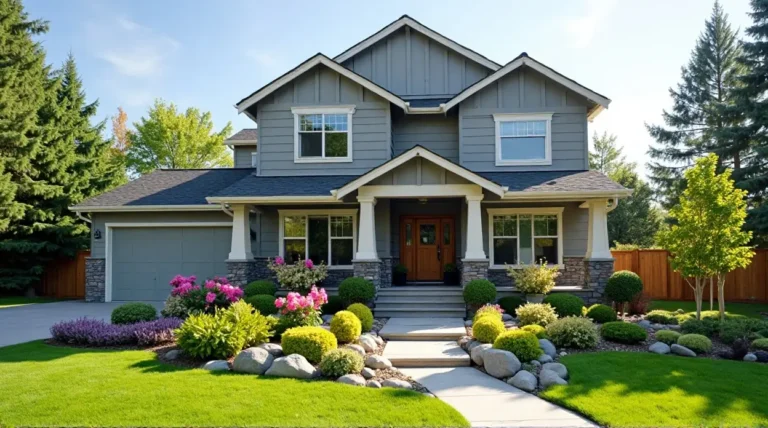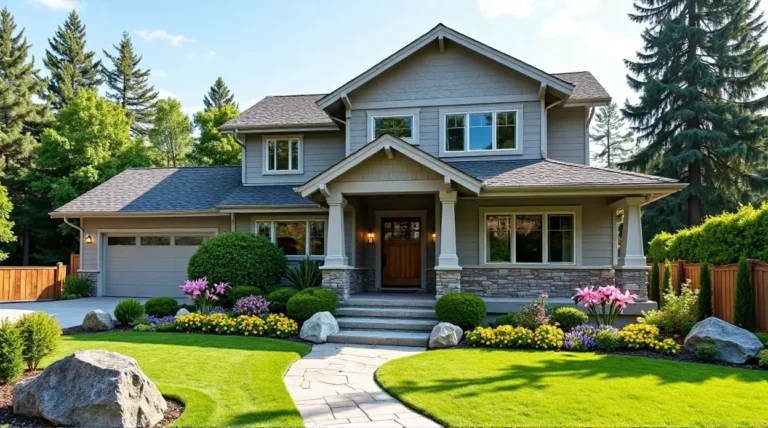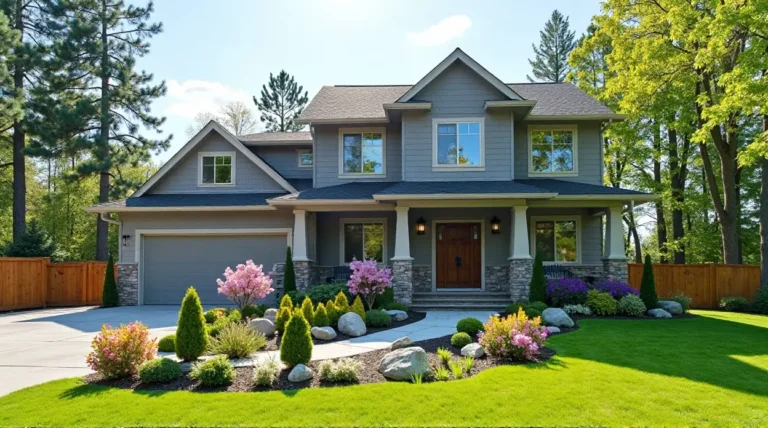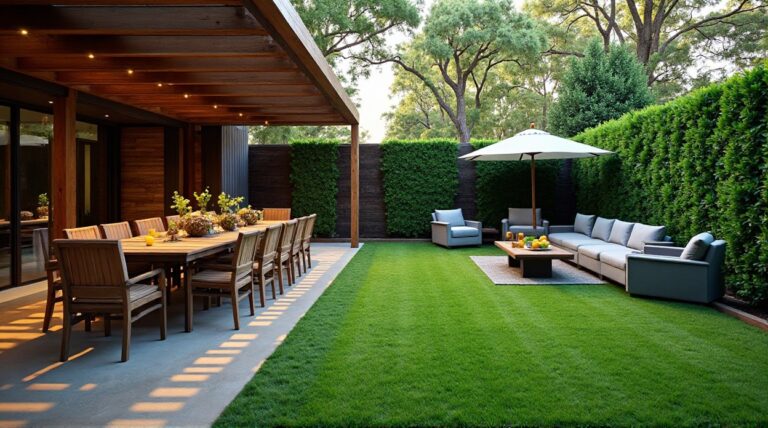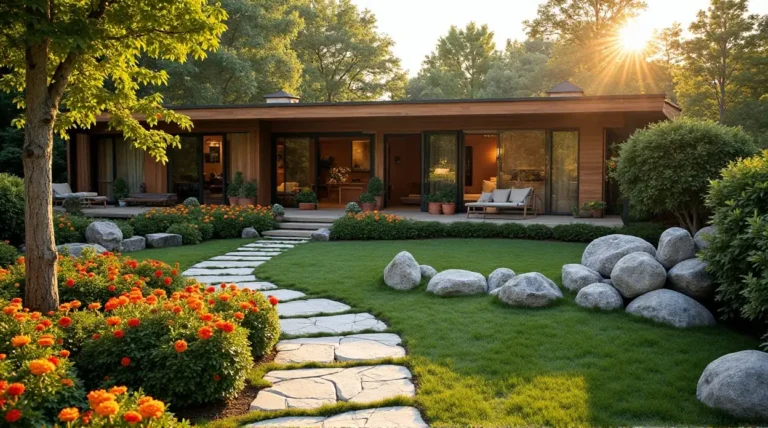
In this serene garden scene, a harmonious retreat unfolds between two modern wooden houses, beautifully integrated into...
landscape design
Landscape design is a multifaceted discipline that combines art and science to create functional and aesthetically pleasing outdoor spaces. It involves a comprehensive understanding of various elements, including topography, vegetation, climate, and human activity. Professional landscape designers assess the unique characteristics of a site and incorporate sustainable practices to enhance the environment while meeting the needs of clients. By integrating natural and built, landscape design fosters a harmonious relationship between people and their surroundings, promoting both ecological balance and visual appeal.
the realm of design, the of plants and materials plays a crucial role in achieving the desired outcome Designers must consider factors such as soil type, microclimates, and maintenance requirements when choosing vegetation a. Furthermore, the use of hardscaping—such as pathways, terraces, outdoor structures—can significantly the functionality and of a landscape. A well-executed design not only enhances the beauty of a property but also increases its value, making it essential for homeowners and businesses alike.
Effective landscape design also emphasizes the importance sustainability and environmental stewardship. Professionals in this field often prioritize eco-friendly practices, as using native that require less and maintenance or implementing rain to manage stormwater runoff. By adopting sustainable, landscape designers contribute to the preservation of local and the reduction of carbon footprints. Ultimately, a thoughtful design not only transforms outdoor spaces into inviting retreats but also fosters a greater appreciation for nature encourages responsible stewardship of the environment.
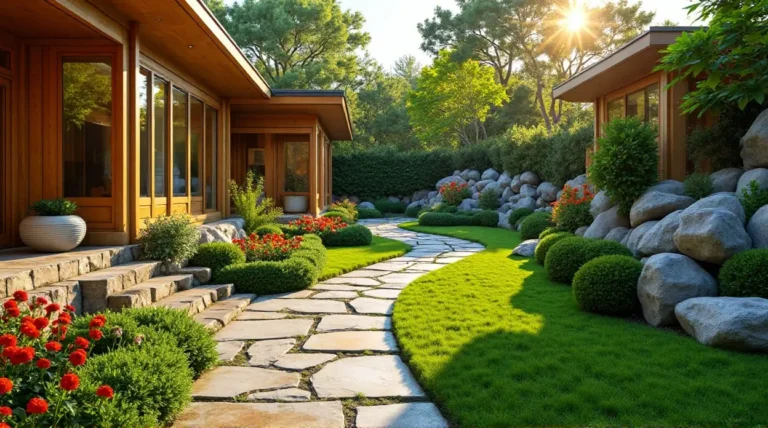
In this serene garden scene, a modern wooden house stands as a beacon of contemporary design, embraced...
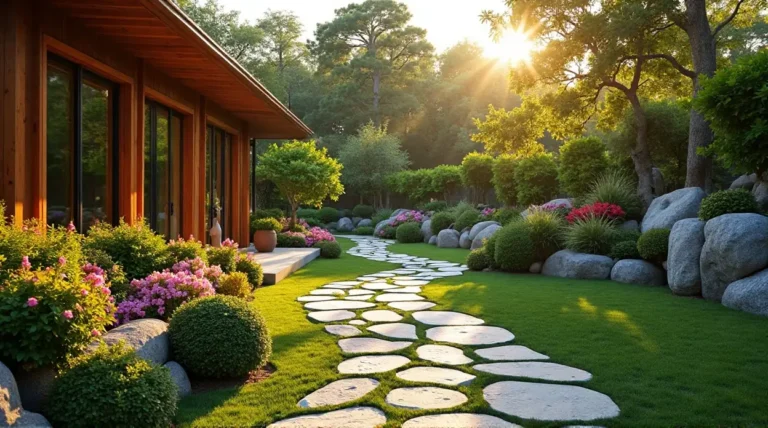
Nestled within a meticulously crafted landscape, this modern wooden home exemplifies contemporary architecture that harmonizes beautifully with...

Imagine stepping into an enchanting garden where a meticulously designed curving stone pathway invites you to explore...

Layering is a fundamental principle of landscape design that enhances depth, dimension, and visual interest in a...

“Harmony in Design” beautifully showcases the fusion of modern gray siding with a lush garden escape. This...

In this serene garden scene, a contemporary wooden retreat emerges, beautifully positioned amidst vibrant gardens. The design...

In this idyllic garden scene, a beautifully crafted stone waterfall serves as the centerpiece, creating a tranquil...

Imagine stepping into a serene outdoor space where nature meets meticulous design. Adjacent to a charming light...

Small gardens can pose unique challenges, but with clever design strategies, corners can be transformed into...