As we progress through 2026, the role of lighting in modern living room design has become increasingly crucial. No longer viewed merely as a necessity, lighting is recognized for its transformative power to enhance mood, functionality, and the overall aesthetic of a space. The latest trends in fixtures, smart lighting solutions, and ambient lighting techniques are reshaping how we illuminate our homes, making them more versatile and inviting. Here’s a look at how these innovations are brightening up modern living rooms.
The Transformative Power of Lighting
- Enhancing Mood
Lighting has a profound impact on our emotions and well-being. The ability to control brightness and color temperature can create the perfect atmosphere for any activity, whether it’s a cozy movie night, a productive work session, or a lively gathering with friends. - Maximizing Functionality
Proper lighting optimizes functionality within living spaces. Layering different types of lighting—ambient, task, and accent—can address various needs, such as focused work or warm gatherings. This multifaceted approach ensures that every corner of the room serves its purpose effectively. - Highlighting Architectural Features
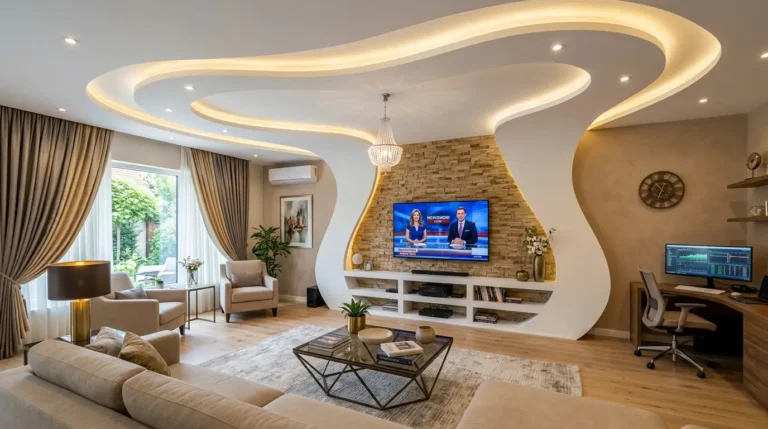
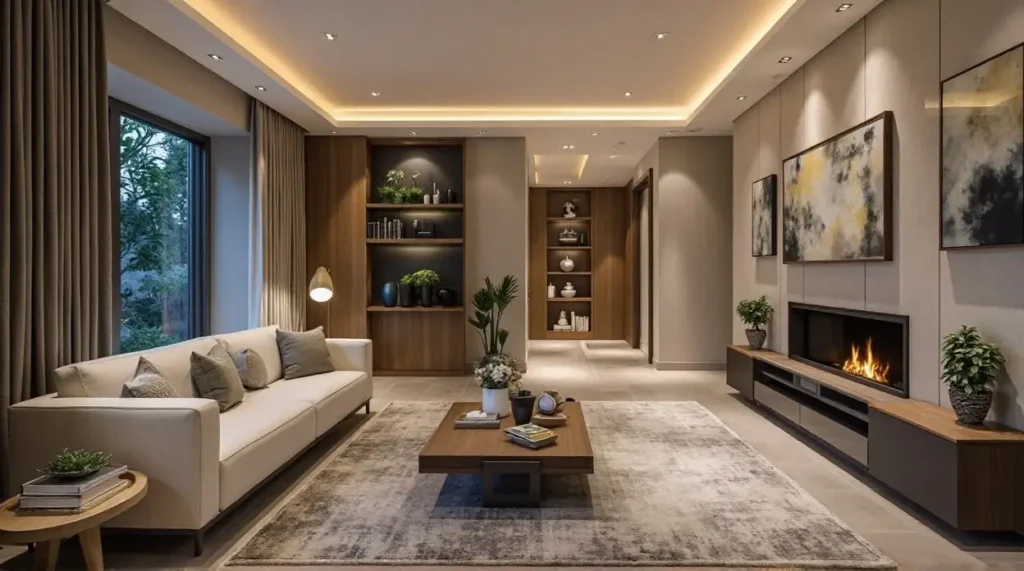
Strategically placed lighting can showcase the unique architectural elements of a living room, from elegant moldings to innovative design features. Lighting can act as a spotlight on elements like accent walls, artwork, and furniture arrangements, adding depth and character to the space.
Latest Trends in Lighting Fixtures
- Sculptural and Artistic Fixtures
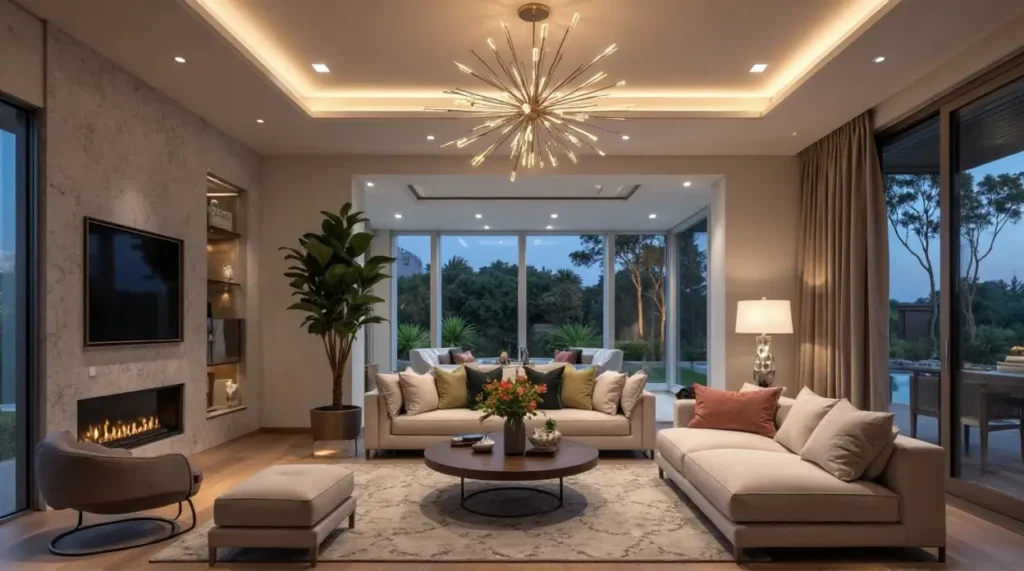
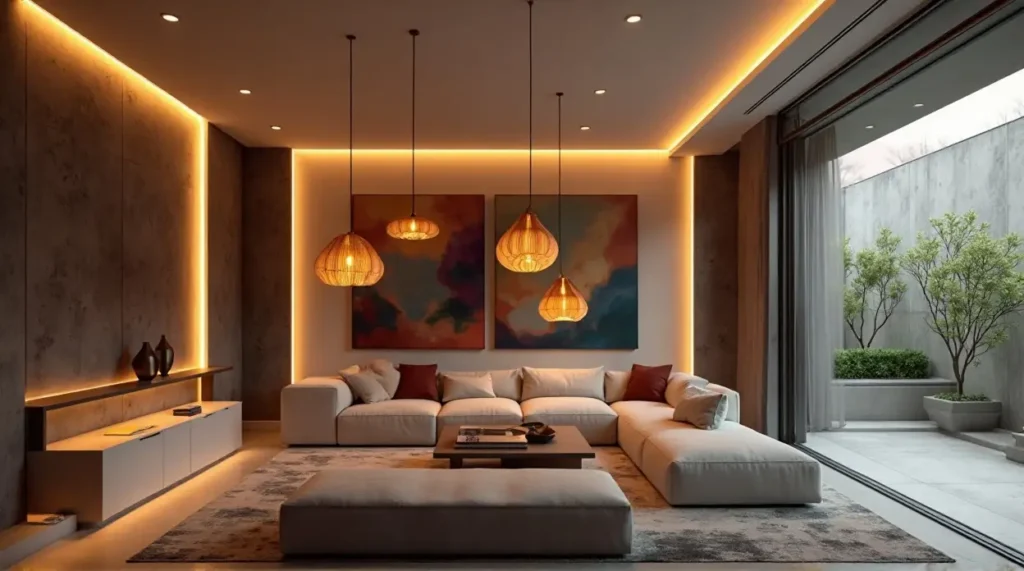
In 2026, lighting fixtures are reminiscent of artwork, doubling as functional pieces and captivating design elements. Sculptural pendants, chandelier-like designs, and floor lamps with unique shapes are gaining popularity. These fixtures add visual interest to the living room while providing illumination. - Integrated Lighting Solutions
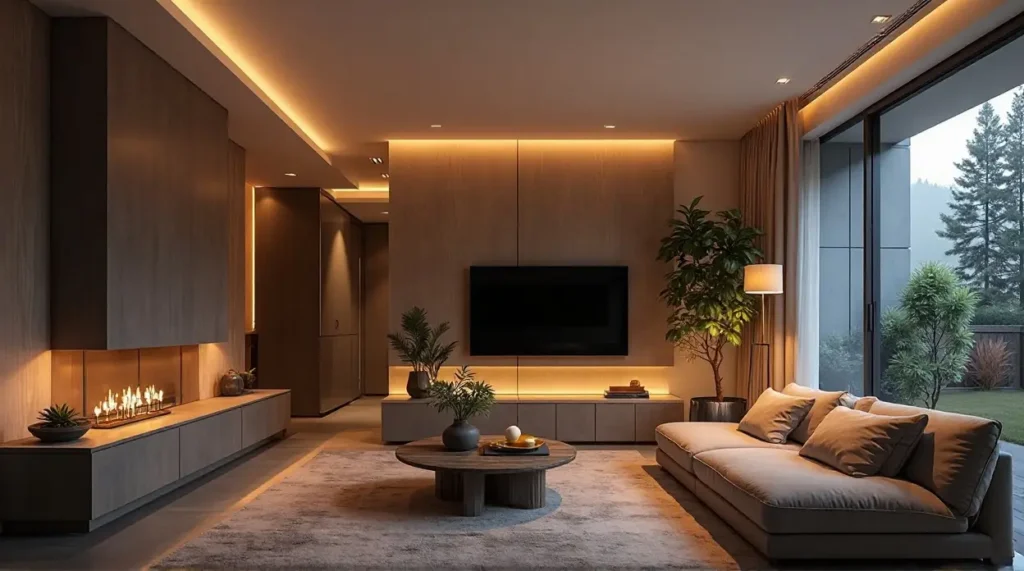
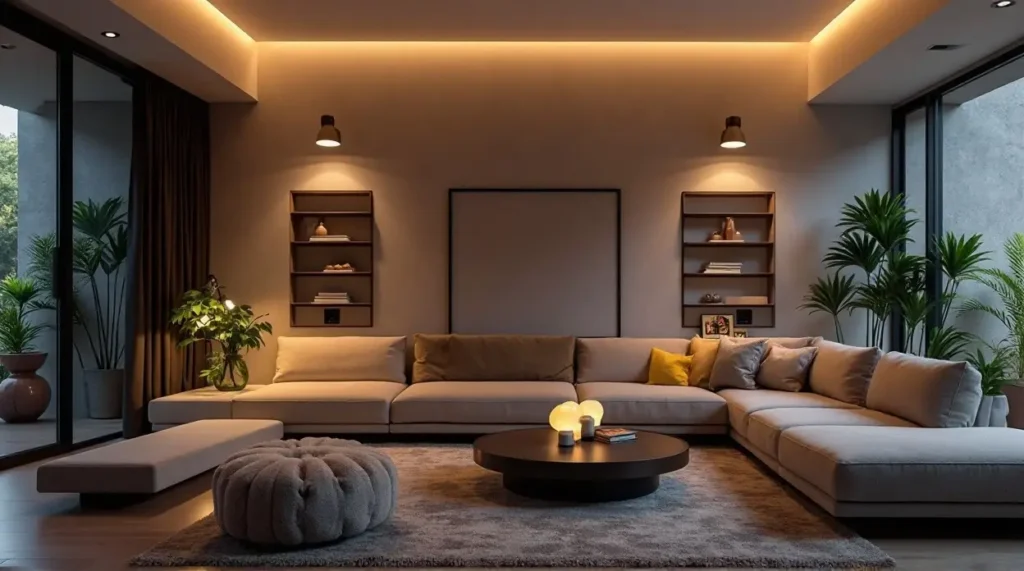
Integrated lighting—built directly into architectural elements—is becoming a preferred choice in modern living rooms. This includes recessed lighting in ceilings, under-cabinet lights, or even illuminated shelving that blends seamlessly into the room’s design for an elegant, unobtrusive effect. - Smart Lighting Systems
Smart lighting continues to advance, allowing homeowners to customize their lighting settings with ease. Features such as app control, voice activation, and automation capabilities provide convenience and adaptability. Changes in brightness and color can be scheduled to match the time of day or specific activities, enhancing the living experience.
Ambient Lighting Techniques
- Layered Lighting
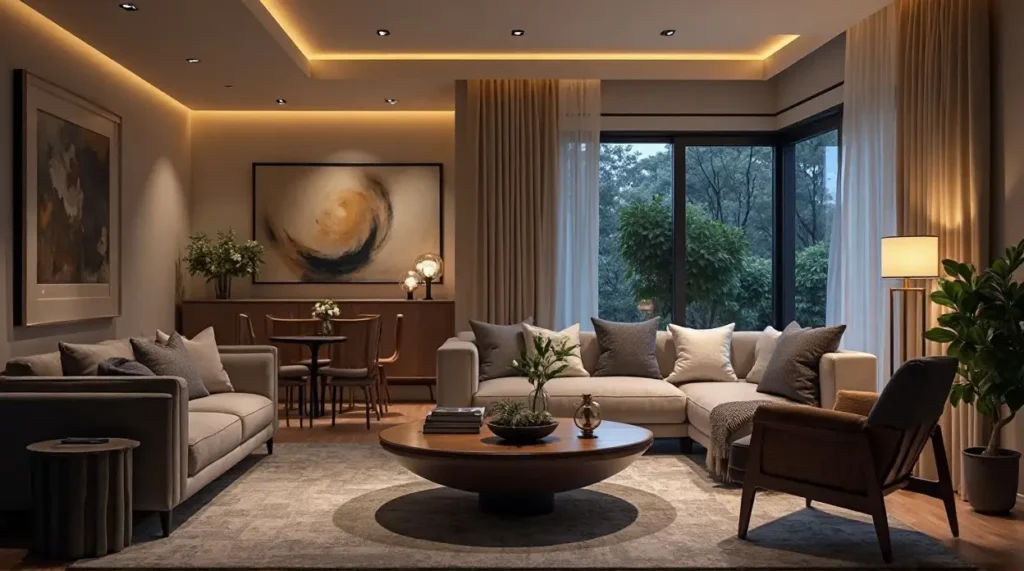
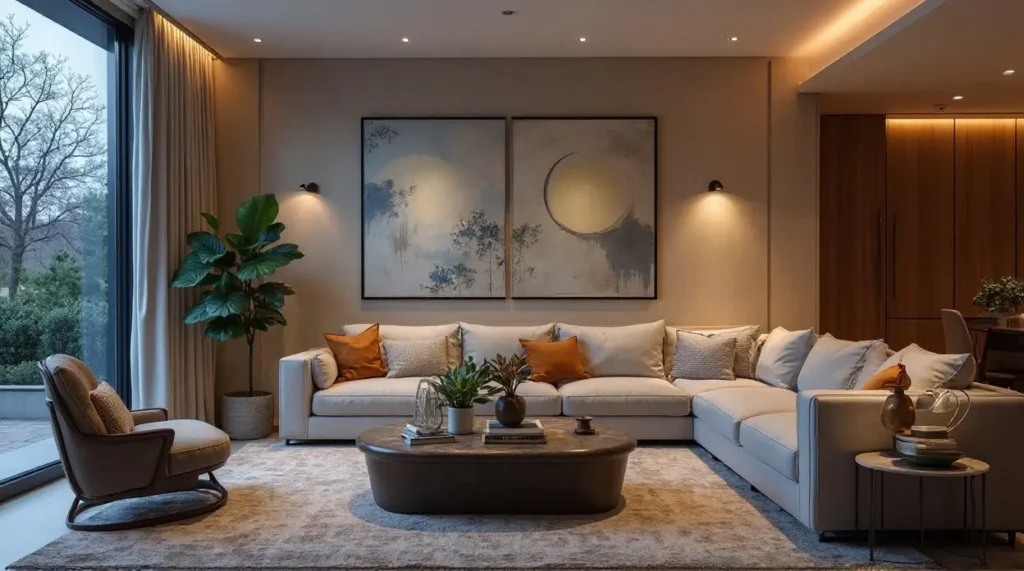
A well-lit living room consists of multiple light sources working together. Ambient lighting forms the base layer, providing overall illumination and creating a bright environment. This can be achieved using ceiling fixtures, floor lamps, or wall sconces. - Accent Lighting
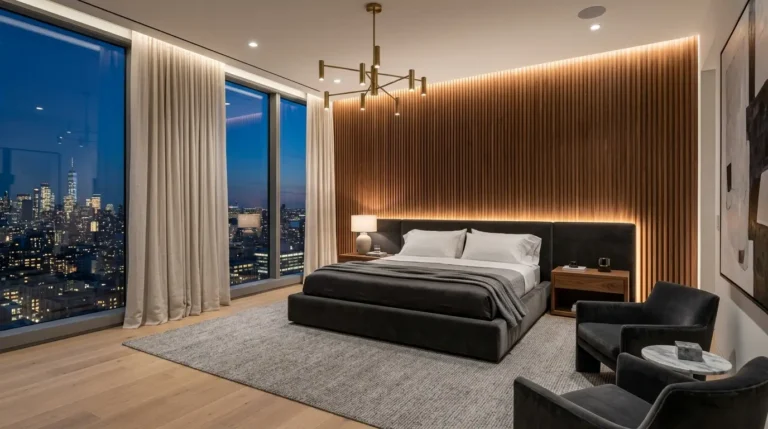
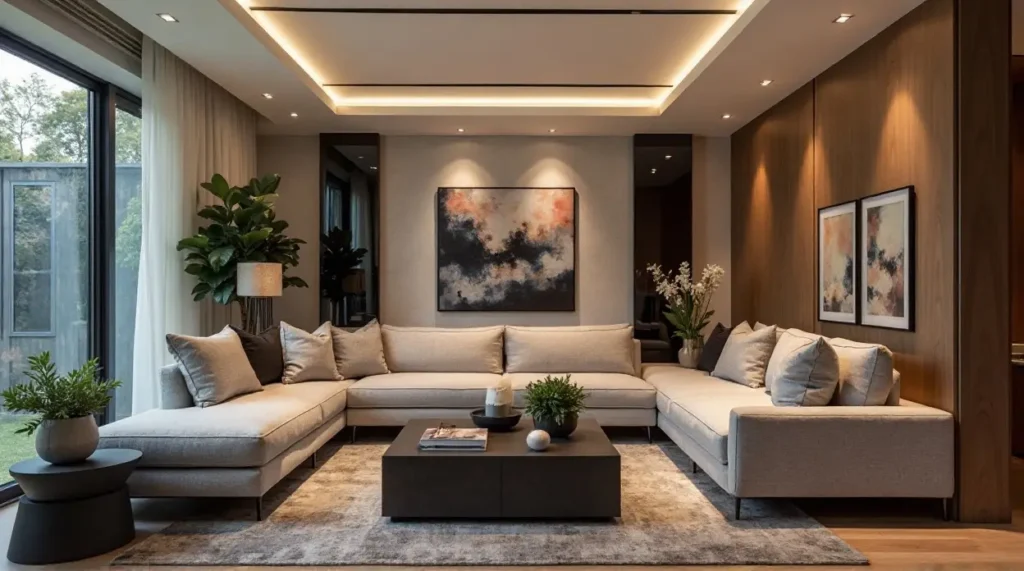
Accent lighting is used to highlight specific elements within the living room. This includes spotlights on artwork, wall-mounted fixtures that illuminate textured surfaces, or backlit features that add depth. These focal points enhance visual appeal and draw attention to design elements. - Mood Lighting
Mood lighting focuses on creating a certain ambiance. Dimmable lights, LED strips, and color-changing bulbs can be used to set the right tone for different occasions. For instance, warmer tones may set a relaxed mood for gatherings, while cooler tones are suitable for more energetic environments. - Natural Light Optimization
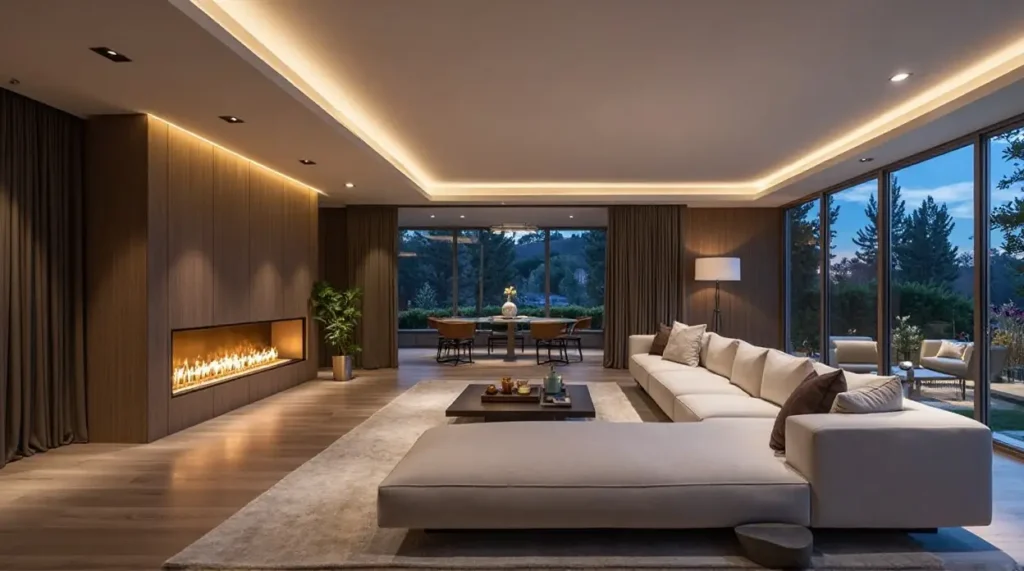
Incorporating natural light into the design is a significant trend. Large windows, skylights, and open spaces allow daylight to flood the room, creating a vibrant and healthy atmosphere. Complementing this with adjustable window treatments can help control light levels throughout the day.
Conclusion
Lighting innovations in 2026 are revolutionizing the way we design and experience modern living rooms. By embracing the transformative power of lighting—through artistic fixtures, smart technology, and effective ambient techniques—homeowners can create spaces that not only illuminate but also elevate mood and functionality. Properly designed lighting highlights architectural features, promotes well-being, and enhances daily activities, ultimately resulting in a more inviting and dynamic living environment. As lighting continues to evolve, it’s clear that strategic illumination will play an essential role in shaping the homes of the future.
About the Author