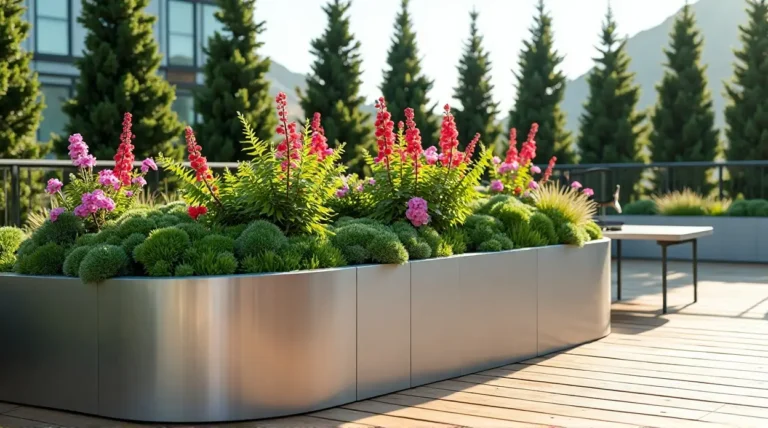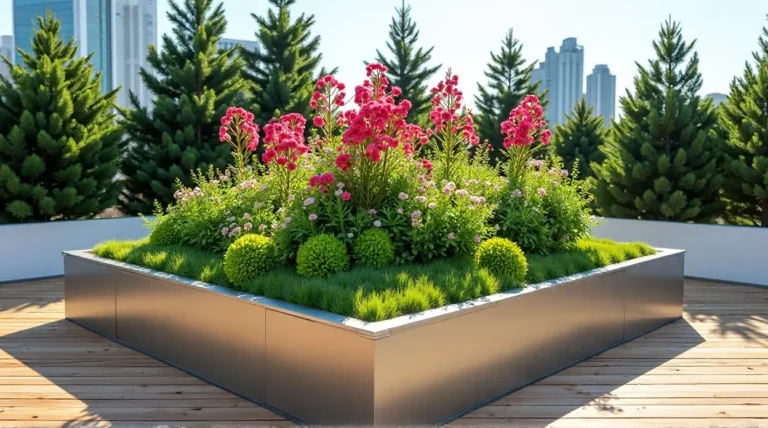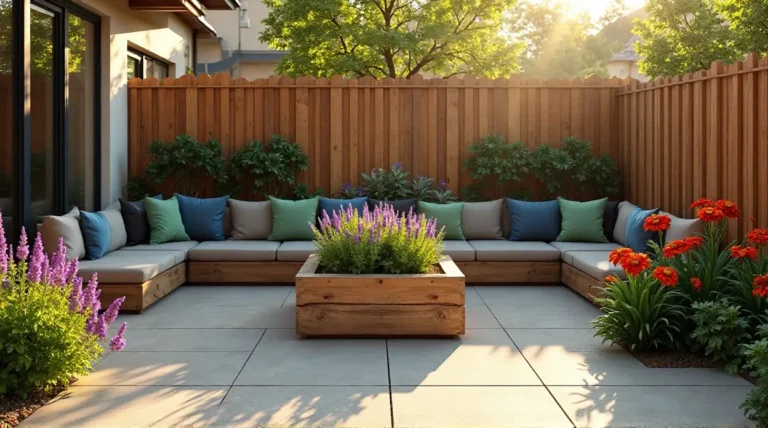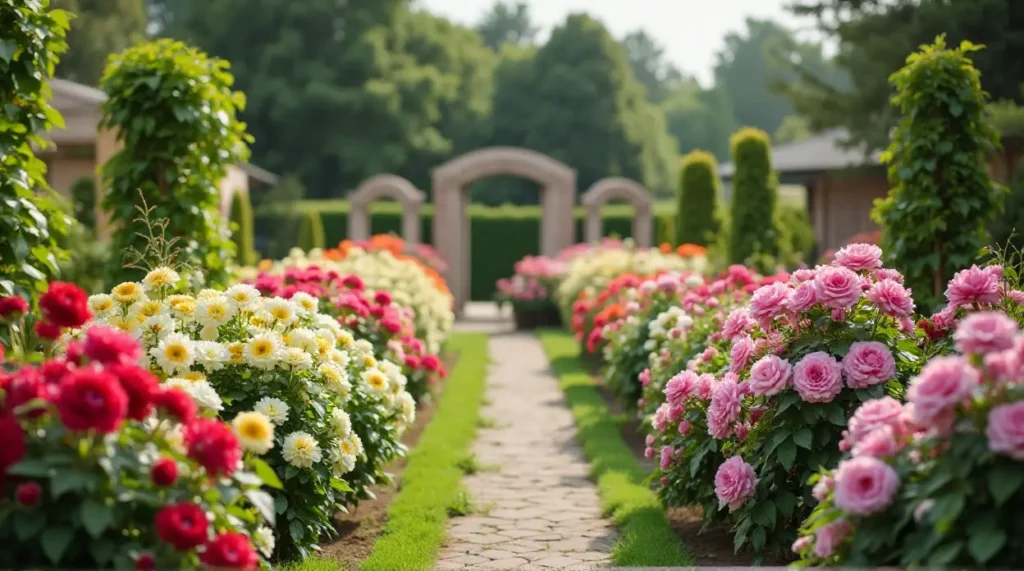
Creating a formal garden that showcases vibrant color and life throughout the year requires thoughtful planning and an understanding of seasonal blooms. This month-by-month guide will highlight the best flowering plants for formal gardens, offering insights on how to merge them into a stunning palette that captivates the eyes while ensuring continuous blooms.
January
Flowers:
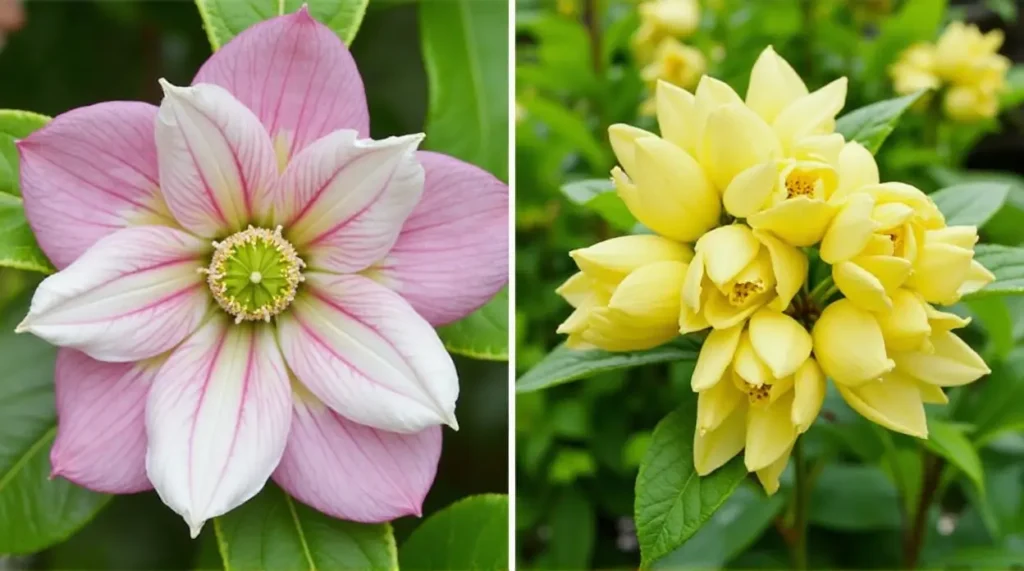
- Hellebores (Helleborus spp.): Known for their early blooms, hellebores add interest and color when most plants are dormant. Their nodding flowers come in various shades, including white, pink, purple, and green.
- Winter Jasmine (Jasminum nudiflorum): This hardy shrub blooms in clusters of yellow flowers, adding brightness to winter gardens.
Design Tip:
Incorporate hellebores around pathways or near the entrance to provide early visual interest.
February
Flowers:
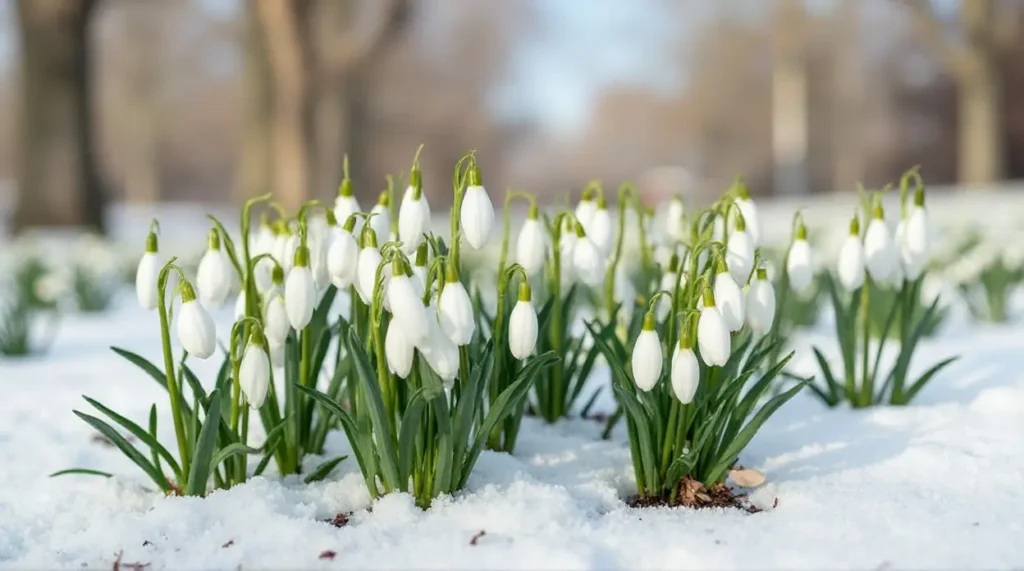
- Snowdrops (Galanthus nivalis): These tiny white flowers are among the first to bloom, often peeking through the snow.
- Crocus (Crocus spp.): Available in a palette of colors including purple, yellow, and white, crocuses signal the end of winter.
Design Tip:
Plant snowdrops in naturalistic drifts under trees or along borders to create a soft, flowing effect. Use crocuses to create pops of color among evergreen plants.
March
Flowers:
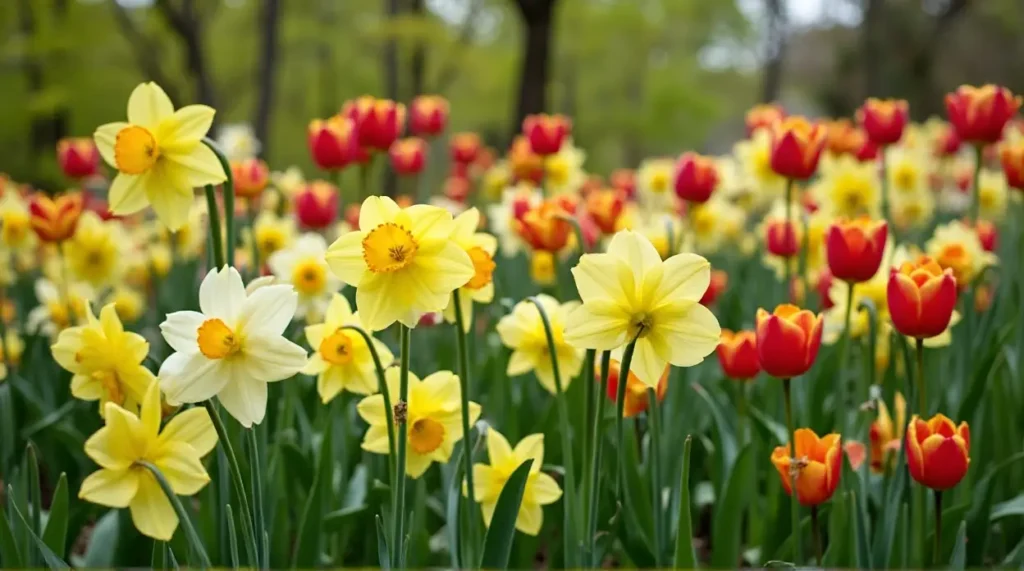
- Daffodils (Narcissus spp.): With their cheerful yellow and white blooms, daffodils bring a sense of joy and optimism to the garden.
- Tulips (Tulipa spp.): Available in virtually every color, tulips are key players in any spring garden.
Design Tip:
Pair daffodils with tulips for a striking contrast. Use formal beds or geometric patterns for planting to maintain a structured look.
April
Flowers:
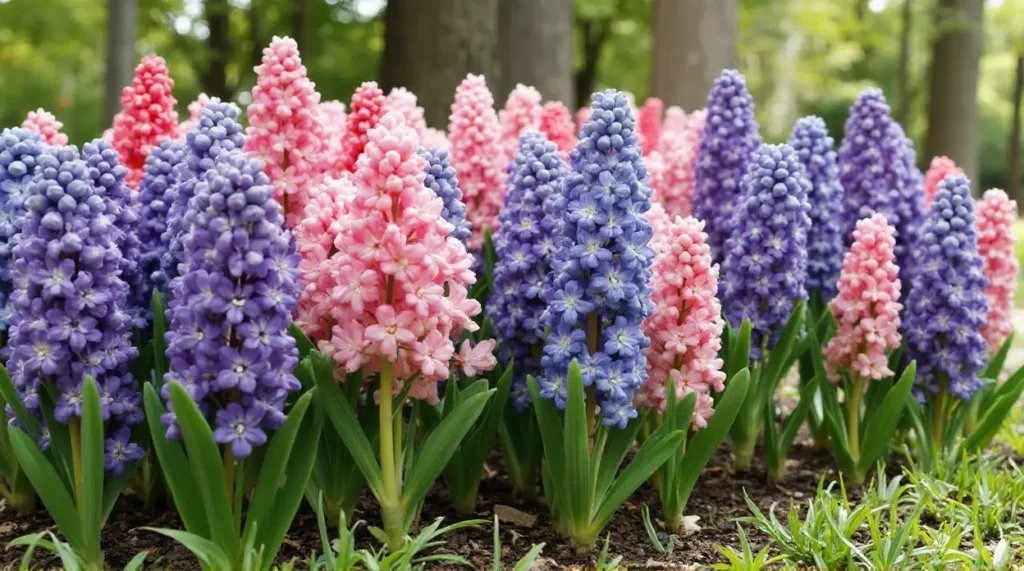
- Hyacinths (Hyacinthus orientalis): Known for their fragrant blooms, hyacinths come in rich colors.
- Bleeding Heart (Lamprocapnos spectabilis): These unique heart-shaped flowers add a whimsical touch.
Design Tip:
Create a focal point using a cluster of hyacinths at garden entrances, while bleeding hearts can fill shady corners with softness and color.
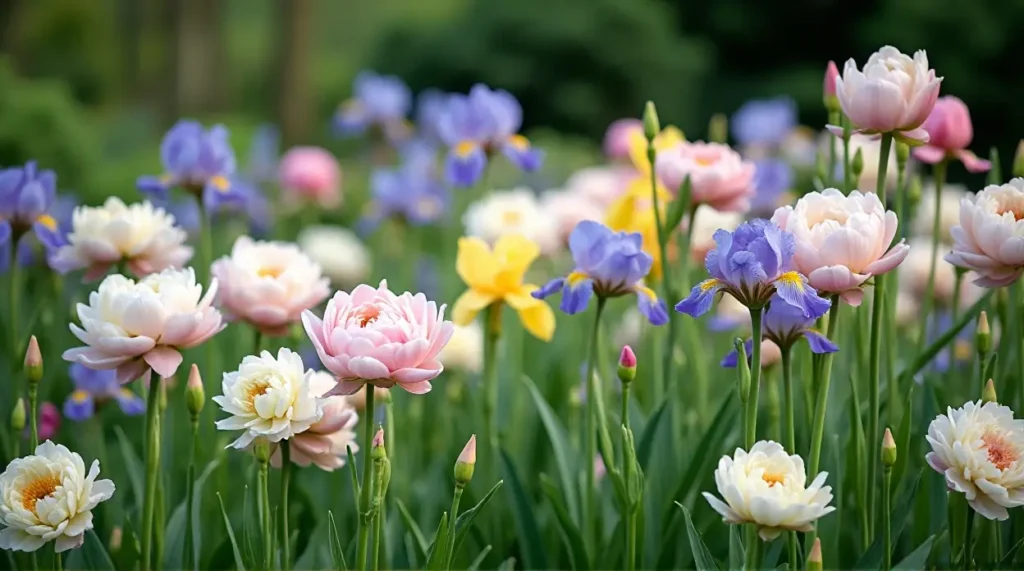
May
Flowers:
- Peonies (Paeonia spp.): With large, fragrant blooms in pastel shades, peonies are staples in formal gardens.
- Irises (Iris spp.): Their distinct shapes and various colors add drama and elegance.
Design Tip:
Plant peonies in mixed borders, and intersperse irises for added height and texture to break the monotony.
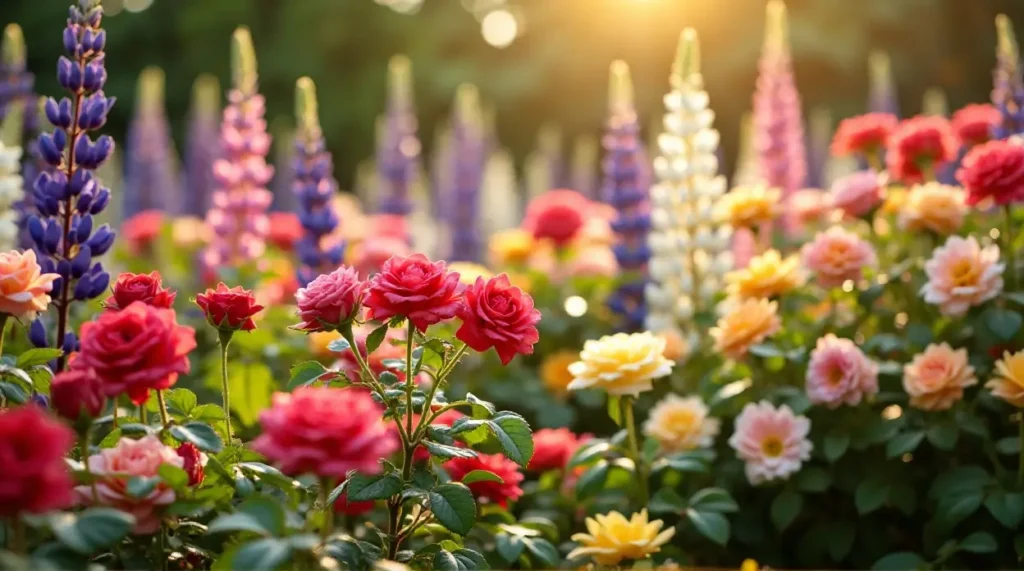
June
Flowers:
- Roses (Rosa spp.): The quintessential garden flower, roses provide a range of colors and fragrances.
- Lupines (Lupinus spp.): Tall spires of colorful flowers add vertical interest.
Design Tip:
Create a dedicated rose garden with multiple varieties for continuous blooms. Complement them with lupines in the background for added height.
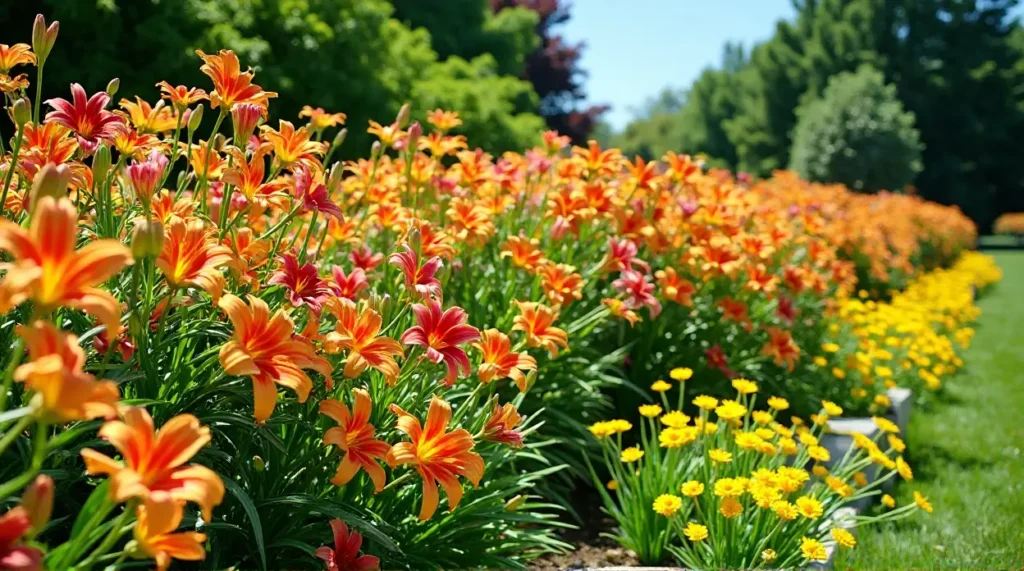
July
Flowers:
- Daylilies (Hemerocallis spp.): Easy to care for, daylilies bloom in many colors and thrive in summer heat.
- Coreopsis (Coreopsis spp.): These cheerful yellow flowers offer a sunny disposition.
Design Tip:
Plant daylilies in clusters to form vibrant patches, and use coreopsis for a bright, informal border.
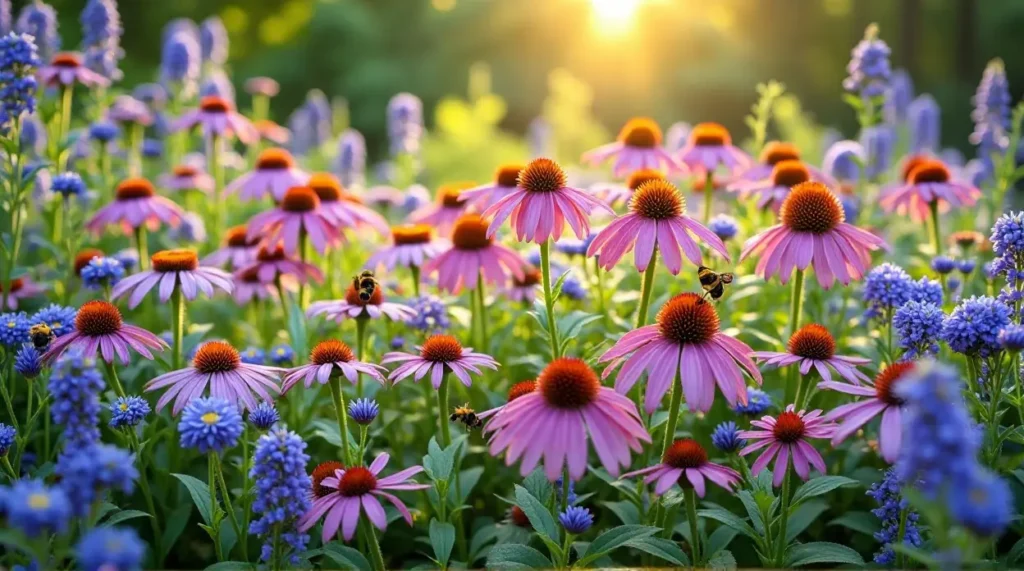
August
Flowers:
- Asters (Aster spp.): These late summer bloomers add vibrant colors, typically in blues and purples.
- Echinacea (Echinacea purpurea): Known as coneflower, it’s both beautiful and attracts pollinators.
Design Tip:
Arrange a tapestry of asters around coneflowers for a naturally vibrant look and improve biodiversity.
September
Flowers:
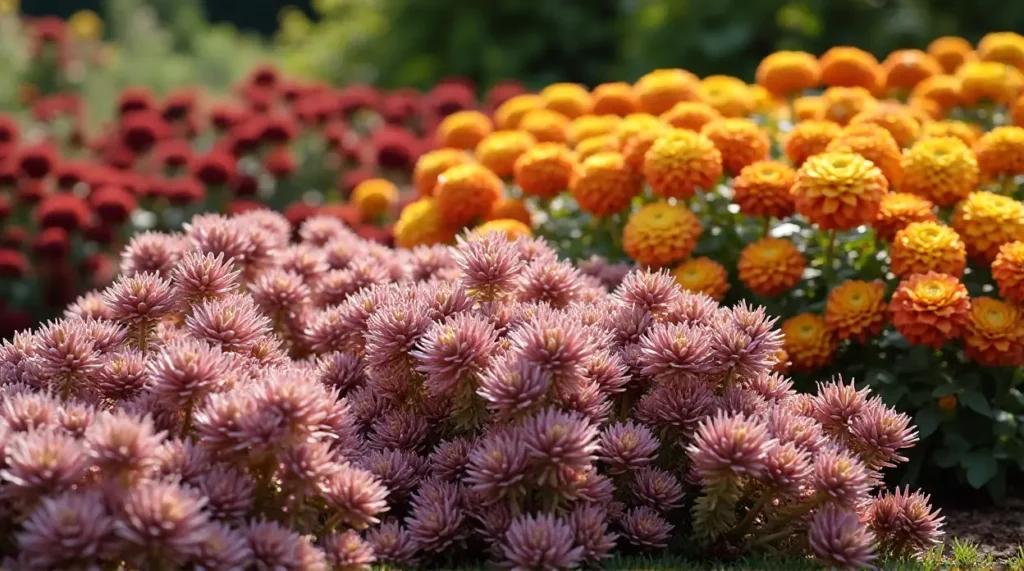
- Sedum (Sedum spp.): Known for their succulent leaves and clusters of star-shaped flowers, sedums flourish in late summer.
- Chrysanthemums (Chrysanthemum spp.): Standard fall blooms, offering a myriad of colors.
Design Tip:
Group sedums in patches to highlight their unique textures among fall-blooming chrysanthemums for a rich palette.
October
Flowers:
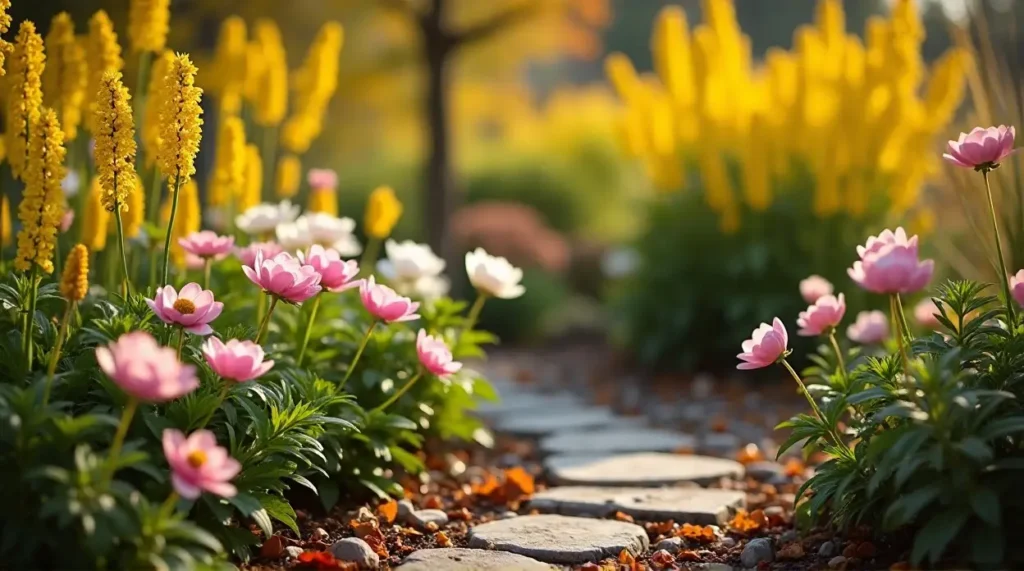
- Goldenrod (Solidago spp.): Known for their bright yellow spikes that glow in the autumn sun.
- Japanese anemone (Anemone hupehensis): These delicate flowers bloom into fall with soft pinks and whites.
Design Tip:
Use goldenrod as a backdrop for late-blooming plants while allowing Japanese anemone to flow gracefully along paths.
November
Flowers:
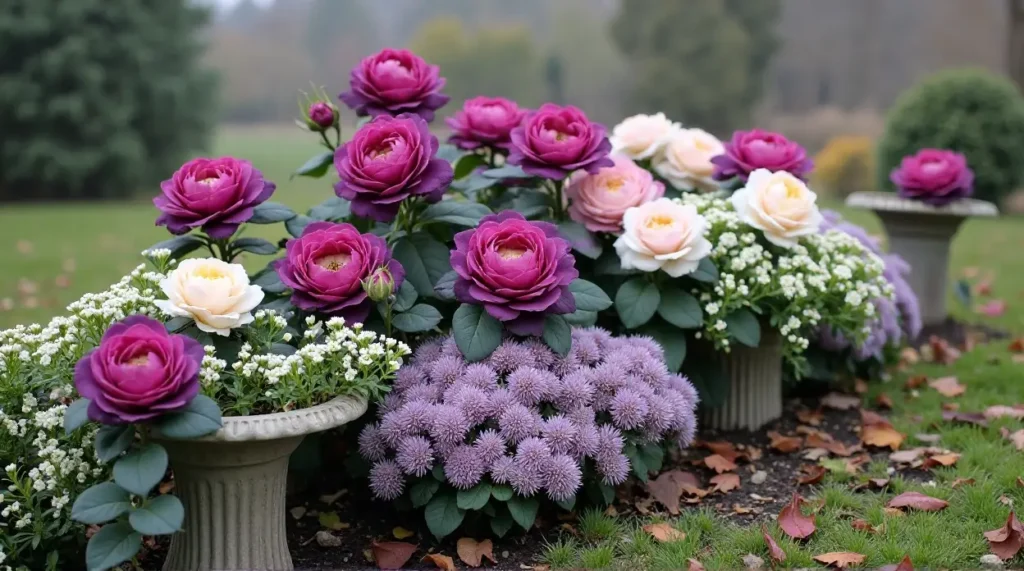
- Cabbage Roses (Brassica oleracea): Ornamental cabbages bloom with vibrant colors and provide structure.
- Heather (Calluna vulgaris): Blooms range from white to purple, adding color into late autumn.
Design Tip:
Integrate ornamental cabbages into garden beds or containers for an eye-catching effect, while heather fills in patches amidst winter preparation.
December
Flowers:
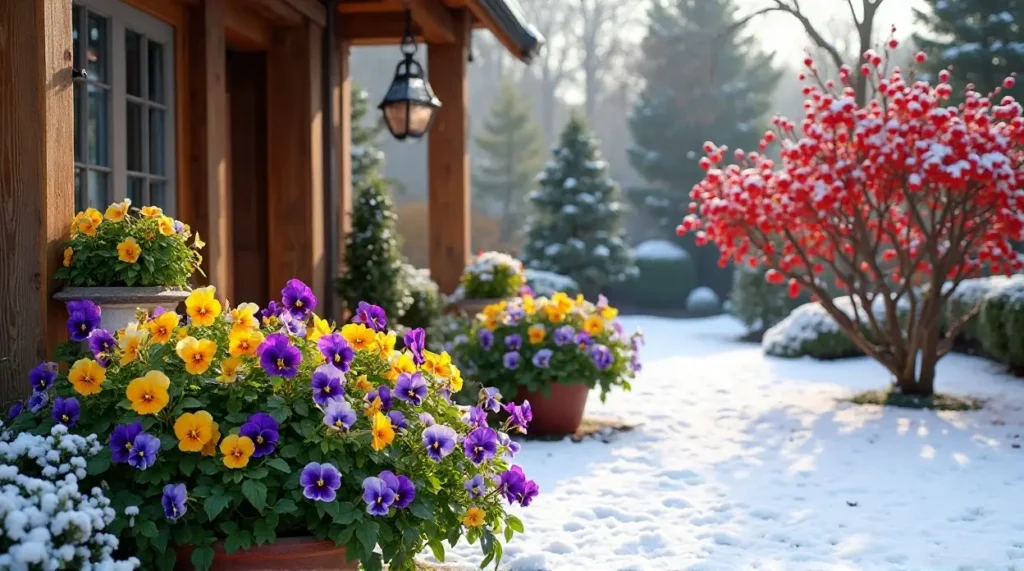
- Pansies (Viola tricolor var. hortensis): Hardy and colorful, pansies can often endure mild winters.
- Winterberry (Ilex verticillata): While not technically a flower, the vibrant red berries add color during the winter months.
Design Tip:
Plant pansies in flower beds or pots near entrances for cheerful color throughout the winter. Use winterberry as eye-catching focal points in the landscape.
Conclusion
By thoughtfully selecting flowering plants for each season, you can curate a vibrant and beautiful formal garden that remains colorful and full of life throughout the year. Consider the height, shape, and color of each plant to create a cohesive aesthetic that embraces and enhances the seasonal changes while drawing in nature’s beauty. Regular maintenance, including deadheading and pruning, will ensure your garden thrives, offering you and your guests a stunning escape all year long.
About the Author