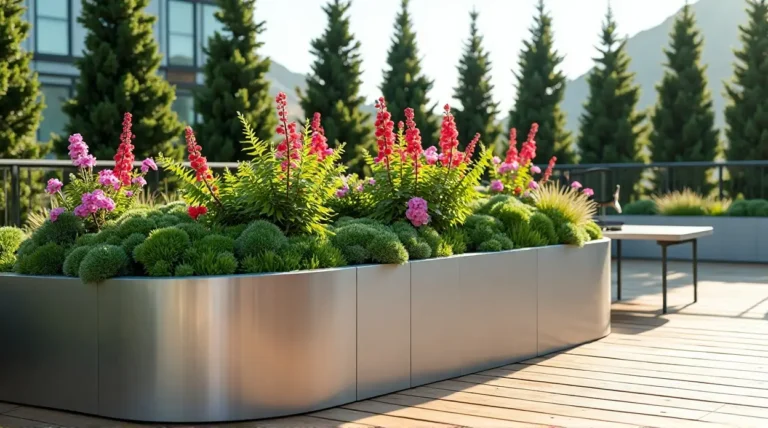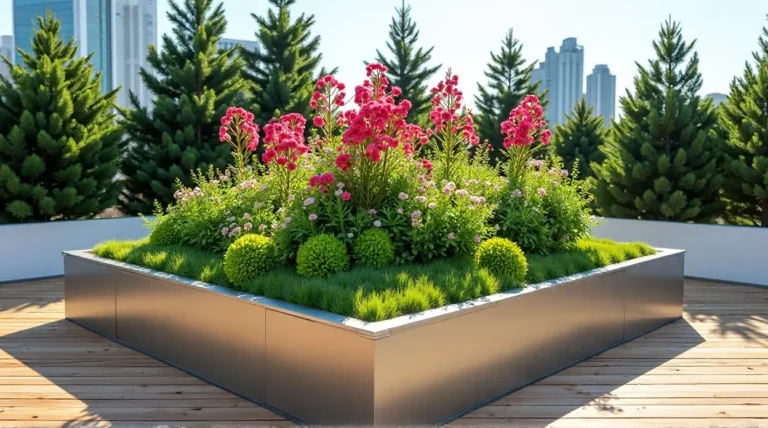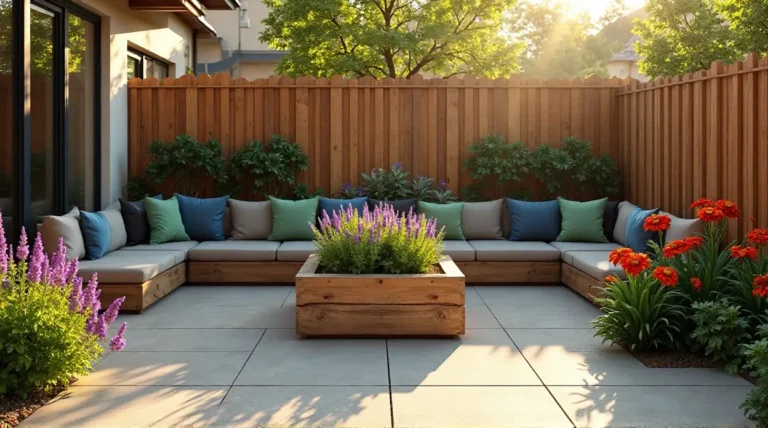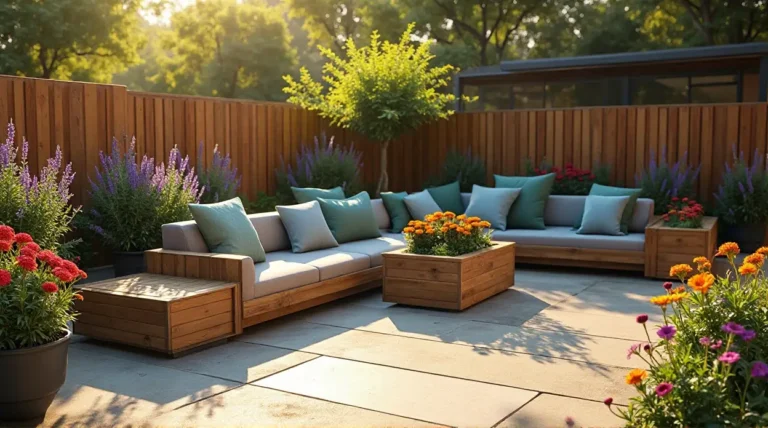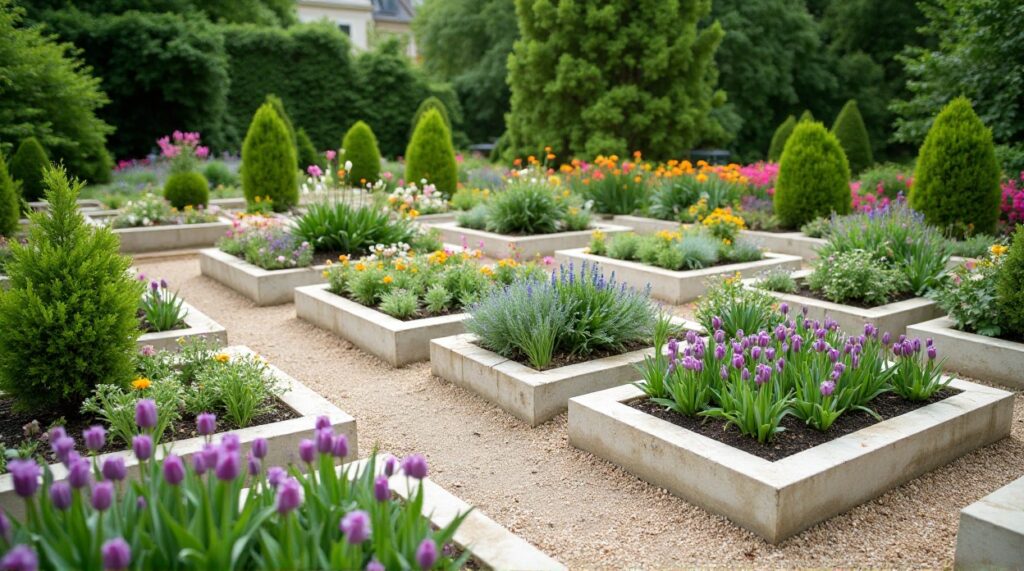
Raised beds have gained popularity in formal garden design due to their numerous advantages, combining practicality with aesthetic appeal. By elevating the gardening space, raised beds offer solutions for both novice and experienced gardeners while enhancing the overall design of the landscape. Below, we dive into the key benefits of incorporating raised beds in formal gardens.
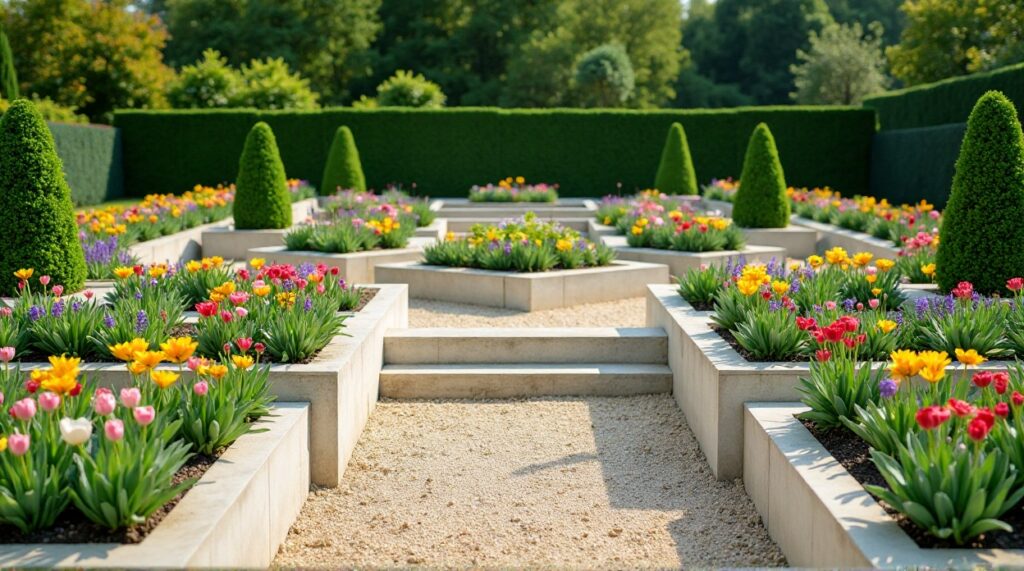
1. Improved Drainage
One of the most significant advantages of raised beds is their superior drainage capabilities. Elevated structures prevent water from pooling, ensuring that plant roots receive adequate moisture without becoming waterlogged. This is particularly beneficial in regions prone to heavy rainfall, where soil saturation can lead to root rot and other plant diseases. Raised beds allow excess water to escape, creating a healthier environment for roots and promoting overall plant vitality.
Design Tip:
When installing raised beds, position them at a slight angle to encourage natural water runoff, creating a more effective drainage system.
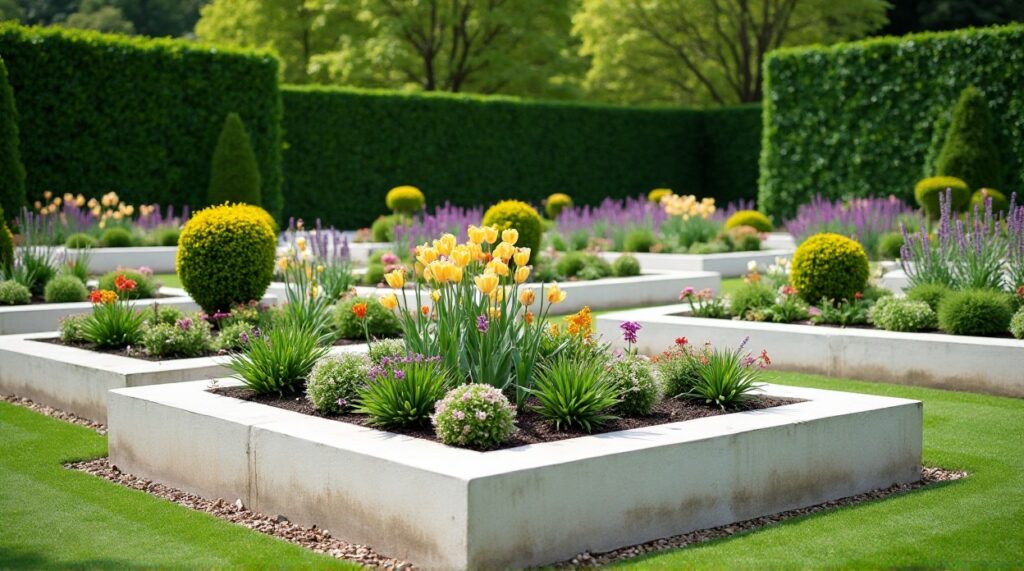
2. Enhanced Soil Quality
Raised beds provide an opportunity to create optimal soil conditions for plant growth. Gardeners can customize the soil mix to fit the specific needs of the plants, balancing elements like compost, loam, and other organic materials for a nutrient-rich growing medium. This customization leads to improved soil fertility and structure, fostering vibrant plant growth.
Design Tip:
Incorporate soil amendments like compost or worm castings regularly into your raised beds to maintain nutrient levels and enhance microbial activity.
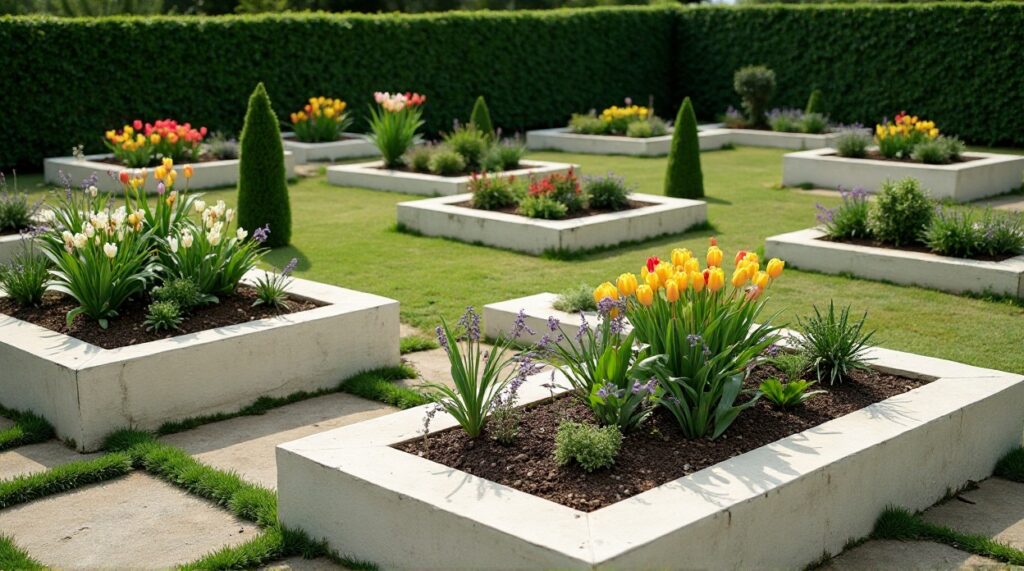
3. Better Pest and Weed Control
Raised beds can effectively reduce pest problems and weed growth. The elevation makes it more difficult for certain pests, like slugs and snails, to access the plants. Additionally, the controlled environment allows for the use of barrier methods and organic pest management strategies, minimizing damage to plants.
Weeds are also easier to manage in raised beds; the defined space allows for straightforward maintenance. A layer of mulch can significantly suppress weed growth, enabling gardeners to focus on nurturing their plants rather than battling unwanted vegetation.
Design Tip:
Consider using landscape fabric or biodegradable mulch in your raised beds to suppress weeds while enhancing soil health.
4. Improved Accessibility
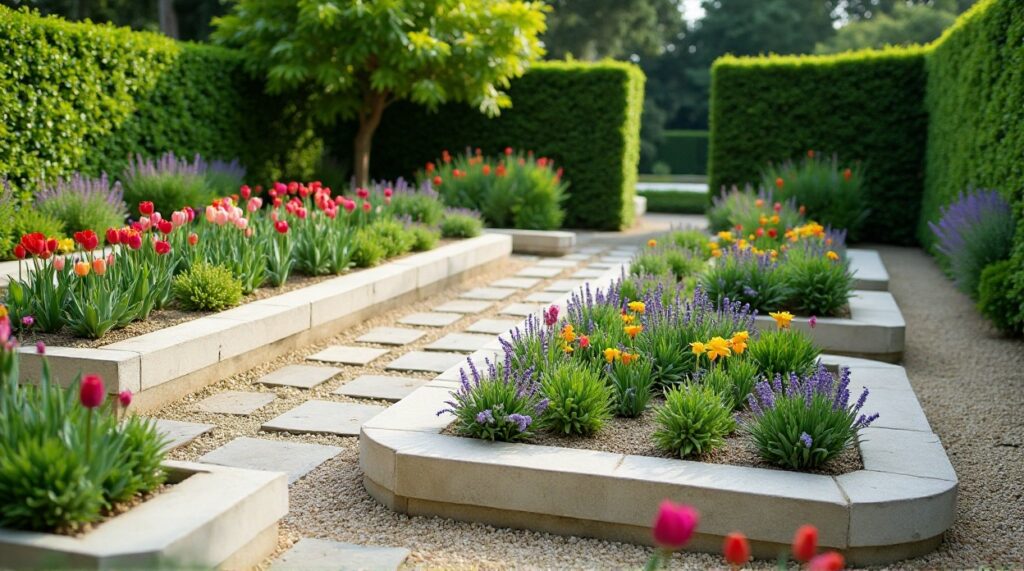
Raised beds make gardening more accessible for individuals of all ages and abilities. The elevated height reduces the need to bend or kneel, allowing people with mobility issues or those who prefer not to strain their backs to engage comfortably in gardening activities. This accessibility encourages participation in gardening from family members of all ages, fostering a sense of community and connection to nature.
Design Tip:
Build raised beds at varying heights to accommodate different gardening styles and accessibility requirements throughout the garden.
5. Aesthetic Contributions
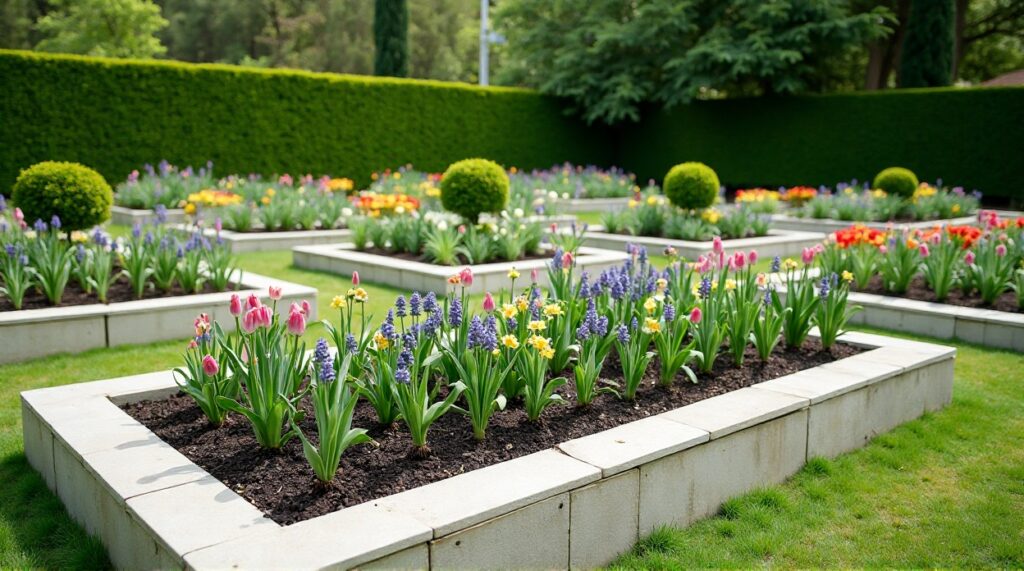
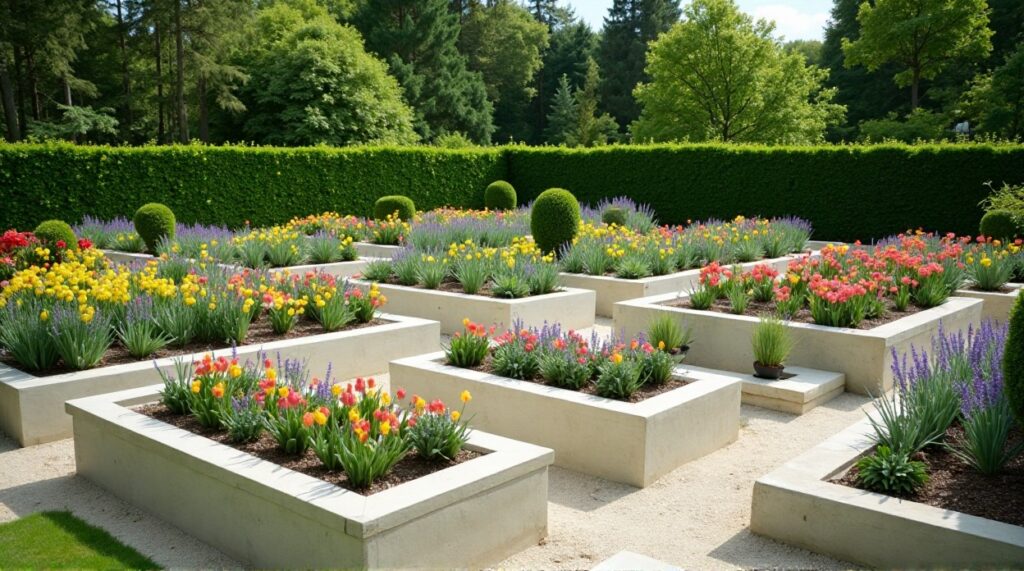
Beyond their practical benefits, raised beds can significantly enhance the visual appeal of a formal garden. Their geometric shapes and defined lines complement the structured layout typical of formal garden designs. Raised beds can be constructed from a variety of materials, including wood, stone, or metal, allowing for customization based on the garden’s overall theme.
Design Tip:
Incorporate decorative edging, such as cobblestones or ornamental fencing, around the raised beds to integrate them seamlessly into the landscape and elevate their visual impact.
6. Microclimate Creation
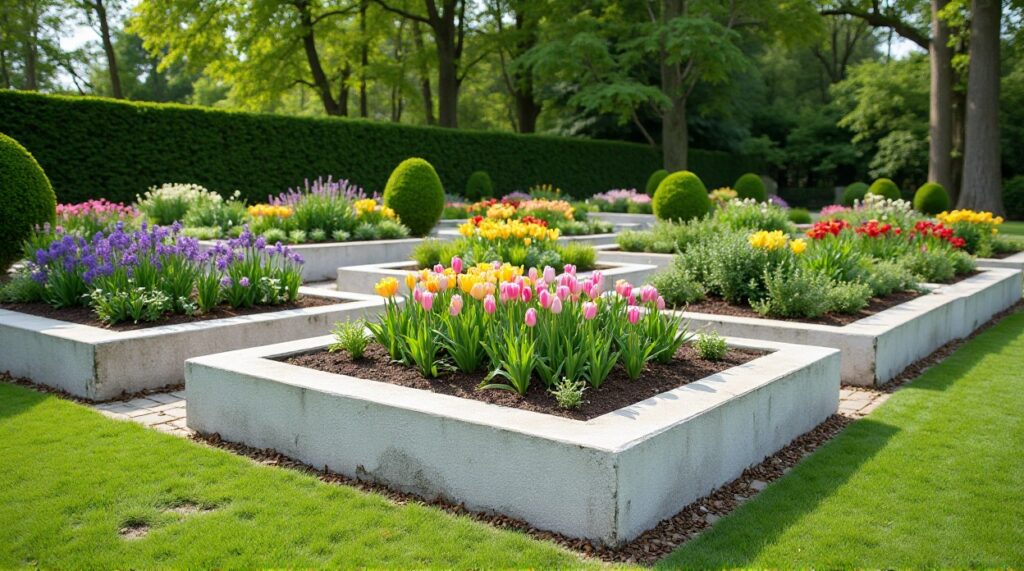
Raised beds can create microclimates that foster a diverse range of growing conditions. The elevation can lead to warmer soil earlier in the spring, allowing for an extended growing season for certain plants. The slightly elevated height also facilitates better air circulation, which can counteract issues related to humidity and temperature fluctuations.
Design Tip:
Position raised beds to take advantage of sunlight exposure and wind protection, optimizing their microclimate for specific plants or floral arrangements.
7. Efficient Use of Space
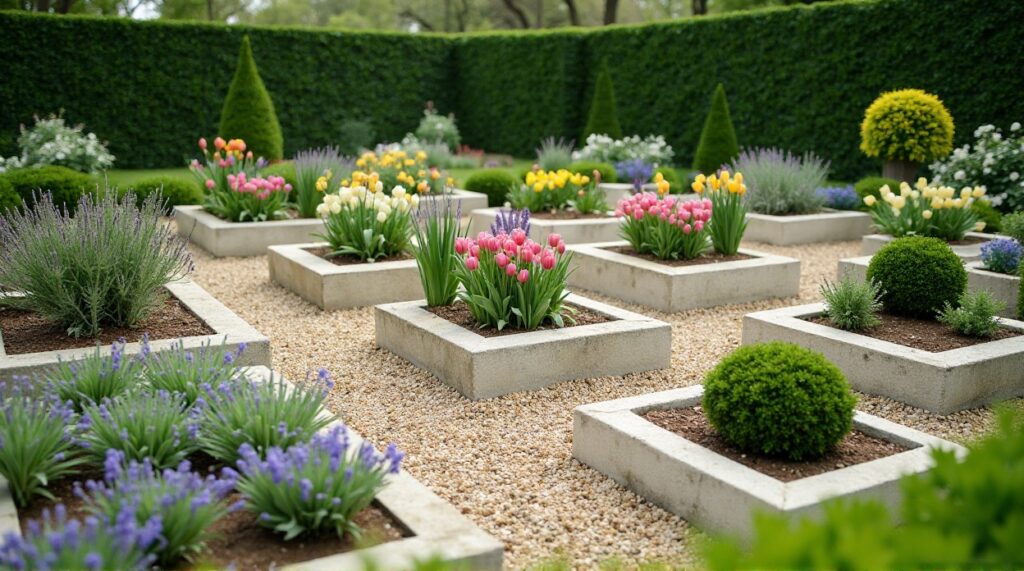
In compact garden layouts, raised beds provide an efficient way to maximize growing space. With defined borders, gardeners can grow a larger number of plants in a given area while maintaining an organized look. The vertical nature of raised beds can also accommodate trellising for vining plants, making the most out of limited ground space.
Design Tip:
Plan your layout strategically to utilize companion planting techniques, maximizing productivity and creating a more ecologically balanced garden.
Conclusion
Incorporating raised beds into formal garden design offers a wide array of benefits, extending beyond mere aesthetics. Enhanced drainage, improved soil quality, better pest control, and increased accessibility create a nurturing environment for a multitude of plants. When designed thoughtfully, raised beds can also contribute significantly to the visual and structural appeal of a garden landscape. By embracing these advantages, gardeners can create vibrant, functional spaces that thrive throughout the seasons, fostering a deeper connection to the beauty of nature.
About the Author