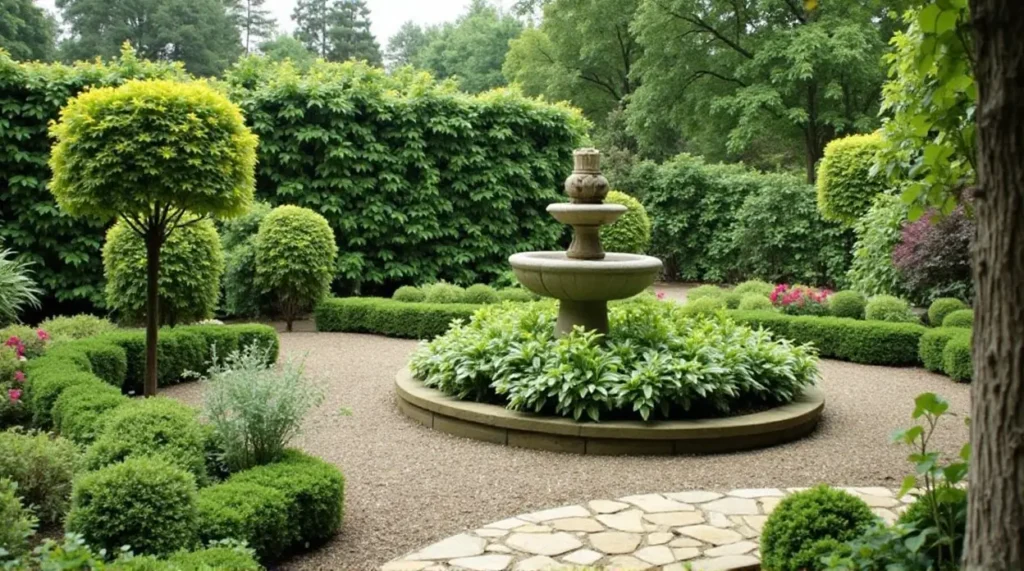
Artistic elements play a pivotal role in formal garden design, offering a harmonious blend of nature and creativity that enhances the sensory experience. By integrating sculptures, fountains, and uniquely designed pathways, garden owners can create focal points that elevate the overall aesthetic of the space. This discussion will explore how these artistic features contribute to the grandeur and charm of a formal garden while complementing the vibrant floral arrangements.
The Role of Artistic Elements in Formal Gardens
1. Statues: Captivating Focal Points
Statues serve as striking focal points that draw attention and add an element of storytelling to garden settings. When thoughtfully placed, they can transform a simple garden into a captivating oasis. Here are some considerations for incorporating statues:
- Theme and Style: Choose statues that align with the theme of your garden. Classical marble statues may evoke a sense of timeless elegance, while contemporary metal sculptures can introduce a modern flair.
- Scale and Proportion: Ensure that the size of the statue is proportionate to the surrounding plants and garden space. Larger statues can stand majestically amidst taller plants, while smaller sculptures can nestle within flower beds, creating cozy vignettes.
- Placement: Position statues along pathways, near water features, or at the intersection of garden paths to entice visitors and encourage exploration.
Design Tip:
Create a narrative using statues—perhaps sculptures that depict figures in motion or nature-inspired designs can evoke serenity and contemplation within the garden space.
2. Fountains: The Symphony of Sound and Movement
Fountains add not only visual beauty but also auditory delight to formal gardens. The sound of flowing water creates a tranquil ambiance, inviting visitors to linger and enjoy the surroundings. Consider the following when incorporating fountains:
- Design and Style: Select a fountain that complements the overall theme. Classic tiered fountains resonate with traditional garden styles, while minimalist designs can enhance contemporary aesthetics.
- Integration with Plants: Surround the fountain with lush foliage and flowering plants to create a lush oasis. Consider incorporating plants like ferns and water-loving lilies to enhance the natural feel.
- Lighting: Illuminate the fountain at night to create a magical atmosphere. Underwater lighting or spotlights can highlight the flow of water, enhancing its artistic presence after sunset.
Design Tip:
Use fountains as focal points by positioning pathways that guide visitors toward them, encouraging interaction and reflection.
3. Pathways: Defining Spaces and Encouraging Exploration
Creatively designed pathways are essential for articulating the layout of formal gardens. They not only guide visitors through the space but also add textural interest and artistic flair:
A. Materials
- Stone and Gravel: Natural stone pathways or gravel can provide a rustic feel, harmonizing beautifully with plant life. Flagstone provides elegance, while pea gravel can create a casual, inviting atmosphere.
- Tiles and Pavers: Artistic tiles can be used to craft visually intricate pathways, adding personality and character. Patterns or mosaics can be incorporated to echo elements found in surrounding statues or decor.
B. Shape and Design
- Curved vs. Straight Lines: Curved pathways can create an organic flow, guiding the eye and encouraging exploration. Conversely, straight paths can provide structure and direct focus toward a particular focal point.
C. Connection to Art
Integrate artwork along the pathways, such as small sculptures, decorative plant pots, or unique benches, that invite visitors to stop and appreciate the beauty of nature and art.
Design Tip:
Layer pathways with complementary plantings, such as low-growing flowers along the edges or taller plants that frame the path, creating a sense of enclosure and intimacy as visitors stroll through the garden.
Creating a Unified Experience
1. Cohesion Through Design
When incorporating artistic elements, strive for cohesion in terms of color, material, and style. A consistent design language creates harmony, allowing the art to complement rather than compete with the floral arrangements.
2. Seasonal Interest
Choose artistic features that visually appeal year-round. For example, sculptures may be enhanced by seasonal plantings, and fountains’ sounds will remain inviting regardless of seasonal changes, ensuring a dynamic garden experience.
3. Inviting Interaction
Encourage interaction with art in the garden. Place benches near captivating statues or quiet corners, and consider creating small gathering spaces where visitors can engage with both the art and nature simultaneously.
Conclusion
Incorporating artistic elements such as statues, fountains, and creatively designed pathways significantly enhances the sensory experience of a formal garden. These features create focal points, provide depth, and encourage exploration, transforming a garden into a multifaceted oasis of beauty and tranquility. By thoughtfully selecting and positioning art within the garden, it’s possible to cultivate a stunning environment that delights the senses and stirs the imagination, allowing nature and creativity to coalesce in exquisite harmony.
About the Author