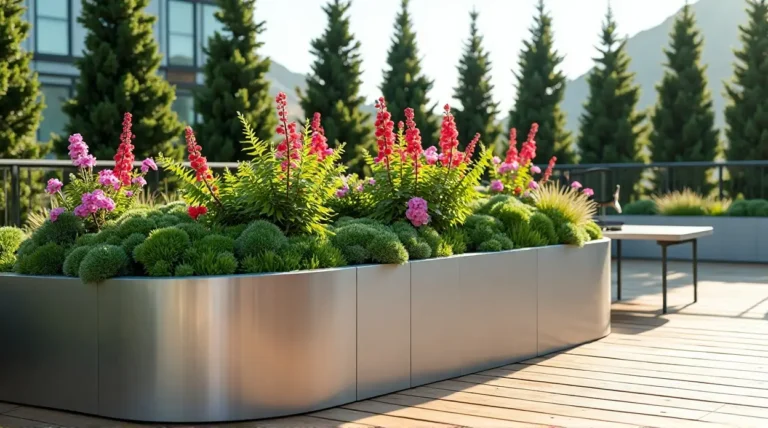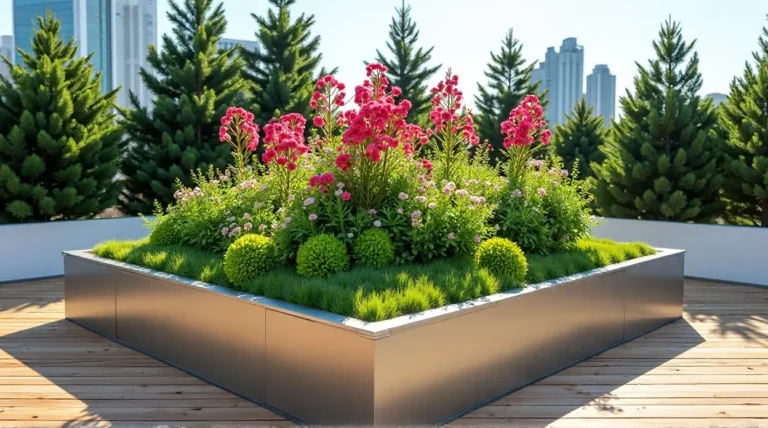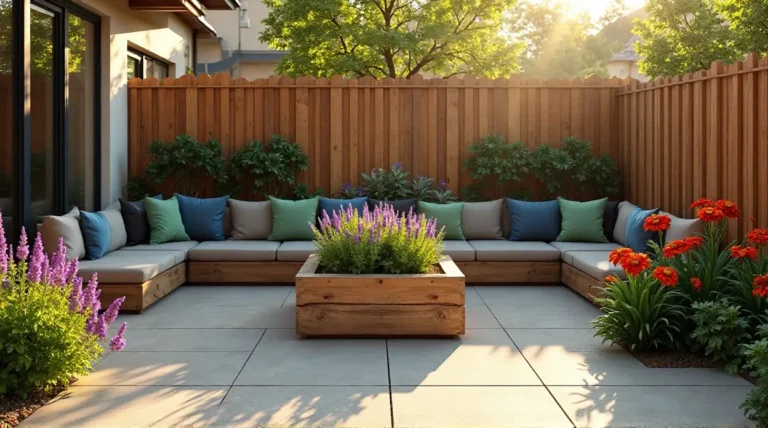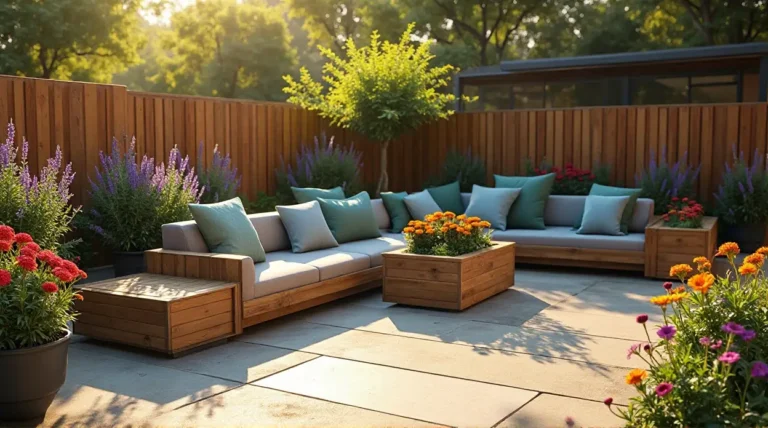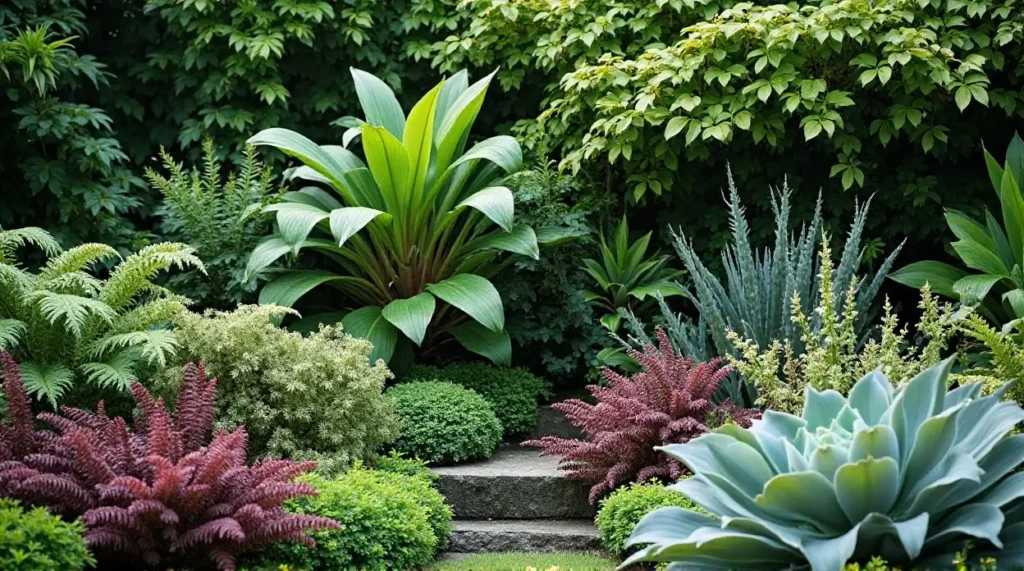
In formal garden design, foliage plays a fundamental role in creating layers of interest, harmony, and visual appeal. While flowering plants often steal the spotlight with their vibrant blooms, it is the subtle yet impactful qualities of leaves that enhance the overall aesthetic and contribute to a garden’s character. By exploring the importance of texture, color, and layering, we can appreciate how foliage enriches the beauty of a formal garden oasis.
The Importance of Foliage in Complementing Flowering Plants
1. Enhancing Visual Interest with Texture
Foliage provides various textures that create depth and complexity within the garden. The interplay of different leaf shapes, sizes, and surface qualities can transform a garden from ordinary to extraordinary:
- Smooth vs. Rough: Contrasting smooth leaves of plants like hostas with the rough, lobed leaves of plants like ornamental brunnera adds visual drama.
- Large vs. Small: Incorporating large-leafed plants, such as ricinus (castor bean), alongside smaller-leafed varieties, like thyme or heuchera, can create an engaging tapestry that captures the eye.
Design Tip:
When selecting foliage, think in terms of contrasts. Pair fine-textured leaves with coarse textures to create a balanced composition that draws the viewer’s eye and enhances the focal points of flowering plants.
2. The Impact of Color Palette
Foliage contributes to the garden’s color palette, enriching the visual experience far beyond the blooming season. The colors of leaves can set the tone for the entire space:
- Green Shades: Various shades of green—from deep forest to bright chartreuse—offer a subtle backdrop that can highlight or complement flowering plants.
- Variegated Foliage: Plants like variegated boxwood or caladium introduce captivating patterns that add interest even when flowers are not in bloom.
- Seasonal Changes: Many plants exhibit changes in foliage color throughout the seasons, such as the vibrant yellows and reds of deciduous trees in autumn.
Design Tip:
Consider incorporating plants with unique foliage colors or patterns that can stand alone during non-blooming periods. This helps maintain visual interest year-round, ensuring that the garden feels dynamic and engaging.
3. Layering Foliage for Depth and Structure
Layering foliage is an essential technique in formal garden design. By arranging plants with varying heights and textures, you can create a sense of depth and structure that enhances the overall composition:
A. Background Foliage
Position tall, upright foliage, such as ornamental grasses or architectural plants like fennel or angelonia, at the back of borders. These serve as a structural backbone and provide height.
B. Middle Layer
In the middle layer, incorporate medium-height plants with interesting foliage such as hydrangeas or ferns. This creates a gentle transition between the background and foreground while offering visual continuity.
C. Foreground Foliage
Position low-growing foliage, like groundcovers or border plants, at the front. These elements can introduce rich textures and vibrant colors that contrast against taller plants, drawing attention to the boundaries of your garden.
Design Tip:
Plan for layering not just with height but also with foliage density. Placing denser foliage in certain areas can create microhabitats, adding ecological value and enhancing the garden experience.
Creating Overall Harmony and Aesthetic
1. Unifying Theme
A cohesive theme across foliage and flowering plants is vital to establish harmony within the formal garden. Consider selecting plants that share a similar leaf shape or color scheme to create a unified look. For instance, if your flowering plants predominantly feature cool colors, choose foliage that complements those tones.
2. Seasonal Cohesion
Achieving harmony is not just about the immediate aesthetic—you should also consider how foliage changes with the seasons. Select plants that maintain visual interest across spring, summer, fall, and even winter with evergreen selections, such as boxwood or yew.
3. Paths and Structures
To enhance the aesthetic of foliage, incorporate pathways and structures that complement the plants. Trellises, arches, and stone paths can guide the eye and provide a strong framework against which the foliage and flowers can stand out.
Conclusion
Foliage is a vital component in formal garden design, enriching the sensory experience through texture, color, and layering. By thoughtfully incorporating various types of foliage, you can create depth, interest, and harmony within your garden oasis. With a keen eye for the subtleties of texture and tone, foliage can complement and elevate flowering plants, culminating in a beautifully cohesive and inviting space. Ultimately, embracing the multifaceted role of foliage ensures that the garden remains a vibrant, year-round retreat filled with visual intrigue and serenity.
About the Author