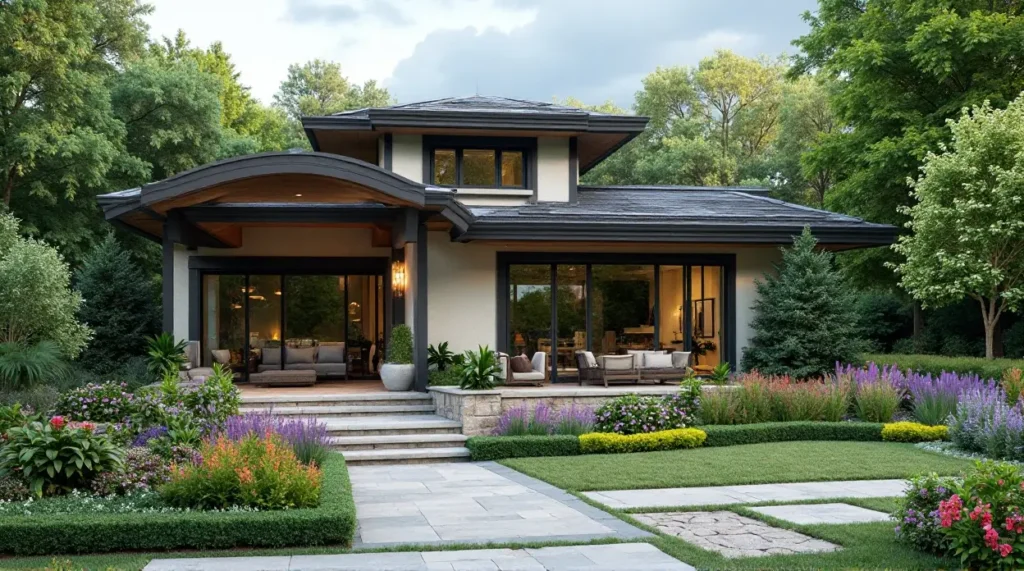
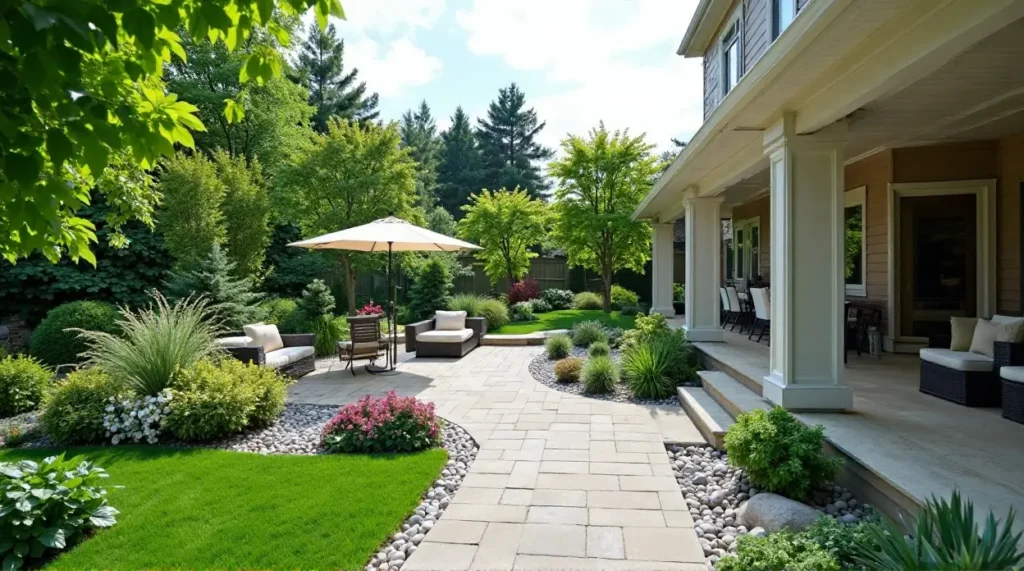
Landscape design plays a pivotal role in enhancing the beauty, functionality, and value of residential properties. It’s not just about aesthetics; thoughtful landscape design can create harmonious outdoor spaces that reflect personal style while integrating seamlessly with the natural environment. By exploring fundamental principles of landscape design and various popular styles, homeowners can transform their outdoor areas into stunning extensions of their homes.
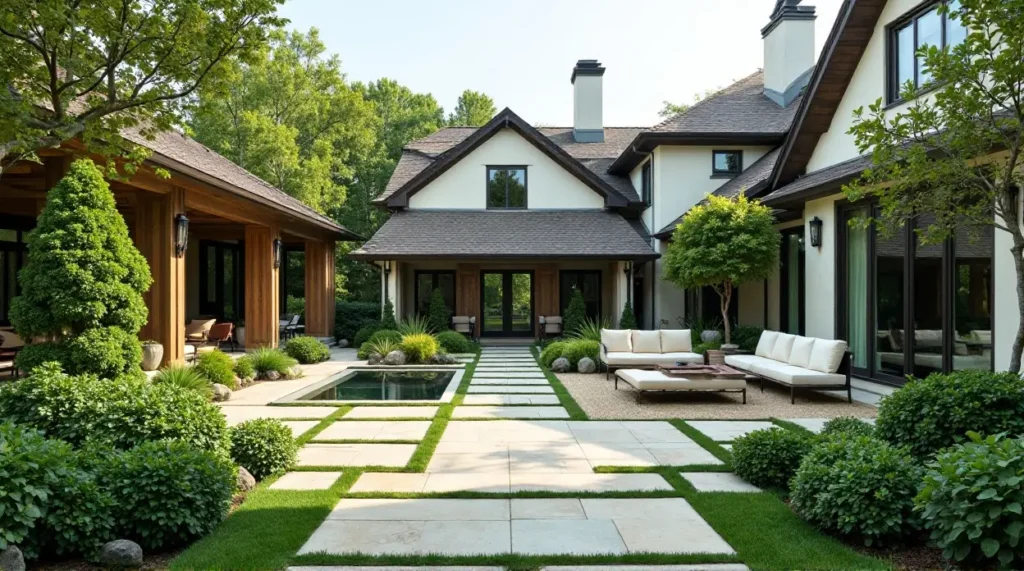
Principles of Landscape Design
- Unity
Achieving a cohesive look is vital in landscape design. This involves creating a sense of harmony between different elements—such as plants, hardscaping, and garden features—to form a cohesive overall design. - Balance
Balance can be symmetrical or asymmetrical. Symmetrical designs often feature mirrored elements on either side of a central axis, while asymmetrical designs achieve balance through the careful arrangement of varied elements that complement each other. - Scale and Proportion
The size and scale of elements must be appropriate to the overall space. Large trees can overwhelm a small yard if not positioned correctly, while small plants can disappear in a vast landscape. Proportion reflects how elements relate to one another and the overall area. - Focal Points
Creating focal points, such as a striking sculpture, a water feature, or an impressive tree, draws attention and provides visual interest. Focal points can guide the eye through the landscape and create a sense of direction. - Texture and Color
The use of various plant textures and colors adds depth and richness to the landscape. Mixing plants with different foliage and flower colors can create vibrant and dynamic surroundings that invite exploration.
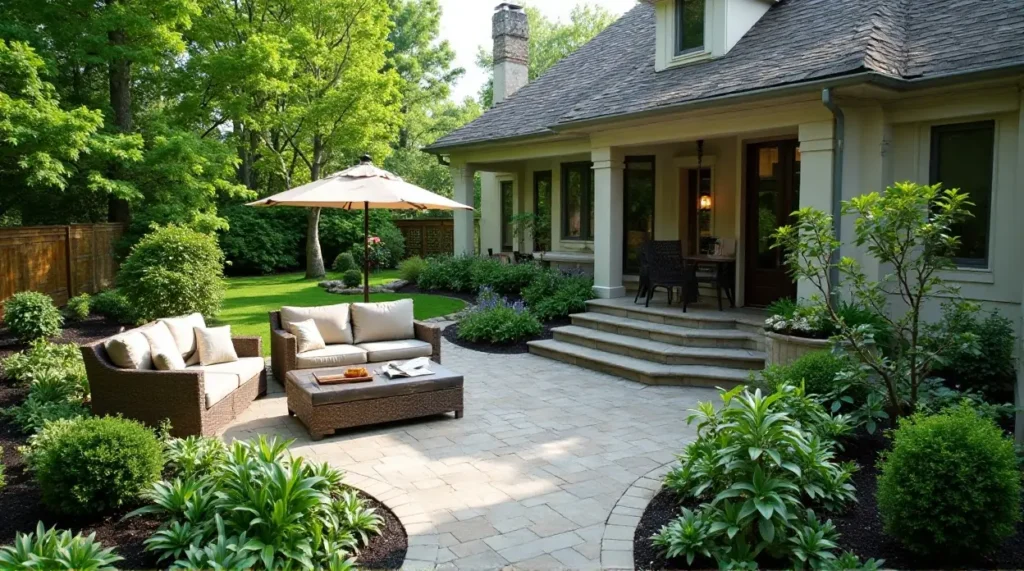
Design Styles in Landscape Design
- Modern Landscape Design
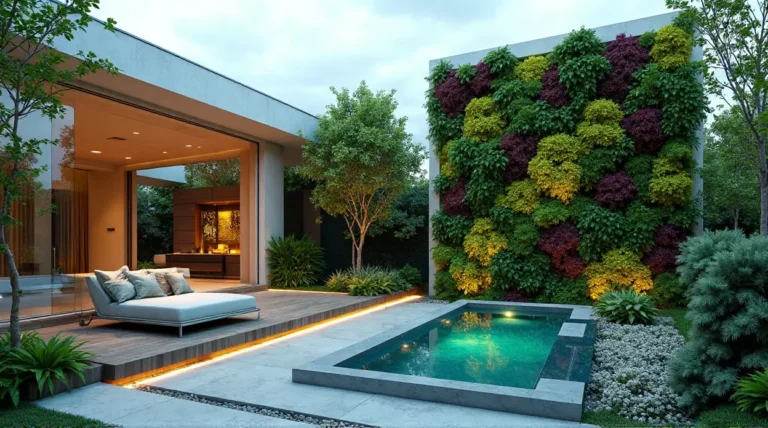
Modern landscaping emphasizes clean lines, minimalism, and an overall sense of order. It often utilizes contemporary materials like concrete, metal, and glass alongside sleek geometric shapes. Key features may include green roofs, structured hedges, and minimalist water features that enhance tranquility. An excellent example of this style can be seen in the landscape design of the Farnsworth House by Mies van der Rohe, where the outdoor space seamlessly integrates with its modern architecture. - Traditional Landscape Design
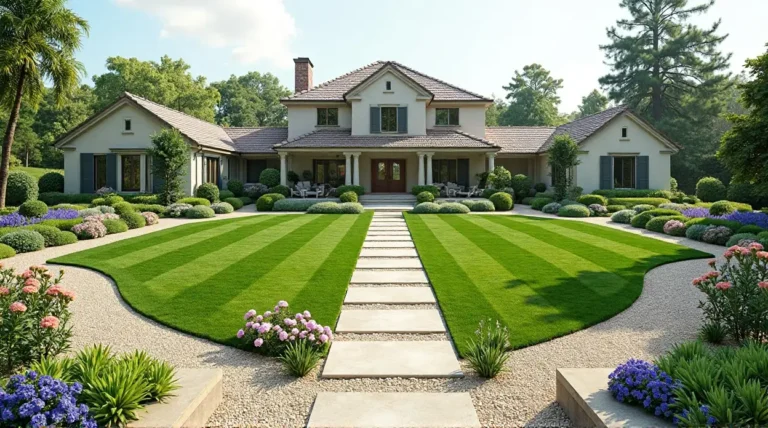
Traditional landscapes are characterized by classic elements such as symmetry, well-manicured lawns, and formal gardens. This style embraces the use of ornate plantings, hedges, and garden paths, creating a timeless appeal. A beautiful representation can be found in the charming gardens of the Monticello estate, home to Thomas Jefferson. Here, traditional principles are brought to life through structured vegetable gardens and ornamental flower beds. - Native Landscaping
Native landscaping focuses on using indigenous plants that are well adapted to the local climate and ecosystem. This approach not only supports local wildlife but also reduces water usage and maintenance needs. An exemplary example in this space is the Lady Bird Johnson Wildflower Center, which showcases a stunning array of local flora that flourishes naturally in the environment while providing beautiful seasonal displays. - Cottage Garden
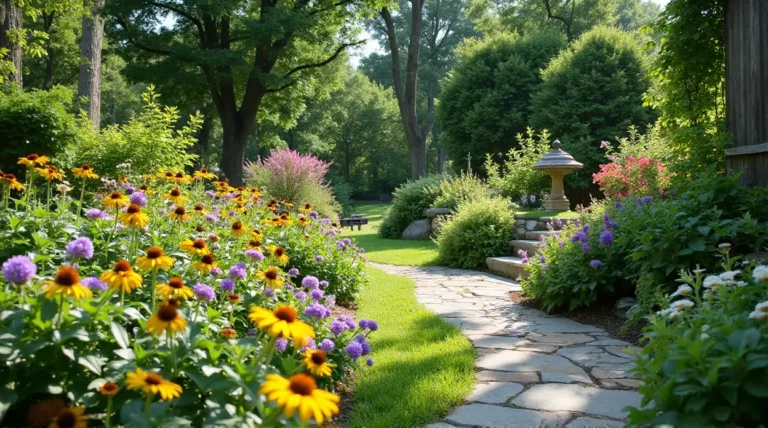
Cottage gardens are often characterized by their informal style, dense plantings, and a mix of flowers, herbs, and vegetables. This design style creates a charming, whimsical appearance that feels inviting and nurturing. A stunning instance of this style can be observed at Sissinghurst Castle Garden in the UK, which is renowned for its riot of colors and lush, interconnected plantings. - Zen and Japanese Gardens
These gardens focus on tranquility and simplicity, often featuring elements such as gravel or sand to represent water, stones, and carefully arranged plants that provoke reflection and calm. A perfect example is the Ryoan-ji rock garden in Japan, renowned for its minimalist design that creates a peaceful sanctuary for contemplation.
Conclusion
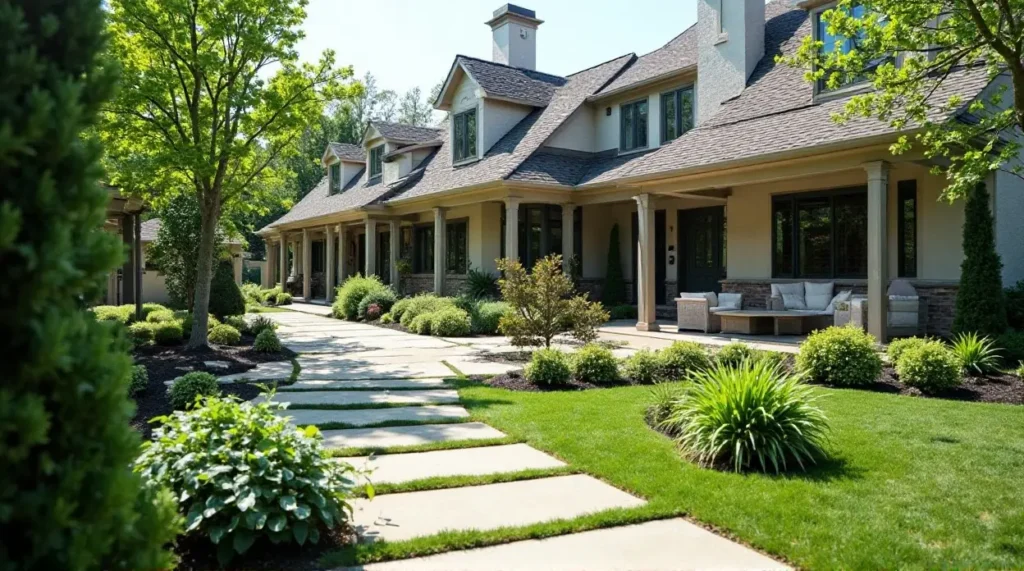
Transforming outdoor spaces through thoughtful landscape design can significantly enhance the beauty and livability of residential properties. By understanding the principles of landscape design and exploring various styles—modern, traditional, native, cottage, and Zen—homeowners can create outdoor environments that not only reflect their personal preferences but also harmonize with their surroundings. The right landscape design can turn an ordinary yard into an extraordinary retreat, showcasing nature’s beauty and elevating everyday living. Whether it’s a contemporary oasis or a lush cottage garden, the potential for outdoor transformation is boundless.
About the Author