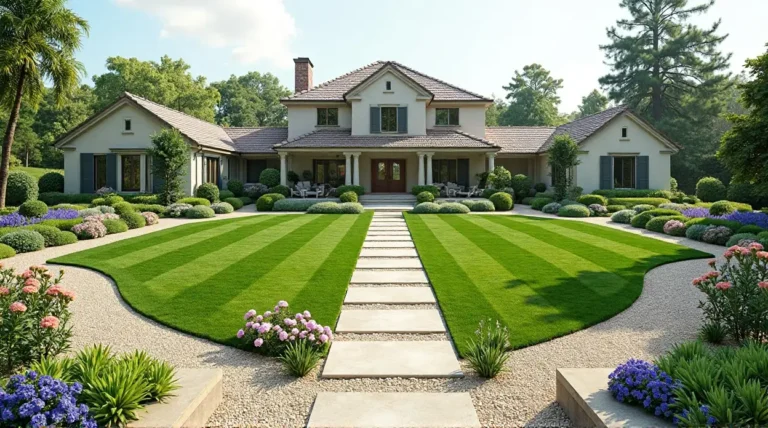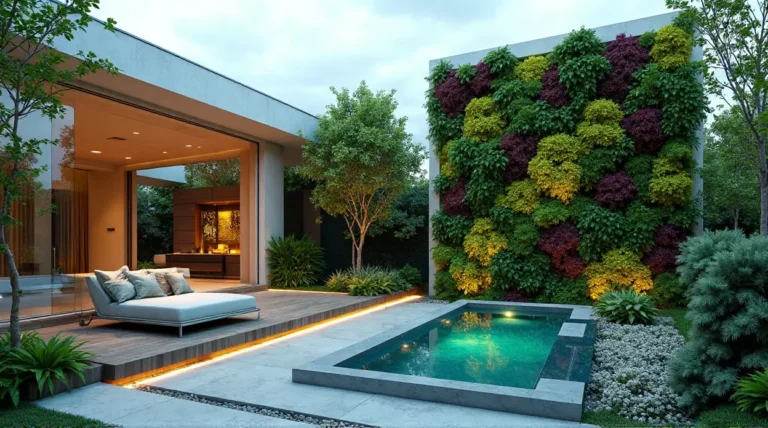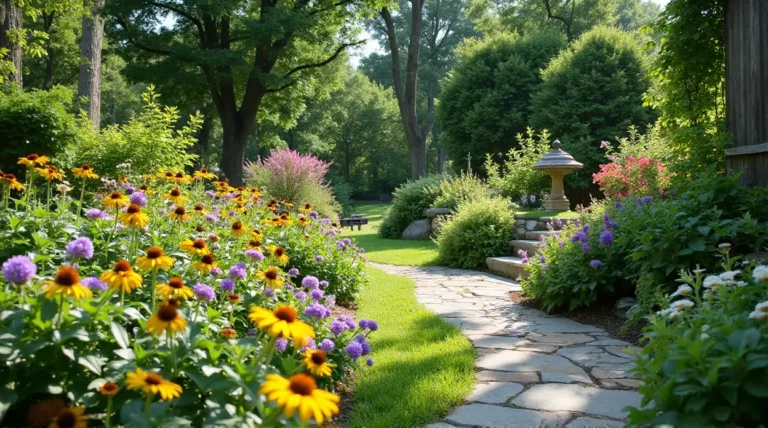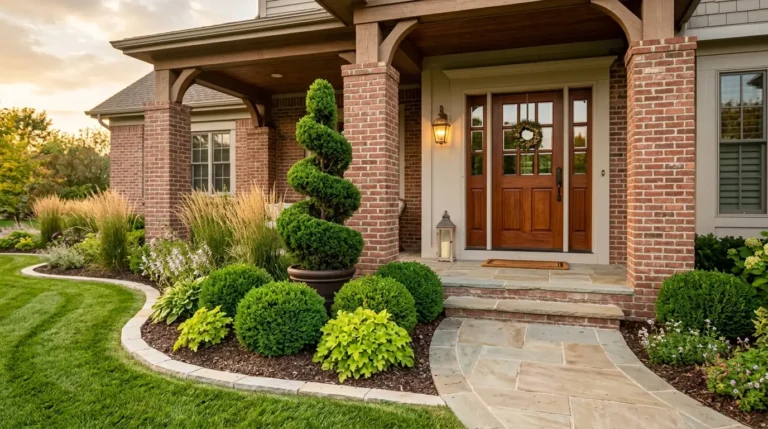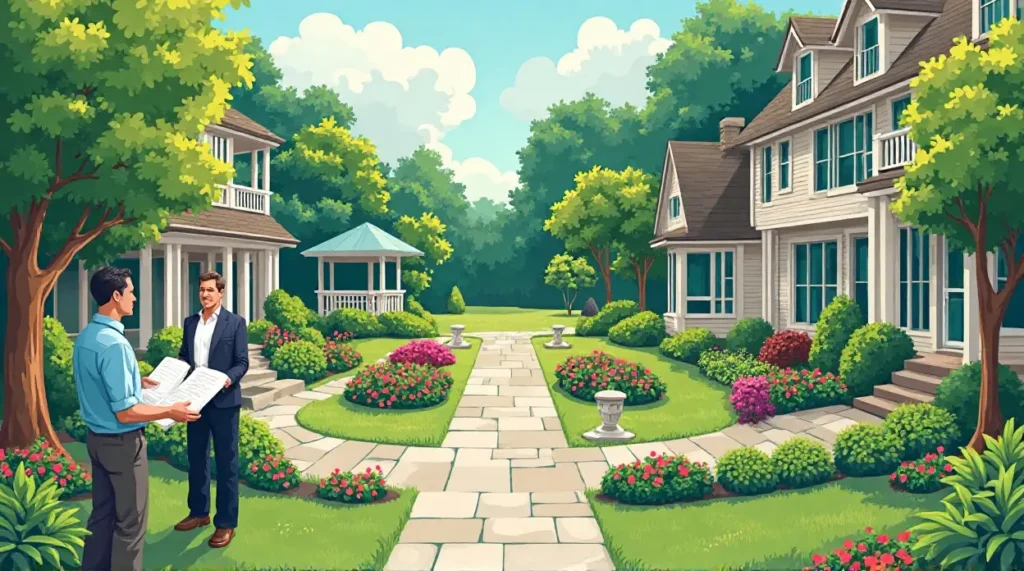
Landscaping is more than just the arrangement of plants and hardscaping; it plays a crucial role in enhancing the overall appeal and market value of residential properties. A well-curated landscape can transform a home, showcasing its best features, creating an inviting atmosphere, and ultimately leading to increased property value. This examination of the correlation between landscaping and real estate value draws insights from landscape architects and real estate professionals to highlight how lush gardens, strategically placed trees, and aesthetic hardscaping contribute to a home’s appeal and market price.
The Correlation Between Landscaping and Property Value
- First Impressions Matter
Curb appeal is often the first aspect potential buyers notice when viewing a property. A well-maintained landscape creates a positive first impression, making homes more attractive from the outset. Research has shown that properties with attractive landscaping can increase their perceived market value by as much as 5% to 15%. - Biophilic Design
Incorporating nature into residential landscapes—known as biophilic design—has been shown to improve the overall desirability of a property. Homes featuring lush gardens, native plants, and green spaces not only provide aesthetic pleasure but also promote mental well-being. Real estate agents recognize that buyers are willing to pay a premium for homes that offer natural beauty and tranquility.
Insights from Landscape Architects
- Strategic Planting
Landscape architects emphasize the importance of strategic planting. Well-placed trees provide shade and privacy, reduce energy costs, and enhance beauty. Mature trees, in particular, can significantly increase property values due to their established growth and aesthetic maturity. Adding trees to a landscape can increase a property’s value between $1,000 to $5,000 per tree, depending on the species and location. - Functional Hardscaping
Hardscaping elements such as patios, walkways, and retaining walls create functional outdoor spaces that extend the living area of a home. Landscape architects highlight that quality hardscaping materials—like stone or pavers—add both aesthetic value and durability, making homes more appealing to buyers. A professionally designed patio can yield a return on investment (ROI) of up to 60% or more, enhancing property value. - Sustainable Practices
In today’s eco-conscious market, environmentally-friendly landscapes, such as xeriscaping or the use of permeable pavers, are increasingly valued. Sustainable landscaping practices can reduce water consumption and maintenance costs, making these properties more attractive to environmentally aware buyers, ultimately driving up their value.
Insights from Real Estate Professionals
- Market Demand
Real estate professionals note that buyers often prioritize properties with excellent landscaping in highly competitive markets. A well-designed landscape can differentiate a property from others, rushing potential buyers into making offers. It allows homes to stand out, especially in neighborhoods with similar architectural features. - An Investment in Maintenance
Investing in professional landscaping and regular maintenance not only attracts potential buyers but can also ensure quicker sales at higher prices. Real estate agents often recommend homeowners focus on curb appeal and landscaping improvements when preparing a home for sale. This investment often translates into a much higher sale price compared to the cost expended on landscaping. - Emotional Connection
The emotional allure of a well-landscaped property cannot be understated. Buyers often envision their life in a home before they even step inside. A beautifully manicured lawn, colorful flower beds, and inviting outdoor spaces create an emotional connection, leading to faster sales and premium offers.
Conclusion
The relationship between landscaping and property value is undeniable. Insights from landscape architects and real estate professionals highlight that well-curated landscapes—featuring lush gardens, strategic tree placement, and attractive hardscaping—can significantly elevate a home’s appeal and market price. As properties increasingly become extensions of self-expression, investing in professional landscaping is not just an enhancement; it is a strategic decision that can yield substantial financial returns. Homeowners looking to sell or increase the value of their investment should recognize the powerful impact of thoughtful landscape design and maintenance, turning their outdoor spaces into key assets in the real estate market.
About the Author