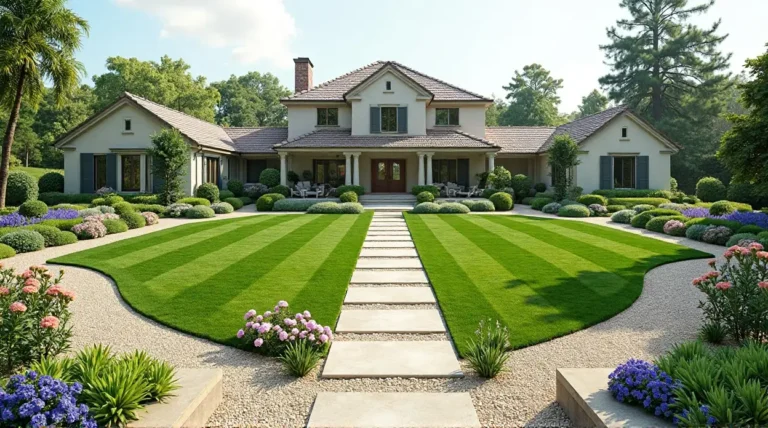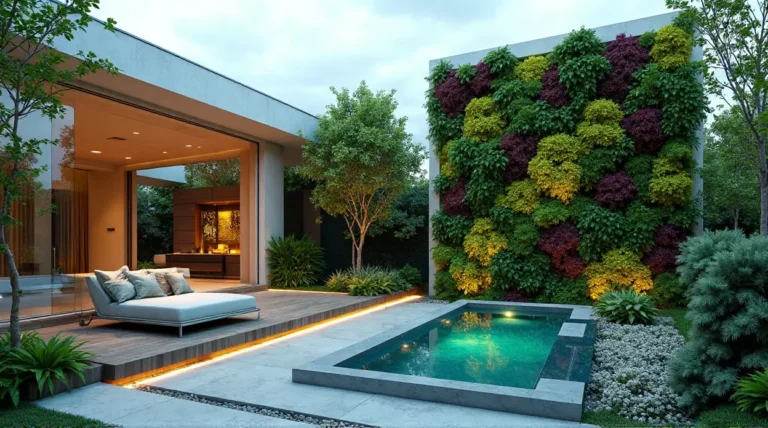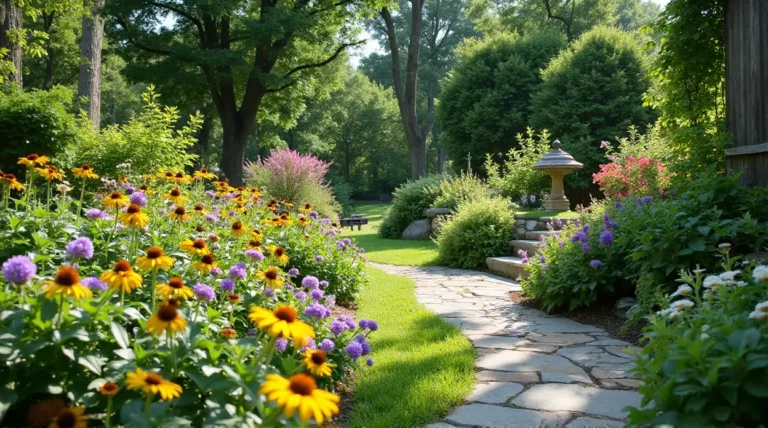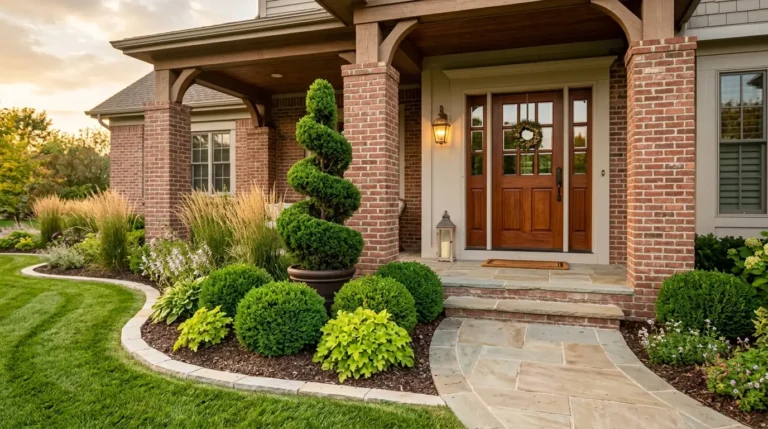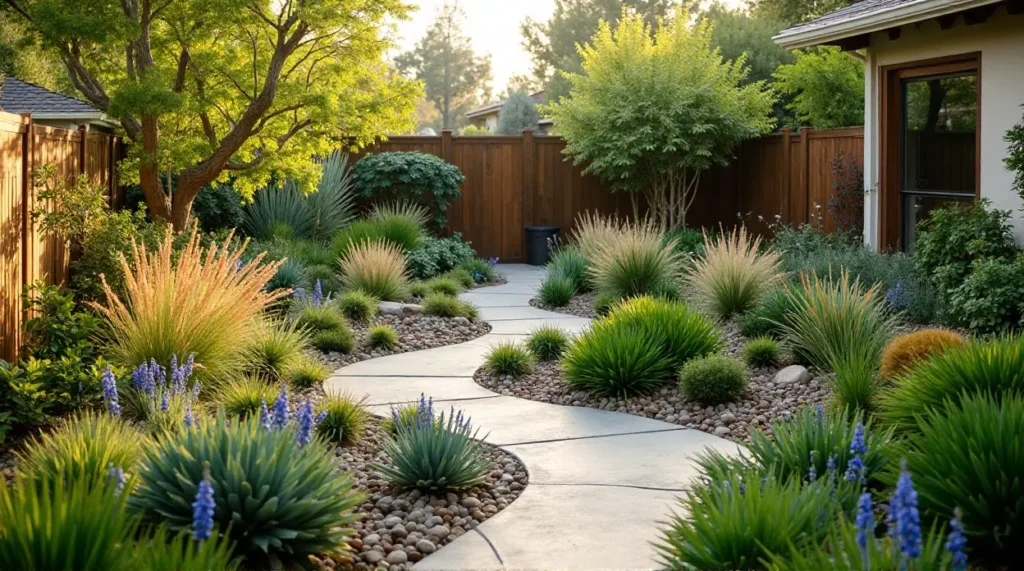
Sustainable landscaping is a practice that prioritizes environmental health while creating beautiful outdoor spaces. By focusing on native plants, efficient water use through xeriscaping, and incorporating renewable materials in hardscaping, homeowners can design landscapes that are both aesthetically pleasing and eco-friendly. This approach not only enhances the visual appeal of properties but also supports local ecosystems and conserves resources.
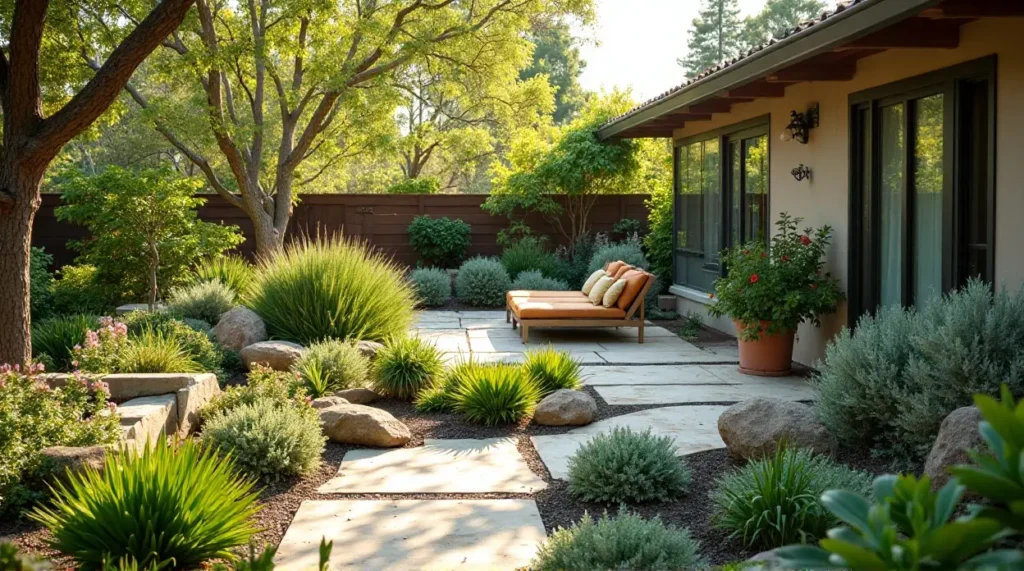
1. Embracing Native Plants
Benefits of Native Plants:
- Biodiversity Support: Native plants have evolved to thrive in their local environments, offering vital support to native wildlife, including birds, butterflies, and beneficial insects. They attract pollinators and help maintain balanced ecosystems.
- Reduced Maintenance Needs: These plants are often more drought-tolerant and pest-resistant, requiring less water, fertilizers, and pesticides. This translates to lower maintenance and chemical use, which benefits soil health and local waterways.
- Natural Aesthetics: Native plants provide a unique beauty that reflects the local landscape. They often showcase seasonal changes and can be arranged to create attractive visual displays throughout the year.
Design Ideas:
- Consider planting a variety of native flowers, shrubs, and trees that bloom in different seasons to ensure year-round interest and color.
- Create layered landscapes with taller plants at the back, medium-height plants in the middle, and ground covers at the front to establish depth and texture.
2. Implementing Xeriscaping
What is Xeriscaping?
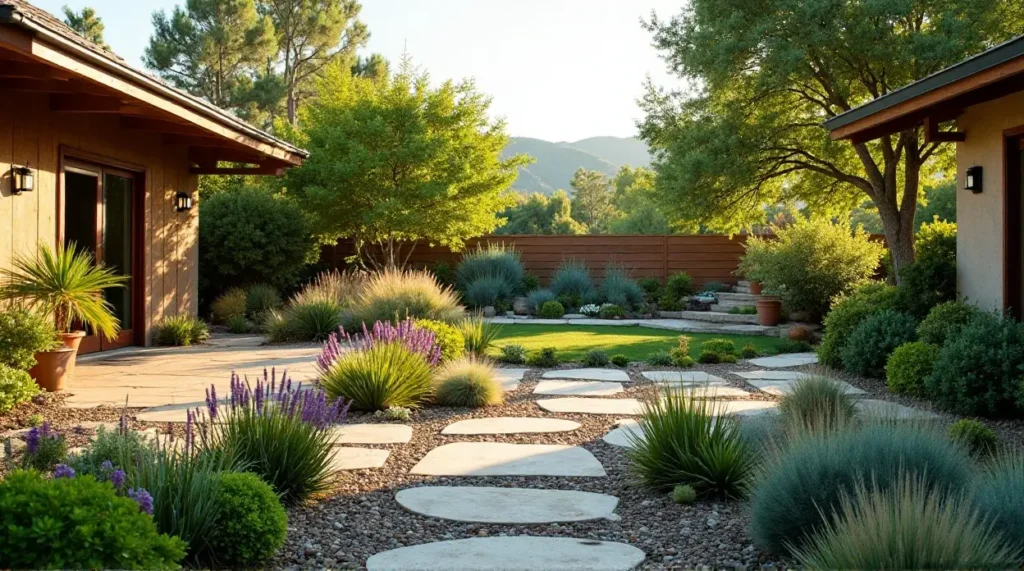
- Xeriscaping is a landscaping method designed specifically for arid and semi-arid environments that emphasizes water conservation. It reduces the need for irrigation by selecting plants that thrive in dry conditions and implementing efficient landscape designs.
Key Strategies for Xeriscaping:
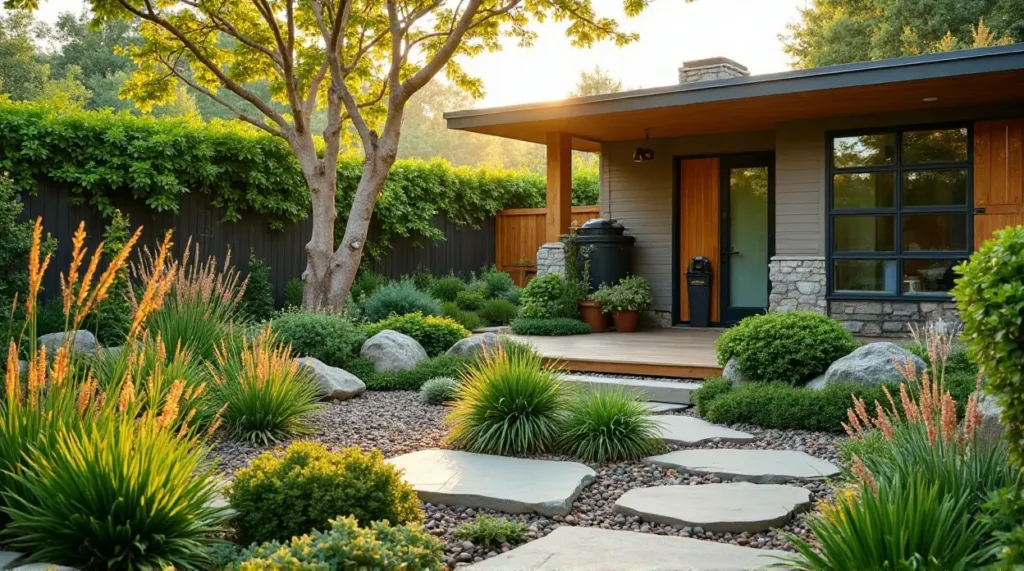
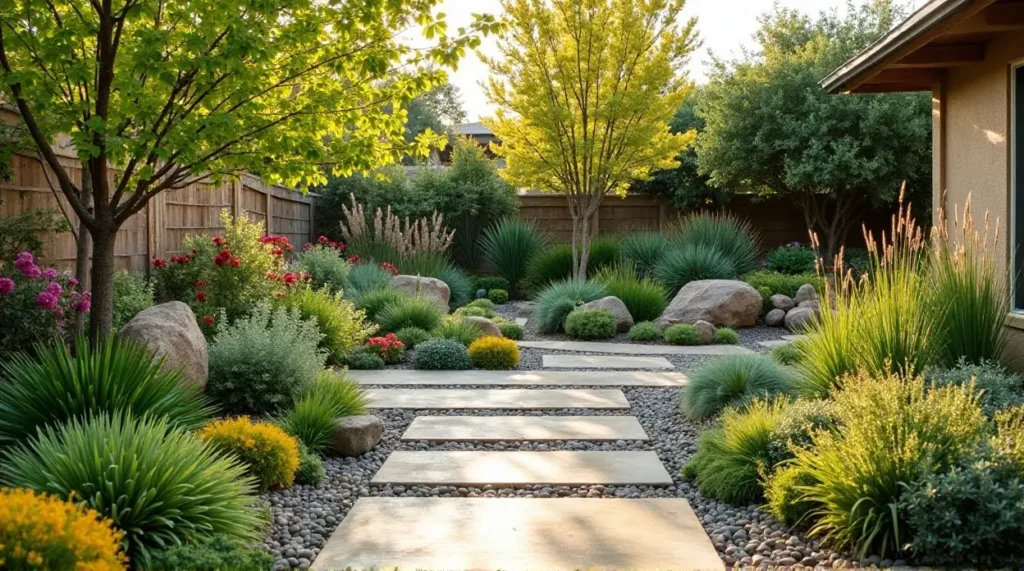
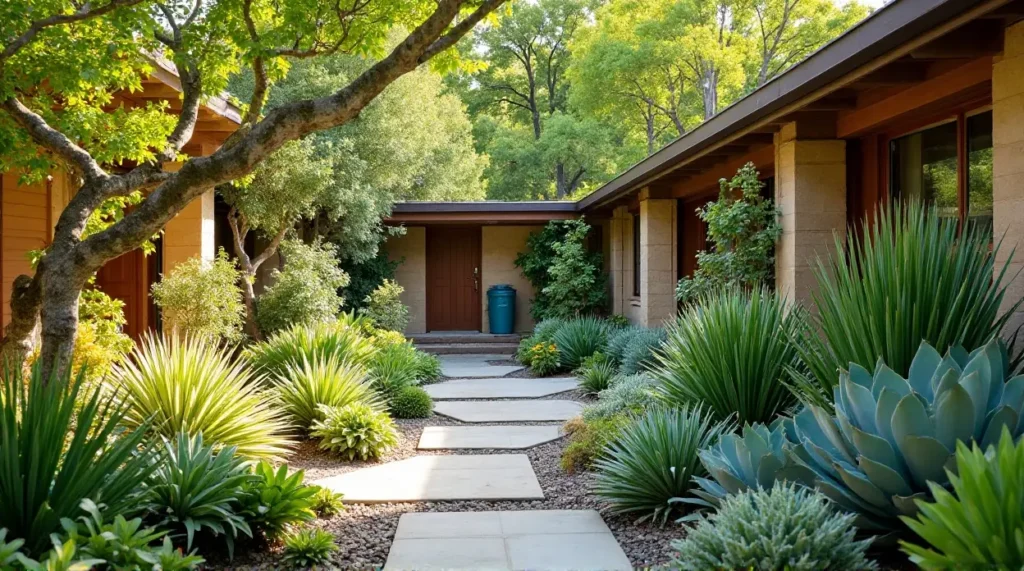
- Drought-Tolerant Plants: Use xerophytic plants such as succulents, lavender, ornamental grasses, and agave that require minimal water once established.
- Soil Improvement: Enhance soil with organic matter to improve water retention, allowing plants to draw moisture more efficiently.
- Strategic Plant Placement: Group plants with similar water needs together to minimize waste. Place drought-tolerant plants in sunny areas and those that need more moisture in shaded spots.
Creating Visual Appeal:
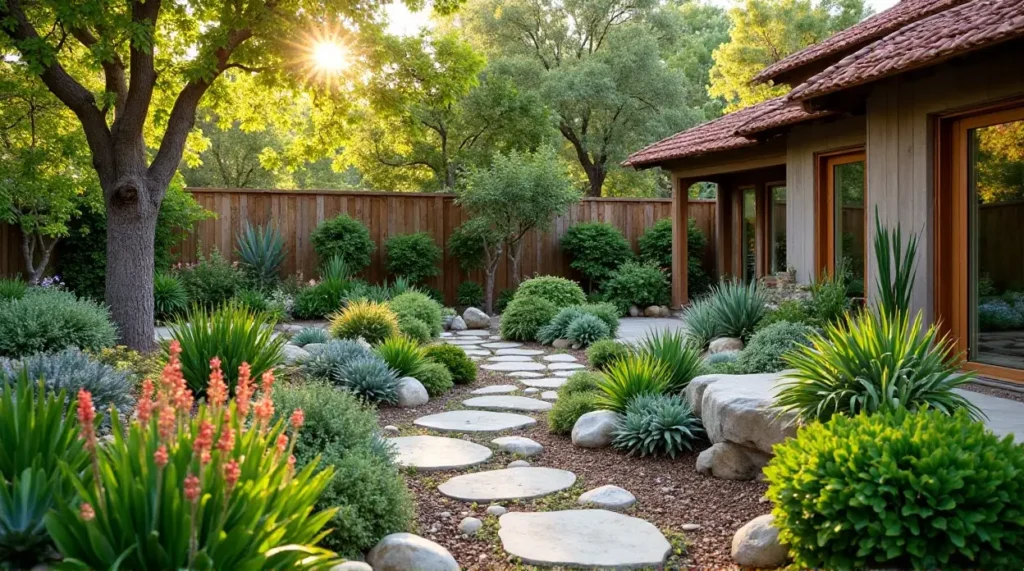
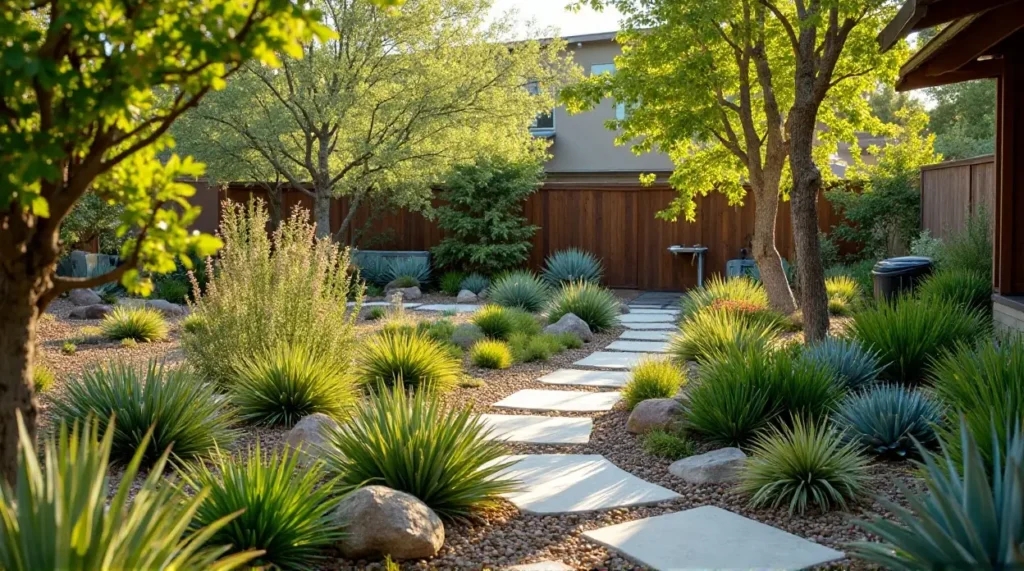
- Incorporate decorative elements such as rocks, gravel, and mulch to add texture and interest. These materials can help regulate soil temperature and reduce water evaporation.
- Use color schemes that match the natural landscape while ensuring visual harmony with the surrounding environment.
3. Renewable Materials in Hardscaping
Benefits of Renewable Hardscaping Materials:
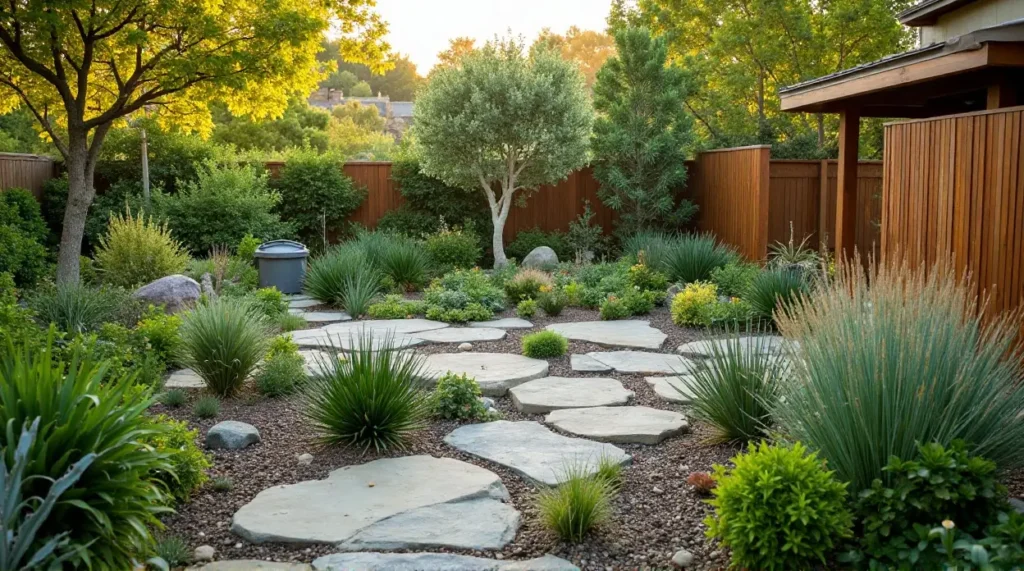
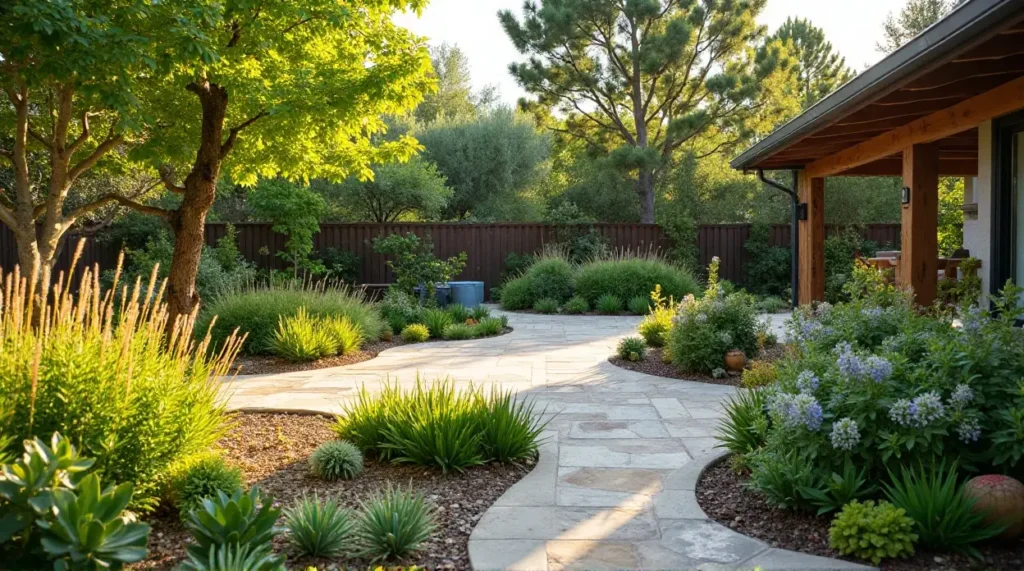
- Sustainability: Using permeable pavers, recycled materials, and sustainably sourced timber can reduce the environmental impact of hardscaping. These materials often have a lower carbon footprint and help mitigate habitat loss.
- Aesthetics and Functionality: Innovative materials like reclaimed wood, bamboo, or recycled concrete can create stunning textures and patterns, enhancing the overall appeal of outdoor spaces.
- Water Management: Permeable surfaces allow rainwater to infiltrate, reducing runoff and promoting groundwater recharge. This helps manage stormwater effectively while maintaining the beauty of the landscape.
Design Considerations:
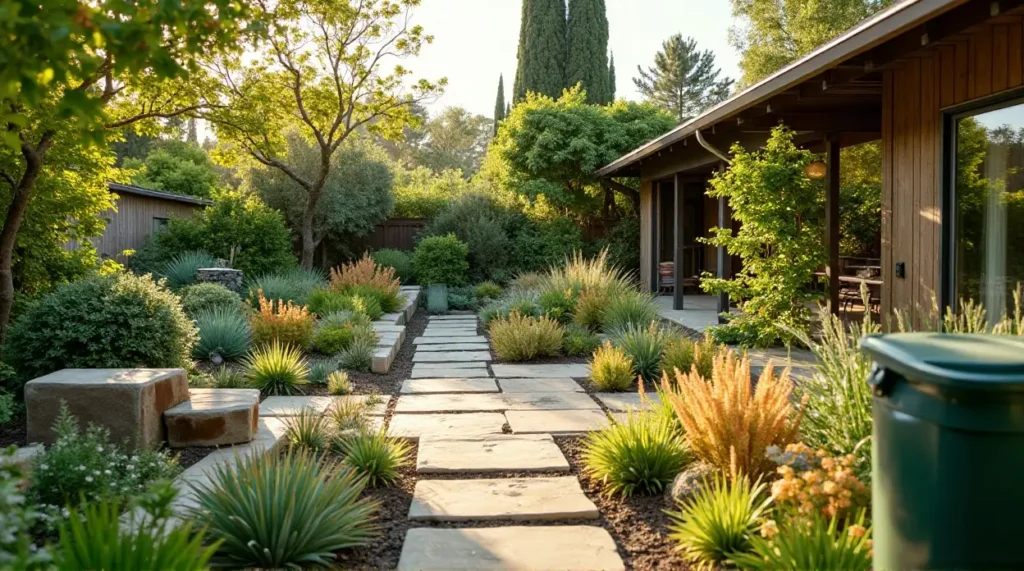
- Design patios, walkways, and walls using eco-friendly materials that harmonize with the landscape. Avoid traditional concrete where possible and opt for materials that blend seamlessly with the natural environment.
- Include features like rain gardens or bioswales to manage excess rainwater using decorative stones and native plants designed to handle fluctuations in water availability.
Conclusion
Sustainable landscaping offers homeowners a way to create beautiful, functional outdoor spaces that are both environmentally friendly and aesthetically pleasing. By embracing native plants and xeriscaping methods while utilizing renewable materials for hardscaping, individuals can contribute to ecological conservation and promote biodiversity. This holistic approach not only enhances property aesthetics but also supports the planet by conserving resources and protecting the environment for future generations. Embracing sustainable landscaping is a worthwhile investment, yielding benefits that extend far beyond individual properties, improving the local ecosystem and creating healthier, more vibrant communities.
About the Author