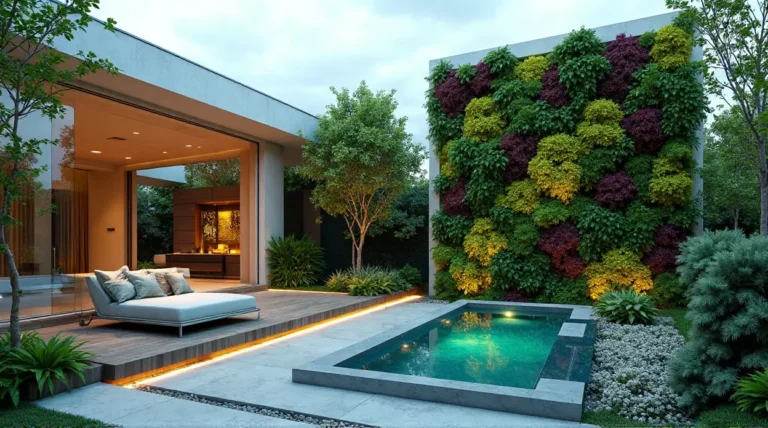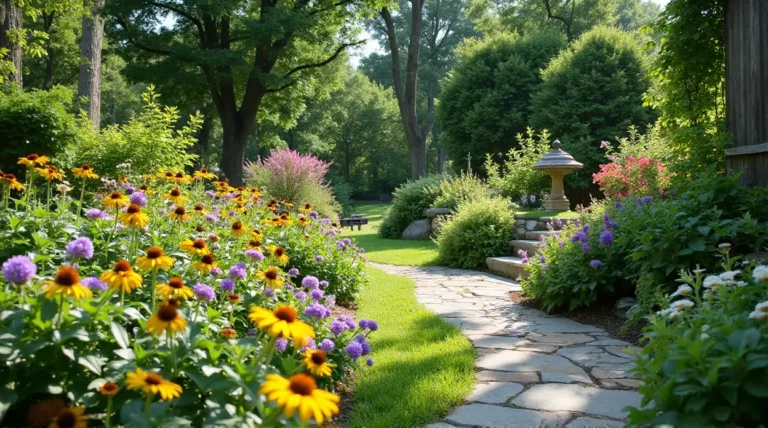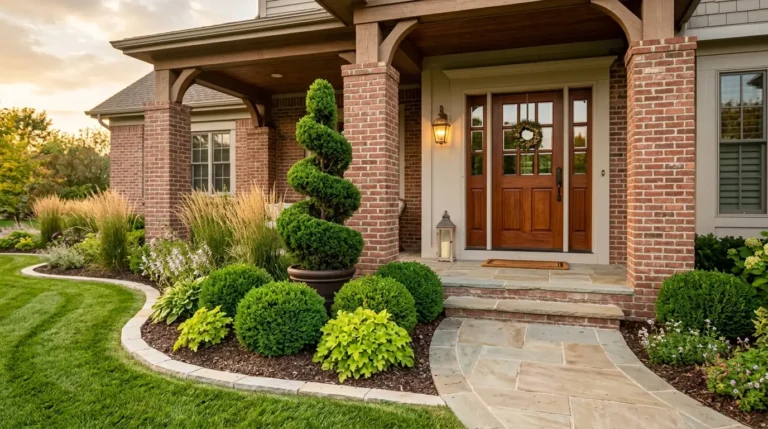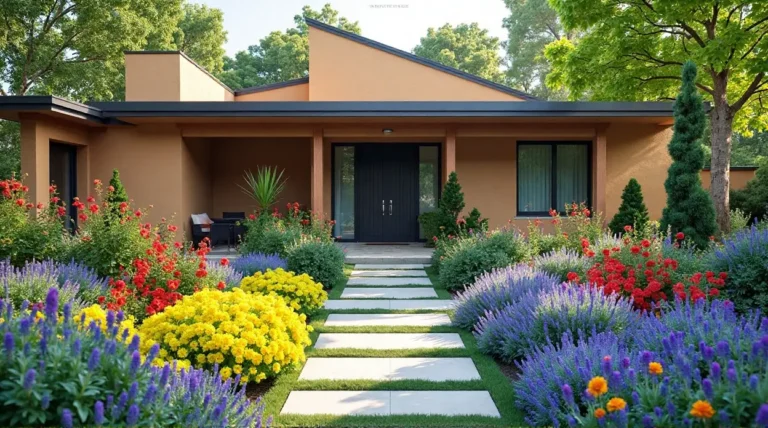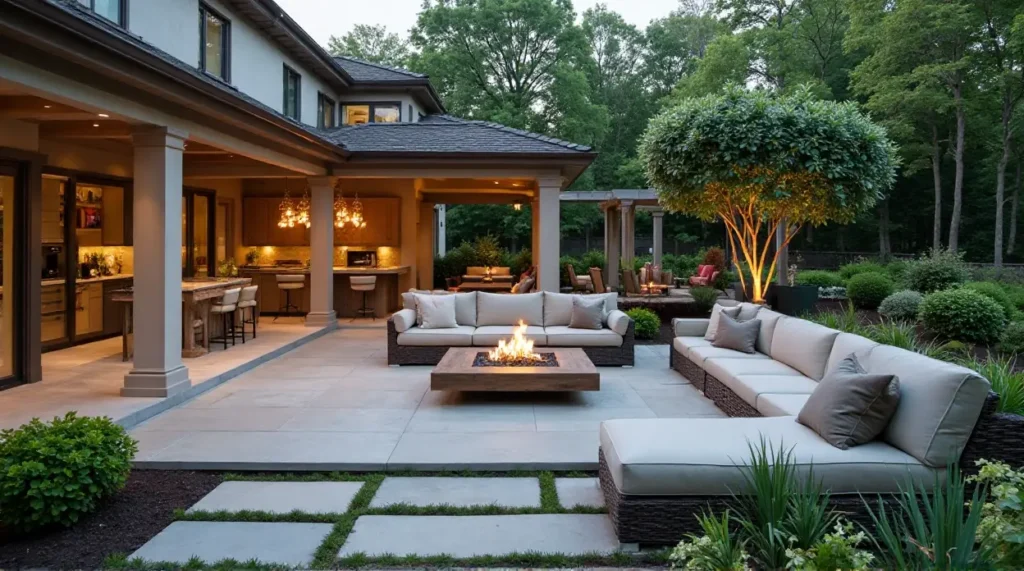
The trend of outdoor living spaces has become increasingly popular as homeowners seek to expand their living areas beyond the confines of their interiors. By designing functional and aesthetically pleasing outdoor environments, individuals can create seamless transitions between indoor and outdoor experiences. This guide explores various ideas for patios, outdoor kitchens, and dining areas, highlighting how they can harmoniously integrate with beautiful landscaping to foster a cohesive and inviting atmosphere.
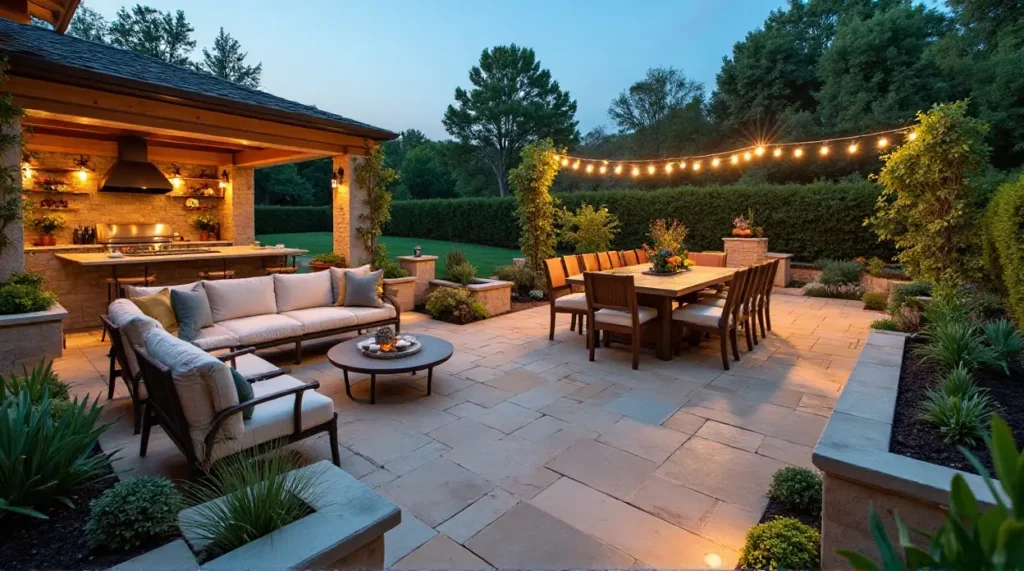
1. The Essence of Outdoor Living Spaces
Outdoor living spaces enhance the overall value and enjoyment of a home. They provide opportunities for relaxation, entertainment, and family gatherings while offering a connection to nature. By thoughtfully designing outdoor areas, homeowners can create functional environments that serve as extensions of their indoor spaces.
2. Designing Patios
Materials and Style:
- Natural Stone and Pavers: Using materials like flagstone, brick, or concrete pavers can create stunning and durable patio surfaces that blend with surrounding landscapes.
- Textured Surfaces: Consider incorporating texture through stamped concrete or wood decking, adding visual interest while maintaining functionality.
Layout and Functionality:
- Zoning: Create distinct zones within the patio area for lounging, dining, and cooking. This division helps maximize space and cater to various activities.
- Furniture Arrangement: Select comfortable, weather-resistant furniture that complements the patio’s design. Arrange seating to foster conversation and provide optimal views of the landscape.
Incorporating Landscape Elements:
- Greenery and Planters: Integrate garden beds or planter boxes along patio edges to soften hardscapes and add vibrant colors. Using native or drought-tolerant plants can enhance the eco-friendliness of the space.
- Shade Solutions: Consider pergolas, awnings, or large umbrellas to provide shade, making the patio comfortable throughout the day while adding an architectural element to the design.
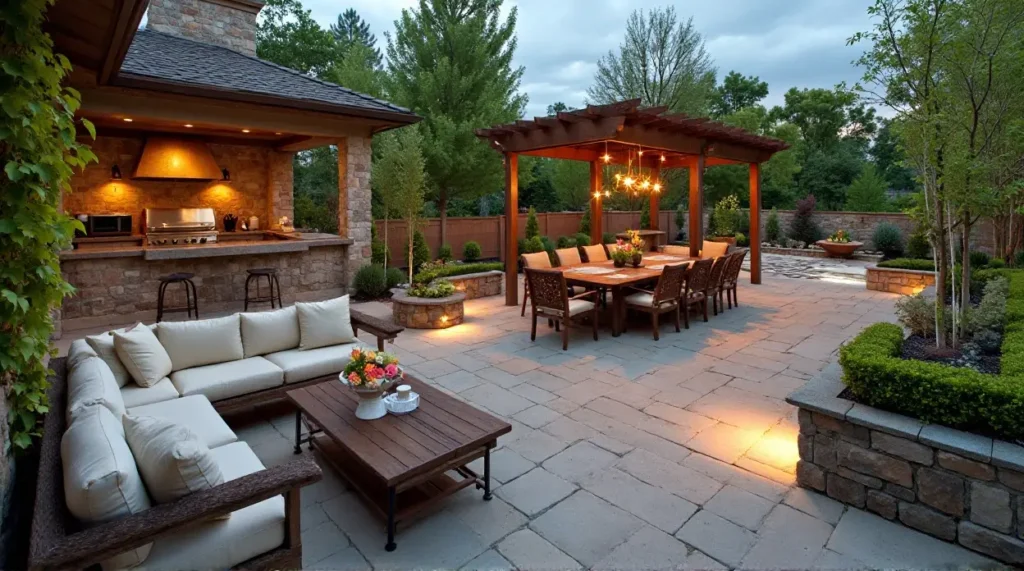
3. Creating Outdoor Kitchens
Functional Design:
- Efficient Layout: An outdoor kitchen should include essential elements such as a grill, sink, refrigerator, and countertop space for food preparation. Consider the “work triangle” concept for efficient movement between the cooking, cleaning, and serving areas.
- Built-in Features: Incorporating features like stone cabinetry or custom islands can enhance the outdoor kitchen’s functionality while adding to its aesthetic appeal.
Integration with Landscape:
- Open Flow: Position the outdoor kitchen near the patio or dining area to create an open flow between cooking and socializing spaces. This ensures ease of access while entertaining guests.
- Visual Cohesion: Match the outdoor kitchen materials and style with the surrounding landscaping. For example, using stone that matches nearby walls or flooring can create a harmonious visual experience.
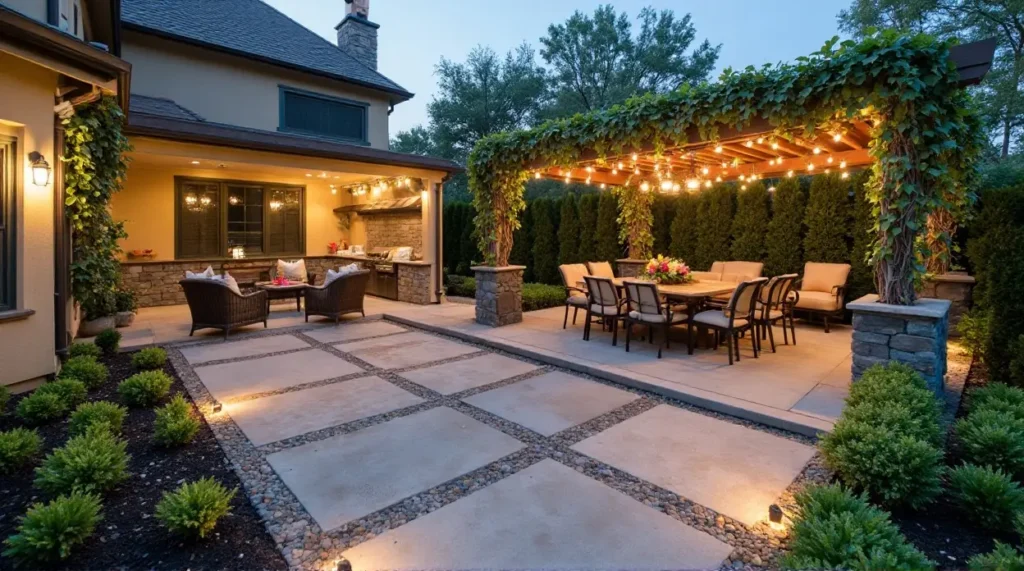
4. Designing Outdoor Dining Areas
Table and Seating Consideration:
- Size and Shape: Choose a dining table that fits the space and accommodates the desired number of guests. Round tables encourage conversation, while rectangular tables can fit into narrow spaces more easily.
- Comfortable Seating: Opt for comfortable, weather-resistant chairs with cushions that match the dining area’s color scheme. Providing ample seating enhances the dining experience.
Enhancing Ambiance:
- Lighting Solutions: Incorporate various lighting options such as string lights, lanterns, or built-in LED accents to create a warm and inviting atmosphere during evening gatherings.
- Decorative Accents: Add table centerpieces, outdoor rugs, and decorative cushions to enhance the dining space’s aesthetics. Use seasonal decor to keep the dining area fresh and appealing throughout the year.
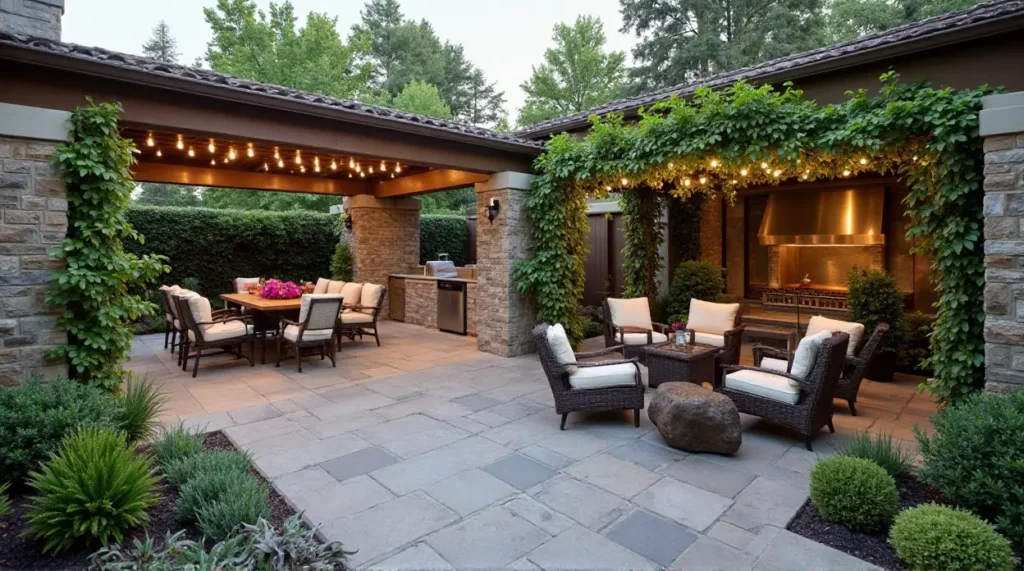
5. Cohesion with Landscaping
Creating Flow:
- Landscaping Borders: Use landscaping to define outdoor living spaces, such as hedges or flower beds that create natural boundaries. This fosters a sense of privacy and separation while maintaining a natural feel.
- Pathways and Access: Incorporate pathways that connect outdoor living spaces to gardens, other areas of the yard, or the home. Use materials that complement both hardscapes and landscaping to enhance the overall flow.
Sustainable Practices:
- Native Plant Incorporation: Choose native plants in landscaping that require less water and maintenance, integrating them seamlessly with patios and dining areas.
- Climate Consideration: Design outdoor spaces with shade elements and windbreaks, making them comfortable during different times of the year and enhancing their usability.
Conclusion
Outdoor living spaces represent a harmonious connection between the indoors and outdoors, fostering environments that promote relaxation and socialization. By creatively designing patios, outdoor kitchens, and dining areas that integrate beautifully with surrounding landscapes, homeowners can enhance their living spaces and overall quality of life. Thoughtful planning and consideration of materials, layout, and landscape integration are essential to crafting functional, inviting, and cohesive outdoor environments, ultimately adding value and joy to any home.
About the Author